

We may earn a commission when you buy through links on this page, at no extra cost to you. Learn more.
Sangiovese acidity is naturally high, placing Italy’s signature red grape among the brightest, most mouthwatering red wine varieties in the world. This brisk tartness creates a crisp, savory framework that balances the grape’s firm tannins and typical 13.5% to 15% ABV. Because of that lively structural backbone, Sangiovese cuts effortlessly through rich fats and matches the natural brightness of tomato-based dishes.
If you have ever taken a sip of Chianti Classico or Brunello di Montalcino and felt an immediate, mouthwatering snap across the sides of your tongue, you have experienced the defining trait of the grape. While many full-bodied red wines lean on plush fruit weight or heavy oak, Sangiovese relies on tension, lift, and freshness to keep every sip dynamic from start to finish.
What Sangiovese Acidity Is
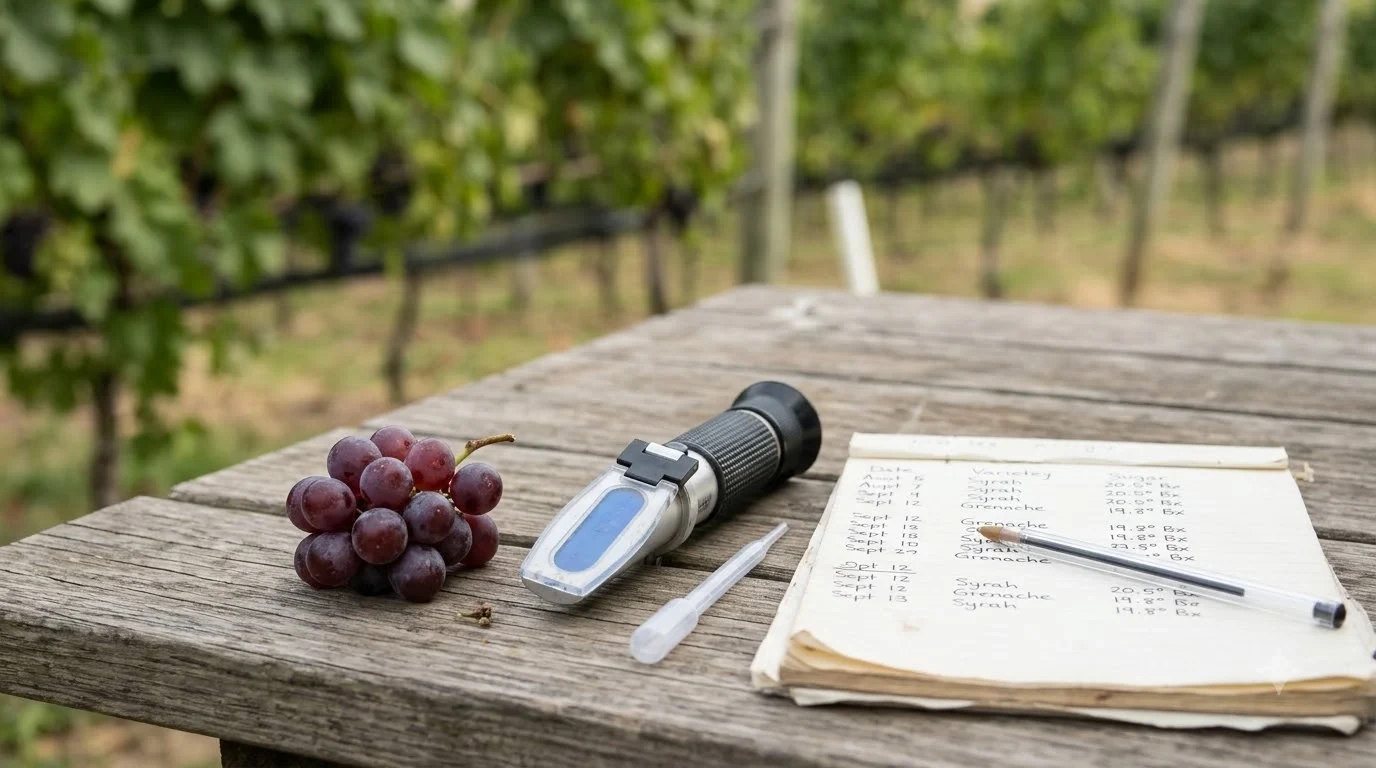
Sangiovese acidity refers to the high concentration of natural organic acids—primarily tartaric and malic acid—retained in the grape skins and pulp through harvest. According to Wine Folly’s Sangiovese guide, the variety sits firmly in the medium-high to high acidity tier alongside medium-high tannins and medium-full body.
In technical winemaking terms, red wines generally fall within a pH range between 3 and 4, and Sangiovese routinely leans toward the lower, crisper end of that spectrum. Lower pH numbers indicate a higher concentration of active hydrogen ions, which your palate registers as sharp tartness and crispness rather than round softness. Even after red wines undergo malolactic fermentation—a standard cellar process that converts harsh malic acid into softer lactic acid—Sangiovese preserves an energetic core of tartaric acid that keeps the wine feeling alert and dry.
This natural tartness does more than make your mouth water; it shapes the entire architecture of the wine. High acidity amplifies the perception of fresh red fruit, keeping flavors of sour cherry and red plum vivid rather than jammy. At the same time, that brisk edge interacts with Sangiovese’s naturally grippy tannins, giving young bottles a firm, structural bite that rewards food pairing or bottle aging.
Flavor and Styles Across the Acidity Spectrum
While every expression of Sangiovese carries noticeable brightness, climate, clone selection, and cellar aging shift how that acidity tastes in the glass. Younger, unoaked bottles highlight zippy, crunchy red fruit, whereas barrel-aged reserves integrate that sharpness into a deeper, more savory profile.
In cooler vineyard sites or earlier-picked vintages, Sangiovese acidity takes center stage with flavors of tart Morello cherry, cranberry, wild strawberry, and dried rose petals. These bottles feel lighter on their feet, often showing herbal hints of oregano, thyme, and black tea leaves. If you want to explore how those aromatic layers show up in the glass, check out our sangiovese tasting notes guide for a closer look at primary and aged descriptors.
Warmer growing conditions and extended oak maturation soften the sharp edges without erasing the grape’s signature lift. In richer styles like Brunello di Montalcino, ripe black cherry, roasted tomato, sweet balsamic, and leather cushion the bright acid backbone. Meanwhile, Wine Enthusiast notes that winemakers also harness this crisp natural acidity to produce savory rosato and even refreshing sparkling wines, where brisk tartness is an asset rather than a hurdle.
| Wine Style | Acidity Feel | Tannin Level | Typical Aging Window | Core Flavor Profile |
|---|---|---|---|---|
| Chianti Annata | High and zesty | Medium | 1 to 4 years | Sour cherry, red plum, oregano, fresh tomato leaf |
| Chianti Classico Riserva | High and integrated | Medium-high | 5 to 15 years | Red cherry, dried herbs, clay, leather, tobacco |
| Morellino di Scansano | Medium-high and round | Medium | 2 to 6 years | Ripe plum, wild herbs, cherry, subtle coastal salinity |
| Brunello di Montalcino | High and structured | High | 10 to 25 years | Dried cherry, fig, balsamic, espresso, forest floor |
Where It Grows and How Terroir Shapes Brightness
Sangiovese is famously sensitive to its environment, acting like a translucent lens for soil, elevation, and sunshine. Native to central Italy, the grape covers roughly 155,000 acres across Italy out of about 175,000 acres planted worldwide, with Tuscany serving as its spiritual and viticultural heartland.
Elevation plays the biggest role in preserving Sangiovese acidity. In hilly zones across Chianti Classico and inland Tuscany, warm afternoon sunshine ripens the sugars and tannins while cool nighttime breezes sweep down from the Apennine foothills, locking natural acids into the berries. Poor, rocky soils rich in limestone and galestro—a crumbly marl-schist common in Tuscan hillsides—limit excessive vine vigor and encourage concentrated, high-acid fruit.
Move closer to the warmer Tuscan coast in areas like Maremma, where Sangiovese is bottled as Morellino di Scansano, and the climate shifts the balance toward rounder, darker fruit with slightly softer acid perception. Outside Italy, small plantings thrive in Corsica—where the grape goes by Nielluccio—as well as Argentina’s Mendoza region, California, Washington, and parts of Australia. In warmer New World sites, growers often seek out higher altitudes or coastal fog influence to stop the grape from losing its vital snap.
How to Serve Sangiovese to Balance Acidity
Serving temperature, aeration, and glassware directly control whether Sangiovese acidity feels refreshing or overly sharp. A few small adjustments before pouring bring the grape’s tartness, fruit, and tannins into harmonious alignment.
First, skip warm room temperature and serve Sangiovese slightly chilled, ideally between 60°F and 65°F (around 15°C to 18°C), though crisp, lighter styles shine even closer to 55°F to 60°F. When red wine gets too warm, alcohol vapors rise and accentuate astringency, whereas a gentle cellar chill keeps the red cherry fruit taut and makes the acidity feel clean and invigorating.
Second, give the bottle air before you drink it. Young, everyday Chianti benefits from about 30 minutes in a decanter or a large glass to blow off any tight, earthy reduction and round out the sharp acid-tannin edge. Age-worthy Riserva and Brunello bottlings often need 1 to 2 hours of decanting so savory notes of dried herbs, tobacco, and roasted tomato can unfurl alongside the brisk structure.
Tip: Put your bottle of Sangiovese in the refrigerator for 20 to 25 minutes before dinner—that quick chill drops standard kitchen temperature right into the ideal 60°F sweet spot.
Food Pairing with High-Acid Sangiovese
Few red wines earn the title of ultimate dinner table companion quite like Sangiovese, and its high acidity is the main reason. Rather than sitting heavily on your palate, each sip acts like a squeeze of fresh lemon over rich food, resetting your taste buds between bites.
The classic pairing rule in wine is matching acid with acid, which explains why Sangiovese and tomato-based Italian cooking belong together. Slow-simmered marinara, margherita pizza, eggplant parmigiana, and meat ragù all share vibrant natural acidity that can make low-acid reds taste flat or metallic. Sangiovese meets that brightness head-on, making both the sauce and the wine taste sweeter and fruitier.
Fat, salt, and char also tame Sangiovese’s firm structure. Grilled steaks like bistecca alla Fiorentina, roasted pork loin with rosemary, cured salumi, and aged hard cheeses such as Parmigiano-Reggiano or Pecorino Toscano coat the palate with lipids and protein. Those rich textures soften the wine’s tannins while the bright acidity cuts right through the heaviness. On the flip side, avoid pairing high-acid Sangiovese with sweet barbecue glazes or delicate creamy seafood, as sugar amplifies bitterness and delicate fish gets overwhelmed.
How to Choose a Bottle
Reading the label is the easiest way to predict how brisk or plush a bottle of Sangiovese will taste. Because Italy labels most Sangiovese wines by region rather than grape name, knowing a few key appellations helps you dial in the exact level of brightness you want.
If you love snappy, mouthwatering acidity and crunchy red fruit for weeknight pasta or pizza, look for basic Chianti DOCG, Rosso di Montalcino, or an entry-level Chianti Classico Annata. These wines spend less time in oak and are released young, keeping their lively tartness front and center. For a closer look at how the grape expresses itself across styles, read what does sangiovese taste like before your next wine shop trip.
If you want that same bright acid backbone wrapped in broader shoulders and savory complexity, step up to Chianti Classico Riserva, Vino Nobile di Montepulciano, or Brunello di Montalcino. Checking the vintage year also helps: bottles that are one to three years old deliver peak freshness and zip, while bottles with five to ten or more years of age trade some of their youthful tang for silky tannins and earthy depth. You can also compare Sangiovese alongside other vibrant red grapes in our Wine by Type hub.
Frequently Asked Questions
Is Sangiovese higher in acidity than Pinot Noir?
Both grapes are famous for lively, food-friendly brightness, though Sangiovese often feels slightly sharper on the palate because its high acidity is paired with firmer, grippier tannins. Pinot Noir typically has softer tannins and a silkier texture, making its acidity feel gentler even when laboratory pH numbers are close. You can compare their exact structural differences in our guide to pinot noir acidity.
Why does Sangiovese sometimes taste sour or tart?
Sangiovese naturally retains high levels of tartaric acid and exhibits signature flavors of sour cherry and red plum, which can taste sharp if the wine is served too warm or drunk without food. Serving the bottle slightly cool around 60°F and pairing it with salty, fatty, or tomato-rich dishes immediately balances that tartness and brings out sweeter fruit notes.
Does aging reduce acidity in Sangiovese wine?
Total acidity changes very little during bottle aging, which is why top Brunello di Montalcino and Chianti Classico Riserva can age gracefully for 15 to 25 years without tasting flat. What changes over time is your perception of that acidity, as harsh tannins polymerize into smoother textures and tertiary flavors of leather, fig, and dried herbs soften the sharp edges.
What is the typical pH of Sangiovese wine?
Most dry red wines measure between 3.3 and 3.8 on the pH scale, and crisp Tuscan Sangiovese frequently sits toward the lower end around 3.3 to 3.5. Because the pH scale is logarithmic, even a small drop of 0.2 points represents noticeably brighter tartness and fresher aging potential in the glass.
Understanding Sangiovese acidity explains why this Tuscan staple has anchored dinner tables for centuries. Once you pair that natural brightness with a slight cellar chill and the right savory meal, every glass delivers crisp refreshment alongside genuine depth.
More in Wine Types & Grapes
 What Does Mourvèdre Taste Like? Flavor Profile, Regions, and PairingsUpdated Nov 20, 2026
 What Does Marsanne Taste Like? Flavors, Styles, and Food PairingsUpdated Nov 20, 2026
 What Does Malvasia Taste Like? Styles, Flavors, and Food PairingsUpdated Nov 20, 2026
 What Does Grenache Blanc Taste Like? Flavor Profile, Styles, and PairingsUpdated Nov 20, 2026
 What Does Garnacha Taste Like? Key Flavors, Styles, and Pairing TipsUpdated Nov 20, 2026
 What Does Fruit Wine Taste Like? A Complete Flavor and Style BreakdownUpdated Nov 20, 2026