

We may earn a commission when you buy through links on this page, at no extra cost to you. Learn more.
Sangiovese tasting notes center on sour cherry, dried herbs and a bright, firm acidity that makes the grape easy to recognize in the glass. Young bottles usually show violet, red berry and savory herb aromas, while aged examples develop tobacco, leather and dried fruit. The exact profile shifts with the appellation, the clone and the time spent in oak and bottle before release.
Sangiovese is the most planted red grape in Italy and the backbone of Tuscany’s best-known wines, including Chianti Classico, Brunello di Montalcino and Vino Nobile di Montepulciano. According to Wine Enthusiast’s Sangiovese master class, the grape is one of the country’s most noble native varieties, yet it is also one of the most misunderstood and demanding grapes in the world. That reputation comes from how much it changes. A single grape can produce a light, early-drinking wine or a firmly structured bottle that ages for decades, so tasting notes depend heavily on where the grape grew and how the wine was made. This guide breaks down the flavors, structure and aging patterns that define Sangiovese, so you can read a label and predict what will be in the glass.
Core Sangiovese Tasting Notes: Cherry, Herbs and Earth
Most Sangiovese shares a core flavor set: red fruit, savory herbs and a mineral or earthy edge. The fruit tends to be tart rather than jammy, and the herbal character keeps the wine from tasting heavy even when the body is full.
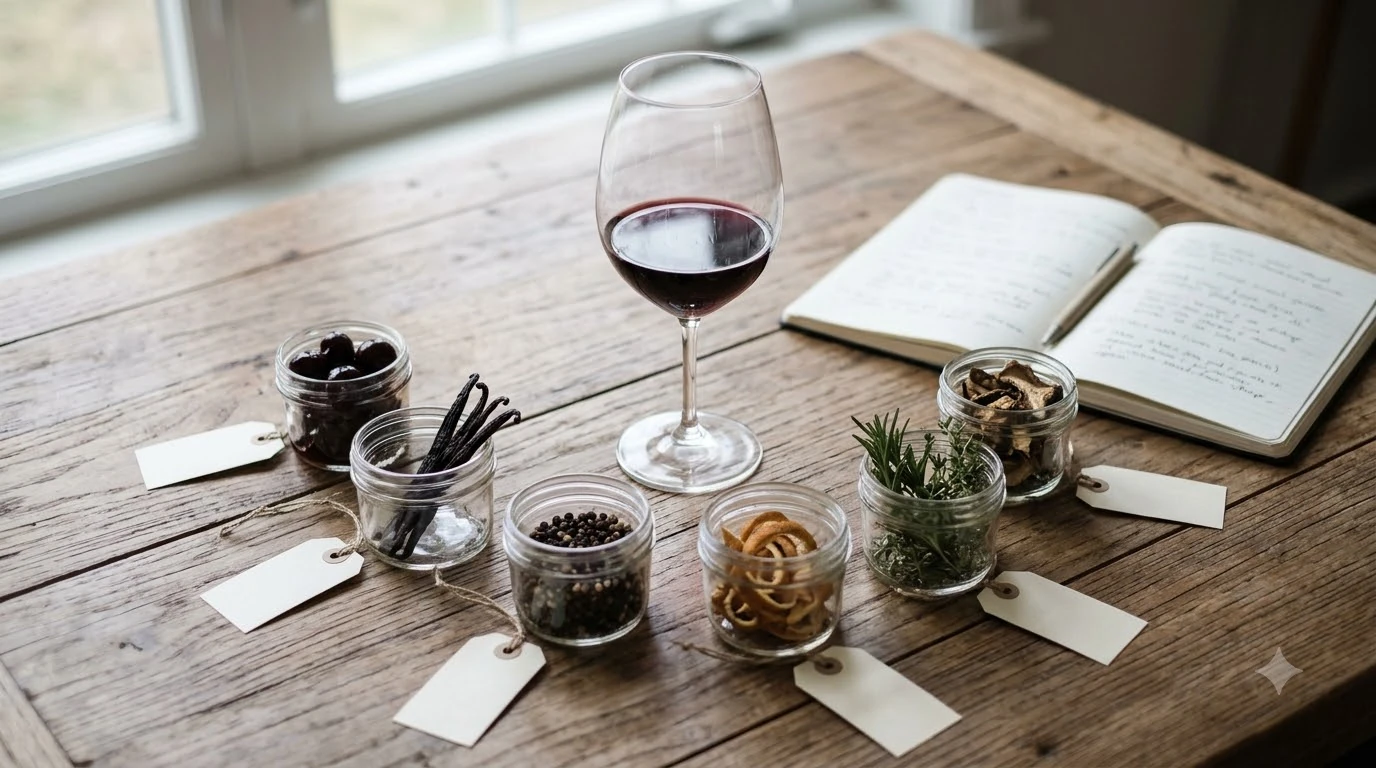
VinePair describes Sangiovese as defined by ripe and tart red fruit, particularly sour cherry, along with savory herbs such as fennel, rosemary and thyme. The same guide points to non-fruit notes of tomato, iron and balsamic, plus a distinct clay or dark rock minerality. When a tasting note mentions sour cherry, it usually reflects the grape’s natural acidity rather than sweetness.
Earthiness is the second pillar. Wine Enthusiast notes that under the right conditions, Sangiovese yields dark cherry, spice and earthy notes. A typical Chianti Classico might show dried herbs and bright berry, while a Brunello from a higher, cooler site will lean toward red fruit and florals. Both fit the same grape profile; they simply sit at different points on the fruit-to-earth scale.
For tasting practice, smell for cherry first, then check for herbs and a faint mineral note. If you can name a fresh herb like thyme or rosemary, you are reading Sangiovese correctly. Many tasters also pick up a tomato note in young wines, which is part of why the grape pairs so naturally with red sauce. Keep your expectations realistic: Sangiovese rarely smells of ripe jam, so a very sweet fruit profile is more likely a sign of a different style or a blend.
How Acidity and Tannin Shape Sangiovese
Acidity is the defining structural trait of Sangiovese, while tannin varies more with style and winemaking. Understanding both helps you predict how a bottle will feel in the mouth and what food it needs.
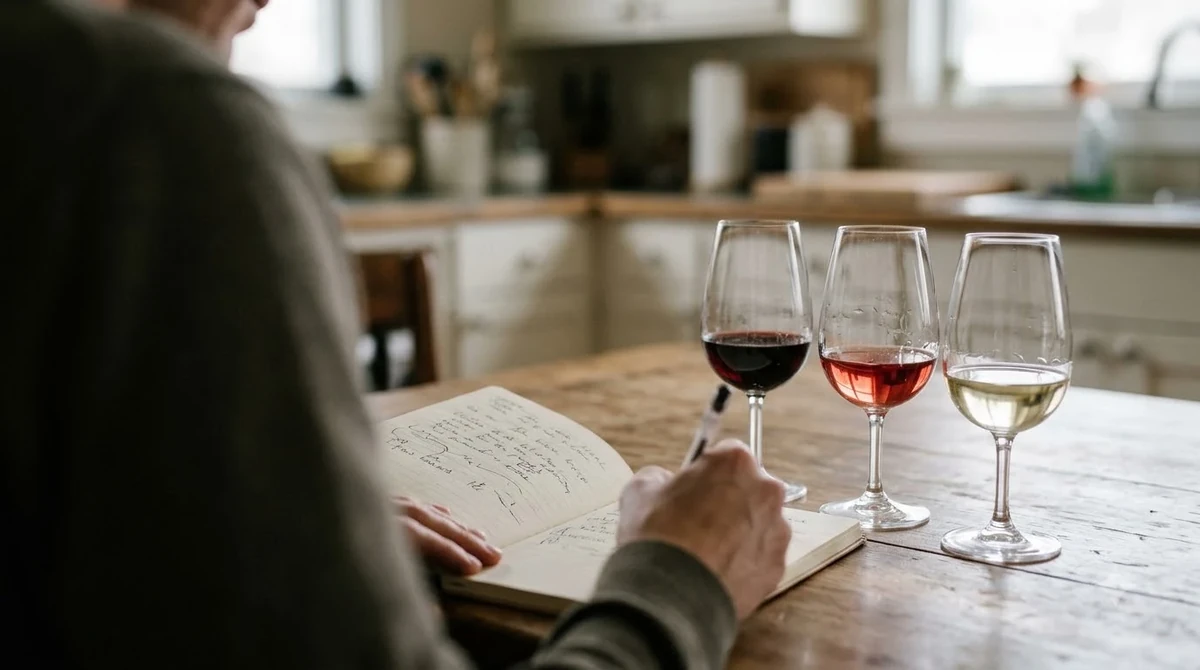
Sangiovese is known for its naturally high acidity, and that acid is what gives young wines their bright, juicy character. VinePair notes that the grape is always high in acidity, even when the body runs from medium to full. In the glass, that acidity shows up as a mouthwatering edge and a finish that invites another sip. It also explains why the wine seems lively even when the fruit is restrained.
Tannin is more variable. Brunello di Montalcino is the most tannic benchmark because it is made from thicker-skinned berries that produce bold fruit, high tannin and high acidity. Wine Folly describes young Brunello as having mouth-gripping tannins and a tart, astringent finish, which is why most reviews suggest holding it several years after release. Brunello must also age at least five years after harvest before it can be sold, and over that time the tannins soften into something smoother and more chocolatey.
For food, the working rule is simple: acidic food needs wine with equal or higher acidity, and salt and fat soften tannin. Tomato sauces, grilled sausages and aged cheeses all work because they match Sangiovese’s acid or tame its grip. Oily fish is the notable mismatch, since it clashes with tannic reds, so keep Sangiovese away from salmon and tuna. If you already enjoy the sharp lift of a dry white, our sancerre tasting notes guide shows how similar acidity works in a different grape.
Chianti Classico vs. Brunello di Montalcino: Two Benchmark Styles
Chianti Classico and Brunello di Montalcino are the two Sangiovese benchmarks most tasters compare, and the rules for each explain much of the difference in the glass.
Wine Enthusiast notes that Chianti Classico has a mandatory minimum of 80% Sangiovese under the production code, and an increasing number of producers use 100%. Brunello must be made with 100% Sangiovese, and its timing rules are stricter: it can be released only after five years from harvest, and Riserva after six. Both categories must spend at least two years in oak. The same source says Brunello generally has more tannic structure and greater longevity than Chianti Classico.
Geography adds another layer. Montalcino sits about 25 miles south of Siena and about 25 miles from the Tyrrhenian Sea, with a Mediterranean climate that brings warmer summers and drier weather. Its vineyards range from 320 to 2,165 feet above sea level. Chianti Classico covers eight municipalities between Florence and Siena and has a continental climate with numerous microclimates.
| Wine | Minimum Sangiovese | Minimum aging before release | Typical profile |
|---|---|---|---|
| Chianti Classico Annata | 80% | 12 months | Bright cherry, herbs, high acidity |
| Chianti Classico Riserva | 80% | 24 months | More structure, often oak-driven |
| Chianti Classico Gran Selezione | 80% | 30 months | Longest-aged Chianti Classico category |
| Vino Nobile di Montepulciano | 70% (Prugnolo Gentile) | 2 years (3 for Riserva) | Between Chianti Classico and Brunello |
| Brunello di Montalcino | 100% | 5 years after harvest (6 for Riserva) | Cherry, violet, high tannin and acidity |
| Rosso di Montalcino | 100% | 1 year | Younger, fruit-forward Brunello style |
Read the table as a shortcut. Chianti Classico Annata is the lightest and most immediate style, Riserva adds structure with its 24-month minimum, and Gran Selezione is the longest-aged Chianti Classico category at 30 months. Brunello sits at the top of the aging ladder. Vino Nobile di Montepulciano falls between the two benchmarks: VinePair says its wines range from easy-drinking and more complex than an average Chianti to rich, structured bottles closer to Brunello.
How Tuscany and Romagna Change Sangiovese Flavor
Sangiovese grows across central Italy, and the region can shift its fruit and structure noticeably. Tuscany and Romagna offer the clearest contrast for anyone learning the grape.
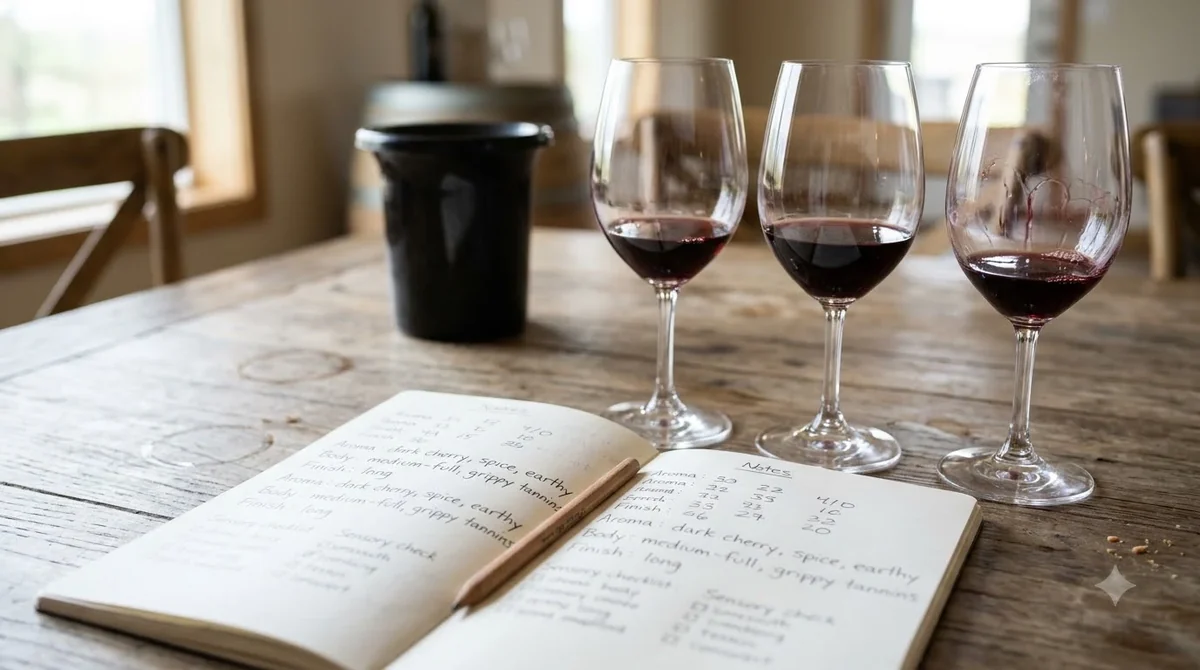
Romagna, in the southeastern part of Emilia-Romagna, is a historic Sangiovese stronghold. Sangiovese di Romagna must contain at least 85% Sangiovese, and wines from its 12 recently delimited subzones must reach 95%. Wine Enthusiast describes these wines as having chewy fruit, less acidity and rounder tannins than their Tuscan counterparts.
Tuscan Sangiovese, by comparison, usually shows more pronounced acidity and more tannin than its neighbor. Many of these wines carry the name of a specific zone or township, such as Chianti, Montepulciano or Montalcino. Outside Brunello, which must be 100% Sangiovese, Tuscan wines can be blended with other grapes, which is one reason the style varies so widely from bottle to bottle.
Montepulciano adds a local twist. Vino Nobile di Montepulciano uses Prugnolo Gentile, the local name for Sangiovese, and VinePair says the wines range from everyday to rich and structured. Further south on the Tuscan coast, Morellino di Scansano is the local name for the grape. Its wines are plush and juicy, with acidity softened by dark, drinkable cherry fruit, and they can be released six months after harvest. If you want to compare how a warm climate shapes a red’s fruit, our grenache tasting notes page is a useful next step.
Young Versus Aged Sangiovese: What Changes Over Time
Sangiovese changes more dramatically with age than many red grapes, moving from bright fruit and florals toward earth, leather and dried fruit.
Young Sangiovese, including Chianti, Rosso di Montalcino and Rosso di Montepulciano, is meant to be enjoyed early. Wine Enthusiast explains that these wines come from younger vines and are made in steel or aged briefly in neutral casks, which lets them show violet aromas, savory herbs and juicy red berry flavors. Their tangy acidity makes them very food-friendly.
Aged Sangiovese follows a different arc. Well-made bottles at 15 to 25 years show truffle, leather and pipe tobacco aromas, with dried cherry, spice and flinty minerality, and the tannins and acidity mellow into a smooth texture. Wine Folly describes an old Brunello of 10 years or more as trading fresh fruit for dried figs, candied cherries, hazelnuts and sun-baked leather.
Timing matters more than most people expect. Wine Enthusiast says most cellar-worthy Sangioveses are ready five to 10 years after release, or sooner, though the best will keep evolving for decades depending on the vintage. The grape’s older wines were once austere in youth, and better vineyard management has made modern releases more approachable early. A practical rule is to drink young Chianti within a few years and give a Brunello at least a decade before opening.
Tip: Serve young Sangiovese slightly cool, around 55 to 60 F, to keep the acidity lively and the fruit focused. Full-bodied Brunello and aged bottles do better at 60 to 65 F, where the tannin and aromatics open up.
Serving, Decanting and Food Pairings for Sangiovese
Serving Sangiovese well is mostly about timing and temperature, and the grape is one of the easiest reds to pair with everyday Italian food.
For aged bottles, Wine Enthusiast recommends opening them a few hours before pouring and skipping the decanter. The magazine compares decanting an aged wine to skipping the opening pages of a novel, which means losing the story the wine was building. Young, full-bodied Sangiovese is different: a decant of 30 to 60 minutes softens the tannins and lets the fruit show. Lighter Chianti-style wines can go straight from the bottle.
Pairing starts with acidity. Tomato-based dishes, from spaghetti al pomodoro and bolognese to pizza Margherita, are the classic match because Sangiovese’s acid meets the acid in the sauce. VinePair notes that Chianti pours well with tomato sauces, pizza and pasta, and it also stands up to grilled protein, long slow roasts and meaty burgers. Salty, assertive cheeses such as Pecorino, Parmesan and Romano cut through richness and refresh the palate for the next sip.
Steer away from oily fish, which clashes with tannic reds, and from very sweet desserts, since the wine should be at least as sweet as the dessert. For a dinner at home, a lightly chilled young Chianti with grilled vegetables and aged cheese is a dependable choice. Bistecca alla Fiorentina, a thick-cut grilled steak, is the classic Tuscan match for a more structured bottle, because the fat and salt soften its grip.
Frequently Asked Questions
Is Brunello a different grape from Sangiovese?
No. Brunello is a local Tuscan type of Sangiovese, and Wine Enthusiast notes that the vine is often called Sangiovese Grosso in Montalcino. The name refers to the wine’s place and the local clone, not to a separate variety.
Is Chianti the same thing as Sangiovese?
Not quite. Chianti refers to a region in Tuscany rather than a grape, according to VinePair. Many Chiantis are 100% Sangiovese, while others blend in small amounts of Cabernet, Merlot or Syrah to soften the grape’s bite.
How long does an opened bottle of Sangiovese keep?
Opened still wines generally keep three to five days in the refrigerator. Fortified wines last several weeks, so a sherry-style bottle will outlast a table red by a wide margin. Recork the bottle tightly before refrigerating it.
How many glasses are in a bottle of Sangiovese?
A standard 750 ml bottle holds about five glasses at a 5-ounce pour. For a table of six, plan on a bottle and a half, or a 1.5-liter magnum if you want a single bottle for the group.
Should I store Sangiovese on its side?
Yes. Store bottles on their side near 55 F so the cork stays moist and the wine ages evenly. Stable, cool storage matters most for Brunello held for a decade or more, since its acidity and tannin are what carry it through those years.
Sangiovese rewards patient tasting: start with a young Chianti, compare a Chianti Classico Riserva with a Brunello, and notice how the sour cherry gradually turns into leather and dried fruit. For broader context on the other grapes you can compare against, our Wine by Type hub covers the full range of styles.
More in Wine Types & Grapes
 Zinfandel Sugar Content: Dry Red vs. White Zinfandel GramsUpdated Nov 21, 2026
 Best Zinfandel Substitute Options for Sipping and CookingUpdated Nov 21, 2026
 Zweigelt Food Pairing: Best Dishes, Cheeses, and Serving TipsUpdated Nov 21, 2026
 Zinfandel Tannins Explained: How Structure Shapes Every BottleUpdated Nov 21, 2026
 Zinfandel Sweetness Level: Dry Red vs. Sweet White Zin ExplainedUpdated Nov 21, 2026
 Xinomavro Food Pairing: Best Dishes, Styles, and Serving TipsUpdated Nov 21, 2026