

We may earn a commission when you buy through links on this page, at no extra cost to you. Learn more.
Bogle Petite Sirah wine is a full-bodied, inky-purple California red wine produced by Bogle Family Vineyards from the Durif grape. First planted by the Bogle family in Clarksburg in 1968, this heritage bottling typically clocks in at 14.5 percent ABV and spends 12 months aging in American oak barrels. It delivers concentrated flavors of blackberry, boysenberry, cocoa, and black pepper framed by firm, velvety tannins.
While many American wine drinkers reach instinctively for Cabernet Sauvignon or Zinfandel when they want a big red, Petite Sirah offers an even deeper color and a remarkably plush texture. Bogle has championed this grape for more than five decades, turning what was once a little-known blending variety into one of California’s most recognizable single-varietal reds. Understanding how this wine is grown, vinified, and served helps explain why it stands apart on modern dinner tables.
What it is
Bogle Petite Sirah is a dry, single-varietal red table wine crafted by Bogle Family Vineyards, a multi-generational winery headquartered in Clarksburg, California. Because Petite Sirah has been part of the estate’s vineyards since its founding era in 1968, the winery treats it as its signature heritage red alongside its wider portfolio of Wine Brands.
Botanically, the grape behind the label is Durif, a natural cross between Syrah and the rare French Alpine variety Peloursin. French botanist François Durif discovered the seedling in his experimental nursery in Montpellier around 1880, and the grape eventually found its spiritual home in California. Despite the word “petite” in its name, there is nothing delicate about the resulting wine; the name actually refers to the unusually small size of the individual berries, which grow in tight, compact clusters on the vine.
Those small berries create a very high skin-to-juice ratio during fermentation. Because color pigments and tannins live inside grape skins, Petite Sirah naturally produces one of the darkest, most opaque wines in the world. According to Wine Folly’s guide to Petite Sirah, the grape is packed with anthocyanins—natural compounds that give the wine its unmistakable violet-black hue and contribute to its structured, age-worthy backbone.
Flavor and styles
In the glass, Bogle Petite Sirah leans toward a generous, fruit-forward California style balanced by savory oak spice and firm structural grip. Rather than feeling harsh or overly astringent, the winery’s house style emphasizes a silky, plush mid-palate that makes the wine approachable upon release.
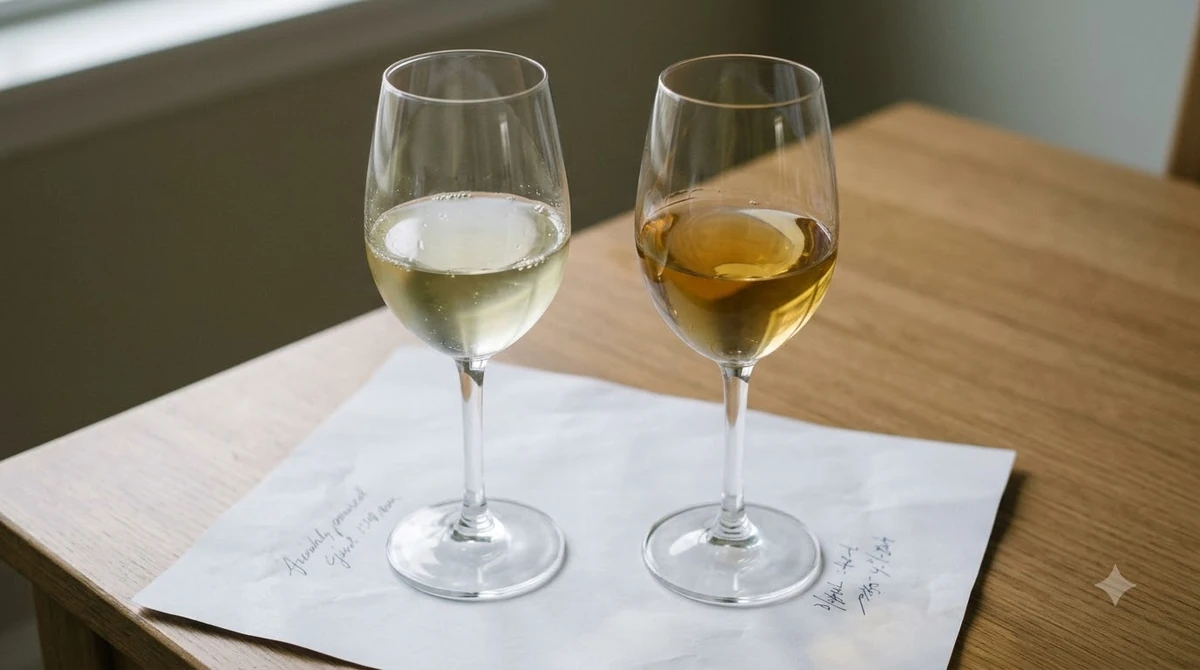
On the nose, drinkers typically encounter intense aromas of ripe blackberry, blueberry jam, and boysenberry layered over roasted coffee bean, cocoa powder, and dried florals like violet. As the wine opens up in the glass, secondary notes of cracked black pepper, sweet clove, and toasted vanilla emerge from the barrel aging. Reviewers at Wine Enthusiast have consistently noted these dark berry, sarsaparilla, cardamom, and toasty oak dimensions across recent vintages.
Winemaking plays a central role in taming the grape’s naturally assertive tannins. Bogle ages its Petite Sirah for 12 months in American oak barrels, a process that softens the edges of the wine while infusing subtle notes of brown sugar, vanilla cream, and smoky toast. With an alcohol by volume (ABV) around 14.5 percent in recent vintages—and occasional vintages sitting near 13.5 to 14 percent—the mouthfeel is rich and warming, finished by just enough natural acidity to keep the dark fruit from feeling heavy.
Where it grows
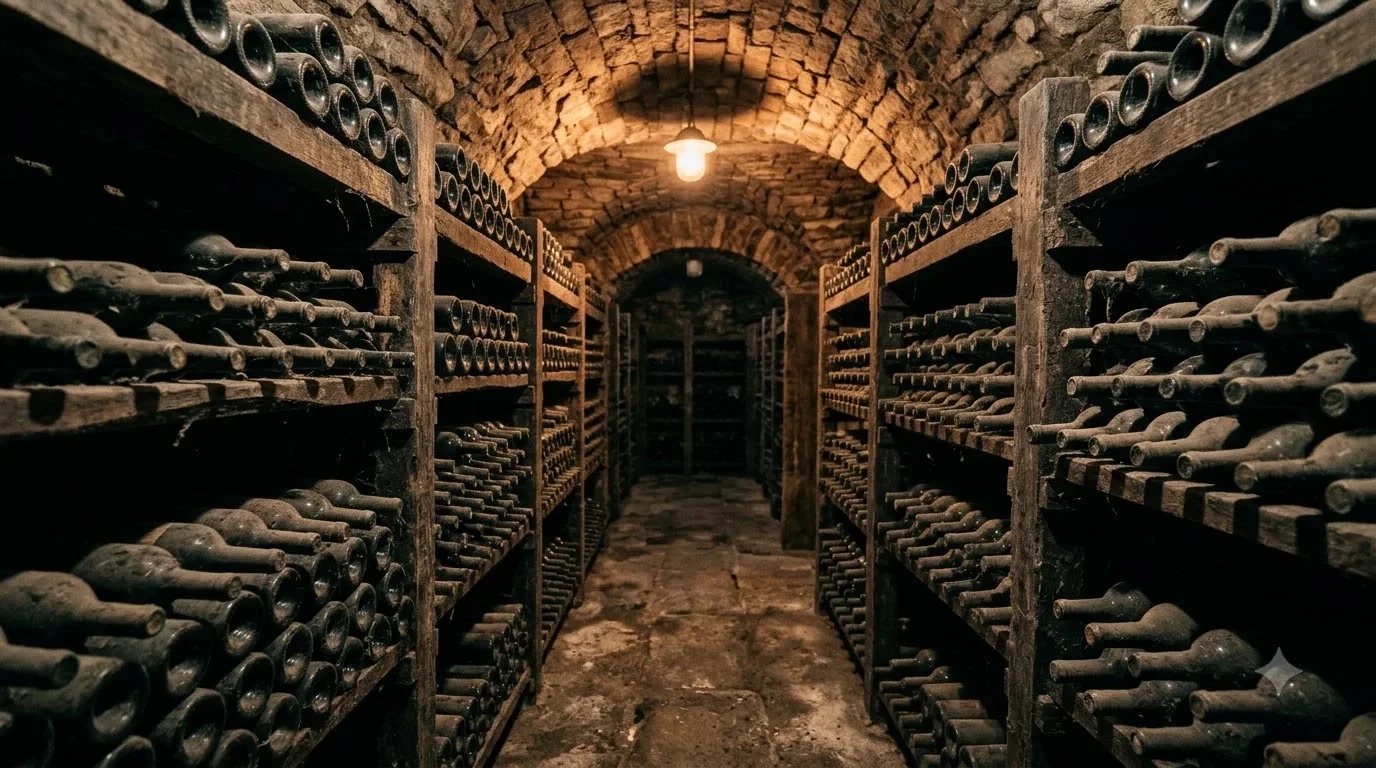
Bogle sources the fruit for its Petite Sirah from sustainably farmed vineyards across California, anchored by its historic home in the Clarksburg American Viticultural Area (AVA). Located in the Sacramento River Delta just south of Sacramento, Clarksburg provides a unique agricultural sweet spot for thick-skinned red grapes.
During the growing season, inland California sunshine allows Petite Sirah clusters to reach full phenolic ripeness, developing deep sugar levels and concentrated berry flavors. At the same time, cool evening breezes blowing inland from the San Francisco Bay through the Delta moderate nighttime temperatures. That diurnal temperature swing preserves natural acidity in the grapes, preventing the finished wine from tasting flabby or overly jammy.
Beyond its own estate blocks in Clarksburg, Bogle works with multi-generational partner growers in nearby Lodi and other prime California regions certified under the California Rules for Sustainable Winegrowing. While Bogle is equally well known for crisp bottlings like bogle white wine—which thrive in the same Delta-cooled microclimate—the warmer inland pockets of Clarksburg and Lodi give Petite Sirah the heat it needs to ripen its dense skins completely without green, bitter tannins.
How to serve
Serving Bogle Petite Sirah properly comes down to managing two things: temperature and oxygen exposure. Because this is a full-bodied, high-tannin red wine, serving it too warm will accentuate the alcohol, while pouring it straight from a newly opened bottle can mute its layered aromatics.
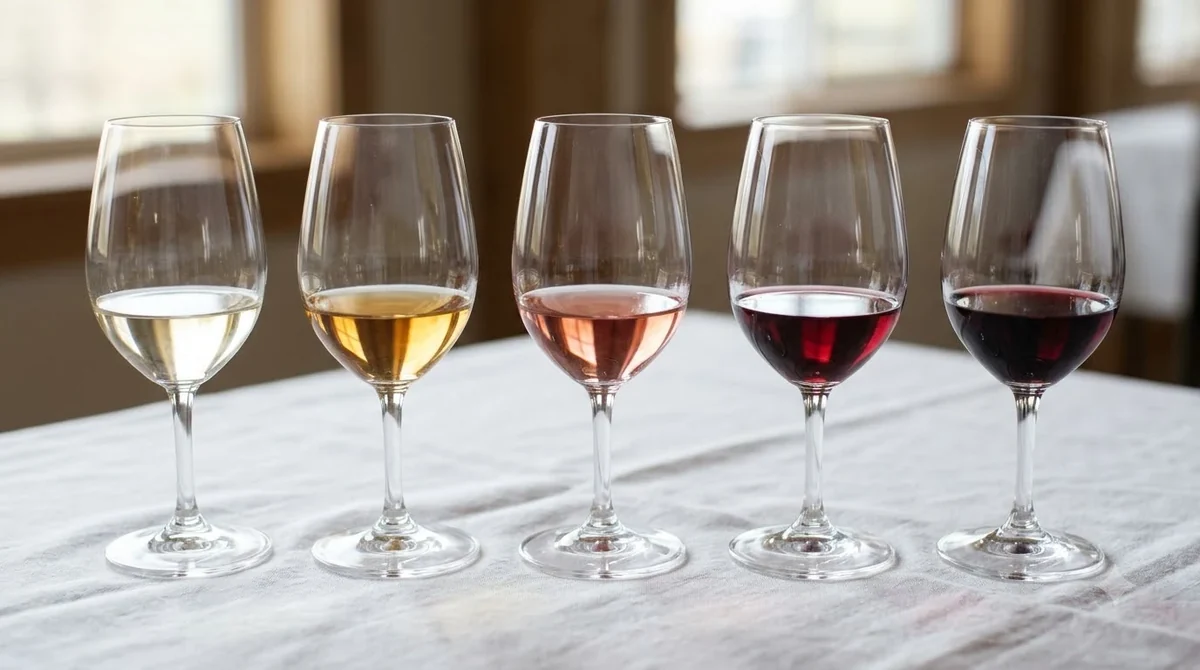
Aim to serve the wine slightly below standard room temperature, ideally between 60°F and 68°F (15°C to 20°C), with 65°F (18°C) acting as a sweet spot that highlights floral and mineral nuances alongside the dark fruit. If your kitchen or dining room sits above 70°F, placing the bottle in the refrigerator for 15 to 20 minutes before pouring brings it right into the optimal range. Use a large-bowled universal or Bordeaux-style red wine glass so the dense aromas have room to swirl and collect.
Giving the wine 30 to 60 minutes in a decanter before dinner allows oxygen to soften the youthful tannins and release the cocoa and spice notes beneath the primary berry fruit. If you do not finish the bottle in one sitting, push the cork back in firmly—or use a vacuum wine stopper—and store it in the refrigerator, where the cool air slows oxidation and keeps the wine fresh for three to five days.
Tip: Pour Bogle Petite Sirah carefully and rinse glasses promptly after dinner—its dense anthocyanin pigments can easily stain wooden tables, linen napkins, and porous countertops.
Food pairing
Bogle Petite Sirah demands equally bold, savory, or fatty dishes that can stand up to its dense tannins and concentrated dark fruit. In wine pairing chemistry, dietary fats and rich proteins bind with tannins on the palate, making the wine taste smoother while cutting through the richness of the meal.
Slow-cooked meats and backyard barbecue are natural companions. Braised beef short ribs, smoked lamb shoulder with rosemary, pulled pork, and grilled ribeye steaks all match the weight of the wine, while smoky barbecue rubs echo the American oak spice in the glass. Wine Folly’s Petite Sirah pairing notes also highlight rich umami dishes like beef stroganoff and complex sauces like Mexican pollo con mole, where bittersweet chocolate and warm spices mirror the wine’s cocoa and clove character.
For cheese boards and meatless meals, skip delicate fresh cheeses and reach for firm, aged, or pungent varieties such as aged cheddar, smoked Gouda, or creamy blue cheese. Hearty mushroom ragù over pappardelle, roasted eggplant with balsamic glaze, and lentil stews seasoned with black pepper and thyme provide the earthy depth needed to balance the wine’s plush fruit profile. Avoid overly sugary glazes or spicy-hot chili heat, both of which can make high-tannin reds taste bitter or fiery.
How to choose a bottle
When shopping for Bogle Petite Sirah, checking a few label details and comparing it against neighboring styles will help ensure you pick the right bottle for your table. Bogle bottles this wine every vintage under a natural cork closure in a standard 750ml format, carrying a California appellation designation.
First, check the vintage year on the front label. While Bogle Petite Sirah has enough structural tannin to age gracefully in a cool cellar for five to ten years, the winery crafts it to be expressive and balanced within two to five years of the harvest date. Look for recent releases if you want vibrant boysenberry and blueberry fruit, or pick up a bottle with three or four years of bottle age if you prefer softer tannins and deeper leather and espresso notes. Second, inspect the bottle neck and capsule for any signs of seepage or pushed corks, which indicate heat damage during transit.
| Wine Comparison | Bogle Petite Sirah | Cabernet Sauvignon (California) | Zinfandel (California) |
|---|---|---|---|
| Primary Grape | Petite Sirah (Durif) | Cabernet Sauvignon | Zinfandel |
| Color Intensity | Opaque, inky purple-black | Deep ruby to dark garnet | Medium-deep ruby |
| Core Fruit Notes | Blackberry, boysenberry, blueberry | Blackcurrant, black cherry, plum | Raspberry, blackberry jam, raisin |
| Tannin & Body | Full-bodied, high velvety tannins | Full-bodied, firm structured tannins | Medium-full to full, moderate tannins |
| Typical Aging | 12 months in American oak | 12–24 months in French or American oak | 10–16 months in American oak |
If you usually enjoy structured Italian reds like zenato wine or approachable California staples such as main and vine wine, Bogle Petite Sirah sits right in the sweet spot for drinkers who want maximum color and dark berry concentration without overwhelming dryness. Choosing between it and a classic California Cabernet comes down to texture: pick Cabernet for linear cassis and herbal structure, or reach for Bogle Petite Sirah when you want plush, jammy blue fruit and warm cocoa spice.
Frequently Asked Questions
Is Bogle Petite Sirah a sweet or dry red wine?
Bogle Petite Sirah is a fully dry red wine, meaning virtually all of the grape sugars are fermented into alcohol. Its ripe flavors of boysenberry, blueberry jam, and vanilla oak can create an impression of richness on the palate, but it contains no noticeable residual sweetness.
What is the difference between Petite Sirah and Syrah?
Petite Sirah (officially named Durif) and Syrah are two distinct grape varieties, though they are parent and offspring. Petite Sirah originated in France in the late 1800s as a natural cross between Syrah and Peloursin, resulting in smaller berries that produce darker, more tannic wines than standard Syrah.
Does Bogle Petite Sirah need to be decanted before drinking?
Decanting Bogle Petite Sirah for 30 to 60 minutes before serving is strongly recommended, especially for younger vintages. Exposure to air softens its dense tannins and allows secondary aromas of cocoa, black pepper, and toasted vanilla to open up.
How long can you age a bottle of Bogle Petite Sirah?
Bogle Petite Sirah is ready to drink upon release, though its high tannin and pigment levels allow it to cellar well for five to ten years when stored on its side in a cool, dark place around 55°F (13°C). Over time, the bold primary berry flavors gradually evolve into savory notes of dried fruit, leather, and spice.
Bogle Petite Sirah stands as a reliable benchmark for California’s signature dark-berried red, uniting five decades of Clarksburg farming heritage with crowd-pleasing oak polish. Whether paired with weekend barbecue or poured alongside aged cheeses on a quiet evening, it rewards anyone looking for depth, color, and bold fruit character in the glass.
More in Wine Brands
 Underwood Wine Price: Compare Bottles, Cans, and Pack SizesUpdated Nov 21, 2026
 Zenato Wine Price: Compare Styles and Choose the Right BottleUpdated Nov 21, 2026
 Zuccardi Wine Price: Compare Bottles and Find the Right RangeUpdated Nov 21, 2026
 Yellow Tail Moscato Review: Taste, Sweetness and Serving TipsUpdated Nov 21, 2026
 Wolf Blass Yellow Label Review: Choose Your Best StyleUpdated Nov 21, 2026
 Wolffer Estate Rose Review: Choose the Right Bottle for Your TableUpdated Nov 21, 2026