

We may earn a commission when you buy through links on this page, at no extra cost to you. Learn more.
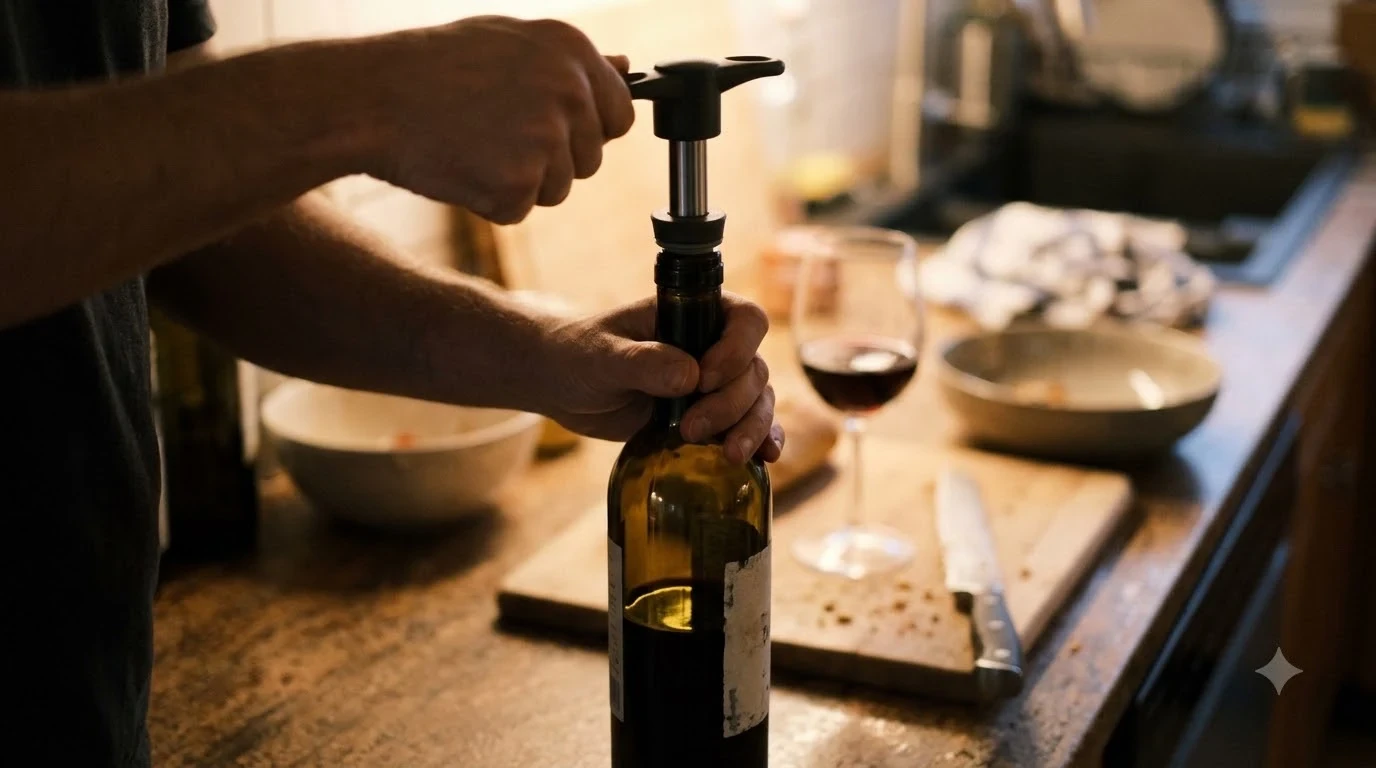
The best vacuum wine stopper is a sealing cap that pairs a tight-fitting plug with a hand pump or a built-in valve, so you can remove air from an opened bottle and slow the oxidation that makes wine taste flat. Vacuum stoppers do not restore a bottle to its opening state, and they do not replace refrigeration. They help the wine you have left taste fresher for a few extra days, which is the main reason people buy them.
Once a bottle is open, air begins to change the wine. The aromas fade, the fruit flattens, and the texture thins over time. A vacuum stopper tries to slow that process by reducing the air left in the neck and by sealing the bottle more firmly than a cork. This roundup explains how these stoppers work, which types suit which habits, and what to check before buying, so you can compare them on the same terms.
Quick Comparison of Vacuum Wine Stopper Types
Vacuum stoppers come in a few main forms. The differences lie in how air is removed, how easy the stopper is to use, and whether it fits the bottle sizes you drink. Use the table to match a type to your habits before you look at individual features.
| Type | How it removes air | Ease of use | Best fit |
|---|---|---|---|
| Hand-pump stopper | Manual pump draws air out of the bottle | Simple, needs a few strokes | Occasional drinkers with a few open bottles |
| Valve stopper | Valve lets air out as the cap goes on | Quick, no repeated pumping | Regular use, daily bottles |
| Gas-based preserver | Inert gas fills the space above the wine | Spray or dispense, then seal | Bottles kept for several days or a wine bar setting |
| Cork-style vacuum plug | Plug seals the neck; pump removes some air | Familiar, like a regular stopper | Shoppers who want a simple closure |
Best for Occasional Drinkers
A hand-pump stopper is the easiest place to start. You push the stopper into the neck, pump a few times to draw air out, and store the bottle upright or on its side. For someone who opens a bottle once or twice a week, a pump is enough to make a noticeable difference in the second and third day.
The main drawback is consistency. Pumping by hand means the amount of air removed depends on how many strokes you give it, so the seal can vary from one bottle to the next. Some pumps also have a gauge or markings that help you check the level.

- Pack
- 2 stoppers
- Material
- Food-grade silicone, ABS
- Size
- 1.96 x 3.14 inches
- Fits
- Most wine and champagne bottles
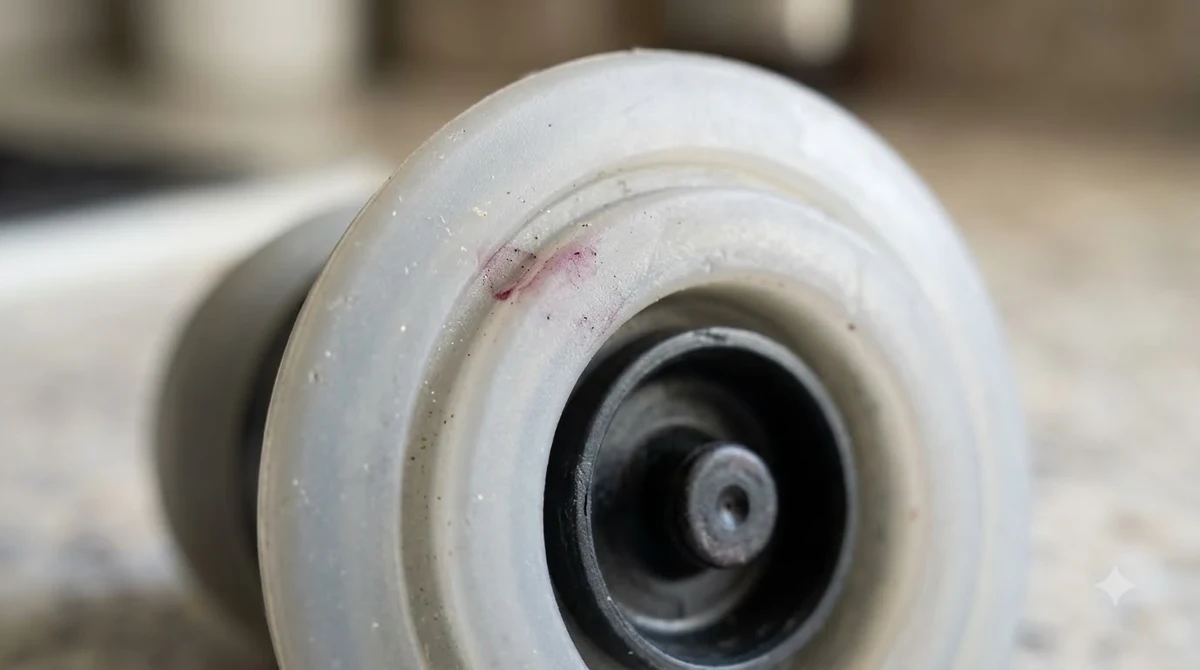
Two stoppers are plenty for anyone who finishes a bottle over a few evenings. Each one has a built-in pump: press it a few times and the air is sucked out of the bottle, which helps limit oxidation. The silicone seal fits most wine and champagne bottles, resists spills and leaks, and suits home, bar or hotel use.
Pros & ConsView
- Built-in pump needs no extra tool
- Food-grade silicone seal fits most bottles
- Two stoppers cover occasional use
- Only two stoppers in the pack
- Pumping by hand takes several strokes
Best for Daily Use with Quick Sealing
A valve stopper suits someone who opens wine most evenings. The cap fits the bottle, and a valve lets air escape as you press it down, so there is no repeated pumping. It is faster than a hand pump and easier to use when your hands are full.
Valve models usually need a firm, even seal to work. Check that the cap sits square on the bottle rim and that the valve is not clogged by wine. A quick rinse after use keeps the valve working as intended.

- Pack
- 2 stoppers
- Preserves
- Up to 15 days
- Operation
- One pump button
- Warranty
- Lifetime, 1,000 bottles
Daily drinkers will like how quickly this stopper seals. Pressing the large button a few times removes the air, and a date marker dial shows when the bottle was opened. The maker says it keeps wine fresh for up to 15 days and is built to seal at least 1,000 bottles, backed by a lifetime warranty.
Pros & ConsView
- One-button sealing is quick
- Date marker dial shows open date
- Lifetime warranty on the stoppers
- Two pieces serve only two open bottles
- Fifteen-day freshness is the maker's own claim
Best for Gas-Based Preservation
Gas-based preservers work on a different principle. Instead of pulling air out, they fill the space above the wine with an inert gas, which sits on the surface and reduces contact with oxygen. This approach is common in wine bars and tasting rooms, where bottles are opened and poured over several days.
The reason is oxidation. The Wikipedia entry on wine preservation notes that nitrogen gas can help prevent wine from oxidation and premature spoilage in dispensing systems. Home versions are less powerful than commercial systems, so the gain is usually a few extra days rather than weeks.
Gas preservers are a good fit for a serious collection or a small bar, but they add a canister to replace. Count the cost of refills against how often you open bottles before deciding.
Gas preservers also reward a little care in use. Spray or dispense the gas gently so it settles on the wine rather than being pushed out of the bottle, then seal the bottle promptly. Keep the canister upright and out of heat, and follow the maker’s instructions on how much gas each bottle needs, since too much can leave an odd taste if the wine is poured very slowly.
Best for a Simple Cork-Style Closure
Vacuum plugs that look like a regular cork are the easiest to live with. They sit in the neck like a stopper and use a small pump or valve to draw out some air. Because the shape is familiar, guests can close the bottle without a lesson.
The trade-off is the seal. A plug that is not perfectly matched to the bottle opening can leak air over time, so test the fit on a bottle you do not mind opening again. A plug that loosens within a day is a sign that the size is wrong.
Oxygen matters most for wine that has already been open for a while. Once a bottle is open, the wine keeps changing, which is why a good closure helps but does not stop the clock.
Before you rely on a plug, test it with a bottle you can afford to finish, and reseal it several times to see whether the fit holds up. Plugs that shift in the neck after handling are a sign to try a different size or design rather than pressing harder.
Storage habits matter as much as the closure itself. Keep the bottle upright if the closure is a cork-style plug, so the plug stays snug, and lay the bottle on its side only when the stopper is designed for that position. Note the date you opened the bottle on a label or in your phone, so you can judge freshness without relying on memory.

- Material
- TPE and PP, BPA-free
- Set Size
- 10 stoppers
- Freshness
- Up to 10 days with pump
- Care
- Dishwasher safe
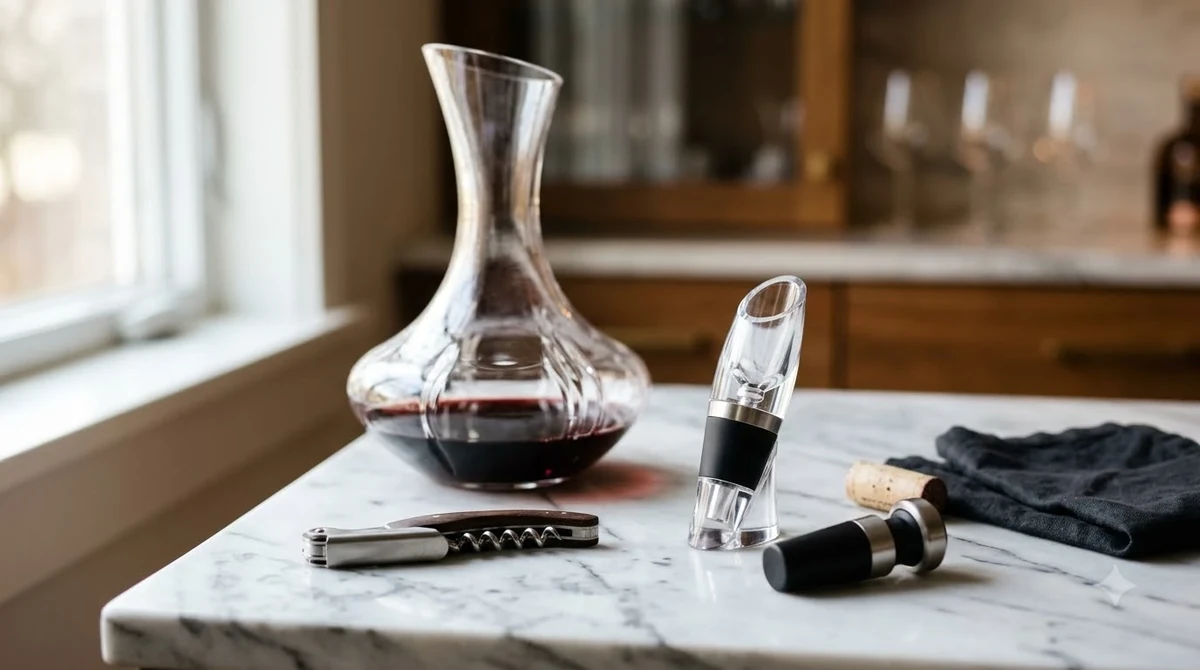
Made for stretching a bottle across the week, these stoppers work with the Wine Saver Pump, sold separately, to vacuum seal opened bottles and slow oxidation for up to 10 days. Ten reusable rubber stoppers cover a whole rack of everyday bottles and replace loose corks. Each one is dishwasher safe, so cleanup between bottles is quick.
Pros & ConsView
- Ten reusable stoppers in one pack
- Pairs with a pump for up to 10 days
- Dishwasher-safe TPE and PP, BPA-free
- Pump is sold separately
- Needs the pump to create a vacuum seal

- Pack
- 24 stoppers
- Material
- Silicone
- Size
- 1.3 x 1.3 inches
- Pump
- Not included
A big bulk pack for homes, restaurants, cafes and bars that go through stoppers quickly. These silicone closures are general sized, fit most wine bottles, and are designed to work with a vacuum pump (not included). Insert the stopper, pump until you hear a click, and the seal is set. Reusable and easy to replace.
Pros & ConsView
- 24 pieces cover many bottles
- General size fits most wine bottles
- Click signals the vacuum seal is set
- Pump is not included
- Small silicone pieces are easy to misplace
How to Use a Vacuum Wine Stopper
Using a vacuum stopper well is simple, but the details matter. Start with a clean, dry rim and a snug fit. Remove as much air as the stopper allows, then store the bottle in a cool, dark place. Reopen only when you are ready to pour, since each opening lets more air in.
- Seal soon. Close the bottle as soon as you finish pouring rather than leaving it open on the counter.
- Keep it cool. Cooler storage slows the chemical changes that affect flavor.
- Store it steady. Avoid placing the bottle near heat sources or in direct sunlight.
- Check the seal. If a stopper loosens or leaks, switch to a fresh cork or a new plug.
- Clean after use. A clean rim and valve keep the closure working properly.
Preservation methods cannot restore a wine that has already gone flat or sour. They are most useful for the first few days after opening, when the aroma and fruit are still close to their best.
Frequently Asked Questions
How long does a vacuum stopper keep wine fresh?
Results vary by wine, by the stopper, and by how much air is removed. Many people find a few extra days of freshness is realistic, and a gas preserver can do more. Treat any figure you see on a package as the maker’s claim, not a guarantee.
Do vacuum stoppers work on sparkling wine?
Sparkling wine needs a stopper designed for carbonation, since a standard vacuum cap may not hold the pressure. Look for a closure that is marketed specifically for sparkling bottles and check the sealing mechanism before buying.
Should an opened bottle go in the fridge?
Cooler storage slows the changes that affect flavor, so refrigerating an opened bottle is a common step, even with a vacuum stopper in place. Let red wine come back to a suitable serving temperature before pouring.
Is a vacuum stopper better than a regular cork?
A vacuum stopper removes some air and seals more firmly, so it usually does better than a loose cork. It does not stop oxidation entirely, so use it with good storage habits rather than as a replacement for them.
A vacuum wine stopper is a practical tool for a bottle you plan to finish within a few days. Choose the type that matches how often you open bottles, check the fit for your usual sizes, and keep the bottle cool. For broader options, compare the wine stopper choices, the champagne stopper options for sparkling bottles, and the wider Preservation & Stoppers section. To plan how long a bottle is likely to stay good, see how long does wine last after opening.
More in Preservation & Coravin
 Coravin Model Eleven Review: Preserve Wine Without Opening BottlesUpdated Nov 20, 2026
 Is Coravin Worth It? A Practical Guide to Its Real ValueUpdated Nov 20, 2026
 Coravin Timeless Six: Pour a Glass Without Opening the BottleUpdated Nov 20, 2026
 Coravin Pivot Plus Review: Keep Open Wine Fresh for WeeksUpdated Nov 20, 2026
 Coravin Screw Caps Review: Specs, Lifespan, and Real-World PreservationUpdated Nov 20, 2026
 Coravin Alternatives That Keep Open Wine Fresh LongerUpdated Nov 21, 2026