

We may earn a commission when you buy through links on this page, at no extra cost to you. Learn more.
Coravin screw caps are a worthwhile accessory for owners of needle-based Coravin Timeless systems who want to pour screw-top wines by the glass over several weeks without heavy oxidation. Built with a self-sealing silicone center and an internal cap liner, they solve the main limitation of needle preservers, which cannot pierce metal closures directly. While manufacturer specifications rate each cap for up to 50 to 75 punctures and three to six months of preservation, independent blind tastings show that real-world freshness depends heavily on storing bottles horizontally at cool temperatures.
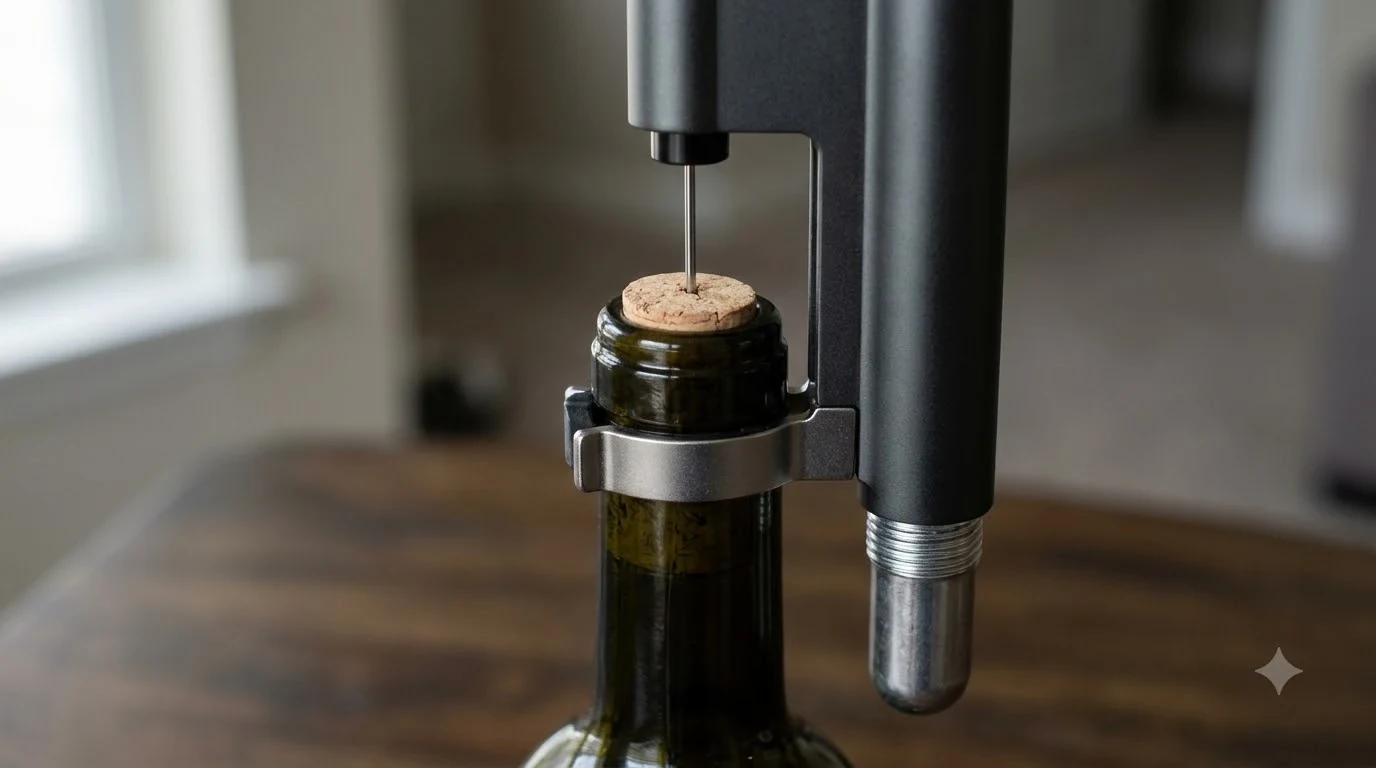
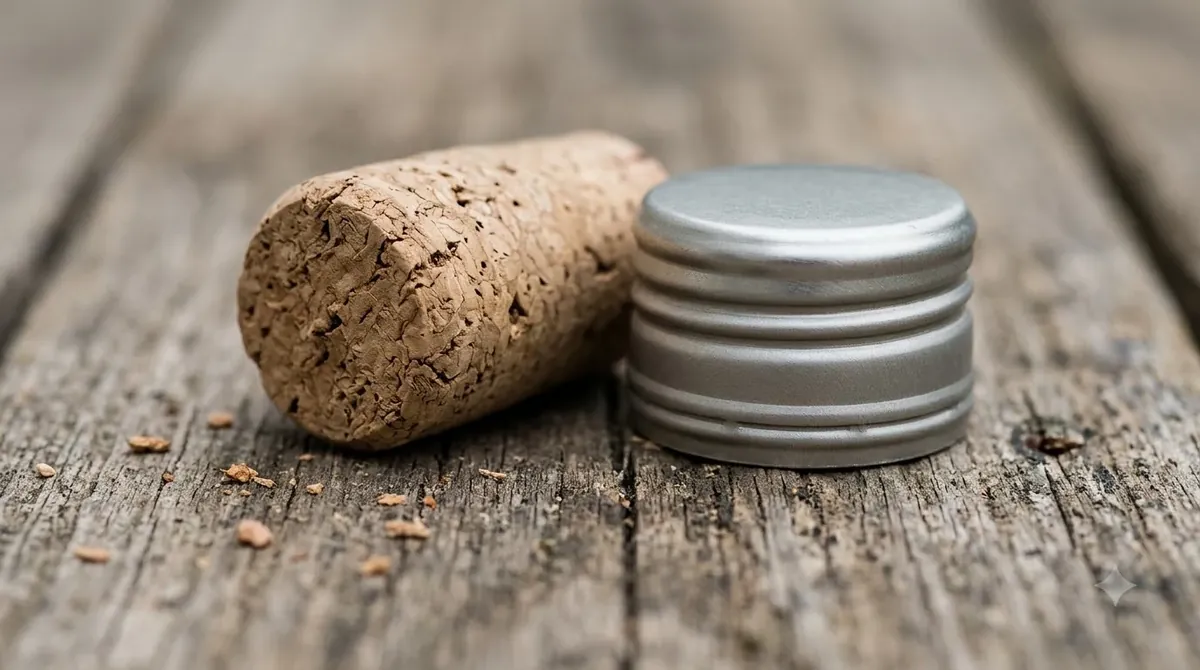
Natural cork expands back into place after a hollow needle withdraws, but aluminum screw caps tear permanently and synthetic stoppers stay open. Anyone who drinks New Zealand Sauvignon Blanc, Australian Shiraz, Austrian Riesling, or modern California Pinot Noir encounters twist-off closures regularly. Testing how well these replacement caps bridge that gap requires looking closely at their construction, insertion limits, storage rules, and everyday trade-offs.
Specs and Key Features
Coravin Timeless Screw Caps replace a bottle’s factory aluminum closure with a threaded cap housing a thick, self-sealing silicone core and an internal liner. Sold primarily in six-packs in Standard and Large diameters, they work exclusively with needle-driven Timeless units rather than Pivot or Sparkling models.
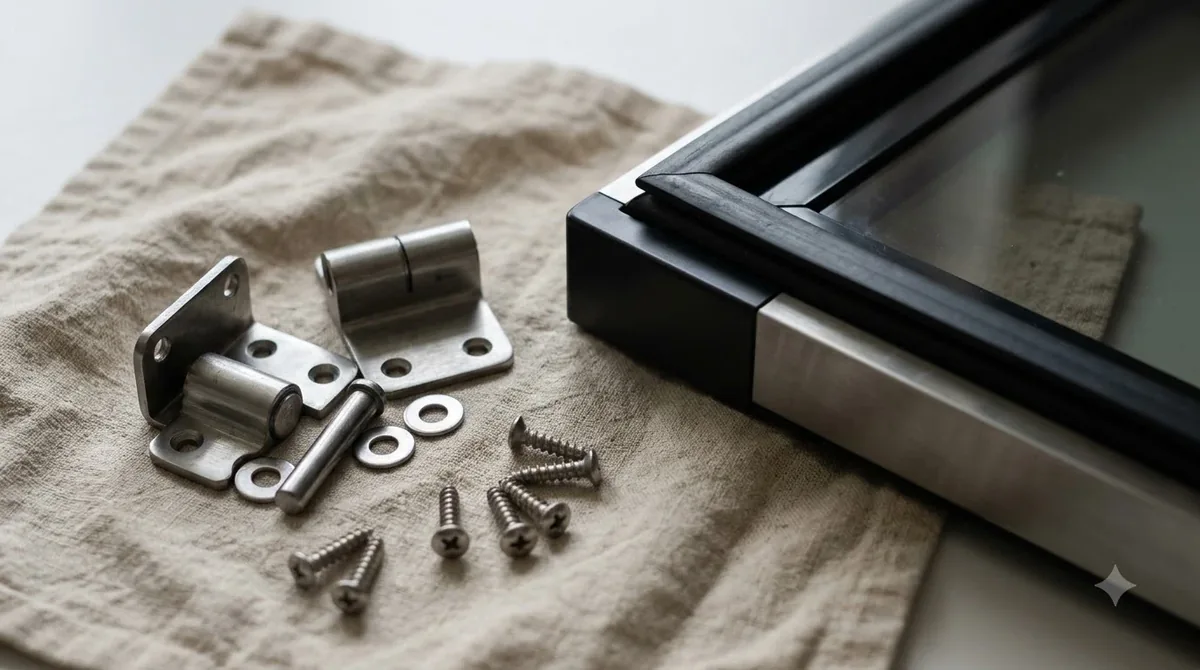
According to the Coravin product specifications, each cap relies on a specialized silicone center engineered to close tightly the moment the hollow stainless-steel needle exits. Because every Timeless device positions its needle slightly off-center, rotating the clamp or bottle slightly between pours ensures the needle pierces an untouched area of the silicone disk rather than widening a single hole. Retailer documentation notes that the Standard diameter threads onto roughly 98 percent of 750 ml screw-cap wine bottles, while a separate Large size accommodates wider-neck or larger-format bottles.
Manufacturer documentation lists two slightly different upper benchmarks depending on the support page consulted: the main US product listing cites up to 75 insertions and six months of preservation, whereas Coravin’s care FAQ and major retail listings cite up to 50 insertions and three months of protection. Assuming a standard 5-ounce pour—five glasses per 750 ml bottle—a conservative 50-puncture lifespan translates to roughly 10 full bottles per cap before the silicone loses elasticity. A six-pack therefore covers about 60 bottles, making the per-bottle accessory footprint modest once a household already owns a needle system.
| Specification | Coravin Timeless Screw Caps | Operational Detail |
|---|---|---|
| Pack Quantity | 6 caps per standard pack | Allows up to 6 screw-cap bottles preserved simultaneously |
| Available Sizes | Standard and Large | Standard fits approximately 98% of 750 ml screw-top necks |
| Core Materials | Self-sealing silicone center with threaded shell and liner | Reseals automatically after hollow needle extraction |
| Rated Punctures | 50 to 75 insertions per cap | Equal to roughly 10 to 15 standard 750 ml bottles (5 oz pours) |
| Claimed Preservation | Up to 3 to 6 months | Requires immediate swap and horizontal cool storage |
| System Compatibility | Coravin Timeless needle systems only | Incompatible with Coravin Pivot and Coravin Sparkling |
| Care Requirements | Hand rinse in warm water and air or pat dry | Not dishwasher safe; avoid detergents and submersion |
| Warranty and Trial | 1-year limited warranty and 30-day risk-free trial | Applies to purchases through authorized Coravin channels |
Compatibility boundaries are strict and worth verifying before ordering. Any needle-based Coravin model—such as the Timeless Three, Timeless Six, or earlier Model Two and Model Eleven units—clamps cleanly over the cap’s top lip and drives its needle straight through the silicone core. By contrast, the Coravin Pivot uses a wide plastic tube inserted through a flip-top stopper, and Coravin Sparkling locks onto high-pressure crown or mushroom closures, making these threaded silicone caps completely unusable on either platform.
What Owners Like
Wine drinkers and hospitality professionals praise these caps most for unlocking high-acid whites and cellar-worthy screw-top reds for by-the-glass drinking without committing to finishing a bottle in three nights. When installed immediately after twisting off the factory seal and stored on their side in a wine fridge, the caps keep aromatic wines crisp for weeks.
The biggest practical advantage is menu flexibility across closure types. Many benchmark producers in Marlborough, Clare Valley, Wachau, and Oregon bottle age-worthy Riesling, Sauvignon Blanc, Chardonnay, and Pinot Noir under Stelvin-style aluminum closures. Before these adapters existed, owners of a needle-based wine preservation system had to leave every screw-top bottle untouched until they were ready to finish all five glasses within three to five days. Swapping the factory metal cap for a silicone-core cap lets a household pour a single 5-ounce glass of crisp white wine on a Tuesday alongside seafood and return the bottle to the rack without rushing.
Sommeliers and home enthusiasts also value the immediate visual and tactile confirmation of the seal. With an aging natural cork, hidden channels or dry crumble can occasionally let argon escape without warning. A fresh Coravin screw cap screws down onto uniform glass threads with consistent torque, and the thick silicone plug grips the needle firmly during pouring. Reviewers note that when argon pressurizes the bottle properly, the pour stream flows smoothly and stops cleanly without the tiny wine droplets that sometimes seep through cold, stiff natural corks.
Tip: Unscrew the factory cap and twist on the Coravin screw cap in one smooth, immediate swap—never pour a glass from the open neck first. Leaving the bottle upright and open lets heavier oxygen sink into the headspace before argon ever enters the bottle.
Common Complaints
The most frequent criticism centers on oxidation during multi-month storage, especially when bottles stand upright or hold delicate white wines. Users also point out the brief air exposure during the initial cap swap and the inconvenience of hand-washing caps without soap.
Independent testing highlights a clear gap between peak manufacturer claims and real-world cellar performance. Master of Wine Bob Campbell ran controlled three-month blind tastings using Astrolabe Marlborough Sauvignon Blanc and found that bottles fitted with a Coravin screw cap and stored vertically at ambient office temperatures suffered noticeable fruit loss and oxidation at both the six-week and three-month marks, as documented in The Real Review’s three-month trial. Even under temperature-controlled storage at 57°F (14°C), Campbell concluded that while the accessory reliably preserves wine for several weeks in a refrigerator, relying on it for a full three months on mature or delicate white wines carries real flavor risk.
Two mechanical realities explain why performance trails natural cork over long timelines. First, unlike a corked bottle that remains sealed until the needle penetrates it, a screw-cap bottle must be twisted completely open for a second or two while you swap the metal lid for the Coravin cap. Even a brief swap introduces trace ambient oxygen into the bottle neck before the first argon purge occurs. Second, silicone is inherently more gas-permeable than dense natural cork bark, and if a bottle stands upright in a kitchen pantry or refrigerator door, dry silicone allows argon to diffuse outward and oxygen to creep inward much faster than when liquid wine wets the underside of the seal.
Maintenance quirks generate additional complaints among daily users. Manufacturer care instructions specify rinsing each cap thoroughly with warm water after finishing a bottle and patting it dry, while strictly prohibiting dishwashers, full water submersion, and dish soap. Red wine pigments and tartrate crystals can stain the underside of the liner if a bottle sits for a month, and users who accidentally wash the cap with scented detergent risk transferring soapy aromas into the next bottle’s headspace.
Who Should Buy and Who Should Skip
Coravin screw caps make the most sense for existing Timeless owners who regularly drink mid-priced to premium screw-cap wines one or two glasses at a time over two to six weeks. Casual drinkers who finish open bottles within a few days, or households that own a Pivot rather than a needle unit, should skip them.
Who Should Buy
- Existing Timeless system owners: Anyone who already owns a Timeless Three, Timeless Six, Model Two, or Model Eleven gains immediate access to twist-off bottles without buying a second preservation device.
- Store bottles horizontally at cellar or fridge temperatures: Coravin founder Greg Lambrecht notes that laying the bottle on its side keeps liquid wine in constant contact with the underside of the silicone core, preventing the elastomer from drying out and slowing argon permeation. Keep light reds near 55°F to 60°F, full-bodied reds near 60°F to 65°F, and whites chilled between 45°F and 55°F rather than standing bottles upright on a warm kitchen counter.
- Rotate the clamp between pours: Because Timeless needles enter slightly off-center, turning the bottle a quarter-turn before clamping distributes punctures across fresh silicone instead of enlarging one central channel over 50 insertions.
- Rinse with warm water only after finishing the bottle: Per Coravin’s care documentation, flush the cap under warm tap water to clear tartrates and pigment, then pat it dry with a lint-free towel. Avoid submerging the cap for prolonged soaking, using dish soap, or running it through a dishwasher, as detergents can degrade silicone elasticity and leave lingering scents.
How It Compares to Alternatives
Against competing preservation options, Coravin screw caps occupy a middle ground between short-term vacuum pumps and full natural-cork needle access. They outlast simple stoppers by several weeks while costing less per pour than owning a separate Coravin Pivot system solely for twist-off bottles.
The closest internal rival is the Coravin Pivot, which uses a wide-bore pouring tube pushed through a dedicated silicone stopper rather than a thin hollow needle. According to Coravin’s product guides and owner discussions on Wine Club Reviews, the Pivot fits both cork and screw-cap bottles natively and keeps wine fresh for up to four weeks, whereas Timeless screw caps extend preservation up to three to six months when paired with a needle unit. For someone who already owns a Timeless Three or Timeless Six, adding a six-pack of threaded silicone caps eliminates the need to buy and store a second preservation tool, even though the Pivot pours faster through its wider spout.
Basic vacuum pumps and inert gas sprays represent the low-tech end of the market. Rubber vacuum stoppers remove part of the air from an opened bottle, extending crispness for a few days in a refrigerator, while inert gas aerosol sprays blanket the wine surface briefly if undisturbed. Neither method matches the multi-week stability of an argon-pressurized Coravin screw cap, particularly for aromatic white grapes like Riesling and Sauvignon Blanc that lose floral intensity quickly once oxygen dissolves into the wine. Meanwhile, sparkling wines require high-pressure clamps rather than threaded caps; pressurized bubbly needs a dedicated champagne stopper or the Coravin Sparkling charger system to retain carbonation.
Setup, Storage, and Maintenance Best Practices
Getting the full lifespan out of Coravin screw caps depends on executing a fast initial cap swap, rotating needle entry points, and storing every bottle on its side. Skipping any of these steps accelerates gas loss and shortens the window of peak flavor.
Start with a clean, rapid closure swap before pouring a single drop. Hold the bottle upright on a stable counter, twist off the original aluminum cap, and immediately thread the Coravin screw cap onto the glass neck until it seats snugly without over-torquing. According to Wine Enthusiast’s Coravin usage guide, delaying the swap or pouring the first glass directly from the open neck lets heavier ambient air displace the protective headspace, forcing the argon capsule to work harder and leaving residual oxygen dissolved in the wine.
Once the cap is in place, follow three storage and cleaning habits to protect both the wine and the silicone:
Frequently Asked Questions
How many glasses of wine can one argon capsule pour when using Coravin screw caps?
According to Wine Enthusiast’s Coravin guide, a single pure argon capsule pours roughly 15 five-ounce (150 ml) glasses of wine, which equals three full 750 ml bottles. Because a screw-cap bottle must be twisted open briefly before installing the replacement cap, purging the initial headspace with a quick press of the trigger uses a tiny fraction of extra gas compared with piercing an unopened natural cork.
Why does Coravin make a Large size screw cap in addition to the Standard size?
According to Coravin’s product specifications, the Standard diameter fits approximately 98 percent of 750 ml screw-cap wine bottles, while the Large size fits the remaining 2 percent of bottles built with wider neck finishes or larger formats. Checking the neck diameter before ordering prevents loose threading, which would let pressurized argon escape around the glass rim.
Can you leave a Coravin screw cap on a bottle after removing the factory metal skirt?
Yes, the threaded plastic shell screws directly onto the glass threads underneath the breakaway aluminum skirt, which stays loosely around the bottle neck after twisting off the original cap. You do not need to cut or pry off the aluminum collar ring, though pushing it down slightly keeps it from catching on the Coravin clamp arms.
What happens if you accidentally pierce a factory metal screw cap without swapping it first?
Driving a Coravin needle directly through an aluminum Stelvin cap bends or clogs the hollow stainless-steel needle and punches a permanent hole that cannot reseal. Wine Enthusiast warns that neither metal screw tops nor synthetic plastic corks possess the elastic recovery required to close behind a needle, making replacement caps mandatory for twist-off closures.
Do Coravin screw caps change the serving temperature needed for red or white wines?
No, the silicone cap does not alter ideal serving temperatures, though cold temperatures slow oxidation inside any preserved bottle. Light whites and rosé still taste brightest at 45°F to 50°F, full-bodied whites at 50°F to 55°F, light reds at 55°F to 60°F, and full-bodied reds at 60°F to 65°F once poured into the glass.
Coravin screw caps successfully bridge the gap between needle-based argon preservation and modern twist-off wine bottles, provided expectations stay grounded in weeks rather than months. When swapped immediately, stored horizontally in a cool wine fridge, and rinsed cleanly between bottles, a single six-pack lets Timeless owners enjoy dozens of screw-cap reds and whites by the glass without rushing to empty the bottle.
More in Preservation & Coravin
 Coravin Model Eleven Review: Preserve Wine Without Opening BottlesUpdated Nov 20, 2026
 Is Coravin Worth It? A Practical Guide to Its Real ValueUpdated Nov 20, 2026
 Coravin Timeless Six: Pour a Glass Without Opening the BottleUpdated Nov 20, 2026
 Coravin Pivot Plus Review: Keep Open Wine Fresh for WeeksUpdated Nov 20, 2026
 Coravin Alternatives That Keep Open Wine Fresh LongerUpdated Nov 20, 2026
 Coravin Aerator Review: Get More Aroma From Every PourUpdated Nov 20, 2026