


We may earn a commission when you buy through links on this page, at no extra cost to you. Learn more.
Is coravin worth it? Yes, Coravin is worth considering if you regularly drink wine one glass at a time, collect premium bottles, or want to enjoy several wines without opening every bottle completely. Its needle-and-argon technology allows the Timeless system to pour wine through a natural cork while keeping the remaining wine protected from oxygen. However, replacement capsules, delicate components, and closure compatibility make it a less practical purchase for people who routinely finish bottles within a few days.
Coravin occupies a different category from an ordinary wine stopper. Rather than trying to preserve a bottle after opening it, its original Timeless technology allows wine to be poured without pulling the cork in the first place. That difference can be valuable for collectors, occasional drinkers, and anyone who wants to compare several bottles over multiple evenings. The important question is whether those advantages justify the additional equipment and ongoing maintenance for your drinking habits.
Specs and Key Features
Coravin is a wine preservation system designed to dispense individual glasses while limiting the wine’s exposure to oxygen. Its product range includes the Timeless, Pivot, and Sparkling systems, which use different approaches depending on the bottle closure and type of wine.
The most important distinction is between preserving an unopened bottle through its natural cork and preserving an already-opened bottle with a replacement stopper. Timeless uses the first approach, while Pivot uses the second. Sparkling has a separate design for maintaining carbonation.
| Feature | Timeless | Pivot | Sparkling |
|---|---|---|---|
| Wine type | Still wine | Still wine | Sparkling wine |
| Original cork removed | No | Yes | Yes |
| Preservation method | Needle and argon | Stopper and argon | Stopper and CO2 |
| Closure compatibility | Natural cork; screw-cap accessory available | Multiple closure types | Designed for sparkling bottles |
| Stated preservation period | Weeks, months, or years, depending on conditions | Up to 4 weeks | At least 4 weeks |
| Capsule capacity | Up to 15 five-ounce glasses | Up to 20 five-ounce glasses | Dedicated CO2 capsule |
| Best application | Premium bottles and occasional pours | Everyday opened wine | Preserving sparkling wine |
These figures and compatibility details follow Coravin’s published system information. The preservation periods are manufacturer claims rather than guarantees that every bottle will remain unchanged for the entire stated period. Cork condition, storage temperature, handling, and the number of times a bottle is accessed can all influence results. The manufacturer’s explanation of how Coravin systems work provides additional details about the three preservation methods and their intended uses.
The Timeless system is the most distinctive option because it does not require opening the bottle. A hollow needle passes through the cork, and argon gas pressurizes the bottle so wine can flow through the dispensing spout. Once the device is removed, the natural cork is expected to reseal.
Pivot takes a more straightforward approach. You remove the original cork or screw cap, immediately insert the Pivot Stopper, and use the dispensing device to pour. Because the bottle has already been opened, its preservation period is shorter. Nevertheless, the design accommodates wines that are unsuitable for the needle-based system.
Sparkling is a separate category rather than an interchangeable attachment for Timeless. It uses carbon dioxide to help retain the pressure and bubbles in an opened sparkling wine bottle. Anyone mainly interested in Champagne, Cava, or Prosecco should consider this dedicated system rather than assuming the ordinary Timeless device can perform the same job.
What Owners Like
The strongest reason people appreciate Coravin is the ability to enjoy a single glass without committing to the rest of the bottle. For households with different wine preferences, this changes how wine can be served and stored. Instead of choosing one bottle for everyone, two people can enjoy different varieties during the same evening and return to the remaining wine later.
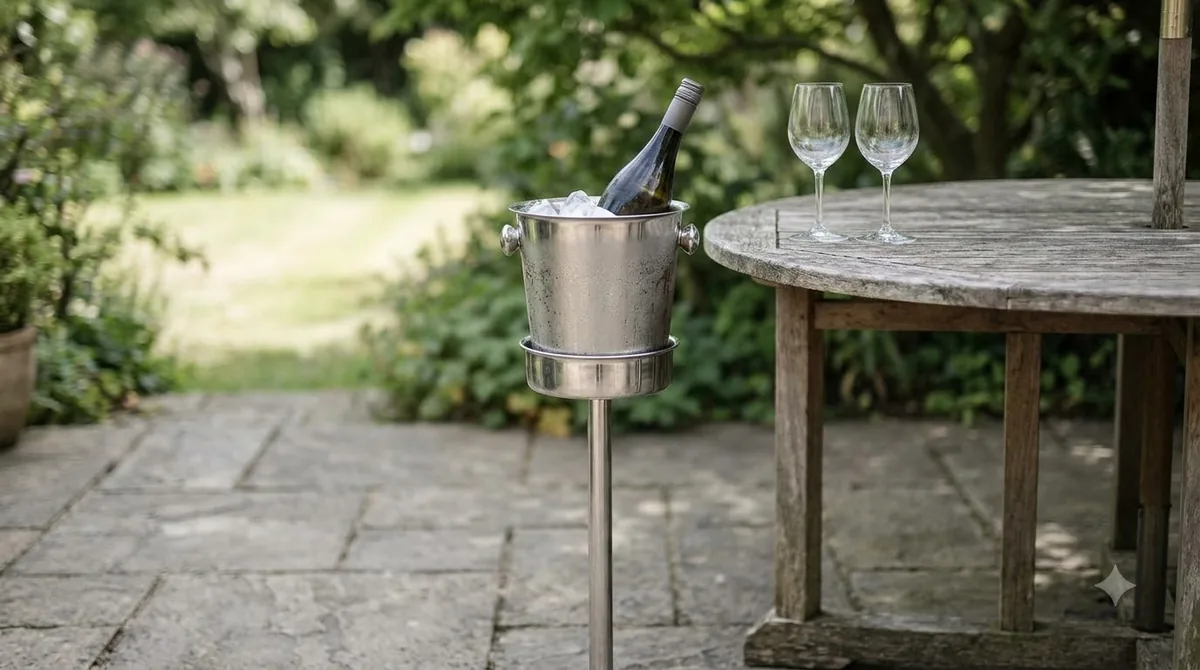
That flexibility is particularly useful for expensive or collectible wines. Someone with a cellar containing Bordeaux, Burgundy, Barolo, or Napa Valley Cabernet Sauvignon may want to follow how a wine develops without opening the entire bottle at once. A traditional corkscrew makes that difficult because the remaining wine immediately begins its post-opening preservation period.
The Spruce Eats review of the Timeless Six Plus highlights the convenience of sampling wine without pulling the cork and the possibility of reducing waste by avoiding the need to finish a bottle. The publication also identifies portability and relatively compact storage as advantages. Its continued recommendation reflects the usefulness of the system for people who regularly pour smaller quantities rather than treating wine as an occasional full-bottle purchase.
Another advantage is the ability to organize comparative tastings. For example, a wine enthusiast could pour a small serving of Pinot Noir, then Cabernet Sauvignon, and later return to the same bottles for another comparison. This is useful when learning how different producers, regions, and vintages behave with food.
It can also make food pairing more flexible. A bottle of Chardonnay could accompany one dinner, while a bottle of Sauvignon Blanc remains available for a different meal. Similarly, someone interested in comparing a young Syrah with a more mature bottle can sample both without opening two full bottles at once.
Coravin also makes portion control more convenient in a practical, non-medical sense. A traditional bottle contains approximately five standard five-ounce glasses. Someone who wants just one glass can pour that amount and leave the remainder protected rather than feeling obligated to finish the bottle within the next few days.
The system’s use of argon is another important attraction. Argon is an inert gas, meaning it does not readily react with the wine. Coravin uses it to occupy the space left by the poured wine and reduce oxygen exposure. This differs from vacuum pumps, which attempt to remove some air after a bottle has already been opened.
Owners who appreciate wine exploration may also value the convenience of tasting across several evenings. For example, a bottle of Rioja could be sampled with grilled lamb on one night and hard cheese on another. A white Burgundy could be revisited with seafood without needing to purchase a second bottle.
There is also a practical benefit for people who entertain guests with different preferences. A host can offer a glass of dry Riesling, Merlot, and Chardonnay without having to open three bottles and plan to finish all the leftovers immediately. The flexibility is especially attractive for smaller households.
These benefits explain why Coravin appeals beyond professional wine bars. The device is not simply about extending the life of a bottle. It changes the way someone can approach a wine collection, experiment with pairings, and choose what to drink on a particular evening.
Common Complaints
Coravin’s biggest disadvantages are its ongoing operating requirements, closure limitations, and the care needed when handling its needle. The preservation technology is useful, but it introduces additional steps and consumable components that ordinary wine stoppers do not require.

The first concern is the argon capsule. Coravin states that one capsule provides up to 15 five-ounce pours with Timeless and up to 20 five-ounce pours with Pivot. These are maximum manufacturer figures, not guaranteed results for every user. Bottle pressure, pouring technique, and repeated gas use can influence how many glasses a capsule actually provides.
People who pour many small samples may find themselves replacing capsules more frequently than expected. Someone who uses the device only once every few weeks may find this less inconvenient, but frequent users should factor consumables into the overall ownership decision.
The needle is another consideration. It is designed to pass through natural cork, but it is a precision component that needs careful handling. The Spruce Eats identifies needle fragility as a disadvantage, and the manufacturer recommends maintaining the equipment properly. A bent or damaged needle can interfere with pouring and require replacement.
There is also a learning curve. The bottle needs to be positioned correctly, the needle must enter smoothly, and the trigger should be operated according to the manufacturer’s instructions. A standard five-ounce pour can take approximately 25 to 29 seconds with the Standard Needle, which is slower than simply pouring from an opened bottle.
Closure compatibility is perhaps the most important limitation for buyers. Timeless relies on the resealing properties of natural cork. Synthetic corks and plastic closures do not necessarily reseal after needle penetration, making them unsuitable for the ordinary Timeless method.
Screw-cap bottles also require additional consideration. Coravin offers a dedicated screw-cap accessory designed for compatible Timeless systems. The accessory replaces the original cap before wine is dispensed. Pivot is another option because its replacement stopper accommodates different bottle closures.
Older bottles can present a separate challenge. Natural cork gradually loses elasticity, and a fragile cork may not reseal reliably after repeated needle insertions. This is particularly relevant for aged Bordeaux, older Burgundy, and other wines that have spent many years in the cellar.
Repeated access to one bottle should also be limited. Coravin’s official FAQ warns that multiple needle insertions can eventually damage the cork, suggesting that users consider replacing it after approximately 15 uses. Wine Enthusiast advises against accessing the same bottle more than approximately 25 times. These figures are practical cautions, not a reason to repeatedly puncture a questionable closure.
Finally, Coravin does not make wine immune to deterioration. Even when oxygen exposure is reduced, the condition of the original cork and the surrounding storage environment still matter. A bottle with a compromised closure, poor storage history, or pre-existing wine fault is not going to become perfect simply because a preservation device is attached.
The distinction between marketing expectations and realistic ownership is important. Timeless is designed for extended preservation, but the best approach is to monitor bottles, maintain appropriate cellar conditions, and avoid assuming that every wine will remain unchanged indefinitely.
Who Should Buy and Who Should Skip
Coravin makes the most sense for people whose drinking habits regularly create a mismatch between the amount of wine they want and the amount contained in a bottle. Collectors, curious wine drinkers, and people who enjoy comparative tastings are the strongest candidates.
Buy Coravin if you enjoy individual glasses
Consider Timeless if you frequently want one glass of wine from a bottle but do not want to open the remaining contents. This is particularly useful when you enjoy several different wines during a week but do not necessarily want to finish a full bottle every time you open one.
It is also a sensible choice for people who maintain a collection of natural-cork wines. If your cellar contains bottles from Bordeaux, Burgundy, Tuscany, or California, being able to sample individual wines without removing the cork can provide considerable flexibility.
People who host structured tastings can benefit as well. A tasting might include Cabernet Sauvignon, Pinot Noir, Syrah, and Merlot from different regions. Rather than opening every bottle completely, the host can dispense smaller portions and return to selected wines later.
Restaurants, wine educators, and wine professionals have an additional reason to consider the system. Serving several wines by the glass becomes easier when the remaining contents can be protected between individual servings. For these users, reducing opened-bottle waste can be more important than the convenience of the device itself.
Skip it if you usually finish bottles quickly
If you regularly finish a bottle over dinner or within the following day, a Coravin may offer little practical improvement. A traditional wine stopper followed by refrigeration is generally adequate for this drinking pattern.
The same applies to households that primarily buy inexpensive everyday wines and rarely want to preserve a bottle for more than three to five days. The additional device, gas capsules, and maintenance may provide less value than a simple stopper.
People who mainly drink synthetic-cork or screw-cap wines should consider Pivot before buying Timeless. The closure requirements are significant, and buying the wrong system can lead to unnecessary inconvenience.
Finally, skip the more complicated system if you prefer straightforward wine accessories. A corkscrew, reusable stopper, and refrigerator may be all you need. Coravin rewards people who use its special preservation method frequently, rather than those who simply want to close an opened bottle after dinner.
Tip: Before choosing a Coravin model, look at the last 10 bottles you purchased. If most were natural-cork wines that you wanted to enjoy over several weeks, Timeless may be worthwhile. If most were screw-cap or synthetic-cork bottles that you finished within a few days, Pivot or a conventional wine stopper is likely more practical.
How It Compares to Alternatives
Coravin is not automatically better than every other wine preservation method. Its advantage is that Timeless prevents the initial opening of the bottle, while conventional stoppers and pumps work after the cork has been removed. The right comparison depends on how long you want to preserve wine and how much equipment you are willing to maintain.
Coravin versus ordinary wine stoppers
A standard wine stopper is the simplest alternative. It closes the bottle after opening and helps limit additional exposure to air. It is inexpensive, easy to store, and compatible with most ordinary wine bottles.
However, a stopper cannot reverse the oxygen exposure that has already happened during opening and pouring. The wine will generally remain suitable for a few days rather than the extended periods associated with Timeless. A typical opened still wine can remain enjoyable for approximately three to five days when refrigerated and properly sealed.
For most households, this is sufficient. If a bottle of Merlot or Chardonnay is usually finished over two dinners, a conventional stopper may offer better value and less complexity.
For a closer look at conventional options, our guide to the best wine stoppers explains the different closure designs and their practical uses.
Coravin versus vacuum pumps
Vacuum pumps remove some air from an opened bottle before it is stored. They are more sophisticated than basic stoppers but still operate after the wine has been exposed to oxygen.
They can be useful for short-term storage, particularly when combined with refrigeration. However, they do not offer the same method of accessing a bottle without removing its original closure.
Vacuum preservation also requires a separate stopper for each bottle being stored. Coravin Timeless instead uses its needle and argon capsule to dispense wine while the original natural cork remains in place.
Coravin versus inert-gas sprays
Inert-gas preservation sprays are another alternative. These products introduce protective gas into an already-opened bottle before it is resealed. They are useful for people who want a simple way to reduce oxygen exposure without purchasing a dispensing device.
The main difference is convenience and control. A spray requires the bottle to be opened and handled after every serving, while Timeless allows wine to be poured through the cork. Neither approach should be treated as a guarantee of indefinite preservation.
Coravin versus Pivot
Choosing between Timeless and Pivot is more important than comparing Coravin with unrelated accessories. Both systems use argon, but they solve different problems.
Timeless is the stronger choice when preserving the original sealed bottle matters. Pivot is easier to use across different closure types and suits everyday wines that will be finished within several weeks. Coravin’s stated preservation period for Pivot is up to four weeks.
There is no need to purchase Timeless simply because it represents the more distinctive technology. If your favorite wines have synthetic corks or screw caps, Pivot may be the more sensible purchase.
Coravin versus sparkling wine stoppers
Ordinary sparkling wine stoppers use a mechanical seal to help retain pressure after a bottle has been opened. They are useful for Champagne, Cava, and Prosecco, but their results depend on the quality of the seal and storage conditions.
Coravin Sparkling uses dedicated CO2 cartridges and a specialized stopper. This system is intended to maintain the pressure and bubbles in opened sparkling wine for a longer period. It is a separate investment from Timeless and should only be considered if sparkling wine is a regular part of your drinking routine.
Our guide to the best champagne stoppers provides additional context if you mainly want to preserve leftover sparkling wine without purchasing a specialized dispensing system.
For a broader comparison of preservation technologies, see our best wine preservation systems guide. Readers interested in the brand’s wider equipment range can also explore the Coravin preservation equipment category.
How to Maintain and Use Coravin Properly
Good technique is essential for getting consistent results from a Coravin system. The equipment should be handled carefully, the correct closure method should be selected, and bottles should be stored under appropriate conditions after each pour.
For Timeless, begin by checking that the needle and argon capsule are correctly installed. Coravin recommends clearing air or residual wine from the system before dispensing. Align the device over the bottle neck and push down in one smooth motion rather than forcing the needle into the cork at an angle.
Next, tilt the bottle approximately 45 degrees toward the glass. Use short trigger presses as directed by the manufacturer to release argon and dispense the wine. Return the bottle upright to stop the flow, then remove the device with a steady upward movement.
Allow the cork to reseal before returning the bottle to horizontal storage. Wine Enthusiast recommends allowing additional time for older or chilled corks, which may reseal more slowly. This is particularly important with older bottles that have fragile natural closures.
Store the bottle in a cool, dark environment. A temperature near 55 degrees Fahrenheit is a commonly used wine-storage target, although consistency is more important than repeatedly moving the bottle between different temperatures. Avoid direct sunlight and unnecessary temperature fluctuations.
With Pivot, the process is different. Remove the original closure and insert the dedicated stopper immediately. Make sure the bottle neck and stopper are clean and dry, then attach the dispensing device. Close the stopper after each serving and store the bottle appropriately.
Needle care deserves particular attention. Wipe away wine residue, avoid bending the needle, and store the device where it will not be knocked over or damaged. Coravin reports that its needles are designed to last well over 500 uses on average, although actual life depends on handling and cork conditions.
Capsule use should also be monitored. If the device does not dispense wine normally, check whether the capsule has gas remaining and whether the needle is clean. A slow pour does not necessarily mean the wine itself has a problem.
For older wines, inspect the cork condition before using Timeless. A cork that is loose, brittle, or visibly compromised may not provide a reliable seal. Such a bottle is often better opened and enjoyed rather than subjected to repeated needle access.
Finally, remember that preservation is not the same as improving wine. Coravin helps protect wine against oxidation, but it does not replace proper cellar storage, restore a faulty bottle, or make a wine immune to aging. Good storage habits remain essential whether you use a specialized preservation system or an ordinary stopper.
Frequently Asked Questions
Can Coravin be used on a magnum bottle?
Wine Enthusiast states that Coravin systems are designed for standard bottles and are not recommended for bottles larger than a standard magnum. Some users may report success with larger formats, but that does not establish manufacturer compatibility. Check the specific device’s instructions before attempting to use an oversized bottle.
Can you travel by airplane with Coravin capsules?
Wine Enthusiast’s Coravin FAQ states that gas capsules are not permitted on domestic or international flights, whether in carry-on or checked baggage. This restriction is separate from the device itself. Travelers should arrange to obtain compatible capsules at their destination rather than packing them for a flight.
Can Coravin be used repeatedly on the same bottle every week?
Repeated use is possible with a suitable natural cork, but the number of insertions should be limited. Wine Enthusiast advises against exceeding approximately 25 accesses on one bottle, while Coravin highlights the possibility of cork damage after approximately 15 uses. The actual condition of the cork matters more than simply counting calendar weeks.
Does Coravin require electricity?
Traditional manual Timeless systems operate using a gas capsule rather than requiring a wall power connection. The Coravin Timeless Eleven is a different, electronically assisted model that uses a rechargeable battery. Buyers should distinguish between manual and electronic versions before choosing accessories or planning maintenance.
Can Coravin be used with a half bottle?
Wine Enthusiast identifies split bottles as the smallest bottle format compatible with Coravin systems. A half bottle generally contains 375 ml, compared with 750 ml in a standard bottle. This makes smaller formats useful for individual servings, provided the bottle neck and closure are compatible with the selected system.
Coravin is a worthwhile wine accessory for people who regularly sample premium bottles, enjoy one glass at a time, or want to keep a varied wine collection available without opening everything at once. Timeless offers the most distinctive preservation method, while Pivot is more practical for everyday wines and Sparkling serves a separate purpose for bubbly. If your bottles are usually finished within a few days, a conventional stopper and refrigerator are likely sufficient; if you frequently return to natural-cork wines over several weeks, Coravin deserves serious consideration.
More in Preservation & Coravin
 Coravin Model Eleven Review: Preserve Wine Without Opening BottlesUpdated Nov 20, 2026
 Coravin Timeless Six: Pour a Glass Without Opening the BottleUpdated Nov 20, 2026
 Coravin Pivot Plus Review: Keep Open Wine Fresh for WeeksUpdated Nov 20, 2026
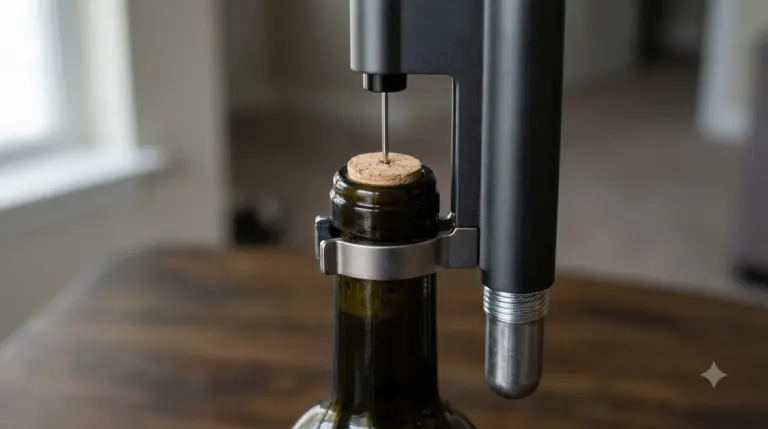 Coravin Screw Caps Review: Specs, Lifespan, and Real-World PreservationUpdated Nov 20, 2026
 Coravin Alternatives That Keep Open Wine Fresh LongerUpdated Nov 20, 2026
 Coravin Aerator Review: Get More Aroma From Every PourUpdated Nov 20, 2026