


We may earn a commission when you buy through links on this page, at no extra cost to you. Learn more.
Coravin argon capsules are genuine replacement gas cartridges designed to power compatible Coravin wine preservation systems while protecting still wine from oxidation. Each capsule contains 6.5 grams of argon and provides approximately 15 five-ounce glasses with a Timeless system or 20 with a Pivot system. They are a practical recurring purchase for wine drinkers who want to pour individual glasses without removing a natural cork, but compatibility, gas consumption, and proper handling matter before buying refills.
A Coravin system relies on more than its needle, stopper, or pouring mechanism. Its pressurized argon supply makes it possible to dispense wine while limiting the amount of oxygen entering the bottle. That makes replacement capsules an important part of the ownership experience, especially for people who regularly open expensive bottles over several weeks or months. Understanding the differences between Timeless and Pivot consumption, recognizing the correct capsule type, and following storage instructions can help prevent unnecessary waste and disappointing pours.
Specs and Key Features of Coravin Argon Capsules
Coravin Pure Argon Capsules are proprietary gas cartridges designed for compatible still-wine preservation systems. Their main purpose is to provide the pressure needed to dispense wine while replacing the volume removed from the bottle with inert argon gas.
Each genuine Pure Capsule contains 6.5 grams of argon, equivalent to approximately 0.23 ounces of gas. Coravin specifies this gas as argon rather than ordinary compressed air. Argon is chemically inert, meaning it does not readily react with wine or introduce the flavor changes associated with unwanted oxidation.
The distinction between capsule capacity and actual wine poured is important. A cartridge does not guarantee the same number of glasses in every situation. The system model, serving size, pouring technique, bottle level, and pressure lost during installation can all affect how far one capsule goes.
| Specification | Coravin Pure Argon Capsule |
|---|---|
| Gas type | Pure argon |
| Gas weight | 6.5 grams |
| Gas weight in ounces | 0.23 ounces |
| Timeless capacity | Approximately 15 glasses |
| Pivot capacity | Approximately 20 glasses |
| Standard serving reference | 5 ounces or 150 ml |
| Primary application | Still wine preservation |
| Storage temperature | -22°F to 149°F |
| Material | Steel and other capsule components |
The capacity figures are Coravin’s approximate manufacturer specifications, not guaranteed results for every user. A person pouring small tasting portions will generally use less gas per serving than someone dispensing a full glass. Similarly, a bottle that is nearly empty can require more gas to dispense its remaining wine.
Another important specification is compatibility. Coravin Pure Argon Capsules are designed for the company’s compatible Timeless and Pivot systems. They should not be confused with the separate CO2 cartridges used by Coravin Sparkling. These products have different functions, gas contents, and equipment requirements.
For the manufacturer’s specifications, see the Coravin official capsule and system FAQs, which explain the different capacities and intended applications.
What Owners Like About the Preservation System
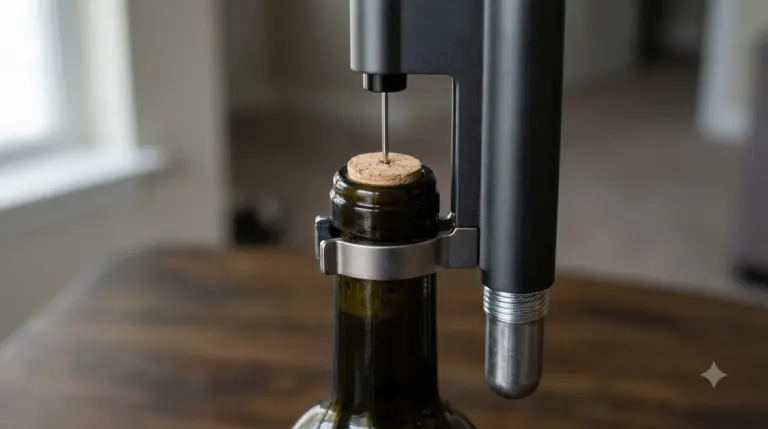
The biggest advantage of Coravin argon capsules is that they support wine preservation without requiring the traditional opening process. A Timeless system passes a thin needle through a natural cork, allowing wine to flow out while the cork remains in place.
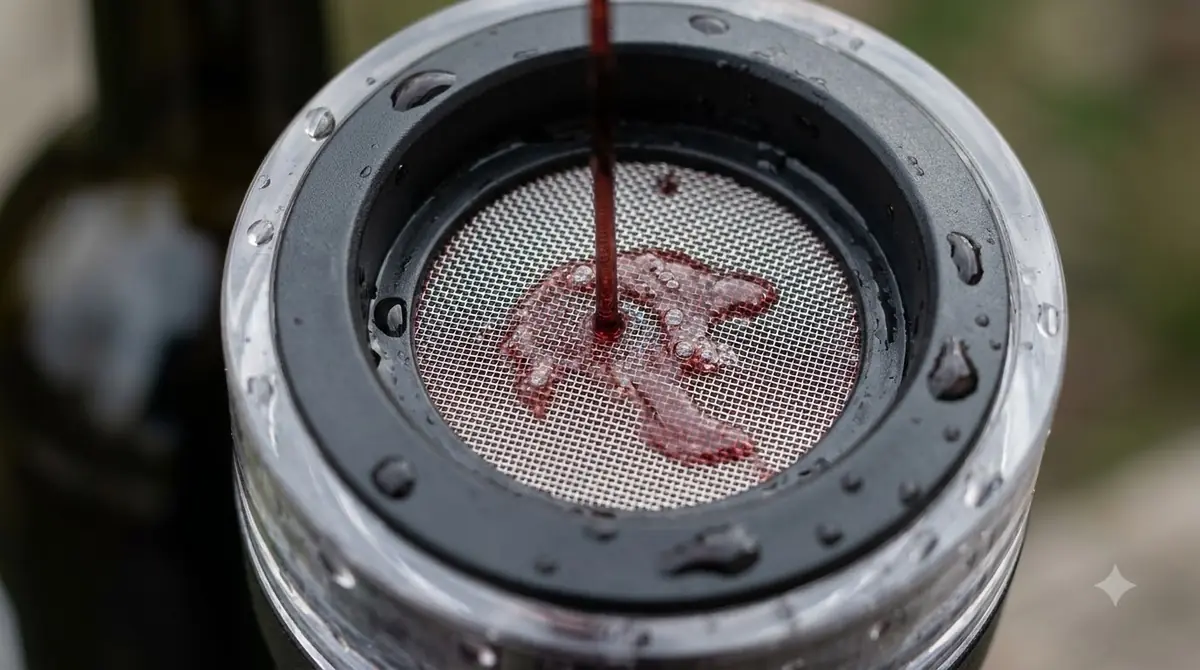
This arrangement is useful for households that enjoy different wines throughout the week rather than finishing every bottle at dinner. Someone might pour a small glass of Cabernet Sauvignon on Monday, a glass of Chardonnay on Wednesday, and another serving of the Cabernet on Friday. The preservation system allows that flexibility without requiring a separate stopper after each use.
Argon is central to the process. According to FIVS, an organization providing information about substances and practices used in winemaking, argon is inert and can displace oxygen-containing air from the headspace of a storage vessel. It is also colorless, odorless, and flavorless. These properties explain why argon is used in professional winemaking and bottle-preservation applications.
For wine drinkers, the practical benefit is reduced exposure to oxygen. Oxygen can gradually change a wine’s aromas, color, and flavor. Minimizing unnecessary exposure is particularly useful when preserving delicate Pinot Noir, aromatic Riesling, or premium white Burgundy that might otherwise be consumed over several days.
Convenience for occasional pouring
Owners who regularly drink different wines may appreciate the freedom to pour without committing to a whole bottle. A single 750 ml bottle contains approximately five standard 5-ounce servings, so a Timeless capsule rated for around 15 glasses represents roughly three bottle-equivalents of standard servings. A Pivot capsule rated for 20 glasses represents roughly four.
Those figures are theoretical comparisons based on the manufacturer’s stated capacity. Actual results depend on how efficiently the device uses gas. Nevertheless, they provide a useful starting point when estimating how frequently replacement capsules will be needed.
Compatibility within the intended product family
Another advantage is that Coravin Pure Argon Capsules support multiple compatible still-wine systems. People who already own an eligible Timeless or Pivot model do not need to purchase a different type of argon cartridge simply because they use a different system in that product family.
This makes replenishment relatively straightforward, provided the buyer distinguishes the Pure Argon product from Coravin’s dedicated Sparkling capsules. Buyers can also compare an argon wine preserver with conventional bottle-sealing equipment to understand whether they actually need a pressurized preservation system.
For households that drink one bottle at a time and rarely save unfinished wine, the benefits may be less significant. The system makes more sense when preserving multiple bottles and sampling wine in smaller portions are regular habits.
Common Complaints and Practical Limitations
The main drawbacks of Coravin argon capsules involve recurring consumption, proprietary compatibility, and the learning curve associated with pressurized wine dispensing. The capsules are not universal gas cartridges, and users must account for the ongoing supply required by their system.

The first limitation is the difference between advertised capacity and actual usage. Coravin gives an approximate figure of 15 glasses for Timeless and 20 glasses for Pivot, but those numbers can be difficult to reproduce if the user presses the trigger for too long or loses gas during installation.
Pouring a glass near the bottom of a bottle also requires more gas than dispensing wine from a nearly full bottle. This can make the final serving relatively expensive in capsule consumption compared with the first few glasses.
Proprietary cartridge requirements
Some buyers may be disappointed that ordinary argon cartridges are not an acceptable substitute. Even if another cartridge contains argon, that does not establish that it has the correct dimensions, pressure characteristics, seals, or gas purity for a Coravin system.
Coravin explicitly warns against third-party capsules. The company identifies possible safety problems, unreliable performance, and warranty consequences associated with unauthorized cartridges. Using an apparently similar replacement is therefore not a sensible way to reduce the ongoing cost of ownership.
This limitation is especially important for people who already have experience with other wine-preservation equipment. A separate argon dispenser or gas cartridge may use the same basic preservation principle but still be incompatible with Coravin’s dedicated capsule connection.
Installation and gas waste
Another complaint can involve gas disappearing faster than expected. An improperly tightened capsule cup may allow gas to escape, while unnecessary trigger presses can consume argon without delivering additional wine.
Coravin’s instructions emphasize a proper seal when installing the capsule. The cup should be screwed into position until there is no gap and the components are aligned. This small step matters because a cartridge that is not seated correctly can waste a portion of its gas before the first serving is poured.
Users should also become familiar with the pouring behavior of their particular system. A short, controlled press is generally preferable to holding the trigger continuously. If wine is flowing normally, additional pressure is unnecessary.
Tip: If a Timeless system makes a noticeable hissing sound after the bottle is returned upright, review your pouring technique. Coravin identifies this as a sign that more argon than necessary may have been used. Shorter trigger presses and a slower pour setting can help conserve each capsule.
Finally, the system is not suitable for visibly damaged bottles. Pressurizing a flawed wine bottle can cause the glass to break. Coravin’s safety instructions also prohibit using its standard still-wine systems with sparkling wine or Champagne.
Who Should Buy Coravin Argon Capsules and Who Should Skip Them
Coravin argon capsules are most appropriate for existing owners of compatible wine preservation systems who regularly pour small quantities from multiple bottles. They are less useful for someone who primarily opens a bottle and finishes it during one meal.
For example, a collector who wants to compare Bordeaux, Barolo, and Napa Valley Cabernet Sauvignon over several evenings can benefit from the ability to access each bottle without immediately removing its cork. The same applies to someone who enjoys tasting different Rieslings or Chardonnays with different meals throughout the week.
Restaurants, wine bars, and tasting rooms may also find the capsule format useful because individual glasses can be served from bottles that would otherwise need to be opened and consumed quickly. The number of cartridges needed will depend on serving volume and the number of bottles being accessed.
Good candidates for regular refills
Consider purchasing replacement capsules if you already own a compatible Timeless or Pivot system and regularly use its preservation features. A refill supply makes sense when you open several bottles each week but drink only one or two glasses from each.
It is also a practical purchase for people who serve wine to guests and want to offer more than one bottle without opening every option in advance. Having multiple bottles available can make a dinner party more flexible, especially when guests prefer different grapes or wine styles.
Who may not need them
People who typically finish a 750 ml bottle in one evening may not benefit much from the expense and storage requirements of a dedicated argon system. A conventional wine stopper can be sufficient for wine that will be consumed within the next few days.
Likewise, someone who mainly drinks sparkling wine should not buy Pure Argon Capsules expecting them to preserve Champagne or Prosecco. Sparkling wine requires a different preservation approach because maintaining carbonation is a separate challenge from limiting oxidation in still wine.
Buyers who do not already own compatible Coravin equipment should also consider the complete cost of entering the system. Capsules are consumables, not standalone wine-preservation devices. Buying them without checking the required equipment will not provide a way to pour or preserve wine.
For people who enjoy still wine regularly, the recurring capsule requirement can be a reasonable trade-off for serving flexibility. For occasional wine drinkers, simpler closures may offer better value and less equipment to maintain.
How Coravin Argon Capsules Compare to Alternatives
Coravin Pure Argon Capsules occupy a specific position among wine-preservation supplies: they power a system that dispenses still wine while leaving a natural cork in place. Other preservation methods address the same general problem through different mechanisms, so the right comparison depends on how wine is consumed.
The most important distinction is between dispensing wine without removing the cork and preserving wine after conventional opening. Coravin Timeless uses a needle-and-gas arrangement, whereas ordinary stoppers and other preservation accessories are generally used after the cork has been removed.
Argon-powered systems versus conventional stoppers
A standard reusable stopper is inexpensive in terms of equipment complexity and does not require gas cartridges. It closes the bottle after opening and helps limit additional exposure to air, although it cannot reverse oxygen exposure that has already occurred.
A Coravin system takes a different approach by allowing wine to be poured before the cork is removed. This is particularly useful when a bottle will be revisited over a longer period rather than finished within a few days.
For someone who drinks one bottle over two or three evenings, a stopper and refrigeration may be perfectly adequate. Someone who wants to maintain access to several bottles over an extended period may prefer the Coravin approach.
Argon versus other inert-gas preservation methods
Argon is not the only inert gas used to protect wine. FIVS explains that winemakers also use nitrogen and carbon dioxide in certain operations, depending on the desired function. These gases can displace oxygen or help protect wine during storage and production.
However, the fact that two preservation products use inert gas does not mean their cartridges are interchangeable. A separate spray-based preservation product may use a different delivery mechanism and cannot automatically replace a proprietary Coravin capsule.
Buyers should compare complete systems rather than choosing cartridges based solely on the gas named on the packaging. The pressure requirements, connection design, purity specifications, and manufacturer safety instructions all matter.
Pure Argon versus Coravin Sparkling CO2
This is the most important distinction for buyers who enjoy both still and sparkling wine. Coravin Pure Argon Capsules are intended for compatible still-wine systems. Coravin Sparkling uses dedicated CO2 cartridges designed for its sparkling-wine preservation system.
The two products should never be treated as interchangeable. Champagne and Prosecco depend on dissolved carbon dioxide for their bubbles, so the appropriate preservation system must account for pressure and carbonation rather than simply applying the still-wine method.
Someone who regularly serves Champagne by the glass should investigate a dedicated champagne stopper or a suitable sparkling-wine preservation system instead of buying Pure Argon refills.
For a broader overview of available equipment, the Coravin and wine preservation equipment section provides a useful starting point for comparing different approaches to keeping opened wine in good condition.
How to Choose, Install, and Maintain Replacement Capsules
Choosing the right Coravin refill begins with identifying the system already in your kitchen or wine cellar. After confirming compatibility, focus on correct installation, efficient pouring, and safe storage to make each capsule last as long as reasonably possible.
Although the cartridges are straightforward consumables, careless installation can waste gas. A consistent routine also makes it easier to recognize an empty cartridge, a poor seal, or a problem with the pouring mechanism.
1. Confirm your Coravin model
Start by identifying whether the device belongs to the compatible Timeless or Pivot family. Check the manufacturer’s product information before ordering replacement supplies, particularly if the equipment is an older model or a dedicated sparkling-wine system.
Do not assume that a cartridge fits simply because it is advertised as containing argon. Coravin specifies genuine Pure Capsules for its compatible devices, and third-party cartridges are not recommended.
2. Inspect the capsule before installation
Check that the cartridge is intact and has no visible damage, corrosion, or evidence of leakage. Avoid using a damaged pressurized capsule. Keep it away from heat and direct sunlight, and follow the manufacturer’s instructions for handling and installation.
Make sure the capsule cup and its threads are clean. Debris or wine residue around the connection can interfere with a proper seal, particularly if the equipment has been used frequently.
3. Install the cartridge correctly
On the applicable Timeless systems, Coravin’s instructions call for sliding the clamp into its raised position and unscrewing the capsule cup. Insert the capsule with the correct end positioned according to the device instructions, then tighten the cup until it is properly seated with no visible gap.
Do not force the cartridge or attempt to reuse a punctured capsule. Once installed, use the system’s normal operating procedure and pay attention to its gas indicator if the model has one.
4. Use controlled pours
For Timeless systems, Coravin recommends short trigger presses rather than unnecessarily long bursts. Its guidance also suggests slower pouring to help optimize capsule consumption.
For a Timeless Eleven, the system guide explains that a standard glass serving is approximately 5 to 6 ounces, while the smaller Sip mode dispenses approximately 1 to 2 ounces. Choosing a smaller serving can be useful when comparing wines or conducting a tasting.
5. Recognize when the capsule is empty
On the Timeless Eleven, a red light ring indicates that the capsule is empty and should be replaced. Coravin specifically advises against replacing it before the indicator turns red because doing so can waste remaining gas.
Other models may use different indicators or operating procedures. Follow the instructions for the exact device rather than assuming every Coravin system has identical controls.
6. Store and dispose of capsules properly
Coravin specifies a storage temperature range of -22°F to 149°F for its Pure Capsules. This is a permitted storage range, not an invitation to expose the cartridges to temperature extremes. A cool, ventilated storage location away from direct sunlight and heat sources is a sensible choice.
Because these cartridges contain pressurized gas, never puncture them manually, expose them to excessive heat, or dispose of an unused cartridge as ordinary waste. Coravin says empty capsules can be recycled according to local regulations, while unused cartridges should not be discarded.
Travel also requires planning. Compressed-gas restrictions vary by airline and jurisdiction, and Coravin publishes specific travel guidance for its cartridges. Check the applicable transportation rules before packing them rather than assuming they can be carried in ordinary luggage.
Frequently Asked Questions
These answers cover practical details that can affect cartridge selection, equipment ownership, and everyday use beyond the basic capacity figures.
Can Coravin argon capsules expire?
Coravin’s published storage instructions focus on temperature, ventilation, and protection from direct sunlight rather than specifying a universal expiration date. Check the cartridge packaging and contact the manufacturer if a capsule has been stored for an unusually long period or its condition is uncertain. A damaged or leaking pressurized cartridge should not be installed.
Can you leave an argon capsule installed between uses?
Follow the operating and storage instructions for the particular Coravin model rather than removing a cartridge after every pour. The capsule connection is designed as part of the device’s normal operation. Avoid loosening or handling a pressurized cartridge unnecessarily, and keep the system away from heat and unauthorized adjustments.
Does argon preserve every type of wine equally well?
Argon helps limit oxygen exposure, but it cannot stop every form of wine deterioration. Wine can continue to change because of its original condition, storage temperature, light exposure, closure characteristics, and natural aging. Delicate aromatic whites and mature reds may show changes differently from younger, fuller-bodied wines.
Can you use Coravin capsules with bottles that have synthetic corks?
Coravin’s standard Timeless system is intended for suitable natural cork closures and is not intended for plastic corks. Screw-cap bottles require the appropriate Coravin Timeless Screw Cap accessory. The correct closure accessory matters because the original preservation process relies on the closure resealing after the needle is withdrawn.
How many times can a Coravin needle be used?
Coravin states that its needle is designed to last well over 500 uses on average when properly maintained. Colder, harder corks can shorten its useful life, and a bent needle or visibly worn coating is a reason to consider replacement. Needle longevity is separate from capsule capacity because one concerns the reusable device component and the other concerns the disposable gas supply.
Coravin Pure Argon Capsules are a specialized consumable for wine drinkers who want to pour individual glasses without removing the cork from compatible still-wine bottles. Their approximate 15-glass Timeless and 20-glass Pivot capacities provide a useful purchasing benchmark, although efficient installation and controlled pouring make a meaningful difference. Choose genuine compatible cartridges, follow the safety and storage instructions, and consider how frequently you preserve unfinished bottles before committing to regular refills.
More in Preservation & Coravin
 Coravin Model Eleven Review: Preserve Wine Without Opening BottlesUpdated Nov 20, 2026
 Is Coravin Worth It? A Practical Guide to Its Real ValueUpdated Nov 20, 2026
 Coravin Timeless Six: Pour a Glass Without Opening the BottleUpdated Nov 20, 2026
 Coravin Pivot Plus Review: Keep Open Wine Fresh for WeeksUpdated Nov 20, 2026
 Coravin Screw Caps Review: Specs, Lifespan, and Real-World PreservationUpdated Nov 20, 2026
 Coravin Alternatives That Keep Open Wine Fresh LongerUpdated Nov 20, 2026