


We may earn a commission when you buy through links on this page, at no extra cost to you. Learn more.
Coravin capsules are pressurized argon-gas cartridges that power compatible Coravin wine preservation systems, allowing you to pour wine without removing the cork or exposing the remaining wine to oxygen. One standard Pure Capsule provides approximately 15 five-ounce glasses with a Timeless system or 20 five-ounce glasses with a Pivot system. For dependable performance, Coravin recommends genuine Pure Capsules rather than third-party alternatives. The correct capsule also depends on whether you are preserving still wine or sparkling wine.
Buying replacement capsules is an ongoing part of owning a Coravin system, so compatibility, capacity, and gas efficiency matter just as much as the initial purchase of the device. Understanding the differences between Pure Argon and Pure Sparkling CO2 capsules can prevent ordering the wrong supplies and help you get more pours from each cartridge. This review examines the capsule design, practical performance, limitations, and situations where a different preservation approach may make more sense.
Specifications and Key Features
Coravin Pure Capsules are designed specifically for Coravin’s still-wine preservation systems, using pressurized argon to replace wine removed during pouring. Their capacity is approximately 15 standard glasses with Timeless or 20 with Pivot, making the cartridge a consumable component rather than a one-time accessory.
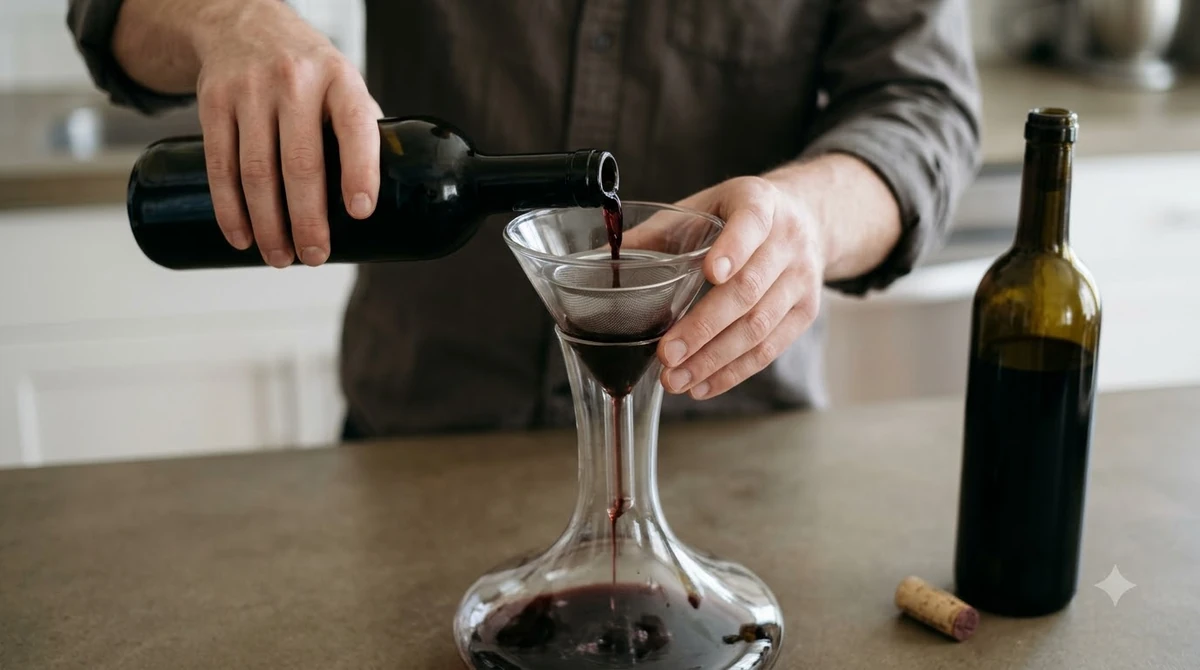
The standard Pure Capsule contains argon, an inert gas that does not readily react with wine. In the Timeless system, a needle passes through a natural cork while argon pressurizes the bottle. Wine flows through the needle, and the gas occupies the space left by the poured wine. Because the cork remains in place, it can reseal after the needle is withdrawn.
Coravin’s technical capsule documentation specifies 99.99% pure argon, a gas charge of 6.5 grams, and a recyclable steel capsule body. The same technical document lists a height of 3.6 inches and a diameter of 0.875 inches. These physical specifications help distinguish the dedicated cartridge from larger gas cylinders and unrelated wine-preservation cartridges.
| Specification | Coravin Pure Capsule |
|---|---|
| Gas type | Argon |
| Gas purity | 99.99% |
| Gas charge | 6.5 grams |
| Timeless capacity | Approximately 15 glasses |
| Pivot capacity | Approximately 20 glasses |
| Standard glass size | 5 ounces |
| Timeless wine capacity | 75 ounces |
| Pivot wine capacity | 100 ounces |
| Capsule height | 3.6 inches |
| Capsule diameter | 0.875 inches |
| Capsule material | Recyclable steel |
These figures are manufacturer-documented specifications, not a guarantee that every cartridge will deliver precisely the same number of pours. The capacity figures assume typical usage, and actual consumption depends on how much gas is needed to pressurize individual bottles. Pouring several large glasses from one bottle can consume more gas than taking smaller samples from multiple bottles.
One important distinction concerns sparkling wine. Coravin Sparkling uses dedicated Pure Sparkling CO2 capsules, not the standard argon cartridges used by Timeless and Pivot. The Sparkling system is designed to preserve carbonation after a bottle has been opened, whereas the standard Pure Capsule supports still-wine preservation.
For the original technical information, consult the official Coravin capsule specifications and support information. This distinction is especially important when ordering replacement supplies for a household that uses more than one Coravin system.
What Owners Like
The strongest advantage of Coravin Pure Capsules is that they make single-glass wine service practical without requiring an entire bottle to be opened. Their standardized capacity, dedicated fit, and argon-based operation are useful for collectors, occasional wine drinkers, and households that regularly switch between different bottles.
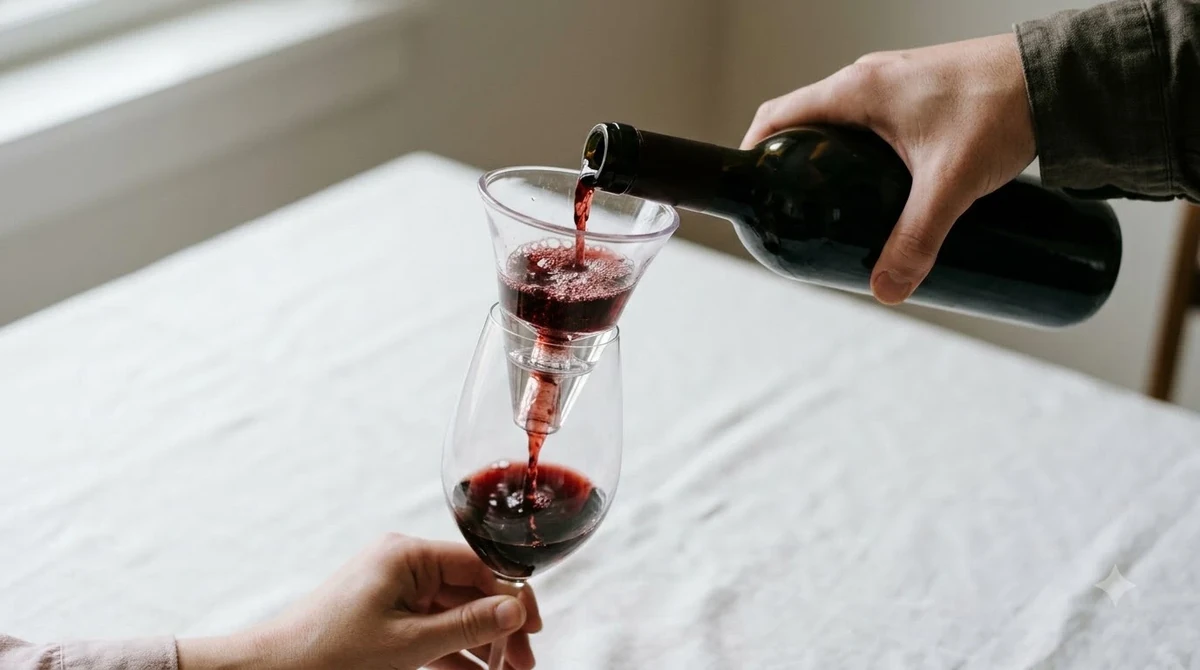
Convenient access to different wines: The Timeless system lets users pour a small amount of wine while leaving the natural cork in place. This is particularly useful when comparing a Cabernet Sauvignon with a Pinot Noir, sampling a special bottle before dinner, or enjoying a glass of Chardonnay without committing to finishing the bottle. The capsule supplies the pressure needed to dispense the wine without pulling the cork.
Predictable cartridge capacity: Coravin’s stated capacity of approximately 15 five-ounce glasses for Timeless and 20 for Pivot makes it possible to estimate ongoing consumable needs. A household using the device for occasional tasting sessions can plan its replacement supply more easily than one relying on an unspecified gas source.
Argon-based preservation: Argon is inert under normal wine-preservation conditions. It does not function as a flavoring ingredient or introduce a noticeable gas flavor into the wine. Its purpose is to help protect the remaining wine from oxygen exposure while the system dispenses a serving.
Useful for expensive and collectible bottles: The ability to sample wine without removing the cork can be particularly attractive for bottles that are not intended for immediate consumption. For example, someone with a cellar containing Bordeaux, Barolo, or Napa Valley Cabernet Sauvignon may prefer to pour a small glass rather than open a bottle that could otherwise remain untouched.
One standard capsule family for still-wine systems: Coravin states that its Pure Capsules work across its wine preservation systems. This simplifies replacement planning for people who own both Timeless and Pivot devices. Rather than maintaining separate argon cartridges for those two systems, users can purchase the same standard Pure Capsule supply.
Designed sealing system: The capsule has a dedicated connection and sealing arrangement intended to deliver gas without leakage during normal operation. Coravin’s technical documentation describes proprietary cap and seal technology. That purpose-built connection is an important reason to avoid assuming that a cartridge with similar dimensions will function safely.
These are practical strengths of the product design rather than a claim that every owner experiences identical results. The greatest benefit comes from matching the cartridge to the correct system and using the trigger efficiently. A user who pours occasional tasting samples will have a different experience from someone serving several full glasses every evening.
Common Complaints and Limitations
The main drawbacks of Coravin Pure Capsules are their recurring replacement requirement, variable real-world capacity, and limited compatibility with non-Coravin equipment. They are specialized consumables, so owners should consider ongoing supply needs before choosing a Coravin system.
Capacity can be lower than expected: The advertised 15-glass Timeless capacity and 20-glass Pivot capacity are approximate. A user who repeatedly holds the trigger down, pressurizes bottles more than necessary, or makes unusually large pours may use more gas per serving. This can make a cartridge appear to run out faster than expected.
Replacement supplies are essential: Unlike a reusable manual stopper, a Pure Capsule is depleted through normal operation. Owners need replacement cartridges to continue using the system. This adds an ongoing expense and means that someone who rarely uses Coravin may have supplies sitting unused for extended periods.
Third-party alternatives are not supported: Coravin explicitly warns against using non-Coravin capsules. A cartridge that appears physically similar does not necessarily have the same pressure characteristics, sealing mechanism, or gas quality. The manufacturer’s warning also covers adapting the system to larger gas sources, which may create dangerous leaks.
Different closures require different solutions: Although the capsule itself supplies gas, the preservation device determines which bottles can be accessed. Timeless is designed around natural cork, while synthetic corks may fail to reseal after needle access. Pivot avoids that particular limitation by opening the bottle and replacing the closure with its dedicated stopper.
Still wine and sparkling wine require different cartridges: Standard Pure Argon Capsules are not a substitute for Pure Sparkling CO2 Capsules. Someone purchasing supplies for a sparkling wine system must keep the product categories separate. Using the wrong gas cartridge is not an appropriate way to reduce replacement costs.
Capacity estimates are not universal: A five-ounce glass is the reference measurement behind Coravin’s stated capacity. Small tasting pours and full restaurant-style servings use different amounts of wine and may require different amounts of gas. A cartridge’s practical value should therefore be evaluated by the number of useful servings it delivers, not just its stated maximum.
These limitations do not make the capsules unsuitable. They simply mean the product works best when the buyer understands that it is a proprietary consumable with specific operating requirements. For someone who wants a low-maintenance way to close an already-opened bottle, a conventional wine stopper may be a more economical option.
Who Should Buy and Who Should Skip
Coravin Pure Capsules are a sensible replacement purchase for owners of compatible Timeless or Pivot systems who regularly pour individual glasses from different bottles. They are less compelling for occasional drinkers who generally finish a bottle shortly after opening it.
Who should buy Coravin Pure Capsules?
Wine collectors: Collectors who maintain bottles from Bordeaux, Burgundy, Tuscany, or California can benefit from accessing individual servings without immediately removing a natural cork. The Timeless system is especially relevant when preserving bottles that may otherwise remain in a cellar for extended periods.
People who enjoy wine flights: Comparing a Sauvignon Blanc, Chardonnay, and Riesling in one evening becomes easier when small portions can be poured from separate bottles. The approximately 15-glass Timeless capacity provides a useful reference for planning several tasting sessions.
Hosts and dinner-party organizers: A host can offer several different wines without opening every bottle fully. This is particularly helpful when guests have different preferences or when a dinner includes multiple courses that benefit from different wine styles.
Owners of both Timeless and Pivot: Since both systems use standard Pure Argon Capsules, replacement inventory is relatively straightforward. Owners do not need to purchase a separate standard argon cartridge category for each of those two systems.
Wine professionals: Restaurants, wine retailers, and tasting rooms that pour premium wines by the glass may find the system useful. The ability to offer a wine without committing to an entire open bottle can support a wider selection.
Who should skip them?
People who finish bottles immediately: If a bottle is usually shared among several people at dinner and finished the same evening, the benefits of a needle-based preservation system may be limited. A basic closure may be sufficient for the remaining wine, if any.
Owners of incompatible equipment: Someone who owns a generic wine preservation device should not assume that Coravin cartridges will fit. These are dedicated components, not universal gas cartridges.
People primarily preserving sparkling wine: Buyers using the Coravin Sparkling system need its dedicated CO2 capsules. Standard Pure Argon Capsules are intended for still-wine systems and are not the correct replacement.
Occasional wine drinkers: Someone who opens only a few bottles per year may find the recurring cartridge requirement difficult to justify. A simple wine preservation system comparison can help identify whether a different approach better matches actual drinking habits.
Tip: Before ordering replacement capsules, identify the exact Coravin system you own. Timeless and Pivot use standard Pure Argon Capsules, while Coravin Sparkling requires dedicated Pure Sparkling CO2 Capsules. Matching the gas type is more important than finding a cartridge that looks similar.
How It Compares to Alternatives
Coravin Pure Capsules are best understood as the power source for a specialized preservation system rather than a standalone wine accessory. Comparing them with ordinary stoppers, spray-based preservation, and other Coravin systems helps clarify which approach makes sense for different drinking habits.
Coravin Pure Capsules versus ordinary wine stoppers
A traditional stopper closes a bottle after it has been opened, but it cannot prevent the initial contact with oxygen during pouring. A Coravin Timeless system is different because it accesses wine through the cork without removing the closure. The capsule supplies the argon pressure required to dispense the serving.
For someone who finishes a bottle within one evening, an ordinary stopper may be entirely adequate. For someone who wants to take one glass from a premium bottle and return it to storage, the Coravin approach offers a different level of access and preservation.
Coravin Pure Capsules versus Coravin Pivot
This comparison is about the complete preservation systems, not two different types of standard argon cartridges. Timeless leaves the cork in place, while Pivot requires the bottle to be opened and fitted with a special stopper.
Both systems use Pure Argon Capsules, but Coravin lists different expected capacities: approximately 15 five-ounce glasses for Timeless and 20 for Pivot. Pivot is particularly useful for bottles with synthetic corks, screw caps, or glass closures, while Timeless is aimed primarily at natural-cork bottles.
Coravin Pure Capsules versus Sparkling CO2 Capsules
These products have different gas contents and different jobs. Pure Argon Capsules support still-wine preservation, whereas Pure Sparkling CO2 Capsules are designed for the Coravin Sparkling system to help maintain carbonation after opening.
Coravin states that one Sparkling CO2 Capsule can preserve up to seven standard 750 ml bottles, although actual performance depends on usage. That figure should not be compared directly with the 15-glass or 20-glass argon capacity because the two systems preserve different types of wine and use different dispensing methods.
Coravin Pure Capsules versus other wine preservation approaches
Some wine preservation systems use vacuum-based closures, while others use inert gas sprays or replacement stoppers. These approaches generally operate after a bottle has been opened. Coravin Timeless instead uses pressurized gas to dispense wine through the existing cork, which avoids removing that closure during normal use.
For users who want to understand the broader equipment choices, the Coravin and wine preservation equipment section provides a useful starting point for comparing the different approaches. The right choice depends on bottle closures, how frequently wine is poured, and how long the remaining wine needs to be preserved.
Overall, genuine Coravin Pure Capsules make the most sense when their compatibility and controlled dispensing process are central to the user’s needs. They are not a universal replacement for every wine-preservation accessory, and their dedicated design is part of both their appeal and their limitation.
How to Get More Pours From Each Capsule
Efficient trigger operation is the most useful way to manage capsule consumption. Coravin specifically recommends short presses rather than continuously holding the trigger on a Timeless system, helping users avoid unnecessary gas use during each pour.
1. Use short trigger presses
When using Timeless, Coravin recommends quickly pressing and releasing the trigger to start the flow. If the wine slows down, another short press can restore pressure. Holding the trigger continuously is not the recommended pouring technique and can consume gas faster than necessary.
2. Use the correct bottle angle
Coravin’s instructions recommend tilting a Timeless bottle approximately 45 degrees over the glass. This positioning allows the wine to flow through the needle while the gas enters the bottle. Returning the bottle upright stops the flow.
3. Avoid unnecessary pressurization
Only use the trigger when the wine flow requires it. Repeatedly pressing the trigger while the bottle is not being poured adds no useful benefit. A steady pouring technique helps reduce wasted gas and makes the cartridge capacity more predictable.
4. Keep the needle and connections in good condition
A correctly attached needle and properly functioning seals support consistent operation. If wine flow becomes unusually slow, check the device’s instructions for cleaning and attachment procedures rather than trying to compensate with excessive gas. A poorly maintained system can make the pouring process less predictable.
5. Track actual usage
Record how many five-ounce glasses you obtain from a fresh capsule. If your results are consistently much lower than the stated 15 Timeless glasses or 20 Pivot glasses, consider whether your pours are larger than five ounces or whether the trigger is being held too long.
It is also useful to distinguish between the amount of wine served and the number of times the device is operated. Several short tasting pours may be more efficient than repeatedly pressurizing a bottle for large servings. The objective is not to minimize every press at the expense of proper operation, but to use gas only when needed.
Storage and handling matter as well. Keep unused capsules in a suitable storage location and follow the manufacturer’s instructions for installation and disposal. Never attempt to refill a used capsule, modify its seal, or connect the device to an unapproved gas source.
Frequently Asked Questions
Do Coravin capsules have an expiration date?
Coravin’s technical capsule documentation lists a three-year shelf life for the standard capsule specification. This is a storage-life reference, not a guarantee that a cartridge will deliver its full advertised capacity after improper storage or damage. Follow the packaging instructions and avoid using a capsule with visible damage.
Can Coravin capsules be carried on an airplane?
Pressurized gas cartridges are subject to airline and aviation-security restrictions. Permission can depend on the gas, cartridge size, baggage type, and applicable transport regulations. Contact the airline and relevant aviation authority before packing Coravin capsules in either checked or carry-on luggage.
Can a Coravin capsule be partially used and stored?
Yes. The capsule is designed to work with the system’s dedicated sealing arrangement, so it does not have to be discarded after every pouring session. Store the device and cartridge according to Coravin’s instructions, and never attempt to remove, reuse, or modify the capsule’s pressure-containing components.
Can Coravin Pure Capsules be recycled in household recycling?
Coravin identifies recyclable steel as the capsule body material, but local recycling acceptance varies. Only consider recycling a capsule after it is completely empty and after confirming that your local program accepts this type of pressurized-gas packaging. Never place an unused or partially charged capsule into ordinary recycling.
Does the amount of wine remaining in a bottle affect capsule efficiency?
Yes. The amount of gas needed depends partly on the volume of wine being removed and the pressure needed to dispense it. A bottle with very little wine remaining may require a different amount of gas per serving than a nearly full bottle, so the stated maximum glass count should be treated as an estimate rather than a fixed guarantee.
Coravin Pure Capsules are a specialized and practical consumable for anyone who regularly pours individual glasses from multiple bottles using a compatible Timeless or Pivot system. Their approximate capacity of 15 Timeless glasses or 20 Pivot glasses provides a useful purchasing reference, while efficient trigger use helps make each cartridge last longer. Choose genuine argon capsules for still-wine systems and dedicated CO2 capsules for Coravin Sparkling to maintain compatibility and safe operation.
More in Preservation & Coravin
 Coravin Model Eleven Review: Preserve Wine Without Opening BottlesUpdated Nov 20, 2026
 Is Coravin Worth It? A Practical Guide to Its Real ValueUpdated Nov 20, 2026
 Coravin Timeless Six: Pour a Glass Without Opening the BottleUpdated Nov 20, 2026
 Coravin Pivot Plus Review: Keep Open Wine Fresh for WeeksUpdated Nov 20, 2026
 Coravin Screw Caps Review: Specs, Lifespan, and Real-World PreservationUpdated Nov 20, 2026
 Coravin Alternatives That Keep Open Wine Fresh LongerUpdated Nov 20, 2026