

We may earn a commission when you buy through links on this page, at no extra cost to you. Learn more.
Barolo vs Bordeaux comes down to one grape against a blend: Barolo is 100% Nebbiolo from the Langhe hills of Piedmont in northwest Italy, while red Bordeaux is usually a mix of Cabernet Sauvignon, Merlot and Cabernet Franc from the Gironde region of France. Both are structured, age-worthy reds with firm tannin. Barolo is the more perfumed of the two, often smelling of rose petal and cherry when young, while Bordeaux relies on its blend to set its balance. The right choice depends on the dish you are cooking and how long you plan to keep the bottle.
If you have ever stood in a wine shop trying to decide between an Italian red and a French one for a special meal, you are asking a question that many serious drinkers face. Barolo and red Bordeaux are two of the most respected dry reds in the world, and they are often compared because they share a reputation for power and long life. They differ in almost every other respect, including the grape, the landscape, the winemaking tradition and the way the wines age. This guide walks through those differences in plain terms and explains which foods bring out the best in each. For a broader look at how these comparisons work, see our wine vs wine guide.
Barolo vs Bordeaux at a Glance
Barolo and Bordeaux are both premium, age-worthy reds built on firm tannin, but they differ in practical ways. Barolo is a single-variety wine from Italy, while Bordeaux is usually a blend from France. That one difference shapes flavor, labeling and the way each wine is best enjoyed at the table.
Barolo comes from Piedmont in northwest Italy and is made entirely from Nebbiolo. Wine Folly describes it as a high-tannin, age-worthy red with a typical drink window of 10 to 25 years, and says it is generally best after about a decade. Bordeaux is a large French region where blending is the norm. Decanter points out that “Bordeaux blend” is an informal phrase describing the grapes used rather than a legal category, although Bordeaux itself has detailed rules on grape varieties and yields.
For most dinner tables the practical question is simpler. Do you want a red with a perfumed, rose-and-cherry character and a sharp grip, or a red with the rounder fruit that a blend can deliver? Answering that question is more useful than memorizing labeling rules, and the rest of this guide shows how each style plays out in the vineyard, the glass and the kitchen.
Grapes: One Variety Against a Blend
Barolo is a single-grape wine, while red Bordeaux is a blend whose proportions shift depending on where the grapes grow. That structural difference explains much of what you taste.
Nebbiolo is a demanding grape that carries a lot of tannin and acidity. In Barolo it shows up as a wine that smells of roses and cherries when young and gains licorice, leather and chocolate notes with age, according to Wine Folly’s tasting profile. Decanter notes that the grape is thought to take its name from “nebbia,” the fog that settles over the Langhe hills in the cooler months, which is a useful reminder that the wine is tied to its place as much as to its variety.
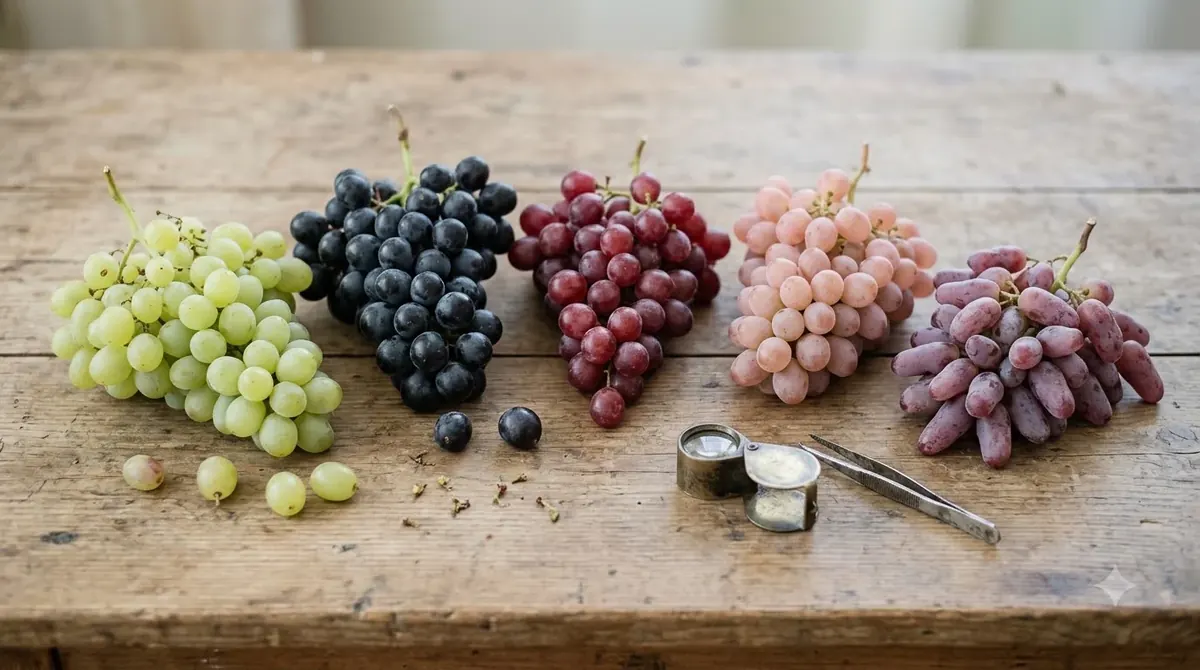
Red Bordeaux is built on blending. According to Wine Folly’s breakdown of Bordeaux grapes, a red Bordeaux is primarily Cabernet Sauvignon, Merlot and Cabernet Franc, with smaller portions of Malbec and Petit Verdot. Decanter adds that a Bordeaux red usually combines two or more of the classic varieties, including Carménère. The mix changes depending on which side of the Gironde estuary the vineyard sits. On the Left Bank, which covers the Médoc and Graves, Cabernet Sauvignon usually makes up more than 60% of the blend, bringing peppery flavor and bolder tannins. On the Right Bank, in the Libournais area, Merlot usually makes up more than 60%, and those wines tend to feel slightly smoother with more subtle tannin.
Bordeaux is also more flexible than many drinkers realize. Wine Folly reports that in December 2020 the Council of Wine in Bordeaux (CIVB) allowed up to 10% of several additional varieties in red blends, including Arinarnoa, Castets, Marselan and Touriga Nacional. If you are deciding between a Merlot-led Bordeaux and a Cabernet-led one, our bordeaux vs merlot comparison walks through how those two profiles differ in the glass.
Where Barolo and Bordeaux Come From
Barolo is made in a compact zone of hill villages, while Bordeaux is a large French region split into two banks by a single river estuary. Those geographic facts shape the wines more than most labels reveal.
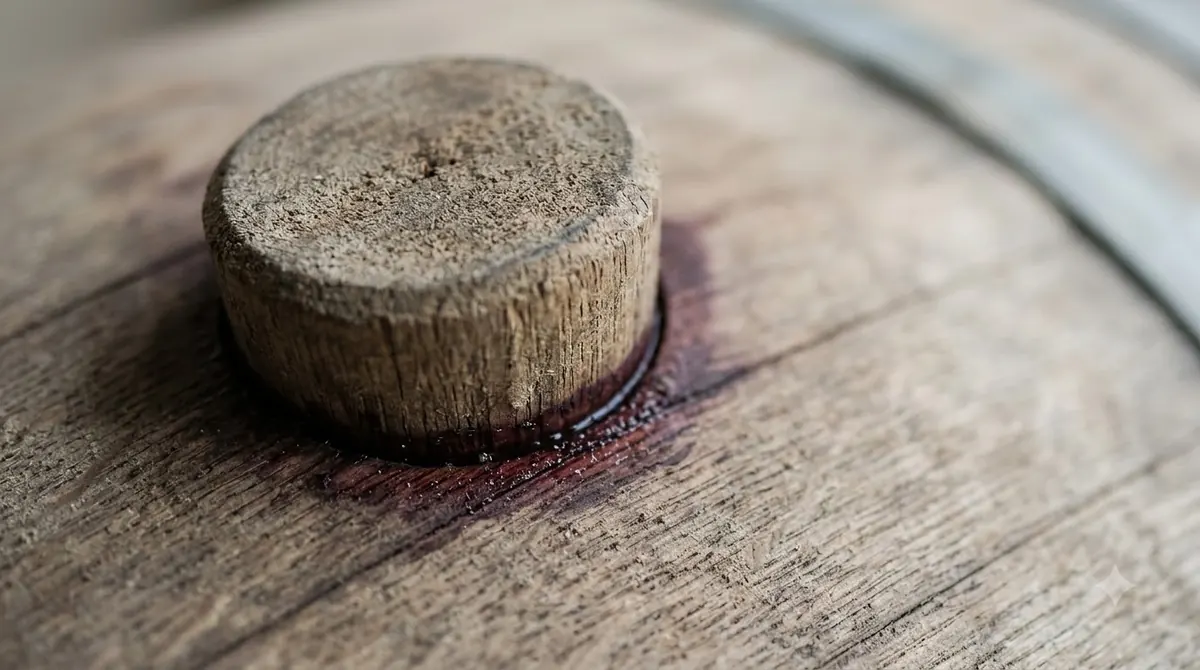
Barolo is made in 11 villages, or communes, located southwest of Alba, the regional capital, according to Decanter. Its neighbor Barbaresco is a smaller zone built around four villages to the northeast of Alba, close to the Tanaro river. Barolo’s vineyard sites have become increasingly important over the last few decades, and many producers now release single-vineyard wines alongside a classic blend drawn from several sites. Official MGA designations, which work much like a cru, have helped spotlight how much an individual site shapes the finished wine.
Bordeaux takes its Left Bank and Right Bank names from the Gironde estuary that runs through the region. The Left Bank holds the Médoc and Graves, where Cabernet Sauvignon leads the blends. The Right Bank, known as the Libournais, is where Merlot usually dominates. Left Bank blends tend to feel firmer and more structured, while Right Bank blends are generally easier to approach in their youth. Because Bordeaux spans two banks with different dominant grapes, a wine from one side can taste quite different from one on the other, which is less true of Barolo’s single-grape style.
How Barolo and Bordeaux Taste in the Glass
Barolo tends to be the more aromatic and high-toned of the two, while red Bordeaux is often more rounded, especially from the Right Bank. These are broad generalizations, but the table below sets out the core characteristics you can use when comparing bottles side by side.
| Feature | Barolo | Red Bordeaux |
|---|---|---|
| Main grape or grapes | 100% Nebbiolo | Cabernet Sauvignon, Merlot and Cabernet Franc, plus small amounts of Malbec and Petit Verdot |
| Dominant grape share | Not applicable (one grape) | Usually over 60% (Cabernet Sauvignon on the Left Bank, Merlot on the Right Bank) |
| Tannin level | High | Bolder on the Left Bank, softer and more subtle on the Right Bank |
| Typical early aromas | Rose petal, cherry, raspberry sauce | Varies with the blend and the bank |
| Drink window | 10 to 25 years, typically best after about 10 | Structured styles are built to last, sometimes for many years |
| Serving temperature | 60 to 65 F | 60 to 65 F |
Barolo’s early aromas are its calling card. Wine Folly describes rose petal, cherry and raspberry sauce, along with cinnamon and white pepper, in a young bottle, and says that with time the wine moves toward licorice, leather and chocolate. The same source notes that young Barolo can look pale and smell floral, yet the tannin and acidity underneath are substantial. That combination of perfume and grip is what makes it stand out next to other reds.
Bordeaux shows its character through the blend. A Left Bank wine built on Cabernet Sauvignon tends to be peppery and firm. A Right Bank wine led by Merlot tends to be slightly smoother, with subtler tannin and a rounder fruit profile. Producers adjust the proportions to suit each vintage, so two bottles from the same district can taste quite different. That flexibility is the main reason Bordeaux is so easy to pair with a range of dishes.
Aging and Cellaring: Which Wine Needs More Time
Barolo is the more cellar-dependent of the two in most cases, while Bordeaux’s structured styles are also built to last. The timing differs in ways worth knowing before you open a bottle.
Decanter sets the minimum aging for Barolo at 36 months, including at least 18 months in wooden barrels, and notes that the traditional style demanded long cellaring before drinking. Those expectations have eased. Decanter’s guide to the Italian “three Bs” explains that the modernist movement of the 1980s and 1990s introduced French oak barriques and shorter macerations, and that many producers today blend barrel sizes with little or no new oak.
VinePair explains the stylistic split in practical terms. Modern Barolos macerate for a handful of days, while older styles could go up to three weeks. Many modern wines rely on smaller oak barrels instead of the traditional, massive Slavonian botti. Those choices affect how quickly the tannin softens, which is why a young Barolo often rewards a little patience or a decant before serving.
Bordeaux ages on a different timeline. Decanter describes the region’s wines as structured and built to last, sometimes for many years. A Right Bank blend, with its softer tannin, can often be enjoyed sooner than a firmer Left Bank wine, which typically rewards more time in the bottle. If you are comparing Barolo with another big Italian red that also asks for patience, our amarone vs barolo guide covers the contrast in style.
Tip: Young full reds, Barolo and young Bordeaux included, benefit from decanting for 30 to 60 minutes before serving, which softens the edges and opens the aromas. Store bottles on their side in a cool space near 55 F.
Food Pairings for Barolo and Bordeaux
Barolo is one of the great food wines of Italy, and red Bordeaux is one of the most versatile reds for meat-centered dinners. Matching them well comes down to acid, tannin and fat.
Barolo’s high acidity and firm tannins make it a natural match for rich, earthy dishes. Wine Folly lists game birds, veal, mushroom pizza and truffle risotto as classic partners, and notes that its floral, red-fruit character also works with poultry and pork. Because acidic food needs a wine with equal or higher acidity, Barolo can also stand up to a rich tomato ragù, where the wine’s acidity keeps the sauce from feeling heavy.
Bordeaux pairs well with fat and salt because both soften tannin. A grilled rib-eye or a roast lamb shoulder finished with a pinch of sea salt makes a strong case for a Left Bank Bordeaux, since the fat smooths the firm tannin and lets the cassis-like fruit come through. A Right Bank blend, with its softer tannin, suits roast chicken or a mushroom risotto, giving the wine room to show its fruit without competing with the dish.
There are a few clear pitfalls for either wine. Chili heat is amplified by both alcohol and tannin, so a firm Barolo can taste harsh beside a very spicy curry. Oily fish clashes with tannic reds, which means both wines are better suited to meat, mushrooms and hard cheeses than to salmon or tuna. Keeping those rules in mind will save you from most of the common mismatches.
Choosing Between Barolo and Bordeaux for Your Table
Choose Barolo when you want a perfumed red with real structure for a rich, earthy meal. Choose Bordeaux when you want a blend that adapts to the dish, especially if you cook steak or roast meats often. Neither wine needs a special occasion to justify it, but both reward a little planning.
Serve both at 60 to 65 F, the typical range for full reds. Open a young bottle early so the aromas have time to develop, and decant it if the tannin feels aggressive. Once opened, still wines usually keep for about three to five days in the fridge, so if you do not finish a bottle of either, recork it and store it cool.
If Barolo feels like more wine than you need for a weeknight, a Chianti or another Sangiovese-based red can offer a lighter, more approachable introduction to Italian reds. Our guide to barolo vs chianti lays out those trade-offs in detail.
Frequently Asked Questions
Are Barolo and Barbaresco made from the same grape?
Yes. VinePair notes that both are made from Nebbiolo, but Barbaresco can be drunk a bit sooner because the grape ripens earlier there. Decanter sets Barbaresco’s minimum aging at 24 months, with at least nine months in wood, compared with 36 months for Barolo.
What does Meritage mean on an American wine label?
Meritage is a trademarked term that members of the Meritage Association may use for Bordeaux-style blends. The wine must combine two or more of the five classic red varieties, and it may also include St. Macaire, Gros Verdot or Carménère. No single variety can make up more than 90% of the finished wine.
Is white Bordeaux worth trying?
White Bordeaux is usually built on Sémillon and Sauvignon Blanc, with a tiny amount of Muscadelle or Sauvignon Gris. Wine Folly notes that it accounts for less than 10% of Bordeaux production. The region’s famous sweet wine, Sauternes, is made from it, so it is worth exploring if you enjoy dessert wines.
How does Brunello di Montalcino compare with Barolo?
Brunello di Montalcino is made from Sangiovese Grosso grown around Montalcino in Tuscany. Decanter sets its minimum aging at 48 months, including 24 months in wood. Decanter also says it typically has more richness and structure than Chianti, combined with what it calls a Burgundian elegance.
Which Barolo producers should I look for first?
Decanter names Bartolo Mascarello, Giuseppe Rinaldi, Aldo Conterno, Giacomo Conterno, GB Burlotto, Bruno Giacosa and E Pira e Figli among the producers to know. These names are a practical starting point when you are browsing a shop shelf or a restaurant list.
Barolo and Bordeaux are less rivals than different answers to the same question: how to make a red that ages well and pairs with serious food. Barolo gives you one grape with a distinct perfume and grip, while Bordeaux gives you a blend that can be tuned to each dish. Start with the meal you plan to cook, and the right choice usually becomes clear.
More in Wine vs Wine
 Chenin Blanc vs Pinot Gris: Acidity, Body, and Pairing DifferencesUpdated Nov 20, 2026
 Chianti vs Lambrusco: How Tuscany and Emilia-Romagna Reds CompareUpdated Nov 20, 2026
 Chianti vs Primitivo: Key Differences in Taste, Body, and PairingUpdated Nov 20, 2026
 Chianti vs Rioja: Key Differences in Taste, Aging, and PairingUpdated Nov 20, 2026
 Chianti vs Shiraz: How Acidity, Body, and Food Pairings CompareUpdated Nov 20, 2026
 Chianti vs Syrah: Key Differences in Taste, Body, and Food PairingUpdated Nov 20, 2026