

We may earn a commission when you buy through links on this page, at no extra cost to you. Learn more.
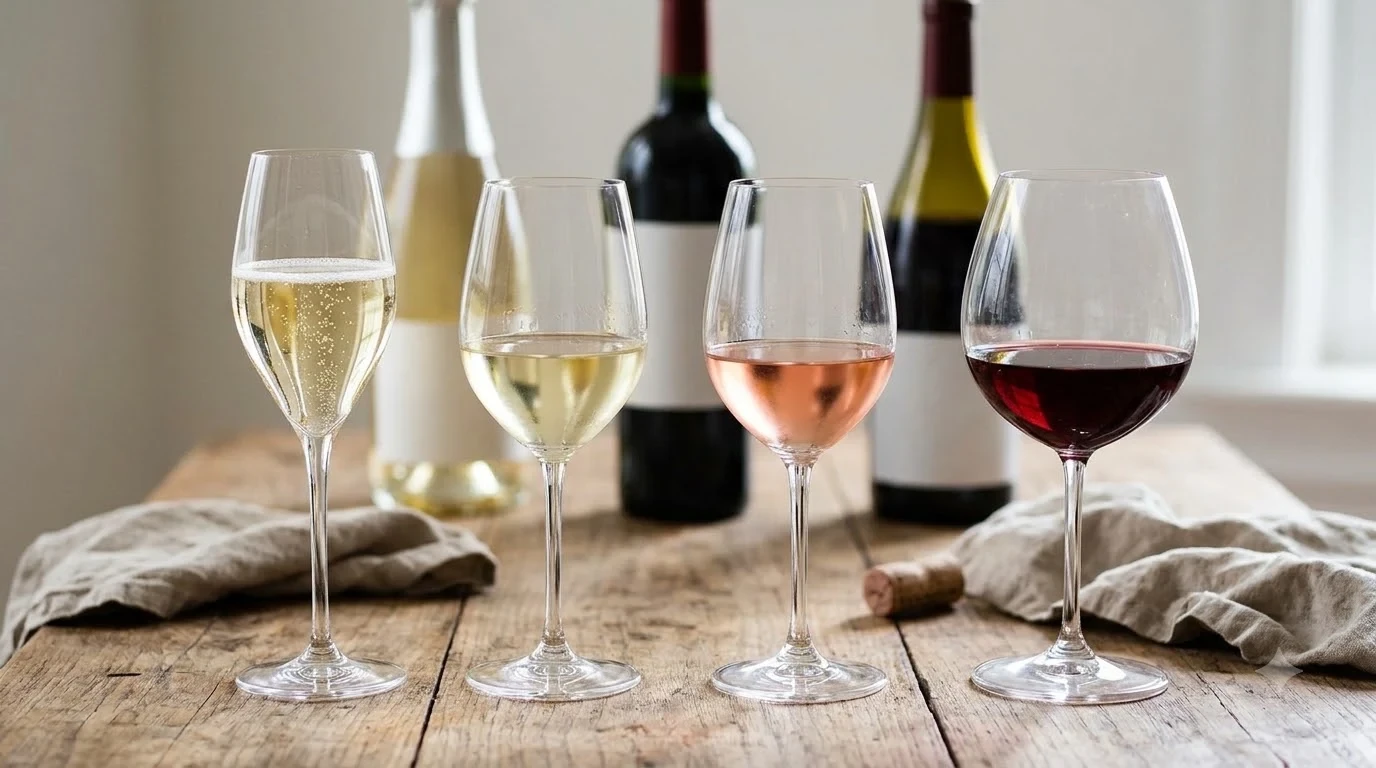
bogle white wine offers several California styles, from crisp Sauvignon Blanc and Pinot Grigio to rounder Chardonnay, aromatic Riesling, and expressive Chenin Blanc. The best bottle depends on whether you prefer citrus and fresh herbs, ripe orchard fruit, a creamy texture, or a little residual sweetness. Bogle’s range also includes reserve bottlings, so the label and vintage matter when you are choosing between a bright weeknight white and a richer wine for dinner.
Based in Clarksburg, California, Bogle Family Vineyards works with familiar international grapes and varieties with a strong local identity. This guide compares the main styles, winemaking choices, food matches, and serving advice.
Bogle White Wine: What to Expect
Bogle’s white-wine range is not a single house style; it covers at least six recognizable grape varieties and several winemaking approaches. Chardonnay brings more breadth and spice, Sauvignon Blanc and Pinot Grigio lean toward crisp refreshment, and Riesling and Chenin Blanc offer more aromatic detail.
The winery’s white-wine archive has listed Chardonnay, Reserve Chardonnay, Sauvignon Blanc, Reserve Sauvignon Blanc, Pinot Grigio, Riesling, and Chenin Blanc, with Reserve Albariño also appearing among its white selections. Individual vintages and availability change, so the lineup should be understood as a portfolio rather than a fixed set of bottles that every retailer carries all year. A standard bottling and a reserve bottling may differ in grape sourcing, texture, or cellar treatment, not simply in label color.
That variety makes it useful to start with the kind of white wine you already enjoy. Drinkers who like bright acidity and green-fruit flavors can begin with Sauvignon Blanc or Pinot Grigio. Those who prefer a softer middle palate may be happier with Chardonnay, while people who want floral aromas or a touch of sweetness can explore Riesling and Chenin Blanc. The range gives a host several options for one meal without leaving the same producer family.
The Main Grapes and Styles in the Range
Each grape gives Bogle’s white portfolio a different starting point, even before choices such as oak, lees contact, and residual sugar shape the final wine. Thinking in terms of grape, body, and flavor is a faster way to select a bottle than relying on the word “white” alone.
Chardonnay is the broadest-feeling option in the core range, with green apple, pear, and baking-spice notes in the winery’s description. It can suit drinkers who want a white with enough body to accompany chicken, scallops, or a dish with a creamy sauce. The Reserve Chardonnay is described with ripe pear, grilled pineapple, toasted coconut, brioche, and lemon, suggesting a richer aromatic profile than a simple citrus-led white.
Sauvignon Blanc is the more vivid, high-acid choice. Bogle describes citrus and freshly cut grass, followed by pineapple and passion fruit, while its Reserve Sauvignon Blanc adds grapefruit oil, green pear, wet-stone, Meyer lemon, and lemon-cream notes. Pinot Grigio takes a lighter route, with citrus, stone fruit, and melon. It is a straightforward match for an aperitif, a seafood starter, or a lunch built around fresh vegetables.
Riesling brings floral aromas, white peach, and a gentle spicy character; Bogle’s current description notes that residual sugar rounds the middle of the palate while acidity keeps the finish focused. Chenin Blanc offers citrus, honeysuckle, melon, yellow apple, Asian pear, and quince, with a lively line of acidity and some mid-palate weight. A Reserve Albariño has also appeared in the winery’s white selections, with nectarine, yellow apple, green melon, and crisp acidity. Together, these grapes make the portfolio more varied than a simple Chardonnay-and-Sauvignon pair.
Chardonnay: Orchard Fruit, Oak, and Texture
Bogle Chardonnay is the choice to consider when you want ripe orchard-fruit flavors with more weight than a very light white. The winery describes green apple, juicy pear, and warm baking spices, while its stated fermentation split combines barrel fermentation with stainless steel.
That split matters because stainless steel helps preserve a fresh fruit impression, while barrel fermentation can contribute roundness and spice. Bogle’s Chardonnay page specifies 50 percent barrel fermentation and 50 percent stainless-steel fermentation, followed by aging on the lees and monthly bâtonnage, the French term for stirring those lees. Lees contact can make a white wine feel broader or creamier without requiring every flavor to come from oak. VinePair’s explanation of white-wine texture describes how grape variety, lees work, and barrel choices influence the way a wine feels on the palate.
For a useful outside reference point, Wine Enthusiast’s review of Bogle’s 2023 Chardonnay described baked pear, Pink Lady apple, yellow plum, citrus peel, and a dry mineral finish. That review is tied to a particular vintage, so it is a snapshot rather than a promise that every later bottle will taste identical. It does, however, illustrate how pear and apple fruit can sit alongside a more developed, savory impression.
At the table, use Chardonnay when a dish has enough richness to meet its weight. Roast chicken, seared scallops, grilled fish with butter, creamy squash soup, and mild cheeses are natural options. A lean salad with sharp vinaigrette may make a fuller Chardonnay seem heavy, while a very delicate white fish can disappear beneath a strongly oaked or rich preparation. Match the preparation as well as the main ingredient: poached chicken with herbs is lighter than chicken baked with cream and mushrooms.
Sauvignon Blanc, Pinot Grigio, Riesling, and Chenin Blanc
The lighter and more aromatic wines are where Bogle offers the clearest contrasts in freshness, fruit, and sweetness. Sauvignon Blanc and Pinot Grigio are typically the driest, briskest-feeling choices, while Riesling and Chenin Blanc can show more floral character and a rounder impression.
Bogle’s Sauvignon Blanc is cold-fermented in stainless-steel tanks, with reductive winemaking used to help preserve its crisp, vibrant character. Its citrus, cut-grass, pineapple, and passion-fruit notes make it a strong choice for goat cheese, shellfish, grilled shrimp, spring greens, or fish with herbs. Sauvignon Blanc is naturally known for high acidity, which explains why it works with foods that have lemon, vinegar, or fresh green flavors. It is also a useful contrast to Chardonnay: expect more lift and aromatic freshness rather than the same breadth and baking-spice character.
Pinot Grigio is picked early and cold-fermented in stainless steel, according to Bogle’s winemaking description. That approach fits its fresh citrus, stone-fruit, and melon profile. Serve it before dinner, with grilled shrimp, charcuterie, light pasta, or a simple plate of vegetables and soft cheese. It is also a practical option for guests who want a dry, unforced white and do not need pronounced oak or tropical fruit.
Riesling and Chenin Blanc reward a little more attention to sweetness and seasoning. Bogle describes its Riesling as floral, peachy, and lightly spicy, with residual sugar balanced by bright acidity. Its Chenin Blanc combines ripe citrus, honeysuckle, soft melon, and yellow apple with a mouthwatering line of acidity. The Chenin can be a good bridge between a crisp aperitif wine and a richer dinner white, especially with glazed ham, pear, cheese, or salmon. For spicy dishes, a slightly off-dry Riesling can soften the perception of chili heat more effectively than a high-alcohol, tannic red.
“Dry” does not always feel identical from bottle to bottle: acidity can make a wine with some residual sugar seem brisk, while ripe fruit can make a fully dry wine feel generous. For lime-heavy ceviche or a salad with sharp vinaigrette, choose a wine with acidity at least as lively as the dish.
Clarksburg, California Sourcing, and Winemaking
Clarksburg gives important context to several Bogle whites, especially Chenin Blanc and Riesling. The Yolo County Vineyard and Winery Association describes the Clarksburg AVA as a Sacramento River Delta region established in 1984, with fertile alluvial soils and cooling maritime breezes that help preserve freshness as grapes ripen.
The same association notes that Clarksburg spans portions of Yolo, Sacramento, and Solano Counties and is particularly known for vibrant white wines. Chenin Blanc is the region’s signature variety, although growers also work with a wider selection of grapes. Those conditions help explain why Chenin Blanc appears so naturally in Bogle’s portfolio: the combination of warm growing days and cooling evening influences can allow ripe fruit character to develop while keeping acidity present.
Bogle’s vineyard information describes a broader sourcing model than one estate alone. The family identifies estate vineyards in Clarksburg, Lodi, and the Sierra Foothills, and says it also sources grapes from vineyards across California to complement estate fruit. This approach means a bottle labeled California does not necessarily communicate the character of one narrowly defined subregion. Wine Enthusiast makes a similar point about statewide California appellations: the designation can cover grapes grown in different parts of the state, while a more specific appellation gives a clearer geographic clue.
Stainless-steel fermentation tends to keep the emphasis on fresh fruit and acidity, while barrel fermentation, lees aging, and bâtonnage can add texture to Chardonnay. Bogle’s Sauvignon Blanc uses cold fermentation in stainless steel and reductive techniques to maintain a fresh profile. For readers exploring the wider label family, the site’s Wine Brands profiles provide context beyond whites; its Bogle Petite Sirah wine shows how different the same producer’s red wines can be.
Food Pairing, Serving Temperature, and Storage
Choose food by acidity, body, sweetness, and preparation rather than by color alone. A crisp Bogle Sauvignon Blanc can handle lemon, herbs, shellfish, and goat cheese, while Chardonnay is better suited to richer chicken, scallops, and sauces with butter or cream.
For a practical starting point, serve light whites such as Pinot Grigio and Sauvignon Blanc at 45–50°F. Give a fuller Chardonnay a little more warmth, around 50–55°F, so its fruit and texture are easier to smell and taste. Sweet whites are generally best around 43–50°F. Very cold wine can mute aroma, while warm white wine may seem softer and heavier than intended. Chill the bottle ahead of time and let it sit briefly in the glass if it feels too cold.
| Style | Serving temperature | Food matches | Why it works |
|---|---|---|---|
| Sauvignon Blanc | 45–50°F | Oysters, goat cheese, grilled shrimp, herb salads | High acidity supports citrus and fresh green flavors |
| Pinot Grigio | 45–50°F | Charcuterie, seafood starters, vegetable pasta | Light body and citrus fruit suit delicate dishes |
| Chardonnay | 50–55°F | Roast chicken, scallops, butter sauces, mild cheese | More body meets richer textures |
| Riesling | 43–50°F | Thai noodles, lightly spicy seafood, fruit-forward dishes | Acidity refreshes; a touch of sweetness can cushion chili |
| Chenin Blanc | 45–50°F | Glazed ham, salmon, pear, soft cheese | Bright acidity balances savory and lightly sweet flavors |
Sweetness needs special attention at dessert. The wine should be at least as sweet as the dessert; otherwise, the wine can taste thin or sour beside the food. For acidic dishes such as ceviche or a salad with strong vinaigrette, choose a wine with equal or higher acidity. Salt and fat can soften the impression of richness in a dish, but they do not make every pairing work: strongly chili-hot food can make alcohol seem hotter, so avoid pairing intense heat with a high-alcohol wine.
For a standard pour, use about 5 ounces. A 750 ml bottle yields roughly five glasses at that serving size, making it easy to plan for a dinner of four or five adults. Once opened, keep still white wine in the refrigerator and aim to finish it within 3–5 days; use a sound stopper to limit oxygen exposure. Store unopened bottles away from direct light and temperature swings, ideally in a cool place near 55°F. A bottle with a cork is best stored on its side for longer-term keeping.
Tip: If a chilled Chardonnay tastes muted, pour a small taste and let it rest in the glass for 5–10 minutes. Keep Sauvignon Blanc and Pinot Grigio cool for their crispest impression.
Frequently Asked Questions
These answers cover grape naming, regional labels, and practical ways to handle an open bottle. They add a little context beyond the individual tasting notes and food matches.
Is Pinot Grigio the same grape as Pinot Gris?
Yes. Pinot Grigio and Pinot Gris are regional names for the same grape variety, not two separate grapes. The name often signals a stylistic tradition, but the producer’s choices and growing conditions have a greater effect on the character of an individual bottle.
Does AVA stand for American Viticultural Area?
Yes. An American Viticultural Area is a federally recognized grape-growing region defined by geographic boundaries and distinguishing growing conditions. Its designation concerns the wine’s geographic origin, rather than guaranteeing a particular winemaking method or flavor profile.
Can white wine develop a brown color after opening?
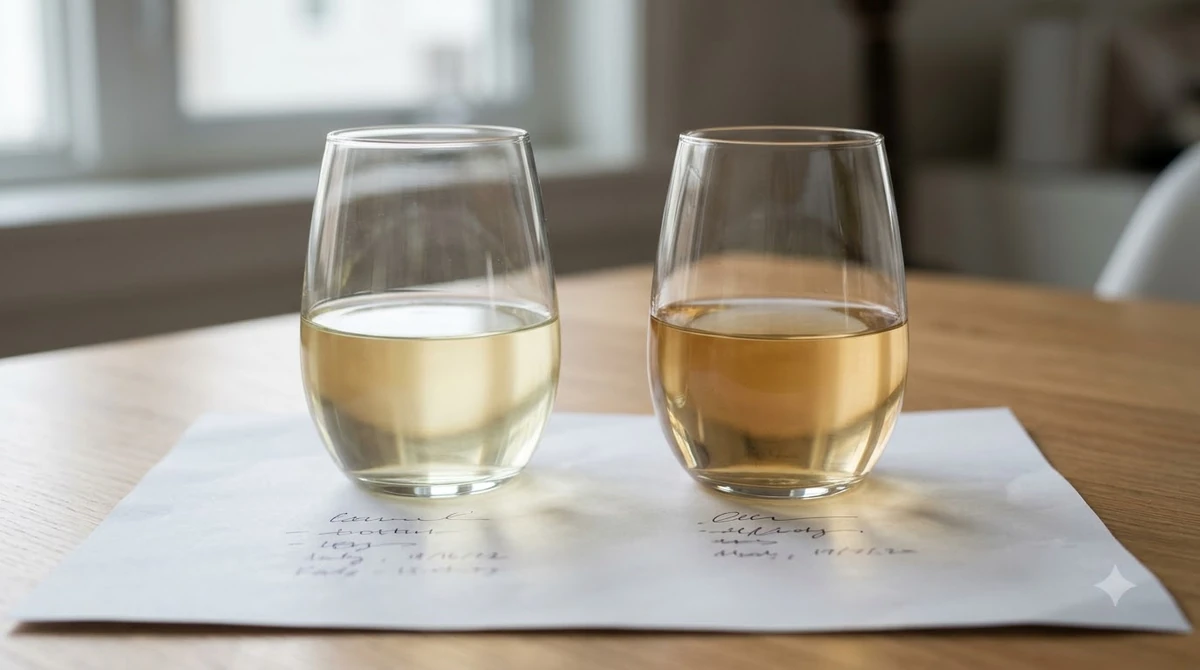
Yes. Oxygen exposure can darken white wine from pale straw toward gold or brown, and the aroma may shift toward bruised apple, nuts, or cider. A small change in color is not a complete diagnosis on its own, but a flat, tired smell and loss of fresh fruit are signs that the wine has declined.
Should a white wine glass have a narrow rim?
A moderately narrow bowl and rim can help concentrate aromas while leaving enough room to swirl the wine. A universal rule is not necessary: a simple tulip-shaped glass works well for both crisp Sauvignon Blanc and fuller Chardonnay, and the serving temperature will matter more than an expensive glass shape.
Can leftover white wine be used in cooking?
Yes, provided it still smells and tastes clean. Use a dry white in pan sauces, risotto, or seafood dishes, adding it early enough for harsh alcohol notes to cook off; avoid using wine that has become vinegar-like or noticeably oxidized. A wine that tastes balanced in the glass is usually a safer cooking choice than one that has already faded.
Bogle’s white wines cover a useful range, from crisp, stainless-steel-fermented styles to Chardonnay with more texture and aromatic depth. Start with Sauvignon Blanc or Pinot Grigio for freshness, choose Chardonnay for richer dishes, and explore Riesling or Chenin Blanc when floral notes and a softer impression suit the meal. Serving the wine at the right temperature and matching its acidity and sweetness to the food will make the bottle more rewarding.
More in Wine Brands
 Underwood Wine Price: Compare Bottles, Cans, and Pack SizesUpdated Nov 21, 2026
 Zenato Wine Price: Compare Styles and Choose the Right BottleUpdated Nov 21, 2026
 Zuccardi Wine Price: Compare Bottles and Find the Right RangeUpdated Nov 21, 2026
 Yellow Tail Moscato Review: Taste, Sweetness and Serving TipsUpdated Nov 21, 2026
 Wolf Blass Yellow Label Review: Choose Your Best StyleUpdated Nov 21, 2026
 Wolffer Estate Rose Review: Choose the Right Bottle for Your TableUpdated Nov 21, 2026