

We may earn a commission when you buy through links on this page, at no extra cost to you. Learn more.
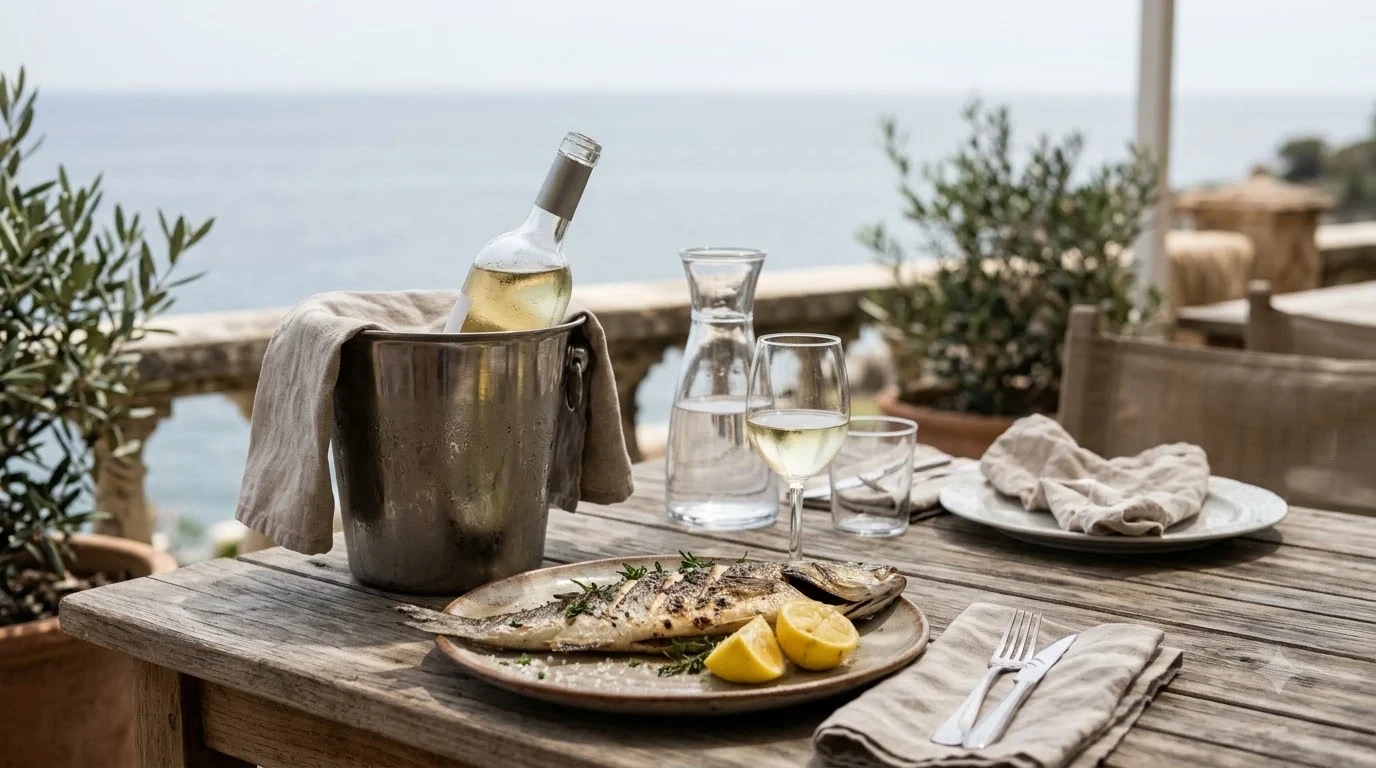
Pinot Grigio vs Riesling comes down to flavor and sweetness: Pinot Grigio is usually dry and crisp with citrus and orchard fruit, while Riesling is aromatic and can range from bone dry to noticeably sweet. Both are white wines that many US shoppers reach for, but they taste different and pair with food in different ways. Knowing those differences helps you choose the right bottle faster.
This guide compares the two wines side by side. It covers where they come from, how their flavors and sweetness differ, how each one is made, and which dishes suit each style. It also gives simple buying and serving advice so you can shop with more confidence.
What Is Pinot Grigio?
Pinot Grigio is a white wine made from the Pinot Gris grape. According to Wine Folly, the two names refer to the same grape, with Pinot Grigio being the Italian name and Pinot Gris the French name. The grape is also a mutation of Pinot Noir, which surprises many drinkers who only know it as a light white.
On the palate, Pinot Grigio usually shows lime, lemon, pear, white nectarine and apple. Depending on where the grapes grow, it can also show faint honeyed notes, honeysuckle aromas and a saline, mineral edge. The same source notes that Pinot Grigio does not have a strikingly unique flavor the way Moscato or Riesling does, which is part of why it is such an easy wine to drink with a wide range of meals.
What Is Riesling?
Riesling is a white grape that is known for aromatic wines with bright acidity. It often shows floral and fruity aromas, and it tends to taste more distinctive than most Pinot Grigio. Many people describe it as the more expressive of the two, with aromas that come forward quickly when you pour a glass.
One of the most useful things to know about Riesling is its range of sweetness. Some bottles taste bone dry, while others are clearly sweet. Because the label does not always make the style obvious, check the bottle or the producer’s description before you buy, especially if you plan to serve it with spicy food or dessert. Blind tasting guides from Wine Folly also list Riesling from Germany as one of the white varietals that experienced tasters often recognize by its character.
Key Differences in Taste and Sweetness
Pinot Grigio is typically dry, with high acidity that keeps it tasting crisp. Because of that acidity, it often tastes less sweet than a buttery Chardonnay. Riesling, by contrast, can be dry or sweet, and its acidity often shows as a bright, zesty line through the fruit.
The table below sums up the main differences. Treat it as a general guide, since producers and regions can shift the style of either wine.
| Feature | Pinot Grigio | Riesling |
|---|---|---|
| Usual sweetness | Mostly dry | Dry to sweet, depending on the bottle |
| Main flavors | Lime, lemon, pear, apple, white nectarine | Floral and fruity aromas with citrus and stone fruit |
| Acidity | High and crisp | Bright and zesty |
| Texture | Light to medium, sometimes weighty in the middle | Light to medium, often with a clean finish |
| Best known for | Easy, versatile everyday white | Aromatic character and range of styles |
Tip: If you are unsure how sweet a Riesling will taste, look for the producer’s description on the label or the winery website before you buy.
Where These Wines Come From
Both wines are grown in many countries, but their style often reflects the place they come from. Pinot Grigio from Italy is usually dry with brilliant acidity and a bitter almond note, according to Wine Folly. American Pinot Grigio often shows more exaggerated fruit and less acidity than its European counterparts.
Riesling is closely linked to Germany, where it has a long history and a wide range of sweetness levels. Wine regions with cool climates are often associated with vibrant, high-acid styles of Riesling, while warmer sites can produce riper fruit. Climate matters for both grapes, so the origin on the label gives you a useful hint about what to expect in the glass. For a deeper look at how these two grapes differ in style, read the pinot gris vs riesling comparison. Wine Folly’s full Pinot Gris and Pinot Grigio guide also explains how the same grape reads differently across regions.
How Each Wine Is Made
Winemaking choices shape the final taste of both wines. Many Pinot Grigio bottles are made to be fresh and easy to drink, with the grapes picked for bright acidity and the wine kept clean and fruity. Some producers ferment or age the wine in ways that add more body, so the texture can vary from light to rounder.
Riesling is often made with a focus on preserving aroma and acidity. The winemaker decides how much residual sweetness to leave in the bottle, which is one of the biggest differences between a dry Riesling and a sweet one. Because these decisions vary, the label, the producer’s notes and the region matter more than the grape name alone. Reviewers at Wine Folly also point out that a wine’s flavor can change with the way it is grown, so a bottle’s origin is a useful clue.
Best Food Pairings for Each
Pinot Grigio is a flexible partner at the table. Wine Folly notes that Pinot Gris pairs well with fresh vegetables, raw fish and lighter meals, and that fish and shellfish are classic partners. Try it with ceviche, sushi, white fish with cream sauce, or a salad with cucumber and green apple. It also works with mild herbs such as parsley, mint and tarragon.
Riesling is often the better choice when the food has heat or sweetness. Its aromatic character and acidity can balance spicy dishes, rich pork and fruit-based desserts. Dry styles suit seafood and salads, while sweeter styles pair well with spicy Asian dishes and fruit desserts. If you want to compare other white and red pairings, the malbec vs pinot noir guide shows how different styles fit the same kinds of meals.
How to Serve and Store Them
Both wines are best served chilled rather than cold enough to numb the flavor. Keep the bottle in the refrigerator for a while before pouring, and let it warm slightly in the glass so the aromas open up. Check the bottle for any specific serving advice, since sweeter styles can taste different at slightly different temperatures.
Store unopened bottles in a cool, dark place away from heat and direct light. Once opened, keep the wine in the refrigerator with the cork or a stopper in place. Pinot Grigio is usually best drunk fresh, while some Riesling styles can hold up well for a few days after opening. For more background on choosing wines of this type, the Wine vs Wine section covers related comparisons.
Frequently Asked Questions
Is Pinot Grigio sweeter than Riesling?
Usually not. Pinot Grigio is typically dry with high acidity, while Riesling ranges from dry to sweet. If you want a clearly sweet white, look for a Riesling whose label or producer notes describe a sweeter style.
Is Pinot Grigio the same grape as Pinot Gris?
Yes. Pinot Grigio and Pinot Gris refer to the same grape. The names are Italian and French, and the wine can taste different depending on where it is grown and how it is made.
Which is better for beginners, Pinot Grigio or Riesling?
Pinot Grigio is often a comfortable starting point because its flavors are mild and its style is usually dry. Riesling can be a good choice too, but start with a bottle that clearly states its sweetness so you know what to expect.
Which wine goes better with spicy food?
Riesling often works well with spicy dishes, especially in a slightly sweet style that balances heat. Pinot Grigio can also work with mild seasoning. Enjoy any wine with food responsibly and at a moderate pace.
Choosing between Pinot Grigio and Riesling is mostly a question of taste and sweetness. Pinot Grigio suits you if you want a crisp, dry white for everyday meals. Riesling suits you if you enjoy aromatic wines and want a range of styles from dry to sweet. Read the label, check the producer’s notes, and drink responsibly.
More in Wine vs Wine
 Nero d’Avola vs Pinot Noir: Taste, Body, and Pairing DifferencesUpdated Nov 21, 2026
 Chenin Blanc vs Pinot Blanc: Key Differences in Taste, Acidity, and PairingsUpdated Nov 21, 2026
 Chardonnay vs Shiraz: Key Differences in Taste, Serving, and PairingUpdated Nov 21, 2026
 Chardonnay vs Verdejo: How Spain’s Crisp White Compares to the World’s ChameleonUpdated Nov 21, 2026
 Chardonnay vs Sancerre: Key Differences in Taste, Grapes, and PairingUpdated Nov 21, 2026
 Chardonnay vs Malbec: Key Differences in Taste, Body, and PairingUpdated Nov 21, 2026