

We may earn a commission when you buy through links on this page, at no extra cost to you. Learn more.
Bogle Chardonnay is a California Chardonnay from Bogle Vineyards, a family winery based in Clarksburg, California, and it is a bottling that many shoppers will find on shelves. Most Bogle Chardonnays follow the familiar California pattern of ripe tropical and stone fruit, a soft, round texture, and a touch of oak. They are easy to find, easy to pour, and fit well with simple weeknight dinners. This guide explains what the wine tastes like, how it compares with other Chardonnay styles, how to serve it, and what to eat with it.
Chardonnay is one of the most planted white grapes in the world, and the name on the label often tells you more about the style than the grape does. The Bogle name belongs to a winery that has been around for decades and that works with a broad portfolio of varietals. If you are deciding whether a Bogle Chardonnay is the right bottle for a dinner, a party, or a casual evening at home, the sections below will help you set expectations before you open it.
What Bogle Chardonnay Tastes Like
Bogle Chardonnay is generally approached as a fruit-forward, approachable white wine rather than a precise, mineral-driven one. Chardonnay itself is a flexible grape. Its flavors shift with the climate where it is grown and with the winemaking choices made after harvest, so two bottles that carry the same grape name can taste quite different.
Wine Folly describes Chardonnay as a grape with a wide flavor range, where common notes include lemon, yellow apple, butter, vanilla, and pineapple. In a warmer California bottling, those fruit notes tend to lean toward ripe pear, peach, mango, and citrus, while the creamy texture comes from oak aging and malolactic fermentation. That combination is what many drinkers expect from a mainstream California Chardonnay, and it is the style that most people looking for a Bogle bottle will find on the shelf.
Who the Winery Is and Where the Wine Comes From
Bogle Vineyards is a California winery with roots in the Sacramento River Delta that go back to the late 1800s. According to the Wikipedia entry for the winery, the company was founded in 1979 and is based in Clarksburg, California, in the Yolo County area. Warren Bogle is identified there as the company’s President and Vineyard Director. The same entry lists Chardonnay among the winery’s varietal wines, alongside Zinfandel, Cabernet Sauvignon, Merlot, Pinot Noir, Petite Sirah, and Sauvignon Blanc.
Knowing the producer’s home region helps explain the style. Delta-area and Central Valley vineyards generally produce riper fruit than cooler coastal sites, which is one reason many bottles from this part of California taste fuller and rounder. The entry does not give vineyard acreage or production volumes for the winery, so this guide does not quote those figures.
How Oak Shapes Chardonnay Style
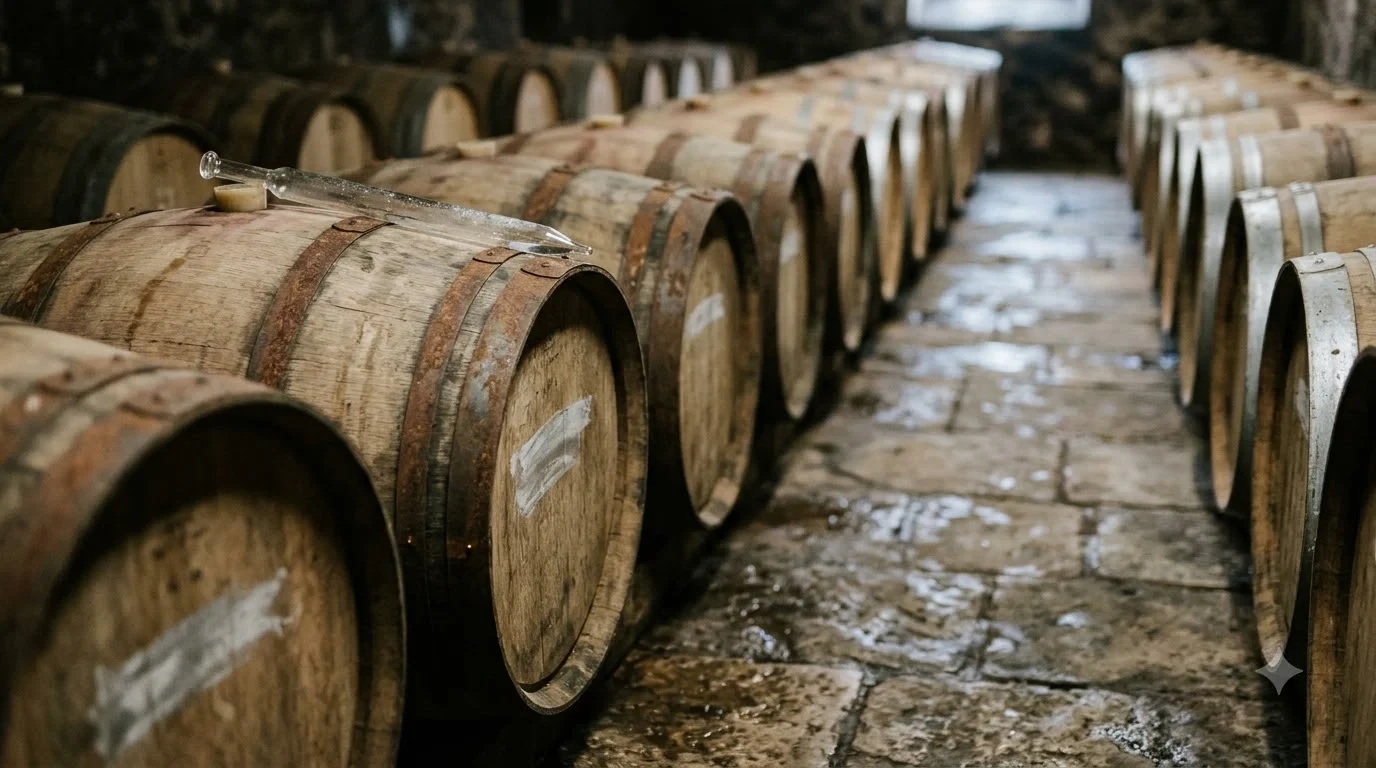
The biggest difference between Chardonnay bottles is whether the wine saw oak. Unoaked Chardonnay is lean and crisp with high acidity, and it often shows green apple, pear, citrus, and a chalky minerality. Oaked Chardonnay is fuller and creamier, often in the Burgundian style, and it usually shows peach, mango, or lemon along with vanilla, butter, and spice from barrel aging.
Most mainstream California Chardonnays, including many Bogle bottlings, sit in the oaked and creamy part of that range. The oak gives the wine body and a rounder finish. If you prefer a sharper, more citrus-focused white, look for a bottle labeled unoaked or a lighter style. If you like a wine that feels like a dessert of vanilla and toast, a richer oaked bottle will suit you better.
| Style | Typical aromas and flavors | Body and texture | Good match |
|---|---|---|---|
| Unoaked, crisp | Green apple, pear, citrus, chalky mineral notes | Light to medium, high acidity | Oysters, sushi, sautéed fish |
| Lightly oaked | Yellow apple, lemon, a hint of vanilla | Medium, balanced | Chicken, roast vegetables, mild cheeses |
| Full oaked, California style | Ripe peach, mango, pineapple, butter, toast | Full, round, creamy | Crab cakes, pork tenderloin with apples |
How to Serve Bogle Chardonnay
Serving temperature matters more for Chardonnay than many people expect. Wine Folly gives a range of about 45 to 55 degrees Fahrenheit for most Chardonnay styles. That is cooler than room temperature but warmer than the fridge door, and it lets the fruit show without making the wine taste flat. Oaked bottles usually sit toward the warmer end of that range, while lean, unoaked styles can be served a little cooler.
A standard white wine glass with a moderately wide bowl is a good choice. The bowl gives the aromas room to open, and the narrower top keeps the wine from warming too quickly in the glass. Decanting is not needed for a young Chardonnay like most Bogle bottlings. Open the bottle, pour, and let it sit in the glass for a few minutes while the flavors settle.
Food Pairings That Work
The right food depends on the style. Lean, unoaked Chardonnay works with oysters, sushi, sautéed fish, and chicken piccata, because its acidity cuts through lemon, butter, and salt. Oaked Chardonnay suits richer dishes such as crab cakes, linguini with clams, halibut, and pork tenderloin with apples. Mushrooms and rich vegetables like corn and squash also pair well with a creamy Chardonnay, since the wine’s texture matches the dish’s weight.
For a casual dinner, roast chicken with herbs, a cheese plate with soft cheeses, or a simple pasta with cream and garlic all work with a mainstream California bottling. Avoid very spicy foods with an oaked Chardonnay, because heat and oak can make the wine taste harsher than it is.
How to Choose a Bogle Bottle
Start with the style you like. If you want a crisp glass for a seafood dinner, look for a lighter bottling. If you want a round, fruit-forward wine that goes well with a range of dishes, a standard California Chardonnay is the safer pick. Read the back label for the vintage and any mention of oak aging, since those details tell you more about the wine in the glass than the brand name alone.
It also helps to compare Bogle with other producers that make California Chardonnay in a similar style. Reviewers often describe the category as a balance between fruit and oak, so a bottle that matches that profile will feel familiar. If you are hosting, buy one bottle to try before committing to a case, and note which style your guests seem to enjoy.
Frequently Asked Questions
Is Bogle Chardonnay oaked?
Most mainstream California Chardonnays, including many Bogle bottlings, are oaked to some degree, which gives them a creamy texture and notes of vanilla and toast. The back label or the winery’s product description will tell you the exact style of a particular bottle.
What temperature should I serve Bogle Chardonnay?
Serve most Chardonnay at about 45 to 55 degrees Fahrenheit. Oaked styles are best at the warmer end of that range, and lean styles can be a little cooler to keep their acidity lively.
What food goes best with Chardonnay?
Lean Chardonnay pairs well with oysters, sushi, and sautéed fish. Oaked Chardonnay suits crab cakes, creamy pasta, and pork with fruit sauces. Both styles go well with mushrooms and rich vegetables.
Who makes Bogle wines?
According to the Wikipedia entry for Bogle Vineyards, the winery was founded in 1979 and is based in Clarksburg, California. The entry names Warren Bogle as President and Vineyard Director.
Bogle Chardonnay is a practical choice for people who want a familiar, round California white that works with everyday meals. If you want to compare it with other styles, start with the Chardonnay sections of the Wine Brands hub, and if you like the fruit-forward profile, a bottle from a similar producer such as J. Lohr Chardonnay or Meiomi Chardonnay is a natural next step. For background on the grape itself, the Wine Folly Chardonnay guide covers the flavor range and regional styles in more depth.
More in Wine Brands
 Underwood Wine Price: Compare Bottles, Cans, and Pack SizesUpdated Nov 21, 2026
 Zenato Wine Price: Compare Styles and Choose the Right BottleUpdated Nov 21, 2026
 Zuccardi Wine Price: Compare Bottles and Find the Right RangeUpdated Nov 21, 2026
 Yellow Tail Moscato Review: Taste, Sweetness and Serving TipsUpdated Nov 21, 2026
 Wolf Blass Yellow Label Review: Choose Your Best StyleUpdated Nov 21, 2026
 Wolffer Estate Rose Review: Choose the Right Bottle for Your TableUpdated Nov 21, 2026