
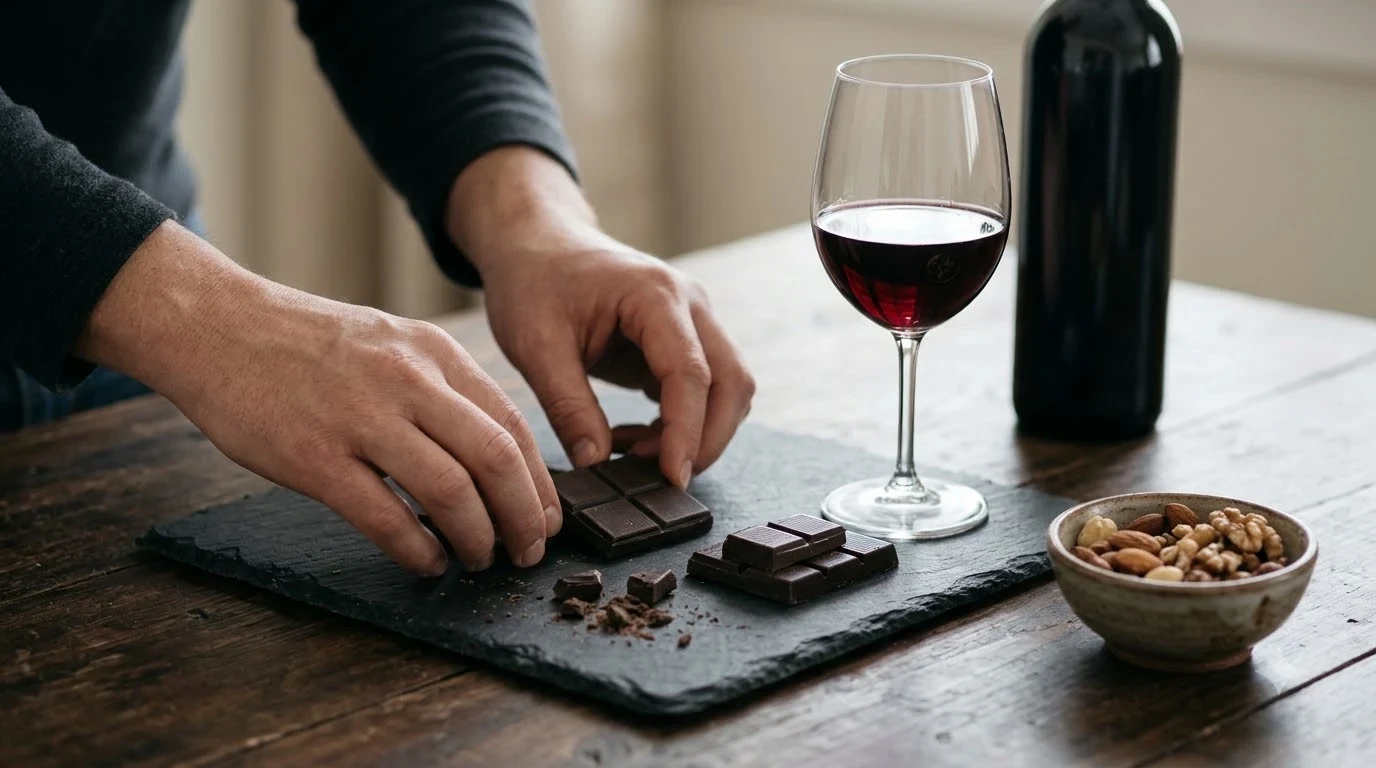

We may earn a commission when you buy through links on this page, at no extra cost to you. Learn more.
Main and Vine wine is a California-sourced collection of approachable, everyday table wines, fruit-infused blends, and spritzers produced under the historic Beringer label and managed by The Wine Group. Originally introduced by Beringer Vineyards, the lineup covers classic varietals like Cabernet Sauvignon, Chardonnay, Pinot Grigio, Merlot, and White Zinfandel alongside semi-sweet Moscato and lemonade-inspired releases. Most bottles are non-vintage, bottled in 750ml and 1.5-liter formats, and crafted for immediate, uncomplicated drinking rather than cellar aging.
Walking down the wine aisle at a neighborhood grocery store, you have likely spotted the crisp cream-and-gold labels of Main & Vine alongside other familiar Wine Brands. Despite its massive national footprint, shoppers often wonder how the label connects to Napa Valley’s oldest continuously operating winery, what styles sit inside the lineup, and how each bottle behaves at the dinner table.
Who Makes Main and Vine Wine
Main & Vine originated as the everyday value tier of Beringer Vineyards—founded in 1876 in St. Helena, California—before Treasury Wine Estates licensed the brand to The Wine Group in 2021. Today, the brand operates out of Livermore, California, while retaining its Beringer heritage on many retail labels.
To understand the label’s identity, it helps to look at its two-part corporate history. Beringer Brothers Jacob and Frederick established their Napa Valley estate in 1876, eventually building a portfolio that spanned high-end single-vineyard Napa Cabernets down to supermarket staples. For decades, Beringer’s California Collection served as an accessible gateway to California wine, and in the mid-2010s the company rebranded that everyday tier as Beringer Main & Vine, positioning it around small-town hospitality and casual gatherings.
In March 2021, Treasury Wine Estates—Beringer’s parent company—announced a strategic exit from lower-priced U.S. volume brands, licensing Main & Vine along with Meridian and Coastal Estates to The Wine Group. Headquartered in Livermore, California, The Wine Group is a privately held, management-owned producer behind major American labels such as Franzia, Cupcake, and Woodbridge. Under The Wine Group’s stewardship, Main & Vine has maintained its core varietal lineup while expanding aggressively into flavored wine extensions and ready-to-drink formats.
Unlike single-vineyard Napa Valley bottlings, Main & Vine wines carry a broad California appellation (or American appellation for select blush releases). Sourcing fruit from multiple growing regions across the state allows winemakers to blend lots for consistent flavor, alcohol level, and sweetness year after year, which is why virtually every bottle in the catalog is released as non-vintage (NV).
The Main & Vine Lineup
The Main & Vine catalog divides into three distinct tiers: dry-to-off-dry classic varietals, sweet and blush favorites, and fruit-flavored wine extensions. Bottles are most commonly sold in standard 750ml glass bottles and 1.5-liter magnums, with select spritzers packaged in 250ml cans.
| Wine / Expression | Style & Sweetness | Reported ABV | Key Flavor Notes |
|---|---|---|---|
| Cabernet Sauvignon | Dry, medium-bodied red | 12.5% – 13.5% | Jammy blackberry, black fruit, sweet vanilla, hint of oak spice |
| Merlot | Dry, medium-bodied red | 13.5% | Ripe plum, dark currant, toasted oak, soft tannins |
| Chardonnay | Dry, light-to-medium white | 13.0% – 13.7% | Ripe peach, golden apple, pear, subtle vanilla |
| Pinot Grigio | Dry, light-bodied white | 12.5% – 13.0% | Juicy white peach, lemon, green apple, flinty finish |
| Chenin Blanc | Semi-sweet white | 11.0% | Crisp orchard fruit, bright citrus, refreshing sweetness |
| White Zinfandel | Sweet, light-bodied blush | 10.0% | Fresh red berries, melon, lively acidity |
| Moscato & Red Moscato | Sweet, lightly effervescent | Low-to-moderate | Peach, orange blossom, sweet berry (Red Moscato) |
| Lemonade Stand Blends | Sweet fruit-flavored wine | Moderate | Moscato Lemonade and Strawberry Rosé Lemonade |
| Wine Spritzers (Cans) | Lightly sparkling fruit wine | 5.5% | Blood Orange Mango, Pomegranate, Pink Grapefruit |
Within the traditional varietal tier, the reds focus on soft structure and immediate fruit rather than heavy barrel extraction. The Cabernet Sauvignon and Merlot are crafted to drink smoothly upon release, avoiding the aggressive, mouth-drying tannins found in age-worthy mountain reds. On the white side, Chardonnay and Pinot Grigio anchor the dry end of the spectrum, while Chenin Blanc bridges the gap toward sweeter palates at a lower 11% alcohol level.
Blush and sweet wines remain a major pillar of the brand’s identity, largely because Beringer played a historic role in popularizing White Zinfandel in the late twentieth century. Alongside classic White Zinfandel and White Merlot, the lineup includes traditional white Moscato, Pink Moscato, and Red Moscato, all leaning into aromatic floral notes and lower alcohol levels.
Beyond traditional grape varietals, Main & Vine has leaned heavily into flavored wine hybrids. In 2019, the brand rolled out canned Wine Spritzers at 5.5% ABV and 95 calories per serving, followed in 2022 by the Lemonade Stand series—blending Moscato and Rosé with natural lemon and strawberry flavors for warm-weather sipping.
Taste Profile and Winemaking Style
Across the board, Main & Vine wines prioritize bright, fruit-forward aromas, smooth textures, and balanced acidity over oak complexity or earthy minerality. Winemakers rely primarily on temperature-controlled stainless steel fermentation to preserve fresh primary fruit character.

For the white wines—especially Pinot Grigio, Chenin Blanc, and Moscato—fermenting in stainless steel prevents oxygen exposure and locks in volatile aromatics like white peach, citrus zest, and honeysuckle. Reviewers at Tastings.com and Wine Spectator have previously awarded mid-80s scores to core releases like the Merlot and Chardonnay, noting their clean, uncomplicated fruit profiles and reliable consistency from bottle to bottle.
Even in the red wines and Chardonnay, where subtle vanilla or toasted oak notes appear on the back palate, the wood influence stays restrained. Rather than aging for years in small French oak barriques, these wines are designed to highlight ripe California stone fruit, plum, and blackberry right away. Residual sugar is carefully calibrated across the lineup: the Cabernet Sauvignon, Merlot, Pinot Grigio, and Chardonnay finish dry, whereas the Chenin Blanc, White Zinfandel, and Moscato bottlings retain noticeable natural grape sweetness to round out their crisp acidity.
Readers who enjoy structured Italian reds like zenato wine or dense, concentrated domestic reds such as bogle petite sirah wine will find Main & Vine noticeably lighter on its feet. Its style sits closer to easygoing, crowd-pleasing California table wines—or, on the sweet and flavored end, modern crossover releases like apothic brew.
How to Serve and Pair Main and Vine Wine
Serving Main & Vine at the right temperature brings out its fresh fruit aromatics while keeping sweeter styles from feeling cloying. None of the bottles require decanting, and all are meant to be opened and enjoyed within a couple of years of purchase.
Chill the white, blush, and sparkling wines thoroughly before pouring. Pinot Grigio, Chardonnay, Chenin Blanc, White Zinfandel, Moscato, and the Lemonade Stand blends show best between 45°F and 50°F—roughly two hours in a standard kitchen refrigerator. Serving the Chardonnay slightly warmer than the Moscato (closer to 50°F) allows its peach and light vanilla notes to open up without muting its acidity. For the red wines, aim for a slight cellar chill of 60°F to 65°F rather than warm room temperature; 15 to 20 minutes in the fridge before dinner keeps the Merlot and Cabernet Sauvignon tasting crisp and lively.
Because the wines are built around moderate alcohol and soft tannins, they pair naturally with everyday weeknight meals and casual backyard spreads rather than heavy, formal courses:
- Cabernet Sauvignon & Merlot: Grilled burgers, meatloaf, mushroom risotto, tomato-based pasta dishes, roasted chicken thighs, and aged cheddar or gouda.
- Chardonnay & Pinot Grigio: Herb-roasted chicken, garlic butter shrimp or scallops, pasta primavera, green salads with citrus vinaigrette, and soft cheeses like brie or goat cheese.
- Chenin Blanc & White Zinfandel: Spicy takeout, glazed ham, barbecued chicken, mild Mexican dishes, and fruit-forward desserts.
- Moscato & Lemonade Stand Blends: Fresh berry tarts, salty charcuterie boards, brunch pastries, or chilled on their own over ice for outdoor gatherings.
Tip: Because Main & Vine is widely sold in 1.5-liter magnum bottles, keep a vacuum stopper handy after opening; recorked and stored upright in the refrigerator, dry whites stay fresh for 3 to 5 days and reds hold their fruit for up to 3 days.
Who Main & Vine Suits Best
Main & Vine is tailored for wine drinkers who value accessibility, predictable flavor, and versatility for group gatherings over regional terroir or cellar potential. It serves both newcomers exploring wine for the first time and experienced drinkers looking for an uncomplicated weeknight table wine.
For beginners who find traditional dry red wines too bitter or astringent, the brand’s Merlot and Cabernet Sauvignon offer an easy transition thanks to their plush berry fruit and gentle tannins. Similarly, the semi-sweet Chenin Blanc, White Zinfandel, and Moscato expressions give fans of sweet beverages a clear ladder toward drier white wines without overwhelming acidity or high alcohol.
Hosts planning large parties, holiday dinners, or summer cookouts also gravitate toward the label because of its wide distribution and magnum availability. Having a single recognizable brand that spans dry reds, crisp whites, blush wines, and low-ABV spritzers makes it straightforward to stock a mixed bar cart that accommodates varying tastes around the same table. Conversely, collectors seeking single-vineyard specificity, vintage variation, or long-term aging structure will want to look toward higher-tier Napa Valley or Sonoma releases instead.
Frequently Asked Questions
Is Main and Vine wine made by Beringer?
Main & Vine was originally created by Beringer Vineyards as its everyday California wine collection. In 2021, Beringer’s parent company, Treasury Wine Estates, licensed the Main & Vine brand to California-based producer The Wine Group, which now manages sourcing, production, and distribution while retaining the Beringer heritage on the label.
Is Main and Vine wine sweet or dry?
The lineup includes both dry and sweet styles depending on the bottle you choose. Cabernet Sauvignon, Merlot, Chardonnay, and Pinot Grigio are fermented dry, whereas Chenin Blanc is semi-sweet, and White Zinfandel, Moscato, Red Moscato, and the Lemonade Stand blends are noticeably sweet.
What is the alcohol content of Main and Vine wine?
Alcohol by volume varies by style across the collection. Dry reds and whites like Cabernet Sauvignon, Merlot, Chardonnay, and Pinot Grigio generally sit between 12.5% and 13.7% ABV, while Chenin Blanc is 11% ABV, White Zinfandel is 10% ABV, and the canned Wine Spritzers are 5.5% ABV.
Does Main and Vine wine expire or need aging?
Main & Vine wines are bottled as non-vintage releases intended for immediate enjoyment rather than cellar aging. Unopened bottles are best consumed within one to two years of purchase when stored in a cool, dark place, and opened bottles should be refrigerated and finished within three to five days.
Whether you are pouring a chilled glass of Pinot Grigio on a warm afternoon or opening a magnum of Merlot for a casual family dinner, Main & Vine delivers dependable, fruit-driven California wine without any fuss. Checking the back label for sweetness cues and serving each style at its ideal temperature will help you get the cleanest expression out of every bottle.
More in Wine Brands
 Underwood Wine Price: Compare Bottles, Cans, and Pack SizesUpdated Nov 21, 2026
 Zenato Wine Price: Compare Styles and Choose the Right BottleUpdated Nov 21, 2026
 Zuccardi Wine Price: Compare Bottles and Find the Right RangeUpdated Nov 21, 2026
 Yellow Tail Moscato Review: Taste, Sweetness and Serving TipsUpdated Nov 21, 2026
 Wolf Blass Yellow Label Review: Choose Your Best StyleUpdated Nov 21, 2026
 Wolffer Estate Rose Review: Choose the Right Bottle for Your TableUpdated Nov 21, 2026