

We may earn a commission when you buy through links on this page, at no extra cost to you. Learn more.
Petite Sirah wine is a deeply colored, dry, full-bodied red with bold black fruit and high tannins. Expect sugarplum, blueberry, dark chocolate, and black pepper, along with a firm grip that calls for rich food. It is rare outside California, and it is most often served with steak, hearty stews, and other dishes that have plenty of fat and savory flavor.
Petite Sirah is one of those wines that many people hear about without knowing exactly what is in the glass. This guide explains what the wine tastes like, how it is styled, how to serve it, and what to eat with it. It also covers how to read a label so you can tell a young, fruit-forward bottle from one that will age for years.
What Petite Sirah Wine Tastes Like
Petite Sirah produces wines with a deep, dark color and a flavor profile centered on black fruit. Common notes include sugarplum, blueberry, and dark chocolate, with black pepper and black tea adding a savory edge. The fruit is ripe and concentrated, which is part of what gives the wine its strong personality.
The structure is the defining feature. The wine is dry and full-bodied, with high tannins and medium acidity. Tannin is the drying grip you feel on your gums and cheeks, and in Petite Sirah it can be bold, sometimes described as aggressive in young bottles. That firmness is why the wine rewards food and time, and why it can feel tough when it is tasted alone.
Where Petite Sirah Comes From
Petite Sirah is a rare grape outside California, where most of the wine is made. Wine Folly notes that it is related to Syrah and that the French call the grape Durif (Wine Folly’s Petite Sirah grape guide). Its strong color and structure make it a natural partner for blending as well. In California it is often used for varietal bottlings, and it also appears in blends that add color, body, and structure to other reds.
Because the grape is so concentrated, growers often pick it at full ripeness, which helps explain the ripe fruit and high alcohol that many bottles show. Some producers choose a lighter approach, but the classic style remains a big, dark red.
| Feature | Typical Petite Sirah | What it means for you |
|---|---|---|
| Body | Full | Pairs with rich, substantial meals |
| Tannin | High | Needs food or time to soften |
| Acidity | Medium | Less zippy than a Chianti |
| Alcohol | Often above 15% ABV | Serve slightly cool to keep it balanced |
| Cellaring | Can age 10 years or more | Good for bottles you plan to keep |
How to Serve Petite Sirah
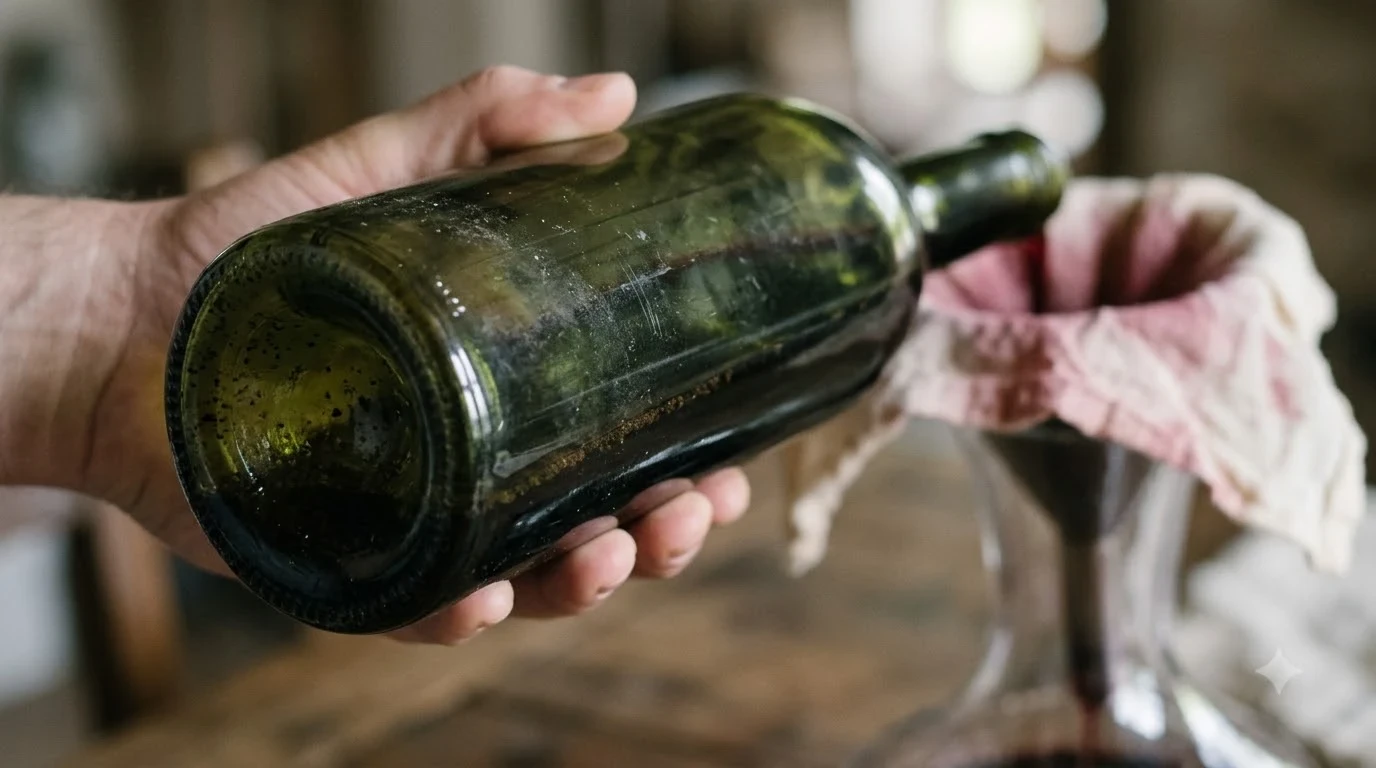
Serve Petite Sirah between 60 and 68 F (15 to 20 C). That range keeps the fruit lively and stops the alcohol from feeling heavy. Use a large glass so the aromas can open, and give the wine time to breathe. Decanting for about an hour is a common recommendation for young bottles, because it softens the tannins and lets the flavors spread out.
If you are opening an older Petite Sirah with some age on it, decant more gently and taste as you go. The wine can change quickly in the glass, and a short pour often shows whether it is ready.
Tip: Pour a small glass first and taste it at room temperature, then again after 20 minutes. The difference shows how much the tannins and fruit are opening up.
Glassware matters more with a wine this bold than many drinkers expect. A wide bowl gives the dark fruit room to show, and a slightly tapered rim keeps the aromas focused. If you only own one style of glass, a universal wine glass with a generous bowl is a reasonable choice for Petite Sirah and most other full reds.
Timing is the other big factor. Young Petite Sirah can taste grippy and closed in the first few minutes after it is poured, then open into darker fruit and softer spice. If you are serving it at a dinner party, open the bottle before guests arrive so the wine has time to change in the glass.
Food Pairings for Petite Sirah
The best matches for Petite Sirah are dishes with fat and savory depth. Grilled steak, beef stroganoff, braised short ribs, and lamb with rosemary all work well because the fat softens the tannins. The wine also suits smoked meats, barbecue, and hearty mushroom dishes.
For a lighter meal, try the wine with aged cheeses or a bowl of black bean chili. Spicy foods can also pair well, since the wine’s black pepper notes echo the heat. Avoid serving it with delicate fish, which will be overwhelmed by the tannin.
How to Choose a Bottle
Look for the producer’s name and the vintage. Younger bottles are more fruit-forward and easier to drink early, while bottles from several years back show more structure and complexity. Because Petite Sirah is rare outside California, many bottles come from the same region, so the label often tells you a lot about the style.
If you want a softer introduction, choose a younger bottle and plan a rich meal. If you want something to keep, look for a wine built to age, and store it in a cool, dark place. For more on how this wine compares with other reds, see the Wine by Type section, or read about a related grape such as cabernet franc wine to see how a lighter red differs from a dark, tannic one.
Petite Sirah Wine at the Table
Like all wine, Petite Sirah contains alcohol, and its strength is one reason it is usually poured in a modest glass with a meal. For a comparison of how calorie content varies across other wine styles, the guide to calories in white wine is a useful reference.
Petite Sirah is also a useful wine to keep on hand for cooking. Its deep color and firm structure hold up to long braises and rich sauces, and a small splash in a stew can add depth without overwhelming the other ingredients. When you cook with it, use a bottle you would be happy to drink at the table, since the flavor concentrates as the sauce reduces.
Frequently Asked Questions
Is Petite Sirah the same as Syrah?
No. Petite Sirah is related to Syrah, but it is a different grape with its own character. Its French name is Durif, and it is much less common than Syrah.
Is Petite Sirah a dry or sweet wine?
Petite Sirah is usually dry and full-bodied. The ripe fruit can taste sweet, but the wine itself is typically dry.
What food goes best with Petite Sirah?
Rich, fatty, and savory dishes work best, such as grilled steak, beef stroganoff, and braised meats. The tannins soften when paired with fat.
Can Petite Sirah age?
Yes. Many Petite Sirah wines are built to age, and some can keep for ten years or more. Younger bottles are fine to drink early with a meal.
Petite Sirah wine rewards anyone who enjoys bold, dark reds and has a meal to match them. Choose a bottle that fits your plans, serve it at a cool-room temperature, and let it open up before you judge it. A few minutes of patience at the table often makes the difference between a wine that feels harsh and one that tastes rich and balanced. For a closer look at the grapes that shape the wine world, browse the assyrtiko grape guide to see how a crisp white contrasts with a bold red like this one.
More in Wine Types & Grapes
 Zinfandel Sugar Content: Dry Red vs. White Zinfandel GramsUpdated Nov 21, 2026
 Best Zinfandel Substitute Options for Sipping and CookingUpdated Nov 21, 2026
 Zweigelt Food Pairing: Best Dishes, Cheeses, and Serving TipsUpdated Nov 21, 2026
 Zinfandel Tannins Explained: How Structure Shapes Every BottleUpdated Nov 21, 2026
 Zinfandel Sweetness Level: Dry Red vs. Sweet White Zin ExplainedUpdated Nov 21, 2026
 Xinomavro Food Pairing: Best Dishes, Styles, and Serving TipsUpdated Nov 21, 2026