

We may earn a commission when you buy through links on this page, at no extra cost to you. Learn more.
Cabernet franc wine is a dry red with strawberry and raspberry fruit, a green bell pepper note, and firm acidity. It is one of the parent grapes of Merlot and Cabernet Sauvignon, and it often shows up in both single-varietal bottles and blends. Its character shifts with climate: cooler sites give lighter, tart wines, while warmer sites give riper, spicier ones.
This guide covers what cabernet franc tastes like, where it grows, how to serve it, and which foods work with it. The goal is to help you pick a bottle with confidence, whether you are new to red wine or already drink plenty of Cabernet Sauvignon.
What Cabernet Franc Wine Is
Cabernet franc is a red grape that is widely believed to come from France, most likely in the Bordeaux area. According to the Wine Folly cabernet franc profile, it is a parent of Merlot, Cabernet Sauvignon, and Carménère, which makes it one of the more influential red grapes in the world. Many people know it best as a supporting player in Bordeaux blends, where it adds aroma and softens the structure of the wine.
The grape’s reputation has grown over time because it works in two very different ways. On its own, it can be a light and easy red. Inside a blend, it provides lift and aroma that help a heavier wine feel more balanced. That versatility is a big reason why winemakers in many countries have kept it in their vineyards.
In the Loire Valley, cabernet franc is often bottled on its own. Those wines tend to be lighter in body and more aromatic, and they are a good starting point for people who find heavy reds too intense.
Flavor Profile and Common Styles
Cabernet franc usually shows red berries first, with strawberry and raspberry as the most common notes. Many bottles also carry a green herbal edge, often described as bell pepper. That aroma comes from compounds called methoxypyrazines, which are also found in some other green plants and vegetables. Winemakers can soften or emphasize this character through the choice of vineyard site, the picking date, and the way the wine is aged.
The grape is typically dry with medium body, medium-high tannins, and high acidity. Alcohol usually falls between 11.5 and 13.5 percent by volume. Cooler climates tend to bring tart red fruit and violet notes, while warmer climates push the wine toward richer dried fruit and a touch of cayenne spice.
| Style | Typical character | Best for |
|---|---|---|
| Loire Valley, cool climate | Light body, tart red fruit, violet, fresh acidity | Weeknight dinners and lighter foods |
| Bordeaux-style blend | Medium to full body, cassis and herbs, firmer tannins | Roasts, lamb, and aged cellar bottles |
| Warm climate | Riper dark fruit, dried fruit, spice | Grilled meats and bold barbecue |
Where Cabernet Franc Grows
Cabernet franc is planted in France, Italy, and many parts of the New World. In the Loire Valley it has a long history and is often the main grape of red wines from places such as Chinon and Bourgueil. In Bordeaux it is a secondary grape in blends, valued for its perfume and its ability to balance heavier varieties.
Outside France, the grape is grown in cool-climate areas such as parts of the northeastern United States and Canada, where its acidity and freshness are an advantage. For a closer look at one cool-climate wine area, see our Niagara-on-the-Lake wine guide. Warmer sites in California and Italy produce riper versions that show more fruit and spice. Because the grape responds so strongly to site, the same name on a label can taste quite different from one region to the next.
Tip: If a label does not name a region, look at the alcohol level and the words on the back label. Lower alcohol and terms like “fresh” or “bright” often point to a cooler site and a lighter style.
How to Serve Cabernet Franc
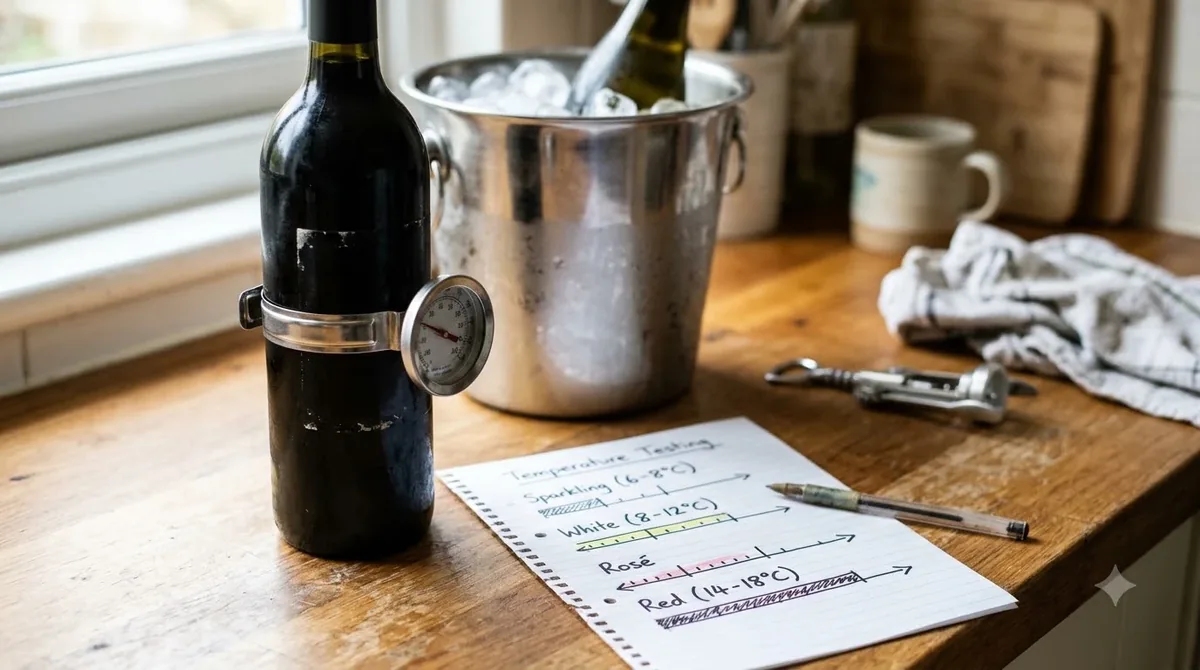
Serve cabernet franc slightly cool, around 60 to 68 degrees Fahrenheit (15 to 20 degrees Celsius). A short stint in the refrigerator before pouring is enough for most bottles. Serving it too warm can make the alcohol feel hot and the fruit taste flat.
Fuller-bodied styles, especially Bordeaux-style blends and firmer Italian examples, benefit from about 30 minutes of decanting. That time lets the aromas open and softens the grip of the tannins. Lighter Loire bottles rarely need it. A universal wine glass with a medium bowl is a practical choice for both styles.
Food Pairings for Cabernet Franc
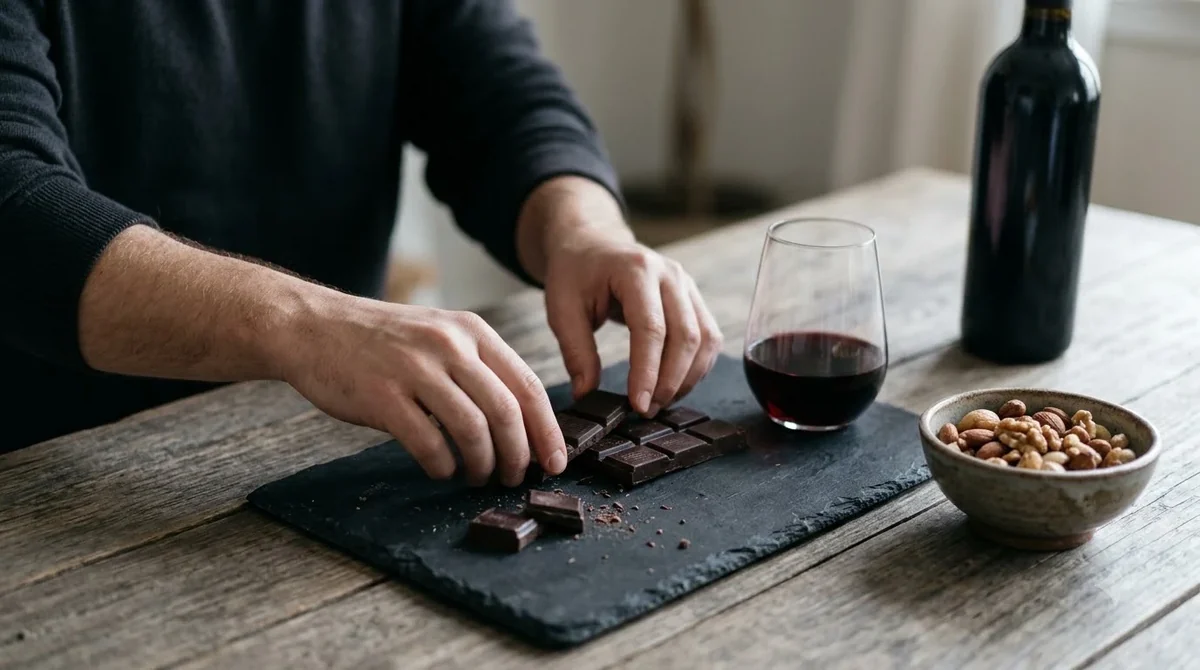
The grape’s acidity makes it a good partner for tomato-based dishes, which is one of the easiest ways to match it at home. Pasta with a simple tomato sauce, pizza with herbs, and dishes built on vinegar or smoky barbecue sauce all work well. Its herbal notes also suit recipes that use fresh herbs generously.
Lighter Loire styles pair nicely with goat cheese, eggplant dishes, and roast chicken or turkey. Fuller Bordeaux-style bottles are better with roasted lamb, wild game, and rich lentil stews. When in doubt, match the weight of the food to the weight of the wine: a delicate dish with a light style, and a hearty dish with a fuller one.
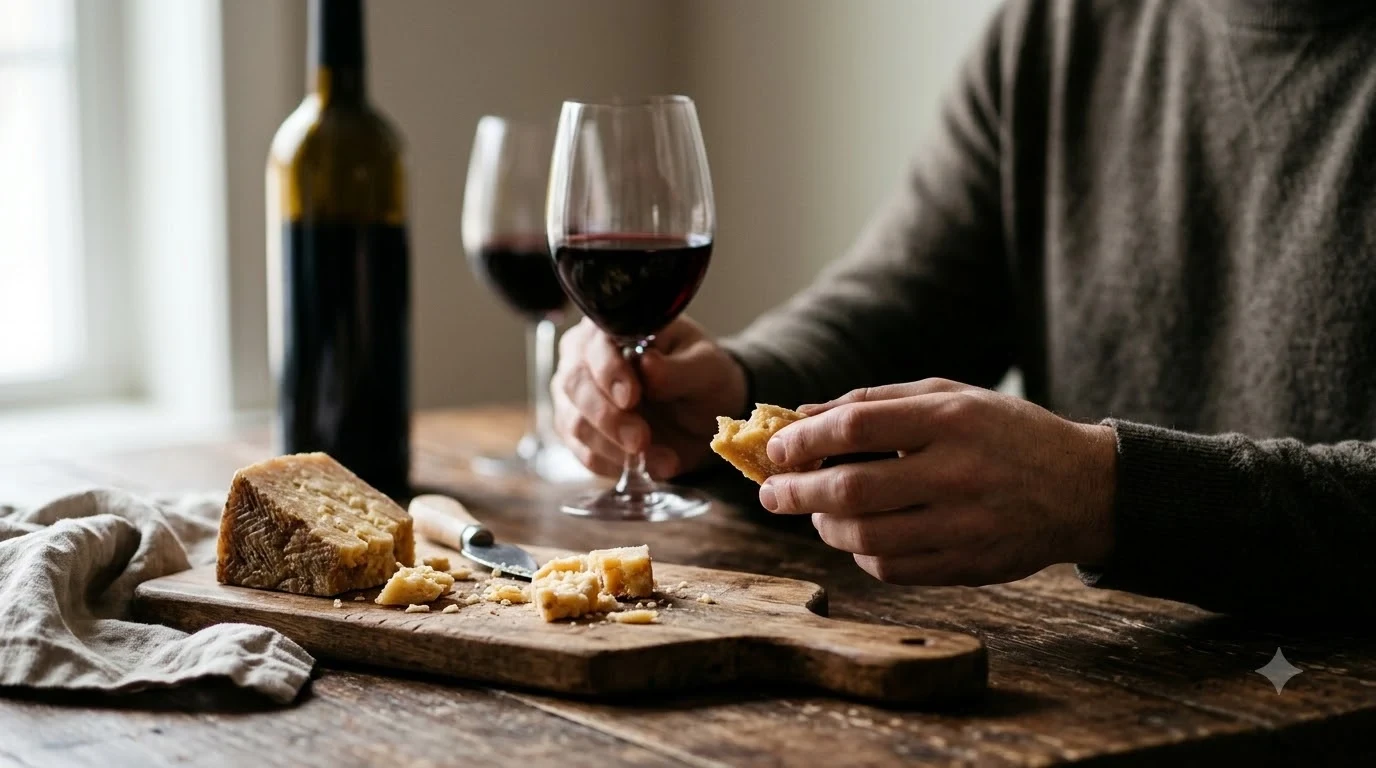
Cabernet franc also works well with mushrooms, roasted root vegetables, and dishes that use sage, thyme, or other woody herbs. Those ingredients echo the herbal side of the wine and keep the fruit in the background. Cheese is a good match too, especially semi-hard styles that are not too sharp, because the wine’s acidity keeps the pairing fresh.
How to Choose a Bottle
Start with the style you want. If you like fresh, lively reds, look for cabernet franc from the Loire Valley or a cool-climate region. If you prefer deeper flavors, a warmer-climate or Bordeaux-style blend will suit you better. Reading the label helps too: a region name on the front usually tells you more about the wine than a grape name alone.
Price is not a reliable guide to quality with this grape. Some well-made bottles come from small producers who focus on a single vineyard, while larger brands can offer consistent and pleasant wines for everyday meals. Read a few tasting notes from wine writers you trust, and compare the descriptions with what you enjoy in other reds.
Check the vintage if you plan to age a bottle. Cabernet franc can gain complexity over several years, but the lighter styles are often best within a few years of release. For everyday drinking, choose a producer whose wines you already know, then try a second bottle from a different region to see how the grape changes.
Frequently Asked Questions
Is cabernet franc wine sweet or dry?
Cabernet franc is almost always made dry. Its sweetness comes from ripe fruit flavors, not residual sugar, so a bottle can taste fruity without being sweet.
What does cabernet franc taste like compared to Cabernet Sauvignon?
Cabernet franc is usually lighter in body, with more red fruit, a green herbal edge, and softer tannins. Cabernet Sauvignon tends to be fuller, with darker fruit and firmer structure.
Should cabernet franc be chilled?
A short chill is helpful. Serve at about 60 to 68 degrees Fahrenheit so the fruit and acidity stay balanced. Warmer serving temperatures can make the wine taste hot and heavy.
Does cabernet franc need to be decanted?
Fuller styles often benefit from about 30 minutes of decanting. Lighter Loire bottles are usually ready to pour, so decanting is optional for those.
Cabernet franc rewards curiosity. Try a Loire bottle and a Bordeaux-style blend side by side, and you will see how one grape can speak in different voices. Our wine regions guide is a good next step if you want to understand how place shapes the glass in front of you.
More in Wine Regions
 Willcox Wine Trail: Discover Arizona’s High-Elevation Wine CountryUpdated Nov 20, 2026
 Yakima Valley Wine Region: Find the Best Styles to TryUpdated Nov 20, 2026
 Vosne Romanee Wine Tasting: Identify Aromas and Choose Better PairingsUpdated Nov 20, 2026
 Yakima Valley Wine Festival: Find the Best Seasonal Wine EventsUpdated Nov 20, 2026
 Wales Vineyards: Discover Cool-Climate Wines and Where to VisitUpdated Nov 20, 2026
 Yountville Wine Festival: Discover Napa Wines and Local FoodUpdated Nov 20, 2026