

We may earn a commission when you buy through links on this page, at no extra cost to you. Learn more.
Learning how to serve petite sirah properly comes down to three steps: chilling the bottle to 60–65°F (15–18°C), decanting young wines for 60 to 120 minutes, and pouring into a large-bowled red wine glass. Because this variety carries thick skins, dense tannins, and full alcohol, serving it straight off a warm kitchen counter makes it taste heavy and astringent. Giving it a brief chill and plenty of air softens that grip and lets its dark fruit, floral, and pepper aromas open up.
Petite Sirah is one of the boldest red wines on the dinner table, and small adjustments before you pour make a noticeable difference in the glass. Whether you are opening a young California bottling for a weekend barbecue or pulling a ten-year-old bottle from the cellar, temperature, glassware, and aeration determine how smoothly the wine drinks.
What Petite Sirah Is
Petite Sirah—known originally in France as Durif—is a full-bodied red wine grape prized for its inky pigmentation, firm tannins, and concentrated dark fruit flavors. Despite the name, it is not a smaller version of Syrah, though Syrah is one of its parent grapes.
Botanist François Durif created the variety around 1880 in Montpellier, France, by cross-pollinating Syrah with Peloursin, an obscure alpine grape. According to Wine Folly’s guide to Petite Sirah, the “petite” in the name refers to the unusually small size of the berries rather than the stature of the wine itself. Those tiny berries produce a very high skin-to-juice ratio during fermentation, which packs the finished wine with pigment, polyphenols, and mouth-drying tannin.
That dense concentration is why Petite Sirah behaves differently in the glass than lighter reds. You can see that intensity before you even take a sip by looking at the opaque petite sirah color, which stains the bowl with a deep purple rim. Treating it with the same casual room-temperature pour you might use for Pinot Noir leaves its tight structure locked up.
Flavor Profile and Styles
In the glass, Petite Sirah delivers dense waves of blueberry, blackberry, and dark plum layered over black pepper, cocoa, and sweet baking spices. Most bottlings are fermented dry, though ripe fruit character can give modern styles a plush, almost sweet impression on the mid-palate.
Winemakers generally shape Petite Sirah into two main stylistic camps. The classic, old-school approach emphasizes grip, herbal complexity, and savory notes of cracked pepper, dried violet, and roasted espresso. These bottles feel structured and chewy in their youth and reward either extended decanting or several years of bottle aging.
Modern California styles lean into ripe, extracted fruit, often aged in American or French oak that adds notes of vanilla, mocha, and sweet clove. Even though these fruit-forward bottles taste lush and approachable earlier, is petite sirah sweet or dry has a straightforward answer: virtually all table bottlings are dry wines with minimal residual sugar. Exploring detailed petite sirah tasting notes helps you anticipate whether a specific bottle needs two hours in a decanter or just a quick thirty-minute splash.
Where Petite Sirah Grows
Although the grape originated in southern France, Petite Sirah found its true home in California, where warm days and cool nights ripen its thick skins without losing natural acidity. Smaller plantings also thrive in Australia, Israel, South Africa, and parts of South America.
Within California, regional climate shapes the wine’s personality and how much air it needs before serving. In Napa Valley and Sonoma, warm sunshine produces rich blueberry and blackberry fruit framed by cocoa, mocha, and firm structure. Old, head-trained vines in Lodi and Paso Robles yield deeply concentrated, peppery wines with generous body and plush texture.
Outside the United States, Australian winemakers often bottle the grape under its original name, Durif, particularly in warm regions like Rutherglen. South African and South American producers craft versions that balance bold berry flavors with lively acidity and earthy undertones. Regardless of origin, warm-climate viticulture gives the grape the power that makes proper serving temperature so important.
How to Serve Petite Sirah
To get the best balance of fruit, aromatics, and structure, serve Petite Sirah slightly below room temperature at 60–65°F (15–18°C) and decant young bottles for at least one hour. Proper glassware and sediment handling complete the routine.
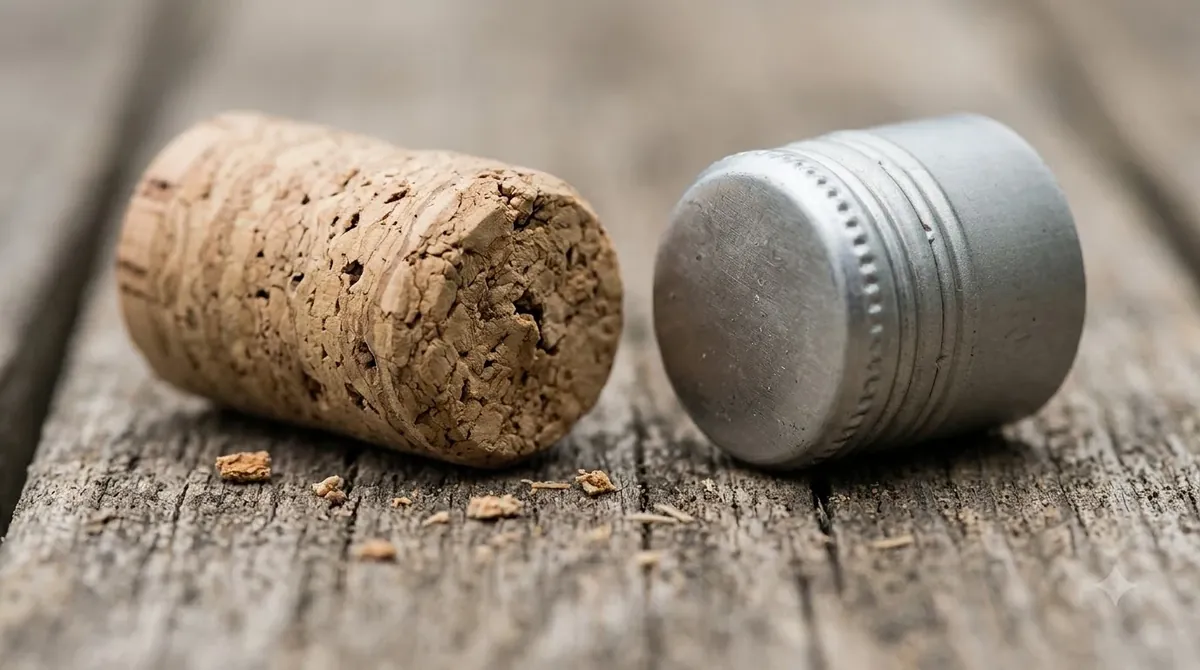
Start with temperature, because modern room temperature—often 70°F to 75°F—is too warm for full-bodied reds. When Petite Sirah gets too warm, the alcohol feels sharp and heavy, masking the violet and mineral aromatics beneath the dark fruit. As winemakers at Stags’ Leap Winery note, cooling the wine to around 65°F brings out its floral and mineral nuances while keeping the palate brisk. Place a room-temperature bottle in the refrigerator for 15 to 20 minutes before opening, or pull it from a 55°F wine fridge about 20 minutes prior to pouring.
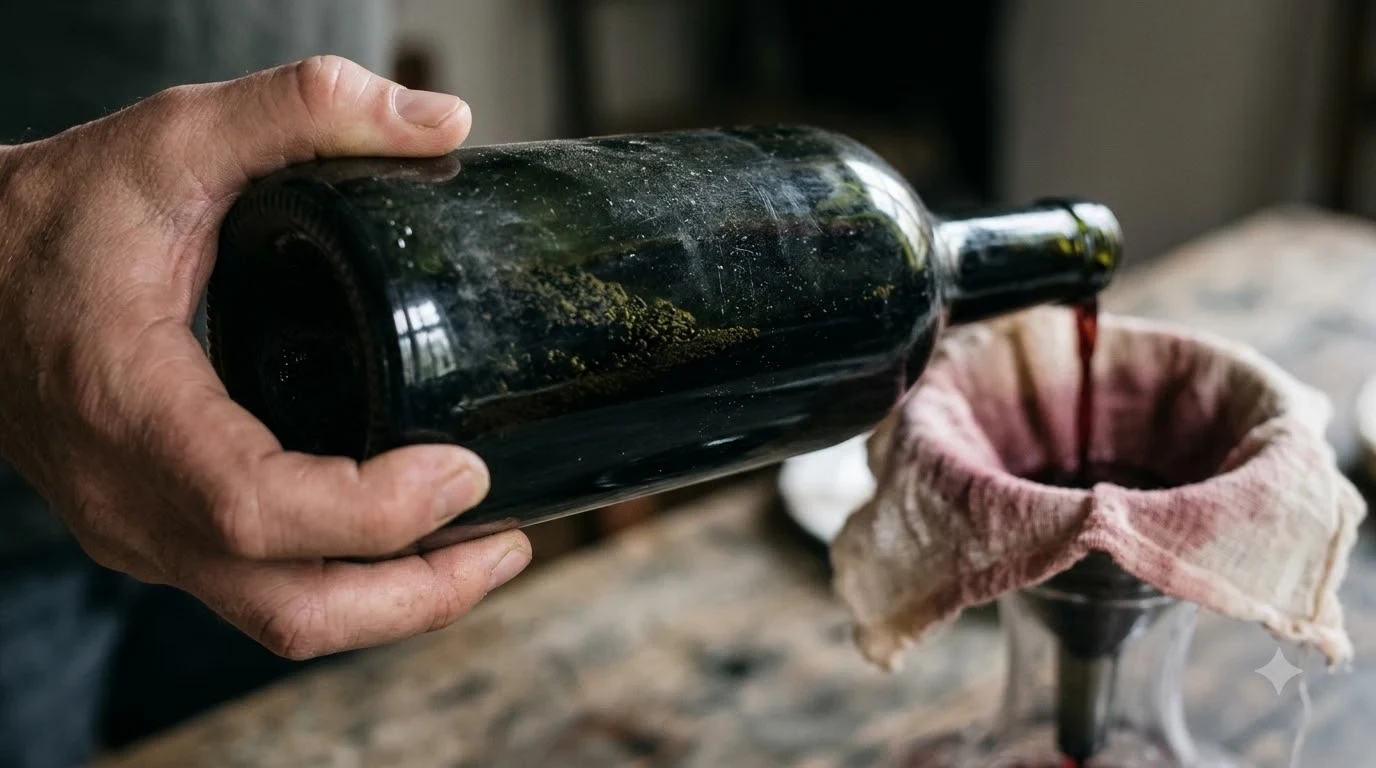
Next, decant the wine based on its age. Young Petite Sirah (under five years old) carries aggressive tannins that benefit from 60 to 120 minutes of oxygen exposure in a wide-bottomed decanter. Oxygen polymerizes harsh tannin chains and lets tight berry and spice aromas bloom. If you are short on time, even 30 minutes of aeration or pouring through an aerator makes a noticeable difference. For older bottles aged ten years or more, stand the bottle upright for 24 hours so heavy pigment sediment settles to the bottom, then decant gently for 15 to 30 minutes solely to separate the clear wine from the sediment.
Finally, choose a large-bowled Bordeaux or universal red wine glass with a wide opening. A generous bowl gives you room to swirl without spilling and creates surface area for concentrated aromas to rise toward the rim. Pour modest three- to four-ounce servings so the wine stays cool in the glass and continues evolving as you drink.
| Serving Factor | Young Petite Sirah (1–5 Years) | Aged Petite Sirah (6+ Years) |
|---|---|---|
| Serving Temperature | 60–65°F (15–18°C) | 62–65°F (16–18°C) |
| Decanting Time | 60–120 minutes in a wide-base decanter | 15–30 minutes (pour slowly for sediment) |
| Glassware | Large-bowled Bordeaux or universal red glass | Large-bowled red wine glass |
| Primary Goal | Soften firm tannins and open dense fruit | Remove sediment and preserve delicate bouquet |
Tip: Wash your decanter with hot water and unscented soap, then rinse thoroughly and air-dry it upside down—any lingering dish soap fragrance will cling to the glass and flatten Petite Sirah’s floral aromas.
Food Pairing Ideas
Petite Sirah requires rich, intensely flavored dishes with enough fat, protein, or smoky char to match its high tannin and full body. Serving it alongside delicate seafood or light salads will overwhelm the food and make the wine taste overly astringent.
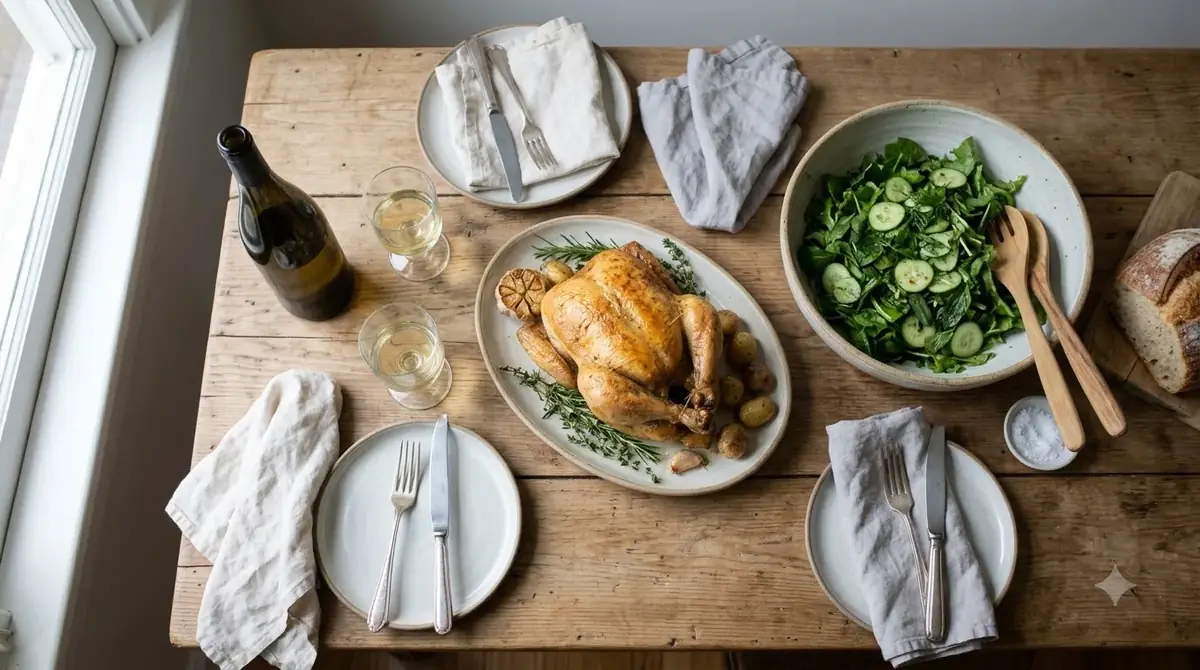
Grilled and smoked meats are natural partners because protein and fat bind to the wine’s tannins, smoothing out the finish while the wine cuts through richness. Charred ribeye steaks, smoked beef brisket, baby back ribs, and pepper-crusted pork tenderloin all match the wine’s weight. Savory braises—such as slow-cooked lamb shanks with rosemary and garlic or beef short ribs—also echo the wine’s herbal and peppery undertones.
Bold spices and umami-rich vegetarian dishes work remarkably well, too. Chicken in rich mole sauce, medium-spiced curries, grilled portobello mushrooms, and black bean dishes stand up easily to the wine’s structure. For cheese boards, skip mild, creamy cheeses and reach for firm, aged selections like aged Gouda, sharp cheddar, Manchego, or pungent blue cheese, which stand up to the wine’s concentration without turning bitter.
How to Choose a Bottle
Selecting the right Petite Sirah comes down to matching the bottle’s regional style and vintage age to your timeline and menu. Because the grape is built for longevity, both recent releases and cellared bottles offer distinct experiences.
Look at the appellation on the label to gauge the style before you open it. Bottles from Napa Valley, Sonoma, and Paso Robles often highlight structured tannins, dark blueberry fruit, and cocoa notes that reward a longer decant alongside steak or lamb. Bottlings from Lodi or Mendocino frequently showcase plush, jammy blackberry character and sweet spice that drink smoothly even with a shorter 30- to 45-minute decant. You can compare how these regional profiles stack up against other bold reds in our guide to Wine by Type.
Check the vintage year as well. If you want vibrant, exuberant fruit and maximum grip for a barbecue, choose a bottle from the last two to four years and plan to decant it before guests arrive. If you prefer softer tannins and savory notes of leather, dried fig, and cedar, look for a bottle with seven to ten years of age—just remember to handle it gently so you leave any sediment behind in the bottle.
Frequently Asked Questions
Should you chill Petite Sirah before serving?
Yes, chilling Petite Sirah slightly to 60–65°F (15–18°C) keeps its full alcohol balanced and highlights floral and mineral notes. About 15 to 20 minutes in a standard refrigerator brings a warm room-temperature bottle into the ideal serving range.
How long should you decant Petite Sirah?
Young Petite Sirah benefits from 60 to 120 minutes in a wide-bottomed decanter to soften its thick-skinned tannins and open up dark fruit aromas. Mature bottles over six to ten years old need only 15 to 30 minutes of gentle decanting to separate the wine from natural sediment.
What kind of glass is best for Petite Sirah?
Use a large-bowled red wine glass, such as a Bordeaux glass or a generous universal crystal stem. The wide bowl gives the dense wine plenty of air contact when swirled and concentrates its blackberry, cocoa, and black pepper aromatics toward the rim.
How long does an open bottle of Petite Sirah last?
Because Petite Sirah is packed with natural antioxidants from its thick skins and tannins, an undecanted bottle recorked and stored in the refrigerator typically stays fresh for three to five days. Once decanted, however, the wine has already absorbed significant oxygen and is best finished within 12 to 18 hours.
Serving Petite Sirah well does not require complicated sommelier rituals—just a short chill, enough time in a decanter to tame its youthful grip, and a hearty meal on the table. When temperature and aeration align, this inky red transforms from an intense powerhouse into a layered, expressive centerpiece for dinner.
More in Wine Types & Grapes
 Zinfandel Sugar Content: Dry Red vs. White Zinfandel GramsUpdated Nov 21, 2026
 Best Zinfandel Substitute Options for Sipping and CookingUpdated Nov 21, 2026
 Zweigelt Food Pairing: Best Dishes, Cheeses, and Serving TipsUpdated Nov 21, 2026
 Zinfandel Tannins Explained: How Structure Shapes Every BottleUpdated Nov 21, 2026
 Zinfandel Sweetness Level: Dry Red vs. Sweet White Zin ExplainedUpdated Nov 21, 2026
 Xinomavro Food Pairing: Best Dishes, Styles, and Serving TipsUpdated Nov 21, 2026