

We may earn a commission when you buy through links on this page, at no extra cost to you. Learn more.
Zenato wine is a benchmark portfolio of northern Italian wines produced by Cantina Zenato, a family-owned estate founded in 1960 in Italy’s Veneto region. The winery is best known for championing crisp white Lugana made from the native Trebbiano di Lugana grape along the southern shore of Lake Garda, alongside structured red wines—most notably Amarone della Valpolicella and Ripassa—from the nearby Valpolicella hills. Today, the second generation of the Zenato family oversees around 95 hectares of vineyards across two distinct microclimates, exporting bottles to more than 60 countries.
Few Italian producers bridge two contrasting wine styles as smoothly as Zenato. On one side of the portfolio sits lakeside white wine defined by bright acidity, floral aromatics, and clay-driven minerality; on the other sits rich, velvety red wine shaped by traditional grape-drying methods in the hills north of Verona. Understanding how these two territories shape the bottles makes it much easier to pick the right style for your table or cellar.
Who Makes Zenato Wine
Cantina Zenato was founded in 1960 by Sergio Zenato and his wife, Carla, in San Benedetto di Lugana near Peschiera del Garda, and the winery remains family-run under their children, Alberto and Nadia Zenato.
When Sergio Zenato established the estate, Lugana was largely overlooked and treated as a simple bulk white wine rather than a serious regional specialty. He recognized that the local Trebbiano di Lugana grape—known locally as Turbiana—had the natural acidity and structure to produce expressive, age-worthy whites. Through stricter vineyard management and careful cellar work, the family helped turn Lugana into one of northern Italy’s most respected white wine appellations.
Building on that success by Lake Garda, Sergio Zenato expanded into the historic Valpolicella Classico zone around Sant’Ambrogio. In the 1990s, he helped revive interest in the traditional ripasso method, passing young Valpolicella wine over the warm grape skins left behind after pressing Amarone. Today, Alberto directs vineyard and cellar operations while Nadia leads international sales and brand projects, keeping the portfolio anchored in indigenous Veneto varieties while exploring historic Wine Brands and regional expressions across Italy.
Where Zenato Vineyards Grow
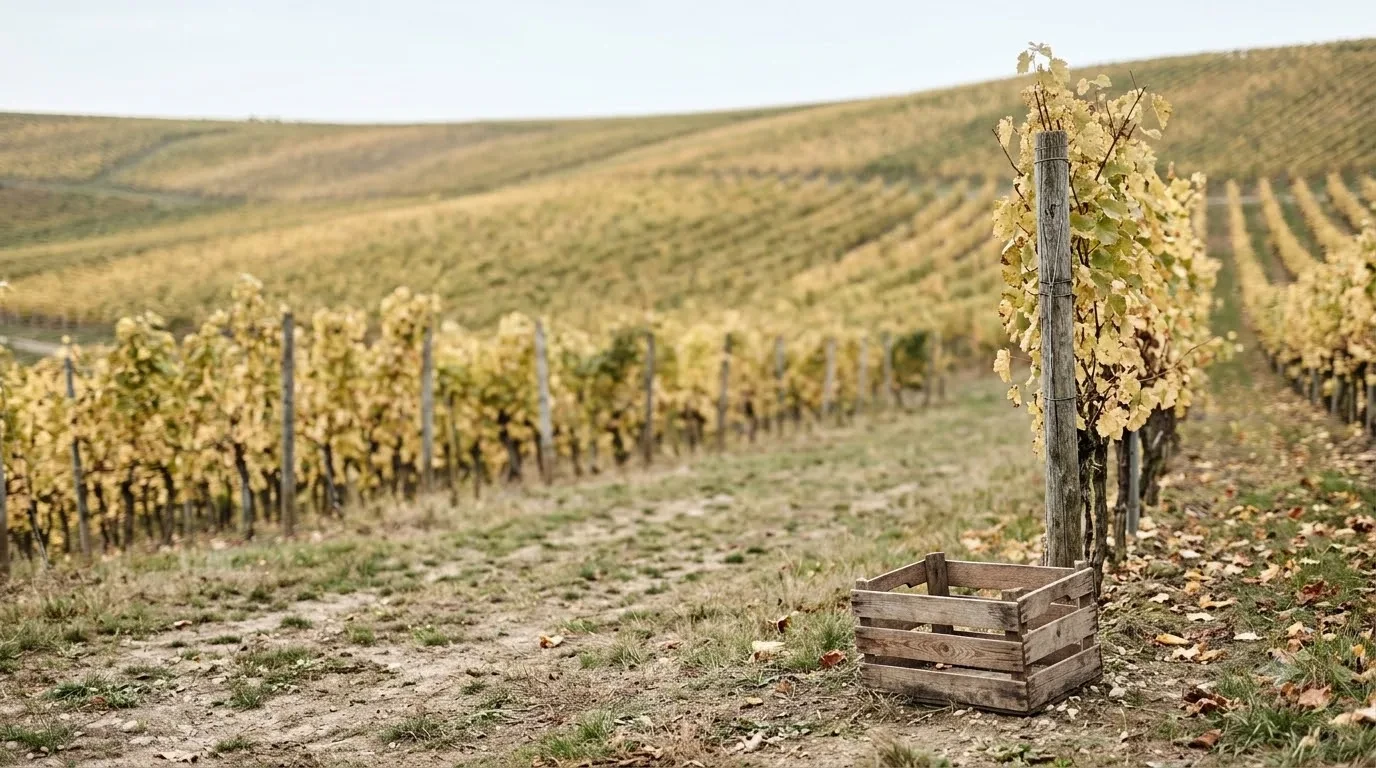
Zenato farms approximately 95 hectares of vines divided between two contrasting estates in the Veneto: Tenuta Santa Cristina on the flat, clay-rich southern shore of Lake Garda and the Costalunga estate in the limestone hills of Valpolicella Classico.
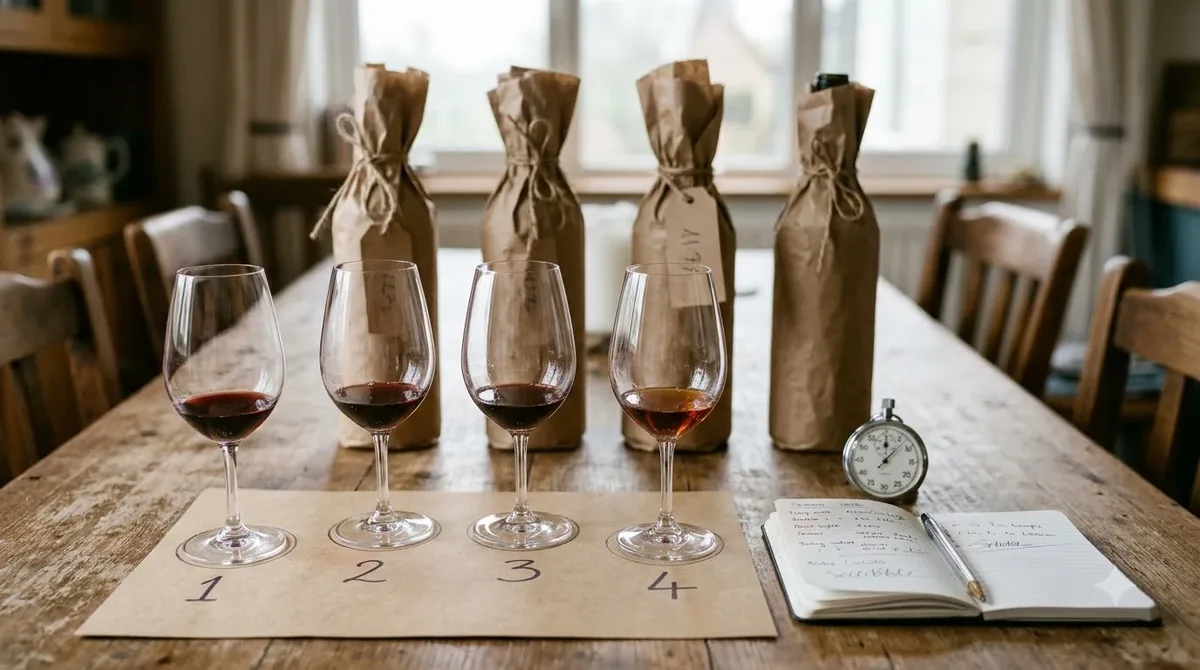
The home estate sits in San Benedetto di Lugana at roughly 70 to 80 meters above sea level. Here, ancient glacial activity left behind heavy Cretaceous clay and silt soils layered with mineral deposits. Lake Garda acts as a natural thermal regulator, moderating winter frosts and cooling warm summer afternoons with steady lake breezes. These conditions allow Trebbiano di Lugana grapes to ripen slowly while retaining vibrant natural acidity and savory depth.
Inland to the northeast, the Costalunga estate rises to between 300 and 350 meters above sea level on south-east-facing slopes in Sant’Ambrogio di Valpolicella. Instead of heavy lake clay, the soil here is predominantly chalky limestone packed with stones and volcanic tuff. Higher elevation and cooler nighttime temperatures slow down sugar accumulation and preserve aromatic freshness in red grapes like Corvina, Corvinone, Rondinella, and Oseleta, which is essential before those clusters undergo months of drying for Amarone.
The Zenato Wine Lineup
The Zenato portfolio spans sparkling, white, and red wines organized around its two core estates, anchored by flagship bottlings of Lugana, Valpolicella Ripasso, and Amarone della Valpolicella.
On the white wine side, the entry point is Lugana San Benedetto, a stainless-steel-fermented white designed for purity and freshness, alongside Lugana S. Cristina, sourced from 50-year-old vines in the historic Podere Massoni vineyard. At the top of the white range sits Lugana Riserva Sergio Zenato, harvested slightly later from the oldest Podere Massoni vines and fermented partly in oak casks (70 percent) and partly in stainless steel (30 percent) for added weight and aging potential. The estate also produces a traditional-method sparkling Lugana Brut that ages on its lees for roughly 32 months.
On the red wine side, Zenato crafts a classic Valpolicella Superiore alongside its signature Ripassa Valpolicella Ripasso Superiore, which undergoes a second brief fermentation on Amarone pomace. For Amarone della Valpolicella Classico, hand-picked clusters of Corvina Veronese, Rondinella, Oseleta, and Croatina are dried in ventilated lofts for three to four months before fermentation and roughly four years of aging in large oak barrels. Collectors also seek out the Amarone della Valpolicella Classico Riserva Sergio Zenato, bottled only in standout vintages, as well as single-variety Corvina bottlings like Cresasso and the Corvina-led blend Alanera.
| Wine | Appellation | Primary Grapes | Aging Profile | Style |
|---|---|---|---|---|
| Lugana S. Cristina | Lugana DOC | 100% Trebbiano di Lugana | 4 to 5 months in stainless steel, plus 2 to 3 months in bottle | Crisp, mineral, aromatic dry white |
| Lugana Riserva Sergio Zenato | Lugana DOC | 100% Trebbiano di Lugana | Fermented in 70% oak cask and 30% stainless steel | Full-bodied, complex age-worthy white |
| Lugana Metodo Classico Brut | Lugana DOC | 100% Trebbiano di Lugana | Around 32 months on the lees in bottle | Dry, creamy traditional-method sparkling |
| Ripassa Valpolicella Ripasso | Valpolicella Ripasso DOC | Corvina, Rondinella, Oseleta | Re-fermented on Amarone pomace, then oak-aged | Rich, velvety medium-to-full-bodied red |
| Amarone della Valpolicella Classico | Amarone della Valpolicella DOCG | 85% Corvina Veronese, 10% Rondinella, 5% Oseleta & Croatina | 3 to 4 months grape drying, plus ~4 years in large oak casks | Powerful, concentrated, structured dry red |
Taste Profile Across Styles
Zenato wines split into two clear sensory profiles: bright, citrus-and-almond-driven white wines from Lake Garda and dark, dried-fruit-and-spice red wines from Valpolicella.
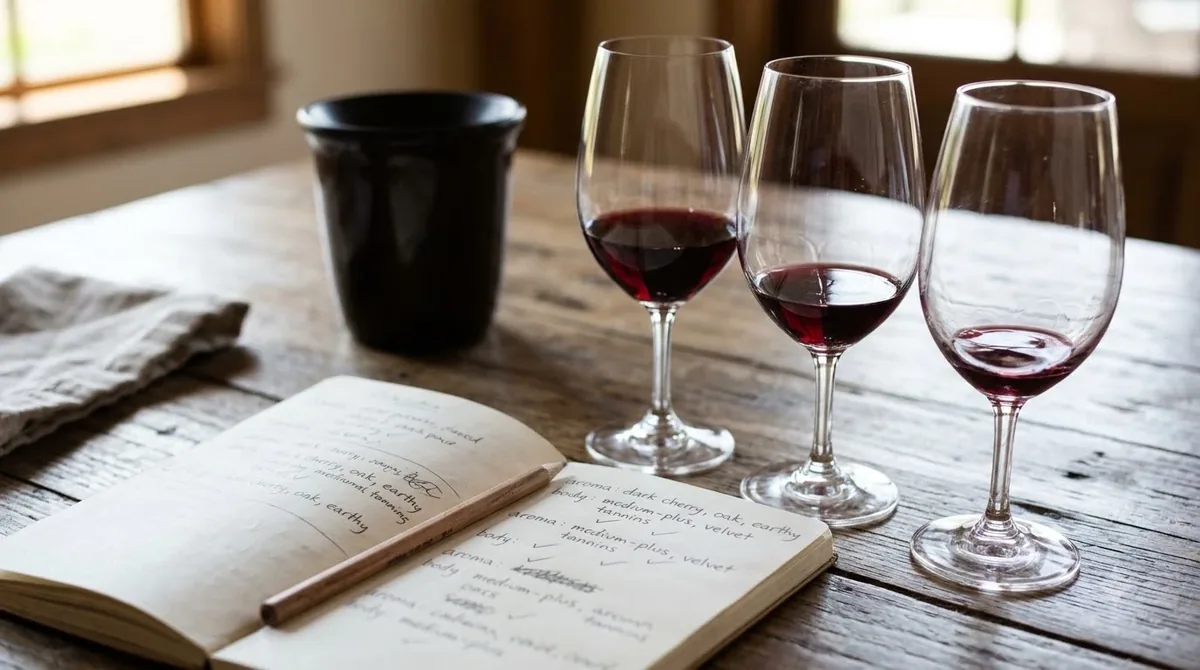
In the glass, standard Lugana bottlings show a pale straw-yellow hue with greenish reflections. According to technical notes from Zenato, the bouquet opens with white flowers like acacia and hawthorn layered over white peach, citrus, grapefruit, and subtle tropical fruit. On the palate, the wine balances medium body with brisk acidity, a distinct salty mineral streak from the clay soil, and a clean green-almond finish. Stepping up to the Lugana Riserva introduces golden color, white plum, dried apple, baking spice, and gentle vanilla notes from oak fermentation.
The red wines move in a much deeper direction while keeping firm acidity so they never feel heavy. Ripassa offers vibrant red cherry, blackberry, chocolate, and sweet spice framed by smooth, polished tannins. Amarone della Valpolicella Classico deepens into garnet-rimmed ruby with concentrated aromas of maraschino cherry, dried plum, fig, sweet tobacco, leather, cocoa, and balsamic herbs. If you appreciate the dense dark-fruit intensity of bogle petite sirah wine, Zenato’s Ripassa and Amarone deliver a similarly plush mouthfeel with distinctly Italian dried-cherry and spice complexity.
How to Serve and Pair Zenato Wine
Serving temperature makes a major difference across the Zenato catalog, as the crisp whites require thorough chilling while the dried-grape reds need cellar-cool warmth and aeration to open up.
The producer recommends serving Lugana Metodo Classico Brut at 7 to 8 degrees Celsius (45 to 46 degrees Fahrenheit) and still Lugana bottlings at 9 to 10 degrees Celsius (48 to 50 degrees Fahrenheit). At that temperature, Lugana pairs effortlessly with freshwater lake fish such as pike or whitefish, raw shellfish drizzled with olive oil, seafood risotto, grilled white meats, and fresh cow’s milk cheeses like ricotta or stracchino.
For Ripassa and Amarone della Valpolicella Classico, aim for 18 degrees Celsius (64 degrees Fahrenheit). Opening Amarone at least an hour before pouring lets the tight balsamic, dried-fig, and spice aromatics unfurl. Pair Ripassa with mushroom risotto, roasted poultry, grilled sausages, or pasta in rich herb-and-tomato ragu. Save Amarone for slow-braised beef, roasted game, ossobuco, and aged hard cheeses like Parmigiano-Reggiano or aged Monte Veronese.
Tip: Chill Lugana in the refrigerator for about two hours, then let it sit on the counter for 10 minutes before pouring so its white-flower and stone-fruit aromatics do not get muted by extreme cold.
Who Zenato Wine Suits Best
Because the winery covers both vibrant lakeside whites and full-throttle northern Italian reds, Zenato appeals to several very different types of wine drinkers.
White wine fans who normally reach for Pinot Grigio, Sauvignon Blanc, or Chablis often gravitate toward Zenato Lugana because it offers more mid-palate texture and savory minerality than simple patio whites without relying on heavy oak. Reviewers at publications like Wine Enthusiast and Wine Spectator have also highlighted the aging potential of the Riserva bottlings, making them rewarding picks for drinkers who enjoy structured whites alongside roasted poultry or richer seafood dishes.
On the red side, Ripassa and Amarone suit drinkers who love full-bodied, velvety wines with generous fruit concentration and low astringency. Ripassa serves as an approachable weeknight or dinner-party red for fans of Zinfandel, Malbec, or Cabernet Sauvignon who want something smooth and spice-driven, whereas Amarone fits special occasions and long-term cellar aging. While casual everyday drinkers might browse accessible domestic staples like main and vine wine or unconventional blends like apothic brew for informal evenings, Zenato gives traditionalists a clear ladder from crisp everyday Lugana up to collectible Amarone.
Frequently Asked Questions
Is Zenato wine dry or sweet?
Zenato’s core lineup of Lugana, Valpolicella, Ripassa, and Amarone is vinified dry. Even though Amarone and Ripassa are made using dried grapes, the yeast ferments nearly all of the concentrated grape sugars into alcohol, leaving a rich, velvety fruit impression without sugary sweetness.
What is the difference between Zenato Ripassa and Zenato Amarone?
Amarone is made entirely from whole grape clusters dried for three to four months before pressing and aging for roughly four years in oak. Ripassa is a regular Valpolicella wine that undergoes a second brief fermentation on the leftover grape skins from Amarone production, giving it extra body, color, and spice while remaining lighter and quicker to mature than full Amarone.
What grape is used in Zenato Lugana?
Zenato Lugana is made from 100 percent Trebbiano di Lugana, a native white grape known locally around Lake Garda as Turbiana. Genetic research has shown it is closely related to Marche’s Verdicchio rather than central Italian Trebbiano varieties, which explains its bright acidity, floral nose, and aging capacity.
Does Zenato Amarone need to be decanted?
Yes, opening or decanting Zenato Amarone about an hour before serving is recommended by the winery. Exposure to oxygen softens its dense tannins and allows layered notes of dried cherry, fig, cocoa, and sweet tobacco to open up in the glass.
Whether you start with a chilled bottle of Lugana from the shores of Lake Garda or decant a bottle of Ripassa or Amarone from the hills of Valpolicella, Zenato wine offers a clear window into two of Veneto’s signature wine styles. Paying attention to serving temperatures and matching each bottle’s weight to the food on your table will bring out the best in every expression across the estate.
More in Wine Brands
 Underwood Wine Price: Compare Bottles, Cans, and Pack SizesUpdated Nov 21, 2026
 Zenato Wine Price: Compare Styles and Choose the Right BottleUpdated Nov 21, 2026
 Zuccardi Wine Price: Compare Bottles and Find the Right RangeUpdated Nov 21, 2026
 Yellow Tail Moscato Review: Taste, Sweetness and Serving TipsUpdated Nov 21, 2026
 Wolf Blass Yellow Label Review: Choose Your Best StyleUpdated Nov 21, 2026
 Wolffer Estate Rose Review: Choose the Right Bottle for Your TableUpdated Nov 21, 2026