

We may earn a commission when you buy through links on this page, at no extra cost to you. Learn more.
The best rv wine cooler for most rigs is a compact, front-venting compressor wine refrigerator with a locking door, because it holds exact cellar temperatures in hot parked campers and keeps bottles from sliding out on bumpy roads. Travelers who boondock off-grid often prefer a 12-volt DC chest-style compressor cooler to avoid inverter power loss, while Class A motorhome owners with full shore power can install dual-zone built-in units to chill reds and whites simultaneously. If you only take weekend trips in mild climates, a lightweight thermoelectric countertop chiller offers whisper-quiet operation without heavy battery draw.
Keeping wine happy on the road is harder than storing it in a residential kitchen. RVs experience wild cabin temperature swings when parked at trailheads, tight cabinetry clearances with minimal airflow, constant road vibration, and strict limits on 12-volt battery or inverter power. Choosing the right style of RV wine fridge comes down to matching the cooling mechanism, power input, and door hardware to how you actually camp.
Quick Comparison
Each RV wine cooler category balances power compatibility, ambient heat tolerance, and road-ready security differently depending on your rig and travel style.
| Cooler Type | Cooling System | Power Source | Road Security | Best Ambient Conditions |
|---|---|---|---|---|
| 12V Built-In Undercounter | Compressor | 12V DC (or 12V/110V dual) | Door latch & recessed shelves | Hot & fluctuating climates |
| 12V Portable Chest Cooler | Compressor | 12V/24V DC & 110V AC | Top-opening latched lid | Off-grid & extreme summer heat |
| Slim 110V Built-In Column | Compressor | 110V AC (shore/inverter) | Key lock & scalloped racks | Full-hookup & luxury coaches |
| Dual-Zone Built-In Cabinet | Compressor | 110V AC (shore/inverter) | Key lock & beechwood cradles | Mixed red & white collections |
| Compact Thermoelectric Chiller | Peltier / Solid-State | 110V AC or 12V DC adapter | Magnetic seal (needs strap) | Mild climates & quiet sleeping areas |
Best for Off-Grid Boondocking: 12V Built-In Undercounter Compressor Coolers
Purpose-built 12-volt undercounter compressor wine fridges wire directly into your RV’s house battery bank, eliminating the energy waste of running a DC-to-AC inverter around the clock.
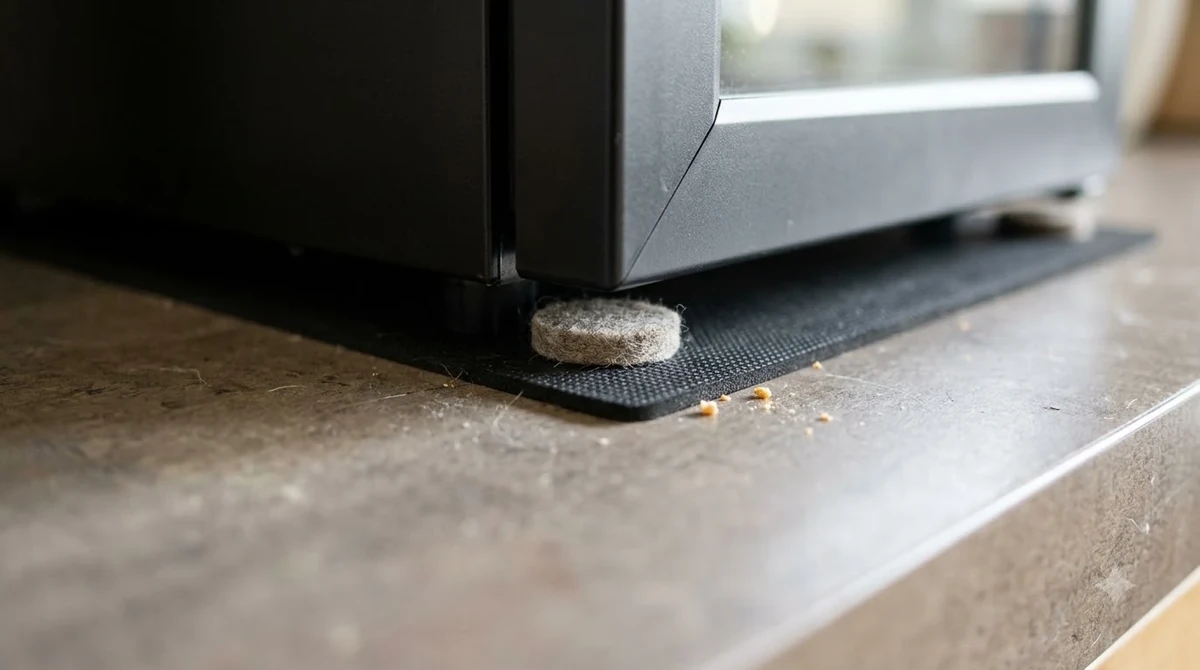
Why it stands out: Unlike household wine fridges that rely on 110-volt wall outlets, native 12V RV wine coolers—such as the marine- and RV-focused cabinet units offered by manufacturers like Furrion’s Everchill line—run directly off your coach battery system. Because they use vapor-compression refrigeration rather than solid-state cooling pads, they maintain steady cellar temperatures around 55°F even when summer cabin temperatures climb past 85°F. Many RV-specific models also incorporate positive travel latches and contoured wire racks so glass bottles stay put over washboard roads and highway expansion joints.
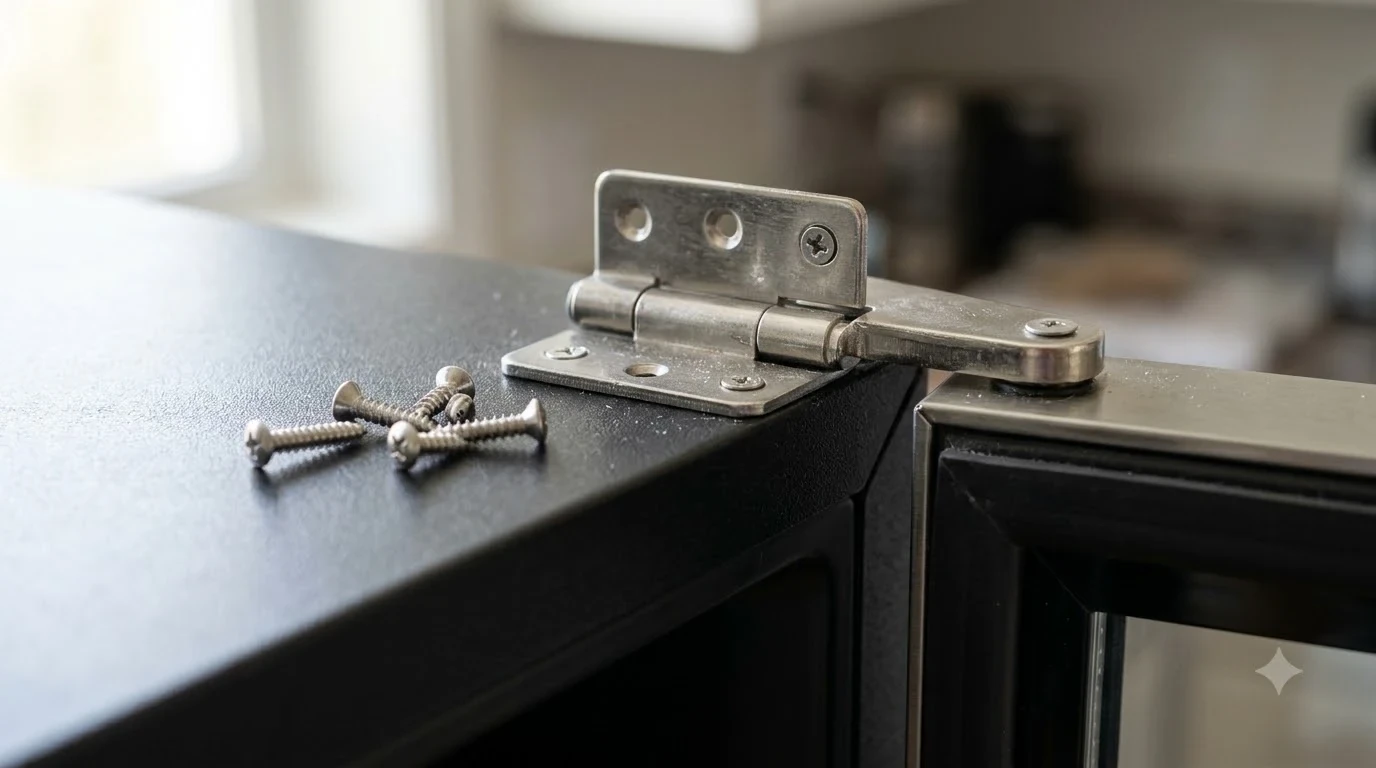
Keep in mind: Installing a permanent 12V built-in cooler requires running properly gauged 12-volt wiring, fusing the circuit, and verifying exact cutout depth in your galley cabinetry. Best for: Full-timers and dry campers with solar or lithium battery banks who want permanent, residential-style wine storage without turning on an inverter.
Best for Van Life & Tow Vehicles: Portable 12V Chest-Style Compressor Coolers
Top-opening 12-volt electric compressor coolers double as rugged, high-efficiency wine cellars that fit inside campervans, truck beds, or RV pass-through storage bays without permanent cabinetry modifications.
Why it stands out: Reviewers at outdoor testing outlets like GearJunkie note that modern 12V compressor coolers feature thick vacuum-insulated walls, tilt tolerance up to 45 degrees for steep mountain grades, and three-stage low-voltage battery protection that shuts the unit off before draining your starter battery. Because cold air sinks, opening a top-access lid releases far less chilled air than swinging open a vertical glass door, keeping power consumption remarkably low during multi-day off-grid stays. You can set the digital thermostat anywhere from 38°F for crisp sparkling wine to 55°F for cellar storage, and stand bottles upright or nestle them in padded dividers.
Keep in mind: You lose the visual display of a glass-front cabinet, and heavy bottles must be packed with padded sleeves or dividers so they do not clink together on rough terrain. Best for: Class B campervan travelers, truck campers, and anyone wanting a portable chiller that moves easily between the tow vehicle and campsite.
Best for Narrow RV Galleys: Slim 15-Inch Front-Venting 110V Built-In Coolers
Narrow 15-inch built-in compressor wine fridges slide neatly into skinny base-cabinet gaps or beside an RV dry-bar counter while venting heat forward through a bottom toe-kick grille.

Why it stands out: Standard residential appliances expect generous side and rear air gaps, which rarely exist in compact RV floorplans. As appliance specialists at Wine Enthusiast point out, front-venting built-in coolers exhaust warm air out the front louver, allowing flush installation inside tight cabinetry without overheating the compressor. Most slim 15-inch models hold roughly 18 to 30 standard Bordeaux bottles, include an integrated bottom key lock that doubles as a travel latch on the road, and feature UV-tinted double-pane glass to block harsh sunlight streaming through panoramic RV windows. If you are planning multiple storage zones across your floorplan, browsing wine cooler ideas by room helps clarify how slim footprints fit tight corridors.
Keep in mind: These units run on 110V AC power, meaning you need shore power, a generator, or a pure-sine-wave inverter sized to handle compressor startup surges. Best for: Fifth-wheel and Class A owners replacing an underutilized trash compactor or narrow cabinet with a built-in wine fridge.
Best for Mixed Red & White Collections: Dual-Zone Built-In Wine Refrigerators
Dual-zone RV wine refrigerators divide the interior into two independently controlled climate compartments so you can keep whites ready to pour while holding reds at proper cellar temperature.
Why it stands out: While all wines age safely around 55°F, serving temperatures differ noticeably—crisp Sauvignon Blanc and sparkling wine shine at 45°F to 50°F, whereas full-bodied Cabernet Sauvignon tastes best between 58°F and 65°F. A dual-zone compressor cabinet eliminates the compromise of over-chilling reds in the main RV food refrigerator or drinking warm whites at summer campsites. Look for models with sturdy sliding beechwood shelves that cradle bottles snugly and a central security lock that keeps the glass door sealed tight when the slides retract for travel.
Keep in mind: The thermal divider between zones reduces total bottle count slightly compared to a single-zone cabinet of identical exterior dimensions, and dual evaporators draw slightly more watt-hours per day. Best for: Couples and hosts with full-hookup rigs who regularly entertain at the campground and serve varied wine styles side by side.
Best for Mild Climates & Quiet Cabins: Compact Thermoelectric Countertop Chillers
Small 6- to 12-bottle thermoelectric wine coolers use solid-state Peltier modules instead of mechanical compressors, delivering near-silent, vibration-free cooling for weekend trips.
Why it stands out: Without a refrigerant compressor cycling on and off, thermoelectric units produce only a gentle, steady fan whisper and virtually zero mechanical vibration—a major advantage when the fridge sits a few feet from an RV bed or dinette. They are lightweight, inexpensive to replace, and easy to tuck onto a counter or inside a deep pantry shelf without altering RV cabinetry. For a deeper look at ultra-quiet desktop footprints that share similar dimensions, see our guide to picking an office wine cooler.
Keep in mind: Thermoelectric coolers only chill about 10°F to 15°F below surrounding cabin air, so if your RV sits un-air-conditioned at 85°F in July, the interior will struggle to stay below 70°F; they also lack built-in travel locks and require a bungee strap or cabinet lip on driving days. Best for: Weekend campers traveling in temperate spring or fall weather with reliable shore power and air conditioning.
How to Choose
Before ordering an RV wine refrigerator, verify five practical specs against your rig’s electrical and floorplan constraints:
- Power Architecture (12V DC vs. 110V AC): Check whether you want the cooler wired directly to your 12-volt house batteries or plugged into a 110-volt GFCI outlet. Running a 110V compressor fridge off a battery bank requires an inverter, which adds 10% to 15% conversion loss on top of the compressor’s rated wattage.
- Cooling Technology vs. Ambient Heat: Choose a compressor system if you ever leave your RV parked in warm weather without continuous air conditioning. Reserve thermoelectric chillers strictly for climate-controlled cabins where ambient temperatures stay below 75°F.
- Door Latching and Bottle Retention: Standard home wine fridges rely solely on weak magnetic door gaskets that pop open during sharp turns or sudden braking. Prioritize units with an integrated key lock, mechanical travel latch, and scalloped or high-lip racks that prevent bottles from rolling forward.
- Ventilation and Cutout Clearance: Measure width, height, and depth carefully—especially accounting for rear power plugs and wheel-well intrusions behind RV cabinetry. Built-in units must vent from the front kickplate; freestanding units need at least 2 to 4 inches of breathing room on the sides and back.
- Capacity and Bottle Shape: Manufacturer bottle counts assume standard 750ml Bordeaux bottles—if you pack wider Pinot Noir, Chardonnay, or Champagne bottles, expect real-world capacity to drop by 15% to 25%. Knowing how many glasses in a bottle of wine (typically five 5-ounce pours) also helps you size a 12- or 18-bottle cooler to match trip length without hauling excess glass weight.
Tip: Even when a built-in RV wine fridge includes a factory key lock, place a non-slip silicone shelf liner on the racks and verify the lock engages cleanly before every drive—a single heavy bottle sliding against an unlatched glass door can shatter the pane on the first sharp corner.
Frequently Asked Questions
Can you run a regular residential wine cooler in an RV?
You can run a standard 110V residential wine cooler in an RV only if you have shore power, a generator, or a properly sized inverter, and if you secure the door for travel. Home units lack mechanical travel latches and often need side and rear clearance that tight RV cabinetry cannot provide, so front-venting models with built-in key locks are much safer.
Should you leave an RV wine fridge running while driving?
Yes, modern RV compressor wine coolers are built to run while driving, provided the unit is firmly anchored and the door is locked. If you have a 110V cooler powered through an inverter, simply leave the inverter switched on during transit, or pre-chill the cabinet before departure so the insulated interior holds temperature for several hours.
Is a compressor or thermoelectric wine cooler better for a camper?
A compressor wine cooler is better for almost all campers because it holds a precise set temperature even when interior RV temperatures climb into the 80s or 90s. Thermoelectric coolers only drop temperatures roughly 10°F to 15°F below ambient room air, making them unreliable in hot weather or parked rigs without air conditioning.
How do you stop wine bottles from rattling and breaking inside an RV fridge?
Choose a cooler with contoured wood or scalloped wire racks, line the shelves with thin non-slip drawer matting, and slip neoprene bottle sleeves over loosely packed bottles. Always engage the door’s key lock or travel latch before moving the rig, and avoid overstuffing wider Burgundy or Champagne bottles where they press directly against the glass door.
Matching your RV wine fridge to your power setup and travel climate protects every bottle from heat damage and road vibration. Once you measure your cabinet cutout—or pick a spot for a 12-volt portable cooler—you can keep reds and whites ready at proper cellar temperatures wherever you park.
More in By Room & User
 Wine Fridge in Bedroom: Choose Quiet Storage That Fits Your SpaceUpdated Nov 20, 2026
 Wine Fridge in Living Room: Choose the Right Size, Style, and SetupUpdated Nov 20, 2026
 Wine Fridge In Dining Room: Choose the Right Size and StyleUpdated Nov 20, 2026
 Wine Fridge In Pantry: Choose the Right Size and SetupUpdated Nov 20, 2026
 Wine Fridge In Kitchen: Choose the Right Fit and PlacementUpdated Nov 20, 2026
 Wine Fridge In Garage: Choose a Cooler That Handles Temperature SwingsUpdated Nov 20, 2026