

We may earn a commission when you buy through links on this page, at no extra cost to you. Learn more.
The best office wine cooler is a quiet, small-footprint unit that sits on a credenza or floor corner, holds one or two dozen bottles, and keeps a steady temperature with minimal noise. An office has different needs from a kitchen. The fridge may share a room with people on calls, it should look tidy beside desks and shelves, and it often serves a mix of gift bottles, client wine and occasional celebrations rather than a daily dinner routine.
Office wine coolers are a niche purchase, and the wrong model can end up too loud, too warm or too large for the room. This guide compares the main styles, explains what to check before buying for a workplace, and answers the questions that office managers and home-office owners ask most often about placement, noise and storage.
Quick Comparison of Office Wine Cooler Types
Office buyers usually choose among a few styles. The differences are mainly footprint, noise level and whether the unit blends with furniture. The table below summarizes the usual trade-offs.
| Cooler type | Footprint | Noise in a quiet room | Best use |
|---|---|---|---|
| Compact countertop | Small, fits a credenza | Low to moderate | Small offices and reception areas |
| Slim freestanding single-zone | Narrow, under-desk or corner height | Moderate, depends on model | Private offices and home offices |
| Dual-zone freestanding | Wider and taller | Moderate | Shared offices storing red and white |
| Thermoelectric unit | Compact | Very low | Cool rooms and quiet spaces |
| Glass-door display unit | Medium, takes a visible spot | Moderate | Client-facing lobbies and meeting rooms |
Best for Private Offices and Home Desks
A compact single-zone cooler works well in a private office where one person decides what goes in and when it is opened. These models hold a modest number of bottles and fit a credenza, side table or floor corner without crowding the desk. Keeping the unit near the desk rather than in a shared corridor makes it easier to check the temperature display.
Why it stands out: A small unit keeps the bottles within reach and avoids a separate trip to a kitchen or storage room.
Keep in mind: Choose a spot with clearance at the back and sides, and keep the unit away from the window if the room gets afternoon sun.
Best for: Solo professionals and home-office owners who keep a few bottles for client visits or personal use.
Best for Shared Offices and Reception Areas
In shared offices, the cooler is often used by several people and may sit where visitors pass. Glass-door units show the bottles and suit a reception area or meeting room, while a solid-door model keeps the interior dark and lets the unit sit in a back room. A dual-zone layout is useful when the team stores both red and white wine for different events.
Why it stands out: A visible unit can double as a feature in a client-facing space, and a dual-zone design keeps two temperatures available without a second appliance.
Keep in mind: Glass doors let in light. A back room or a spot away from windows is better for bottles that will sit for several weeks.
Best for: Teams that host clients or hold regular events with wine.
Best for Quiet Rooms and Calls
Noise is the main concern in an office where people take calls or work in focus mode. Compressor units can produce a steady hum, while thermoelectric models run more quietly but cool less. A thermoelectric unit suits a room that stays at a moderate temperature, and it is a sensible pick for a room with little heat from equipment.
Why it stands out: A quiet unit can share a room with calls and meetings without becoming a distraction.
Keep in mind: Thermoelectric units depend on the room temperature. In a warm office they may not reach a useful serving temperature for white wine, so check the rated cooling range before buying.
Best for: Offices where noise matters most and the room temperature stays moderate.
Best for Gift Storage and Client Bottles
Many offices keep a small stock of wine for client gifts, holiday thank-you notes and celebrations. This use needs organized shelves, a clear view of the labels and enough space for a few gift boxes. A single-zone cooler with adjustable shelves suits this pattern, because the bottles are stored at one steady temperature and can be selected quickly.
Why it stands out: Organized storage means the right bottle is easy to find, and the unit keeps gift wine from sitting in a warm cupboard.
Keep in mind: Track which bottles are gifts and which are for the team, so nothing is taken by mistake. Storing gift wine for long periods is not necessary; the cooler is for short-term holding.
Best for: Sales and client-facing teams that send wine as a regular gesture.
Best for Built-In Look in Executive Spaces
Some executive offices and boardrooms use a built-in or under-counter unit that matches cabinetry. This option gives a finished look, but it needs a fitted opening, correct ventilation and a building or lease that allows the work. Because the installation is permanent, it suits owners who plan to keep the office layout for years.
Why it stands out: A built-in unit looks integrated with the room and frees floor space for furniture.
Keep in mind: Check the ventilation requirement and any warranty terms before installation. Confirm the work with the building manager before cutting any cabinetry.
Best for: Executive suites and fitted pantry areas with a set cabinet opening.
How to Choose an Office Wine Cooler
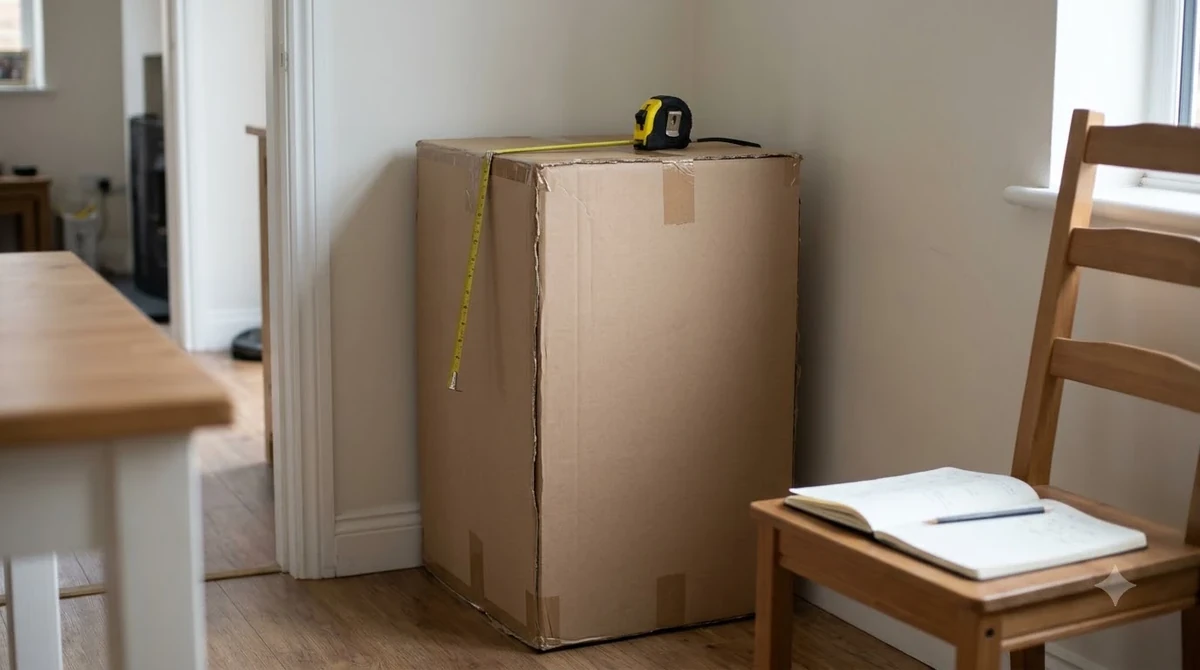
Begin with the room. Measure the planned spot, including the clearance for airflow and the space to open the door without hitting a chair or a wall. Then decide who will use the unit. A single user can manage a single zone, while a shared team may want two zones so red and white are kept apart.
Noise and temperature come next. Ask how loud the unit is in a quiet room, and check the rated temperature range for the room’s usual conditions. Finally, plan the storage: decide how many bottles are needed, whether gift wine will be kept separately, and who is responsible for checking the stock.
Service and ventilation are easy to overlook in an office. A unit that is pushed tight against a wall or boxed in by files and storage bins runs harder and can drift in temperature. Keep the vents clear, dust the grille every few months, and set a simple routine for checking the display. A brief check each week takes less time than sorting out a warm cabinet after a holiday event.
- Measure the spot and leave clearance for airflow and the door swing.
- Choose one zone for a single user, two zones for a shared team.
- Check the noise level and the room temperature before buying a thermoelectric unit.
- Decide who owns the stock and how gift bottles are tracked.
Frequently Asked Questions
How many bottles should an office wine cooler hold?
Most offices need a small stock rather than a full cellar, so a compact unit that holds a few dozen bottles is often enough. Count the bottles you usually keep for gifts and events, then add room for a few spares before choosing a size.
Is a wine cooler too loud for an office?
It depends on the model and the room. Compressor units produce a steady hum, while thermoelectric models run more quietly. Test the sound level in a quiet room if possible, and place the unit away from the main desks.
What temperature should office wine storage stay at?
Storage references describe a range of about 7 to 18 °C (45 to 64 °F) for wine, with 13 °C (55 °F) cited as ideal for both short-term storage and aging. Keep the unit in a room that avoids large temperature swings, since frequent changes are harder on wine than a single steady setting.
Can an office wine cooler be placed in a shared kitchen?
Yes, if there is space and an electrical outlet nearby. Check the clearance and the door swing so the unit does not block the sink or fridge. Label bottles clearly so shared stock is not taken by mistake.
An office wine cooler should suit the room, stay quiet and hold a steady temperature. Measure the planned spot, decide who will use the stock, and choose a style that fits the way the office hosts clients and events. For more context on where a unit fits, the guide to wine fridges by room covers common layouts, and the kitchen island wine refrigerator guide covers units for shared kitchens.
For background on storage temperatures, the Wikipedia article on wine cellars describes the temperature range and stability that matter for keeping wine in a small unit.
More in By Room & User
 Wine Fridge in Bedroom: Choose Quiet Storage That Fits Your SpaceUpdated Nov 20, 2026
 Wine Fridge in Living Room: Choose the Right Size, Style, and SetupUpdated Nov 20, 2026
 Wine Fridge In Dining Room: Choose the Right Size and StyleUpdated Nov 20, 2026
 Wine Fridge In Pantry: Choose the Right Size and SetupUpdated Nov 20, 2026
 Wine Fridge In Kitchen: Choose the Right Fit and PlacementUpdated Nov 20, 2026
 Wine Fridge In Garage: Choose a Cooler That Handles Temperature SwingsUpdated Nov 20, 2026