

We may earn a commission when you buy through links on this page, at no extra cost to you. Learn more.
When comparing barolo vs primitivo, the core difference comes down to structured northern elegance versus plush southern ripeness. Barolo is a pale, high-tannin, high-acid red wine made from 100% Nebbiolo in Piedmont, while Primitivo is a deeply colored, full-bodied, fruit-forward red grown in Puglia and genetically identical to California Zinfandel. Barolo demands patience and rich, savory food to soften its firm grip, whereas Primitivo delivers immediate blackberry jam, warm spice, and smooth texture right out of the bottle.
Italy produces hundreds of distinct regional reds, yet few pairings illustrate the country’s north-south divide as clearly as these two bottles. Putting them side by side reveals how latitude, soil, and grape genetics shape everything from color in the glass to how long a bottle needs to sit before dinner.
What It Is
Barolo and Primitivo represent two completely different grape varieties, winemaking traditions, and regional identities in Italy. Barolo is a prestigious Denominazione di Origine Controllata e Garantita (DOCG) wine crafted exclusively from Nebbiolo in northern Italy, while Primitivo is a dark-skinned grape variety best known for lush, sun-drenched reds from the southern heel of the Italian boot.
According to Wine Folly, Barolo is often described as deceptive because its translucent garnet color looks light in the glass, much like Pinot Noir, yet the palate hits with intense acidity and gripping tannins. By law, every bottle of Barolo must be made from 100% Nebbiolo and aged for a minimum of 38 months before release, including at least 18 months in wood. Bottlings labeled Barolo Riserva extend that minimum aging requirement to 62 months, ensuring the wine undergoes slow maturation before reaching retail shelves.
Primitivo sits at the opposite end of the stylistic spectrum. Genetically identical to California Zinfandel and originally traced back to Croatia’s Tribidrag grape, Primitivo ripens early—in fact, its name comes from the Latin word primativus, meaning “first to ripen.” Unlike Barolo, which refers strictly to a protected geographic zone, Primitivo is the name of the grape itself, appearing across several southern appellations such as Primitivo di Manduria DOC and Gioia del Colle DOC. Winemakers typically ferment and age Primitivo to preserve its natural fruit generosity and plush mouthfeel rather than chasing decades of bottle evolution.
Flavor and Styles
On the palate, Barolo trades in savory aromatics, tart red fruit, and firm structural tension, while Primitivo leads with ripe dark berries, sweet spice, and higher alcohol warmth. Tasting the two wines back to back highlights how acidity and tannin dictate the overall impression of a red wine.
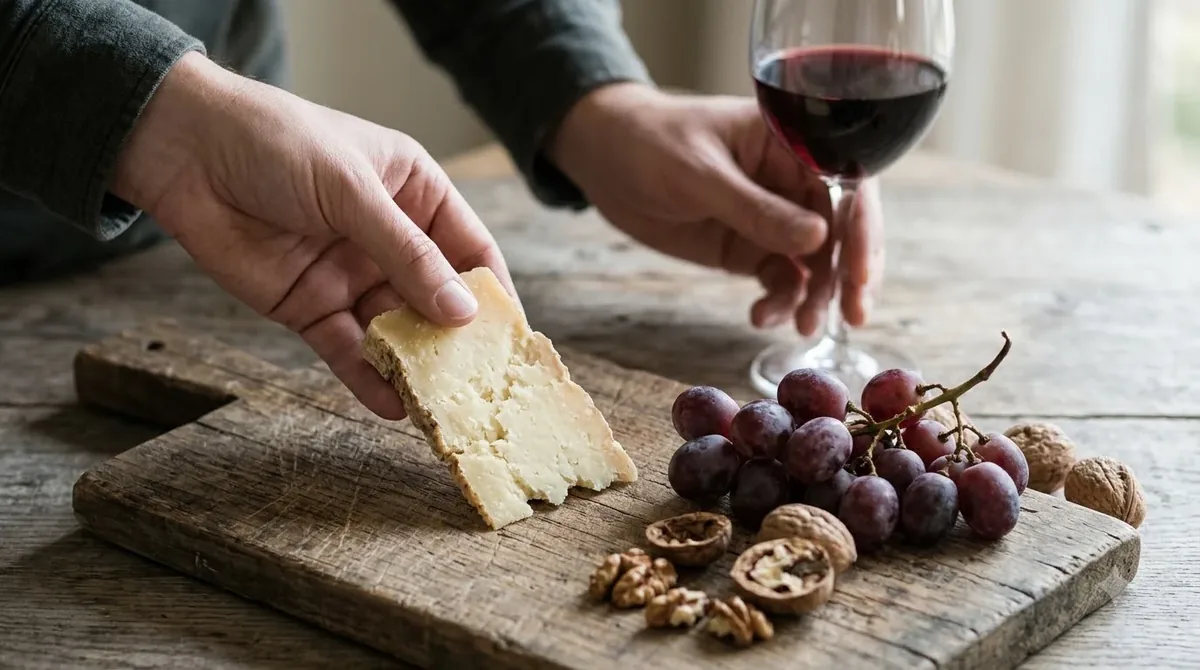
Barolo’s signature aroma profile combines dried rose petals, violets, sour red cherry, and wild raspberry with earthy, savory notes of tar, licorice, leather, and dried herbs. Reviewers at Wine Folly frequently point out the contrast between Nebbiolo’s delicate floral perfume and its mouth-drying astringency. Within the Barolo appellation, stylists generally divide producers into traditionalists and modernists. Traditional Barolo spends years in massive, neutral Slavonian oak casks called botti, preserving pure red fruit and earthy minerality, whereas modern expressions use smaller French oak barriques that round out tannins faster and add subtle vanilla or toast notes.
Primitivo delivers an immediate wave of dark fruit flavors—think blackberry jam, black cherry, ripe plum, dried fig, and blueberry—layered with sweet baking spices like cinnamon, clove, and black pepper. Because Primitivo accumulates high sugar levels in warm climates, finished wines commonly reach 14% to 15.5% ABV, lending an oily, full-bodied texture and a perception of subtle sweetness even when fermented dry. If you enjoy comparing Italian reds across regions, you will see a similar contrast between northern acidity and richness when looking at amarone vs barolo, though Primitivo achieves its weight naturally on the vine rather than through grape-drying.
| Feature | Barolo DOCG | Primitivo |
|---|---|---|
| Grape Variety | 100% Nebbiolo | Primitivo (same clone as Zinfandel) |
| Primary Region | Piedmont (Northern Italy) | Puglia (Southern Italy) |
| Color in Glass | Pale garnet to brick orange | Deep, opaque ruby-purple |
| Key Aromas | Sour cherry, rose petal, tar, leather, anise | Blackberry jam, plum, dried fig, black pepper |
| Body & Tannin | Medium-full body; very high tannins | Full body; soft to medium tannins |
| Acidity | High | Medium |
| Typical ABV | 13.5% – 15% | 14% – 15.5% (sometimes higher) |
| Aging Potential | 10 to 30+ years | 3 to 10 years (best enjoyed young) |
Where It Grows
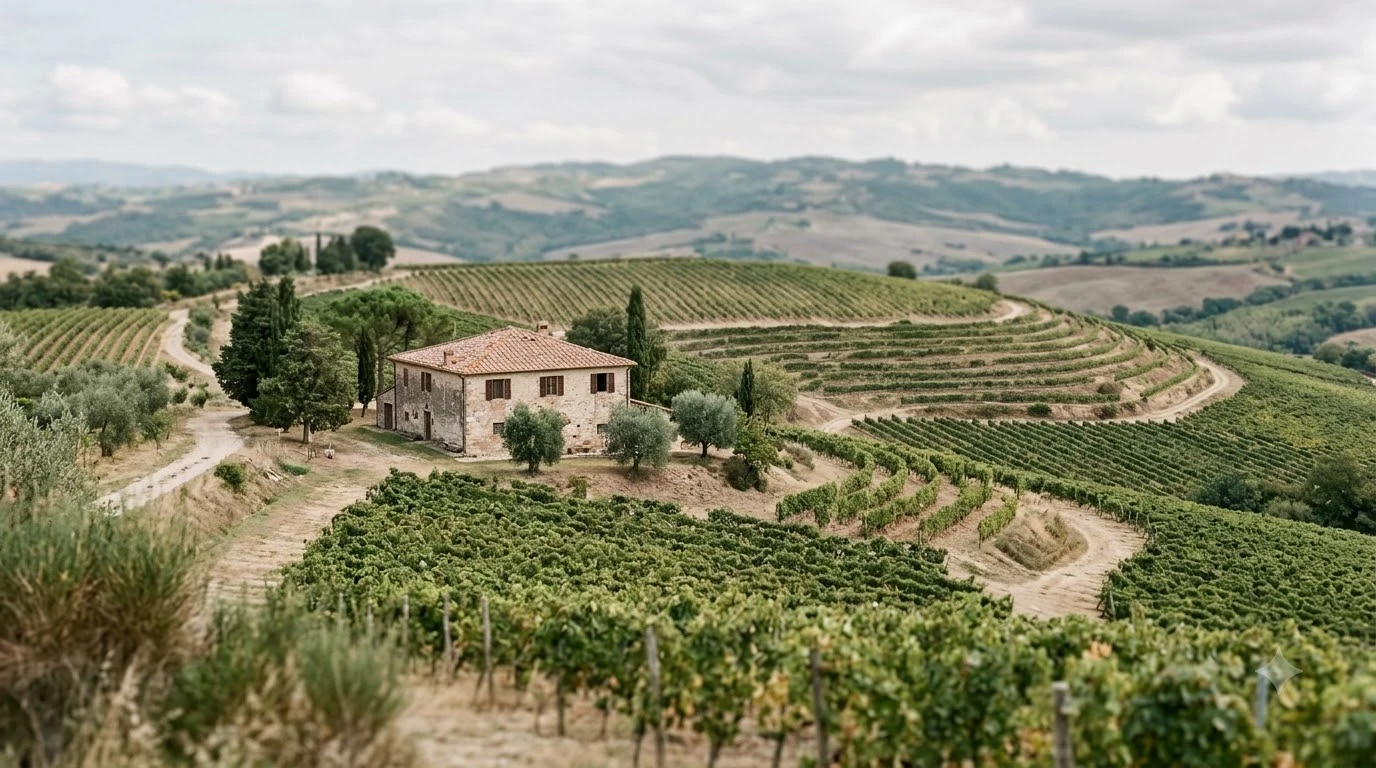
Geography explains nearly every difference between these two wines: Barolo hails from the cool, fog-draped hills of Piedmont in northwestern Italy, while Primitivo thrives under the intense Mediterranean sun of Puglia in the far south. Both regions rely on distinct soils and microclimates to bring their signature grapes to full ripeness.
Barolo is produced in a compact zone of eleven communes in the Langhe hills just south of Alba, where Nebbiolo occupies the highest, best-exposed south- and southwest-facing slopes. The name Nebbiolo derives from nebbia, the Italian word for the dense autumn fog that blankets the valleys during the late October harvest. Soil composition across Barolo divides the region into two distinct camps: communes like La Morra and Barolo sit on calcareous marl and limestone soils that yield more fragrant, softer wines, while Serralunga d’Alba, Monforte d’Alba, and Castiglione Falletto feature compacted sandstone and clay that produce denser, longer-lived bottles.
Down in Puglia, flat coastal plains and limestone plateaus stretch between the Adriatic and Ionian seas. Hot, dry summers and cooling sea breezes allow Primitivo vines—many grown as low-trained, unirrigated bush vines known as alberello—to ripen fruit fully without rot. The most celebrated sub-region, Primitivo di Manduria DOC, spans the provinces of Taranto and Brindisi on the Salento peninsula, where red iron-rich soils over limestone produce deeply concentrated, velvety reds. Further north in the hills around Bari, Gioia del Colle DOC sits at higher elevations, yielding slightly brighter, more aromatic expressions of Primitivo.
How to Serve
Serving temperature and aeration play a critical role in unlocking both wines, though each demands a different approach before pouring. Barolo benefits from extended breathing time to tame its youthful tannins, while Primitivo needs a slight chill to keep its high alcohol from feeling heavy on the finish.
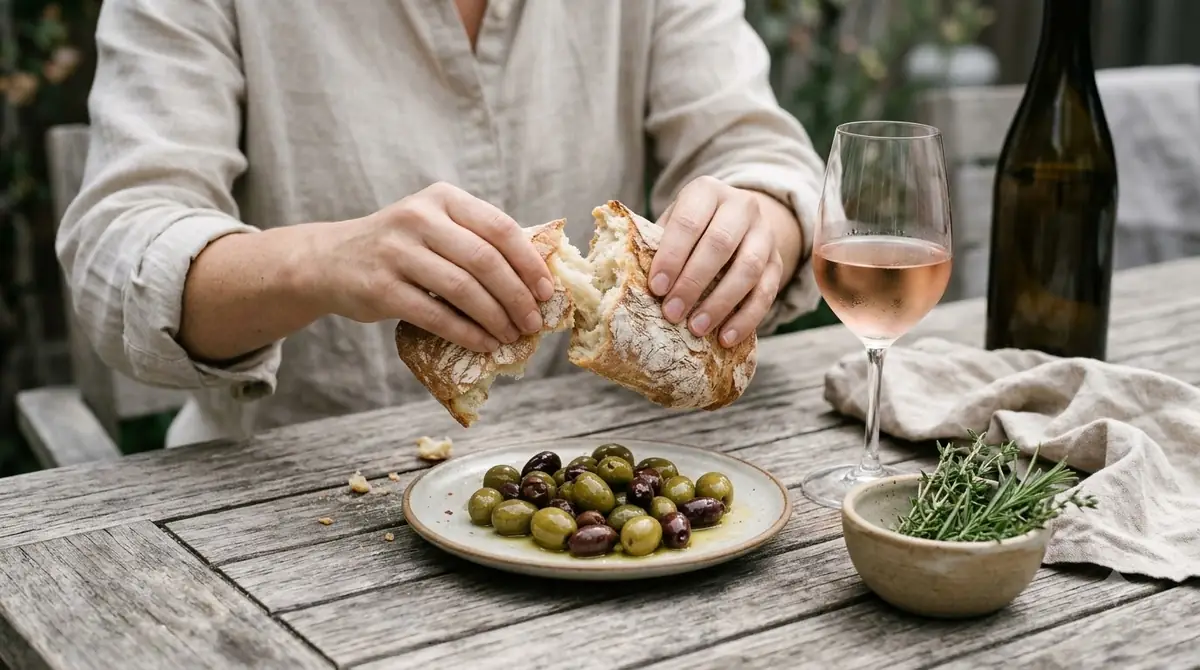
Serve Barolo slightly below room temperature at 55°F to 60°F (12°C to 15°C) in a large, wide-bowled Burgundy or Pinot Noir glass that collects its delicate floral and earthy aromatics. For younger Barolo bottlings—generally anything under ten years old—decanting for one to two hours allows oxygen to soften the wine’s astringent grip and open up its red fruit core. Older vintages of Barolo require gentler handling: stand the bottle upright for a day so fine sediment settles to the bottom, then decant briefly just before serving to separate the clear wine from the deposit without exhausting fragile tertiary aromas.
Primitivo shows best at 60°F to 65°F (16°C to 18°C). Because American homes often sit closer to 70°F or 72°F, pouring Primitivo straight off the kitchen counter can make its 14.5% to 15.5% alcohol taste hot and jammy. Placing the bottle in the refrigerator for 15 to 20 minutes before opening brings it right into the ideal window, keeping the fruit lively and balanced. Standard universal red wine glasses work well for Primitivo, and a quick 30-minute decant is plenty to smooth out any youthful edge.
Tip: Never serve Primitivo at warm room temperature; a quick 15-minute chill in the refrigerator keeps its higher alcohol balanced and sharpens the fresh berry notes.
Food Pairing
Pairing food with Barolo or Primitivo relies on matching structural weight: Barolo’s high acidity and fierce tannins require rich fats, proteins, and umami, while Primitivo’s sweet dark fruit and plush body shine alongside smoky, charred, and spiced dishes. Choosing the wrong match can make Barolo taste overly bitter or cause Primitivo to overwhelm delicate ingredients.
Barolo is built for Piedmont’s hearty, butter- and truffle-laden cuisine. The wine’s mouth-watering acidity slices cleanly through creamy dishes like white truffle risotto, tajarin pasta with butter and sage, or braised beef short ribs cooked in red wine (brasato al Barolo). Fat and protein coat the palate and neutralize Nebbiolo’s astringent tannins, allowing the wine’s rose and cherry nuances to shine. Hard aged cheeses such as Parmigiano-Reggiano or Castelmagno also create effortless harmony. You will find similar savory pairing rules when comparing barolo vs chianti, though Barolo requires even richer fat content to counter its heavier tannin load.
Primitivo thrives next to grilled meats, smoky barbecue, and tomato-based dishes with a touch of sweetness. Its ripe blackberry and plum notes echo the caramelized char on grilled lamb chops, baby back ribs, sausages, and pulled pork, while its soft tannins never clash with smoky spice rubs. In Puglia, locals regularly pour Primitivo alongside orecchiette with hearty meat ragù, baked eggplant parmigiana, and aged pecorino cheese. Avoid pairing Primitivo with delicate poached fish or light salads, as the wine’s full body and alcohol warmth will easily overpower subtle flavors.
How to Choose a Bottle
Selecting between Barolo and Primitivo comes down to the occasion, your timeline for drinking, and the style of red wine you naturally prefer. Reading a few key terms on the front label will help you pinpoint the exact expression inside the bottle before you buy.
Reach for Barolo when you are hosting a special dinner centered around braised meats or mushrooms, adding a long-term bottle to your cellar, or craving a cerebral, aromatic red wine. Check the vintage date on the neck or front label: bottles with seven to ten years of age offer a far smoother, more expressive experience than the newest release on the shelf. You can also look for specific commune names—such as La Morra for perfume and elegance, or Serralunga d’Alba for power—or single-vineyard designations marked with the word Vigna. If you normally gravitate toward structured international reds, exploring barolo vs cabernet sauvignon will clarify how Nebbiolo’s acidity differs from classic Bordeaux varieties.
Choose Primitivo when you want an approachable, crowd-pleasing red for tonight’s dinner or weekend cookout without waiting years for tannins to soften. Look for appellations like Primitivo di Manduria DOC if you want maximum concentration, velvety texture, and dark fig complexity, or Gioia del Colle DOC for slightly fresher red-and-black fruit character. Checking the stated alcohol percentage on the label is another reliable clue: bottles around 13.5% to 14% ABV lean fresher and more food-versatile, while bottles at 15% ABV or higher promise bold, decadent richness. For more side-by-side comparisons across major grapes and regions, browse our Wine vs Wine guides.
Frequently Asked Questions
Is Primitivo the same wine as Zinfandel?
Yes, DNA profiling confirmed that Italian Primitivo and California Zinfandel are genetically identical clones of the ancient Croatian grape Tribidrag. While they share the same DNA, Puglian Primitivo often displays slightly more earthy, dried-herb, and leather undertones compared to the riper, jammy fruit profile typical of warm-climate California Zinfandel.
Why is Barolo so pale compared to Primitivo?
Nebbiolo grapes naturally have thin skins with lower concentrations of anthocyanins, the pigments responsible for red wine color. As Barolo ages in wood and bottle, its ruby hue shifts quickly toward pale garnet and brick orange, even though its tannins and acidity remain far stronger than those in dark, opaque Primitivo.
Which wine has higher alcohol, Barolo or Primitivo?
Primitivo typically carries slightly higher alcohol, commonly ranging from 14% to 15.5% ABV and occasionally reaching 16% in warm vintages of Primitivo di Manduria. Barolo generally sits between 13.5% and 15% ABV, feeling lighter on its feet thanks to brisk natural acidity rather than heavy fruit ripeness.
Can you drink Barolo without aging it for ten years?
You can certainly drink a young Barolo upon release, especially modern-style bottlings aged in French oak or wines from softer communes like La Morra. Simply decant the bottle for one to two hours beforehand and serve it alongside fatty, protein-rich dishes like braised beef or aged cheese to balance the firm tannins.
Ultimately, Barolo and Primitivo prove that great Italian red wine does not follow a single formula. Whether you are in the mood for Piedmont’s fragrant, age-worthy precision or Puglia’s warm, velvety generosity, knowing how each bottle behaves in the glass ensures the right match for your table.
More in Wine vs Wine
 Nero d’Avola vs Pinot Noir: Taste, Body, and Pairing DifferencesUpdated Nov 21, 2026
 Chenin Blanc vs Pinot Blanc: Key Differences in Taste, Acidity, and PairingsUpdated Nov 21, 2026
 Chardonnay vs Shiraz: Key Differences in Taste, Serving, and PairingUpdated Nov 21, 2026
 Chardonnay vs Verdejo: How Spain’s Crisp White Compares to the World’s ChameleonUpdated Nov 21, 2026
 Chardonnay vs Sancerre: Key Differences in Taste, Grapes, and PairingUpdated Nov 21, 2026
 Chardonnay vs Malbec: Key Differences in Taste, Body, and PairingUpdated Nov 21, 2026