

We may earn a commission when you buy through links on this page, at no extra cost to you. Learn more.
The answer to “where is nebbiolo from” is Piedmont (Piemonte), in northwestern Italy, especially the Langhe hills around Alba. Nebbiolo is an indigenous red grape whose most famous expressions are Barolo and Barbaresco. It also grows in other parts of Piedmont and neighboring northern Italian regions, where local conditions and traditions produce distinct styles.
Nebbiolo’s home is not just a point on a map. The grape’s early spring growth, late autumn ripening, preference for sunny limestone-rich slopes, and sensitivity to weather tie it closely to the hills of northwestern Italy. Understanding that geography makes it easier to see why a bottle of Barolo differs from a lighter Langhe Nebbiolo or a wine from Valtellina.
Piedmont Is Nebbiolo’s Historic Home
Piedmont, or Piemonte in Italian, is the grape’s native region in northwestern Italy, at the foot of the Alps. Its strongest association is with the province of Cuneo, particularly the Langhe and Roero hills around the town of Alba, where Nebbiolo is the foundation of Barolo, Barbaresco, and several other regional wines.
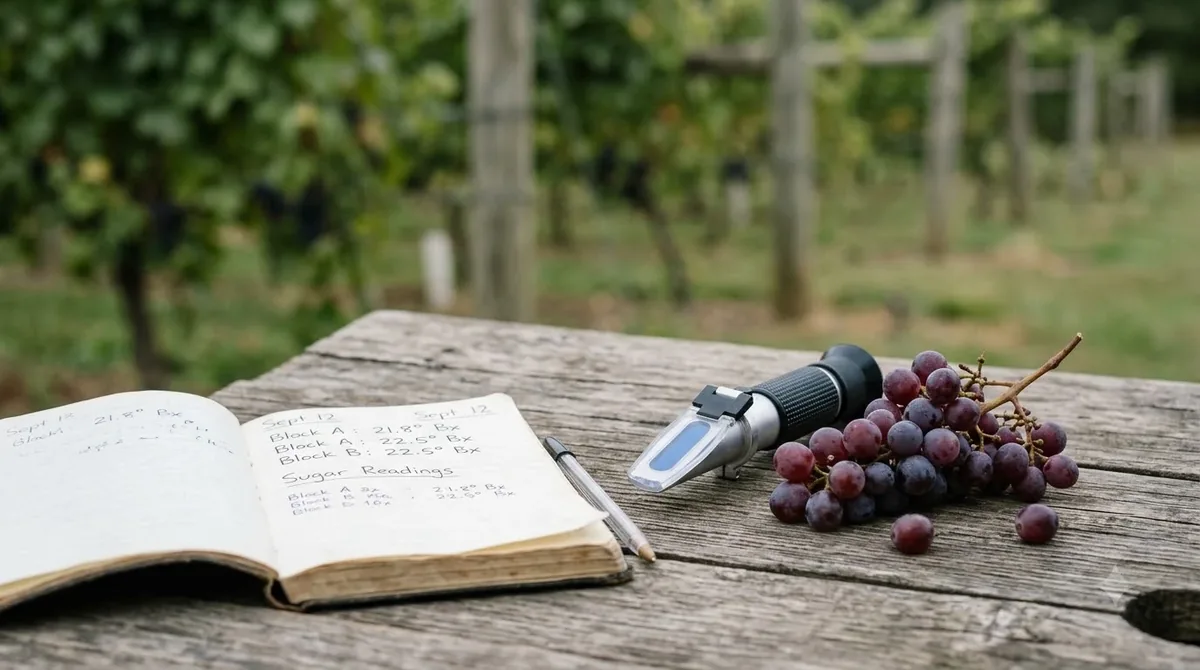
The Ente Turismo Langhe Monferrato Roero describes Nebbiolo as an indigenous Piedmont variety and one of the region’s oldest grapes. It is so closely connected with the area that local wine culture often calls it the “queen of black grapes.” The name is often linked to the Italian word nebbia, meaning fog, because harvest comes during the autumn mists or because a pale bloom can coat the berries; the precise origin of the name is not settled. The grape is demanding in the vineyard, so its reputation rests on suitable growing sites rather than easy cultivation across every landscape.
Within Piedmont, the most widely recognized names are Barolo and Barbaresco. Both are wines made exclusively from Nebbiolo, but their vineyards occupy different parts of the Langhe and produce wines with individual identities. Barolo comes from an area encompassing 11 municipalities, while Barbaresco is produced in four municipalities: Barbaresco, Neive, Treiso, and the San Rocco Seno d’Elvio hamlet of Alba. Those geographical boundaries matter because the names on the bottle refer to regulated places and production rules, not simply to a general style of Nebbiolo.
Piedmont is the best answer to the origin question, but the story does not stop at the region’s two famous wines. Gattinara and Ghemme in northern Piedmont, Roero and the wider Langhe area, and Nebbiolo d’Alba all preserve different local interpretations of the same grape. A bottle labeled with one of these names can offer a useful way to explore Piedmont beyond its best-known appellations.
The Langhe Hills Give Nebbiolo Its Best-Known Identity
The Langhe, south and southeast of Alba, is the landscape most closely linked with prestigious Nebbiolo. Its slopes, exposures, soils, and local climate help the grape ripen late while retaining the acidity and structure that distinguish the wines.
The Langhe is not one uniform vineyard. Elevation, aspect, soil composition, and the shelter offered by individual hills can change over short distances. The local consortium explains that Nebbiolo is particularly sensitive to temperature, wind, humidity, water availability, limestone, and soil texture. That sensitivity helps explain why neighboring villages, slopes, and vineyard sites can produce wines with different weight, perfume, and tannin even when the same grape is used.
Barolo is associated with a compact zone of 11 municipalities in the Langhe, including Barolo, La Morra, Monforte d’Alba, Serralunga d’Alba, and Castiglione Falletto. Barbaresco lies farther northeast and is centered on Barbaresco, Neive, and Treiso, with a small part of Alba included. Although both names indicate 100% Nebbiolo wines, their local growing areas and cellar traditions give them separate reputations. It is more helpful to think of them as neighboring regional expressions than as interchangeable labels.
There are also less famous but valuable names to recognize. Langhe Nebbiolo often gives a more direct, earlier-drinking expression of the grape, while Nebbiolo d’Alba is a single-variety wine whose production area covers 25 municipalities on both sides of the Tanaro River, according to the Barolo, Barbaresco, Alba, Langhe, and Dogliani consortium. Roero, across the Tanaro from parts of the Langhe, offers another regional setting. These wines can introduce the grape’s flavor and structure without requiring the extended cellar time associated with the most age-worthy Barolo.
Climate, Soil, and Vineyard Position Shape the Grape
Nebbiolo is unusual because it begins its growing cycle early but ripens late, often into October. It needs a long season, reliable autumn conditions, and carefully chosen hillside sites; a vineyard that is too cool, too shaded, or too exposed to spring frost can struggle to deliver fully ripe fruit.
The Langhe consortium’s Nebbiolo profile lists budbreak in April, flowering in June, véraison in August, and harvest in the second half of October. Those stages leave the vines exposed to more than one seasonal risk. Early budbreak can make spring frost a concern, while late ripening means rain and temperature changes in autumn can affect the final development of the grapes. The Ente Turismo Langhe Monferrato Roero gives a typical preferred altitude range of 200 to 450 meters above sea level for sunny, well-exposed sites protected from spring cold.
Soil is another part of the explanation. Nebbiolo generally favors calcareous, lime-rich ground, and the consortium identifies calcareous and tufaceous soils as suitable. These descriptions do not mean that every bottle tastes the same whenever limestone is present. Slope, drainage, exposure, soil texture, and the season all interact, which is why the same variety can show a different balance of fruit, floral character, acidity, and tannin from one hillside to another.
The grape’s structure also helps explain its demanding reputation. Wine Enthusiast describes Nebbiolo as thin-skinned and fickle, with a preference for calcareous marl and cooler, drier microclimates. Its buds emerge early, while its fruit takes a long time to ripen. Growers therefore need to manage the canopy and crop carefully, choose sites with suitable sun exposure, and watch the weather as harvest approaches. This combination of early development and late maturity is a central reason the grape remains more closely tied to Piedmont than to most wine regions around the world.
Nebbiolo Also Grows in Northern Italy Beyond the Langhe
Piedmont is Nebbiolo’s home, but it is not the only Italian region where the grape has an established identity. It also appears in Lombardy and in smaller northern areas, where local names and regional conditions give the wines a different character.
In Lombardy’s Valtellina, near the Swiss border, Nebbiolo is the principal variety and is known there as Spanna, according to Wine Enthusiast. The terraced vineyards of this alpine valley are a reminder that Nebbiolo can succeed outside the Langhe when the site offers the right combination of sun, slope, and a sufficiently long ripening season. Wine Enthusiast also lists Chiavennasca among the grape’s synonyms.
Within Piedmont, Alto Piemonte names such as Gattinara and Ghemme are worth learning. They come from the region’s northern provinces rather than the Langhe around Alba. Wine Enthusiast notes that Nebbiolo remains dominant in these wines, although other grapes may be permitted in some regional blends. By contrast, Barolo and Barbaresco are single-variety Nebbiolo wines. Knowing the distinction helps readers interpret a place name on the label without assuming every bottle follows the same composition rule.
Plantings outside Italy are comparatively limited. Wine Enthusiast reports small areas on the U.S. West Coast, stretching from California’s Central Coast north to Washington. Such examples can show how a producer interprets Nebbiolo in another climate, but Italy remains the reference point for understanding the grape’s origin, its traditional names, and the regional styles that made it famous.
What Nebbiolo Wine Tastes Like
Nebbiolo usually makes a dry red wine with high acidity and high tannin, often with a paler color than its firm structure might suggest. Its most recognizable aromas combine red fruit and flowers with savory notes that can become more complex as the wine matures.
Young examples commonly suggest sour cherry, raspberry, red plum, rose, and violet. Wine Enthusiast’s Nebbiolo profile highlights tar and roses as classic descriptors, with spice and earthy details in the background. The exact profile depends on the growing site, harvest conditions, winemaking, and age. Some wines emphasize bright fruit and floral notes; others show firmer tannins, darker savory tones, or a more restrained aromatic expression in youth.
With bottle age, Nebbiolo can develop notes associated with dried flowers, leather, truffle, tobacco, and earth. Its color often shifts from ruby toward garnet and brick tones. These changes do not mean every Nebbiolo needs decades in a cellar. A lighter Langhe Nebbiolo or Nebbiolo d’Alba is often made for earlier enjoyment, while more structured Barolo and Barbaresco can reward patience and careful storage.
For readers comparing grapes, Nebbiolo’s firm tannins set it apart from softer, medium-tannin Merlot, while its high acidity gives it a different balance from many fuller-bodied reds. A look at where is merlot from can clarify how grape origin and tannin style relate, while where is syrah from offers another comparison with a red grape known for structure and savory flavors. These differences are useful starting points, not rigid rules: climate, site, vintage, and cellar choices all influence the finished wine.
How to Choose, Serve, and Pair Nebbiolo
Start with the place name and the style you want. Barolo and Barbaresco are the classic choices for structured, age-worthy Nebbiolo, while Langhe Nebbiolo, Nebbiolo d’Alba, Gattinara, and Ghemme can show different expressions of the grape and may be approachable on a shorter timeline.
A practical way to compare the main names is to look at their origin, composition, and minimum aging rules. Barolo and Barbaresco both use 100% Nebbiolo, but their regulated areas and cellar requirements differ. The figures below combine regional production information with standard serving guidance.
| Reference | Figure | What it tells you |
|---|---|---|
| Preferred Nebbiolo vineyard altitude in Langhe | 200–450 m | Typical sunny, well-exposed hillside sites described by Ente Turismo Langhe Monferrato Roero. |
| Nebbiolo harvest period in the Langhe | Second half of October | A late-ripening variety with a long growing season. |
| Nebbiolo d’Alba production area | 25 municipalities | The designation spans both banks of the Tanaro River. |
| Barolo grape composition | 100% Nebbiolo | The appellation is reserved for wine made from this variety. |
| Barbaresco grape composition | 100% Nebbiolo | The appellation is also single-variety. |
| Serving temperature for full-bodied reds | 60–65°F | A useful range for structured Nebbiolo; avoid serving it too warm. |
| Decanting a young, full-bodied red | 30–60 minutes | Allowing air can help a young, tightly wound bottle open. |
Serve a structured Nebbiolo slightly cool rather than at a warm room temperature: 60 to 65°F is a sound range for full-bodied reds. A young Barolo or Barbaresco may benefit from 30 to 60 minutes in a decanter, particularly if its tannins feel firm and its aromas seem closed. Older bottles require more care; sediment can develop, and prolonged aeration may cause delicate aromas to fade. Open the bottle thoughtfully and taste as it changes rather than assuming that longer air is always better.
Tip: Match Nebbiolo’s acidity and tannin with food that has enough flavor and texture to meet them. Braised beef, lamb, mushrooms, truffle dishes, and aged cheeses are classic directions; a simple dish with little seasoning may seem slight beside a structured Barolo.
Food pairing works best when the dish has enough savory depth to stand alongside the wine. Braised short ribs, beef stew, roast lamb, wild mushrooms, and aged hard cheeses are strong choices because their richness and umami can soften the impression of tannin; salt and fat also help firm tannins feel less severe. For tomato-based dishes, choose a Nebbiolo with equally lively acidity. Avoid pairing a strongly tannic example with oily fish, and remember that chili heat can become more pronounced alongside alcohol and tannin. For more wine styles and grape backgrounds, the site’s Wine by Type section offers a broader way to compare red, white, sparkling, and fortified categories.
Frequently Asked Questions
How long must Barolo age before it can be sold?
Barolo DOCG requires at least 38 months of aging, including a minimum of 18 months in wood, counted from November 1 after the harvest. Barolo Riserva requires at least 62 months of cellar aging. These are minimum legal periods, so individual producers may keep wines longer before release.
How long must Barbaresco age before release?
Barbaresco requires a minimum of 26 months of aging, including at least 9 months in oak. Barbaresco Riserva requires 50 months in the cellar. The Enoteca Regionale del Barbaresco also notes that bottles can be cellared for roughly 8 to 25 years depending on the vintage.
Which municipalities make Barbaresco DOCG?
The production area covers Barbaresco, Neive, and Treiso, plus the San Rocco Seno d’Elvio hamlet within the municipality of Alba. The designated area excludes valley-floor sites and vineyards above 550 meters. That boundary is narrower than the broader Langhe area.
What does Barolo Chinato mean?
Barolo Chinato is an aromatized wine made using Barolo as its base and flavored with botanicals, including cinchona bark. It is a distinct after-dinner style rather than a standard dry red Barolo. Its name refers to the cinchona ingredient, not to a different grape variety.
Can Nebbiolo make wines other than still red wine?
Yes. Wine Enthusiast lists Nebbiolo among the grapes used for rosé, sparkling, and dessert wines as well as red wines. These styles are less central to the grape’s reputation than the dry reds of Piedmont, but they show that the variety is not limited to one wine category.
Nebbiolo comes from Piedmont, with the Langhe hills around Alba providing its best-known home and Barolo and Barbaresco serving as its most famous expressions. Exploring names such as Langhe Nebbiolo, Nebbiolo d’Alba, Gattinara, Ghemme, and Valtellina reveals how one demanding grape can reflect several northern Italian landscapes. Once you know the origin and regional names, it becomes easier to choose a style that suits the meal, occasion, and amount of bottle age you prefer.
More in Wine Types & Grapes
 Zinfandel Sugar Content: Dry Red vs. White Zinfandel GramsUpdated Nov 21, 2026
 Best Zinfandel Substitute Options for Sipping and CookingUpdated Nov 21, 2026
 Zweigelt Food Pairing: Best Dishes, Cheeses, and Serving TipsUpdated Nov 21, 2026
 Zinfandel Tannins Explained: How Structure Shapes Every BottleUpdated Nov 21, 2026
 Zinfandel Sweetness Level: Dry Red vs. Sweet White Zin ExplainedUpdated Nov 21, 2026
 Xinomavro Food Pairing: Best Dishes, Styles, and Serving TipsUpdated Nov 21, 2026