

We may earn a commission when you buy through links on this page, at no extra cost to you. Learn more.
Barefoot sweet red alcohol content is 10.5% alcohol by volume (ABV), making it a moderately lower-alcohol option than many full-bodied red wines. A standard 5 oz glass contains approximately 0.525 oz of pure alcohol, while a 750 ml bottle holds about five standard servings. This California red blend is known for its sweet berry and cherry flavors, smooth texture, and approachable drinking style.
Barefoot Sweet Red Blend appeals to people who enjoy fruit-forward wines without the pronounced dryness and tannin of traditional red varieties. Its combination of sweetness and moderate alcohol concentration makes it useful for casual dinners, relaxed gatherings, and dessert pairings. Understanding its ABV, grape composition, serving size, and sweetness helps you decide how much to pour and what foods to serve alongside it.
Barefoot Sweet Red Alcohol Content and Standard ABV
Barefoot Sweet Red Blend contains 10.5% alcohol by volume. This figure is reported by multiple retailers and independently recorded by Tastings.com, making 10.5% the practical reference point for understanding the wine’s strength.
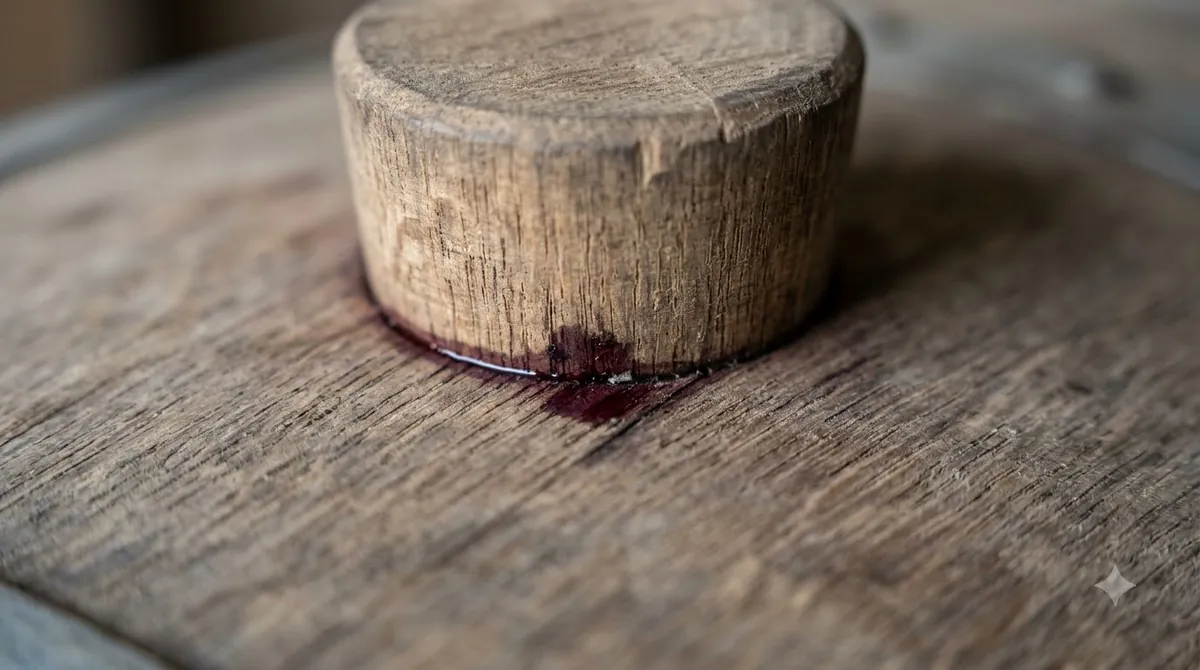
ABV measures the proportion of a beverage’s volume that consists of pure alcohol. For example, a wine containing 10.5% ABV has approximately 10.5 ml of pure alcohol in every 100 ml of wine. The percentage stays the same whether you pour a small glass or open an entire bottle; only the total amount of alcohol consumed changes with serving size.
For comparison, many familiar dry red wines, including Cabernet Sauvignon and Syrah, commonly fall around 13–15% ABV, although individual bottles vary. At 10.5%, Barefoot Sweet Red sits below that common range. Its alcohol concentration is closer to some approachable fruit-forward wines than to many powerful, high-alcohol reds.
The distinction matters because sweetness can make alcohol less noticeable. A wine with ripe raspberry, cherry, and plum flavors may taste soft and easy to drink, but its alcohol concentration remains 10.5%. A smooth finish does not mean that the wine contains very little alcohol.
Several retail listings support the same figure. Target specifies 10.5% alcohol for its 750 ml bottle, and BevMo lists the same ABV for both its 750 ml and 1.5-liter formats. Tastings.com also records 10.5% alcohol for its reviewed non-vintage California Sweet Red Blend.
You can compare the published figures in these independent Barefoot Sweet Red wine review details and the BevMo product specifications.
Alcohol Per Glass, Bottle, and Serving Size
The amount of alcohol in a serving depends on both the wine’s ABV and the volume poured. With Barefoot Sweet Red at 10.5% ABV, a standard 5 oz serving contains approximately 0.525 oz of pure alcohol.
A typical American wine serving is 5 oz, and a standard 750 ml bottle contains approximately 25.36 fluid ounces. Dividing the bottle into five equal servings produces glasses of approximately 5.07 oz each. This is why a 750 ml bottle is commonly described as providing five glasses of wine.
The following calculations show how the alcohol amount changes with different pour sizes. The figures are approximate and assume the wine remains at 10.5% ABV.
| Wine quantity | Approximate pure alcohol | Practical comparison |
|---|---|---|
| 3 oz | 0.315 oz | Small tasting pour |
| 5 oz | 0.525 oz | Standard wine serving |
| 6 oz | 0.630 oz | Larger home pour |
| 750 ml | 78.75 ml | Approximately five 5 oz servings |
| 1.5 liters | 157.5 ml | Approximately ten 5 oz servings |
These measurements help explain why glass size matters. Someone using a large wine glass might pour 7 or 8 oz without realizing that the serving is considerably larger than the standard 5 oz measure. A generous-looking pour can contain substantially more alcohol than a typical serving even though the wine itself has not changed.
How to calculate alcohol in a glass
The basic calculation is straightforward: multiply the amount of wine by its ABV expressed as a decimal. For Barefoot Sweet Red, multiply the serving volume by 0.105.
For a 5 oz glass, the calculation is 5 multiplied by 0.105, which equals 0.525 oz of pure alcohol. For a 6 oz glass, the result is 0.63 oz. The same method works for other wines when their ABV is known.
It is also useful to distinguish alcohol by volume from total wine volume. A 750 ml bottle does not contain 750 ml of alcohol. At 10.5% ABV, approximately 78.75 ml is alcohol, while the remaining volume consists mainly of water and other wine components.
Tip: Use a measuring cup or wine measure when you want to understand your actual serving size. A 5 oz pour is smaller than many restaurant-style wine glasses appear to hold, so the glass’s capacity should not determine the amount poured.
Sweetness, Flavor, and Grape Varieties
Barefoot Sweet Red Blend is a sweet, fruit-forward California red wine with flavors associated with raspberry, cherry, and ripe plum. Its approachable sweetness and relatively soft finish distinguish it from traditional dry reds that emphasize tannin, earthiness, and savory flavors.
The blend combines five grape varieties: Zinfandel, Pinot Noir, Barbera, Grenache, and Petite Sirah. Each variety has different characteristics, and blending them creates a wine with a broader range of fruit and structural elements than a single-variety bottling.
Zinfandel is often associated with ripe berry flavors and generous fruit character. Pinot Noir generally contributes red-fruit notes, relatively high acidity, and lower-to-medium tannin. Barbera is known for its lively acidity, while Grenache can bring ripe red-fruit character and a softer impression of structure. Petite Sirah is generally more deeply colored and tannic than Pinot Noir.
The resulting blend is not simply a collection of five grape flavors that can be separated in every glass. Winemaking decisions influence how the varieties interact, and the final wine presents a combined profile rather than five distinct layers.
What does the sweetness taste like?
The wine’s fruit character is central to its identity. Raspberry and cherry provide familiar red-fruit impressions, while plum contributes a rounder, darker fruit character. These flavors help create the impression of a soft, juicy red wine rather than a sharply dry or austere one.
Tastings.com describes its reviewed bottle with cranberry and strawberry aromas and flavors, along with a brisk finish. Its review also records 5.6% residual sugar. Residual sugar is the sugar remaining in wine after fermentation, and it is different from alcohol concentration.
That distinction is important when comparing sweet wines. Two bottles can have the same 10.5% ABV but different levels of sweetness. Similarly, a sweeter wine does not automatically contain less alcohol. Fermentation, blending, and the amount of residual sugar all contribute to the finished style.
People accustomed to Cabernet Sauvignon or dry Merlot may notice the sweetness immediately. Those who already enjoy fruit-forward wines, sweet rosé, or approachable red blends may find the style familiar.
How Barefoot Sweet Red Compares With Other Wines
Barefoot Sweet Red’s 10.5% ABV places it below many commonly encountered dry red wines. Its sweetness also makes the comparison more complicated than looking at alcohol percentages alone, because wine style, body, acidity, and residual sugar influence the drinking experience.
A useful comparison starts with familiar red varieties. Cabernet Sauvignon typically has higher tannin and often a fuller structure. Merlot usually has medium, softer tannins, while Pinot Noir generally offers lower-to-medium tannin and higher acidity. Barefoot Sweet Red has a sweeter flavor profile than many conventional examples of these varieties.
Here is a practical comparison of general wine styles. The figures are approximate style ranges, not guaranteed specifications for every bottle.
| Wine style | Typical ABV range | Typical taste and structure |
|---|---|---|
| Barefoot Sweet Red | 10.5% | Sweet, fruity, smooth |
| Dry Pinot Noir | 12–14% | Red fruit, higher acidity, lower-medium tannin |
| Merlot | 13–14.5% | Plum, medium tannin, softer texture |
| Cabernet Sauvignon | 13–15% | Dark fruit, higher tannin, fuller structure |
| Syrah | 13–15% | Dark fruit, spice, medium-plus to high tannin |
| Sweet Moscato | 5–9% | Sweet, aromatic, often lightly sparkling |
These comparisons show that Barefoot Sweet Red is not an exceptionally low-alcohol wine, even though its ABV is below that of many dry reds. Moscato, for example, can have a substantially lower alcohol concentration, depending on the bottling and production method.
It is also useful to compare similar sweet red blends. Sutter Home Sweet Red is another approachable fruit-forward option. Comparing the Sutter Home Sweet Red alcohol content provides a useful starting point for understanding how two familiar sweet red wines differ in alcohol strength.
For readers comparing other bottles from the same producer, the Barefoot Bubbly alcohol content offers another reference point. Sparkling wine and still wine have different serving characteristics, even when their alcohol percentages are relatively close.
The broader lesson is that ABV alone cannot describe the entire wine. A 10.5% sweet red may taste richer and sweeter than a higher-alcohol dry red, while a wine with less residual sugar may feel more intense because of its acidity, tannin, or alcohol warmth.
Serving Temperature, Glassware, and Storage
Barefoot Sweet Red is best served slightly chilled rather than warm. A practical starting temperature is approximately 55–60°F, which is the usual serving range for light red wines.
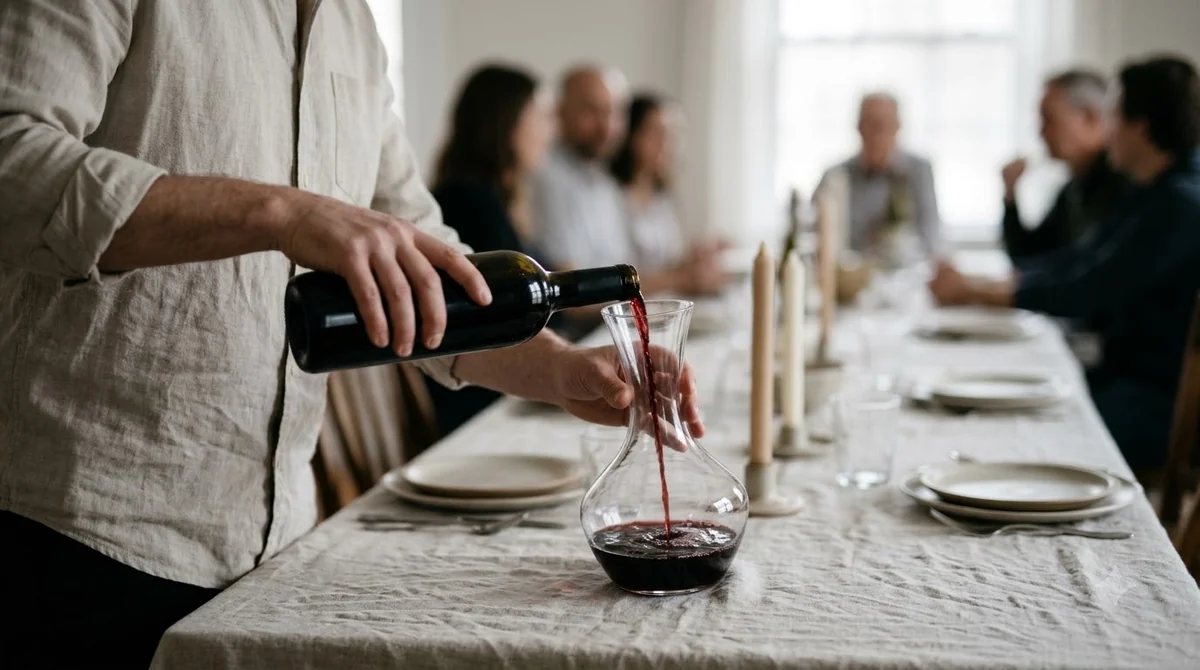
Chilling can make a sweet red feel fresher and help keep its fruit character balanced. At warmer temperatures, sweetness and alcohol warmth may become more noticeable, while excessive chilling can mute aromas and make the wine seem less expressive.
Place the bottle in a refrigerator before serving and allow it to warm slightly if it becomes too cold. A short period of cooling is generally more useful than serving the wine directly from a warm room. If the bottle has been refrigerated for several hours, a few minutes at room temperature can help soften the chill.
Choosing suitable glassware
A standard red wine glass works well for Barefoot Sweet Red. A medium-sized bowl gives the wine enough room to release its fruit aromas without requiring an unusually large glass. There is no need for specialized glassware designed for expensive or highly structured red wines.
A 5 oz pour leaves space in the glass for gentle swirling. This helps release aromas of raspberry, cherry, and other fruit notes. The goal is to make the wine comfortable to smell and drink, rather than filling the glass to its rim.
Storing an unopened bottle
For longer storage, wine bottles are generally best kept in a cool, dark place near 55°F. Bottles with traditional cork closures are commonly stored on their sides to help keep the cork from drying out. Avoid direct sunlight, large temperature changes, and locations near ovens or other heat sources.
Barefoot Sweet Red is generally intended for accessible everyday enjoyment rather than extended cellar aging. Keeping it in stable conditions and opening it while its fruit character is fresh is a sensible approach.
Storing an opened bottle
After opening, reseal the bottle and place it in the refrigerator. Most opened still wines keep their best qualities for approximately 3–5 days under proper refrigeration, although air exposure and storage conditions influence the result.
Cold storage slows oxidation, which gradually changes the wine’s aromas and flavors. Before serving another glass, allow the wine a little time to warm toward its preferred serving temperature. This is particularly useful if it has been refrigerated overnight.
These basic practices also apply to other approachable bottles in the Wine Brands category, although individual styles may require different serving temperatures and storage considerations.
Food Pairings for a Sweet California Red Blend
Barefoot Sweet Red pairs well with foods that complement its fruit-forward sweetness without overpowering its relatively soft structure. Desserts, mild cheeses, grilled foods, and savory dishes with a touch of sweetness are useful starting points.
The most important principle is to match the wine’s sweetness to the food. A dessert should generally be no sweeter than the wine, or the wine may seem thin and sour by comparison. This is why berry-based desserts and moderately sweet chocolate preparations can work particularly well with sweet red wine.
Desserts and fruit-based dishes
Strawberry shortcake is a natural pairing because the fruit echoes the wine’s strawberry and raspberry character. Fresh mixed berries provide a similarly direct match, while the combination of fruit and cream adds texture and softness.
Crème brûlée is another option. Its creamy custard and caramelized sugar create a rich dessert profile that can complement a fruity red wine. The dessert should not be excessively sweet, however, because too much sugar can make the wine’s fruit seem less pronounced.
Chocolate desserts can work when they have moderate sweetness and enough fruit or dairy character to balance the wine. Milk chocolate brownies, chocolate-covered strawberries, and berry-filled chocolate pastries are more suitable starting points than very bitter, intensely dark chocolate.
Cheese and savory snacks
Soft cheeses offer another useful pairing. Brie, mild Gouda, and creamy cheeses provide a gentle contrast to the wine’s fruitiness. Salt can also soften the perception of tannin, making salty cheeses and savory snacks useful companions for red blends.
For a casual gathering, serve the wine alongside a platter containing mild cheddar, crackers, fresh strawberries, and roasted nuts. The variety of textures gives guests several ways to balance the wine’s sweetness.
Grilled foods and main courses
Grilled chicken with a mild fruit glaze can complement the wine’s ripe red-fruit flavors. Pork tenderloin with roasted plums or a lightly sweet barbecue sauce is another possibility. These combinations connect the wine’s fruity profile with the food rather than introducing a completely contrasting flavor.
Grilled vegetables, including bell peppers and zucchini, can also work well. Their lightly charred surfaces provide savory notes that contrast with the wine’s sweetness.
Be cautious with very spicy food. Chili heat can seem stronger alongside alcohol and tannin, so heavily spiced dishes may make the wine feel less balanced. Oily fish can also be difficult with tannic red wines, although Barefoot Sweet Red’s softer style is less forceful than a strongly structured Cabernet Sauvignon.
For the simplest pairing strategy, start with strawberry shortcake, mixed berries, mild cheese, or grilled chicken. These foods complement the wine’s main flavor characteristics without demanding complicated preparation.
Frequently Asked Questions
Is Barefoot Sweet Red made from one grape variety?
No. It is a blend containing Zinfandel, Pinot Noir, Barbera, Grenache, and Petite Sirah. Combining several varieties gives the wine a mixture of red-fruit character, acidity, color, and tannin rather than the distinctive profile of a single-grape bottling.
Does Barefoot Sweet Red contain residual sugar?
Yes. Tastings.com’s reviewed non-vintage bottling records 5.6% residual sugar. This is a separate measurement from its 10.5% ABV, and it helps explain why the wine tastes noticeably sweeter than many conventional dry red wines.
Is Barefoot Sweet Red suitable for making sangria?
Yes, its fruity character makes it a practical base for a simple red sangria. Orange slices, apple pieces, and berries can complement its existing fruit profile, while a little sparkling water can add freshness without making the drink excessively sweet.
What is the difference between Barefoot Sweet Red and Barefoot Sweet Red Blend?
The names are commonly used to identify the same general sweet red product rather than two clearly separate wine styles. Retail listings may use either shortened product names or the fuller Sweet Red Blend description, so comparing the listed ABV and product details helps identify the intended bottle.
Does a larger Barefoot Sweet Red bottle have a higher alcohol percentage?
No. A larger bottle does not automatically have a higher ABV. BevMo lists both the 750 ml and 1.5-liter Barefoot Sweet Red Blend formats at 10.5% ABV; the larger bottle simply contains twice the wine volume and approximately twice the total alcohol.
Barefoot Sweet Red is a fruit-forward California blend with 10.5% ABV, combining approachable sweetness with raspberry, cherry, and plum character. Its standard 750 ml bottle provides approximately five 5 oz servings, and serving it slightly chilled makes its fruity profile especially enjoyable. Understanding the difference between ABV, residual sugar, and serving size makes it easier to compare this wine with other sweet reds and choose suitable food pairings.
More in Wine Brands
 Georges Duboeuf Beaujolais Nouveau Review: Flavor, Pairing, and Serving TipsUpdated Nov 21, 2026
 Gruet Wine Price: Compare Bottles and Find the Right Sparkling WineUpdated Nov 21, 2026
 Hardys Wine Review: Find the Right Australian Bottle for Your TasteUpdated Nov 21, 2026
 Hampton Water Wine Review: How to Choose and Enjoy This French RoséUpdated Nov 21, 2026
 Goldeneye Wine Price: Compare Bottles and Find the Right ValueUpdated Nov 21, 2026
 Gaja Barbaresco Price: Compare Vintages Before You BuyUpdated Nov 21, 2026