

We may earn a commission when you buy through links on this page, at no extra cost to you. Learn more.
Barefoot sweet red wine is a fruit-forward red blend from Barefoot Cellars, a California winery, with an alcohol content of about 10.5 percent by volume. Retail listings place it in the sweet or dessert red category, so expect ripe berry flavors and a soft, smooth finish. The style suits relaxed evenings, casual gatherings and simple comfort foods.
This guide explains what to expect from the bottle, how its sweetness and alcohol level compare with other sweet reds, and how to serve it well. It also covers food pairings and a few storage habits that help a sweet red taste its best.
What Is Barefoot Sweet Red Wine?
Barefoot sweet red is a still red wine made to taste sweet and easy to drink. It belongs to the broader family of sweet red wines, which are known for fruit-driven aromas and a rounder texture than dry reds. Many drinkers reach for this style when they want something approachable rather than tannic or dry.
Barefoot Cellars is described by retailers as a California-based winery that focuses on approachable, fruit-forward wines. The brand also makes whites, sparkling wines and canned options, so the red is one part of a wide lineup. If you are new to the brand, the sweet red is a useful place to start because its flavor is easy to read.
Retail listings describe the wine as easy drinking and built around sweet fruit flavors. That description matches what most people expect from a sweet red. It is not meant to be a complex, aged wine, and it is best judged by how well it fits a casual occasion. You can read the full product description on the Winenliquor product listing, which also lists the 10.50 percent alcohol figure.
Grapes, Style and What the Label Tells You
Barefoot sweet red is usually listed as a red blend rather than a single grape variety. A blend lets the winemaker combine different red grapes to shape color, fruit and sweetness. For that reason, you should not expect the flavor of one named grape, such as Cabernet Sauvignon or Zinfandel, on this bottle.
Check the front and back label before you buy. The label should show the style, the state or region of origin and the alcohol content. Some retailer listings also note the closure type, and one listing describes this wine with a cork closure. If you want a specific grape flavor, look for a varietal label rather than a blend.
Blends are common in the sweet red category. They are often built to deliver consistent fruit flavor from one bottle to the next. If you enjoy the Barefoot style, comparing it with other blends can help you learn which fruit profiles you prefer.
Sweetness Level and Taste Profile
Barefoot sweet red sits on the sweeter end of the red wine spectrum. Retail listings place it in the sweet or dessert red group, which are typically described as rich and lush. Exact sugar levels are not always printed on the label, so the category is your best clue.
Expect ripe berry flavors first. Listings describe a burst of juicy berries with a velvety, soft finish. Other sweet reds in the same category often show notes of strawberry, raspberry, dried fruit or a touch of spice, and this style leans toward the fruit side rather than heavy oak or dark spice.
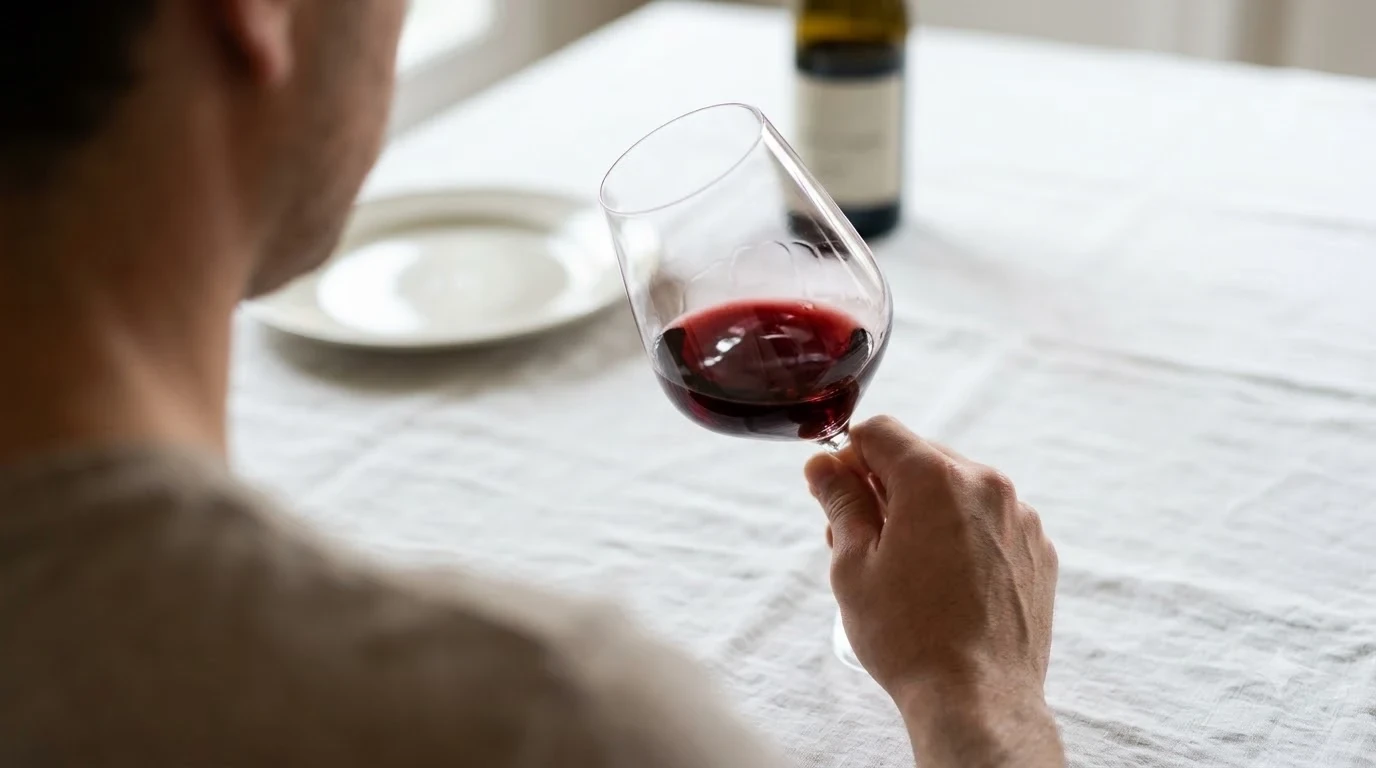
The texture is smooth rather than grippy. Because the wine is sweet and low in tannin, it feels approachable even if you are not used to dry reds. Serve it lightly chilled if you want the fruit to stand out, and let it warm a little if you find the sweetness too sharp.
| Wine style | Typical sweetness | Common flavor notes | Body feel |
|---|---|---|---|
| Barefoot sweet red (red blend) | Sweet, listed as sweet or dessert red | Ripe berries, soft fruit | Smooth, velvety, easy drinking |
| Lambrusco (sweet style) | Ranges from off-dry to sweet | Red fruit, light bubbles | Light and fresh |
| Port | Sweet, fortified | Dried fruit, figs, raisins | Full-bodied and rich |
| Muscat-style red | Sweet | Floral notes, jammy fruit | Lush and silky |
Tip: If a sweet red tastes too heavy with dessert, try a light serve and a smaller pour. Sweetness builds quickly when you pair two sugary foods together.
Alcohol Content of Barefoot Sweet Red
The alcohol content of Barefoot sweet red is about 10.5 percent by volume. Retail listings give this figure, and one retailer lists it as 10.50 percent. That places the wine well below many table wines and far below fortified styles such as Port.
A lower alcohol level means the bottle is lighter in body and often easier to sip over a longer evening. It also means the wine can be a pleasant choice for people who want a milder drink. Always check the label on your own bottle, since alcohol levels can vary by vintage and packaging size.
Serving size still matters. Standard pours are a useful reference, but your own pace and food choices make the biggest difference. Drink responsibly, and plan rides or water breaks before you open the bottle. For a related look at the brand, see the Barefoot Riesling alcohol content guide, which compares another style from the same producer.
How Barefoot Compares to Other Sweet Reds
Barefoot sweet red is one of several budget-friendly sweet reds on store shelves. The main differences come from the grape blend, the sweetness level and the region where the wine is made. Comparing these points helps you choose the bottle that fits your taste.
Compared with a sweet red from Italy, Barefoot tends to read as a smoother, fruit-forward style rather than a fizzy one. Lambrusco from Emilia-Romagna, for example, is a region known for sweet and lightly sparkling styles. Port, from Portugal’s Douro Valley, is a fortified wine with a much higher alcohol level and a richer, dried-fruit profile.
If you like the fruit style but want a different sweetness level, you can also look at other Barefoot wines. The 14 Hands Hot to Trot wine guide covers another popular fruit-driven red, which can help you compare how different producers handle sweetness. Keep the category in mind as you shop, because sweet reds vary more than their labels suggest.

Best Food Pairings for Sweet Red Wine
Sweet reds pair best with foods that have matching richness or bold seasoning. The fruit in Barefoot sweet red works well with grilled meats, creamy cheeses and desserts with chocolate. Matching weight is the simplest rule, so a light sweet red suits lighter dishes better than heavy sauces.
Retail listings suggest pairing this wine with beef, creamy or bloomy cheeses, barbecue chicken and chocolate cake. Those choices make sense because the sweetness softens smoky, savory flavors and complements cocoa. Fruit tarts and berry desserts can also work, as long as the dessert is not overly sweet.
Avoid pairing a sweet red with very delicate seafood or sharp vinaigrette salads. The sugar can clash with those flavors and make the wine taste thin. A cheese plate with a few salty crackers and fresh fruit is a reliable choice for an easy evening.
Serving Temperature and Storage Tips
Serve Barefoot sweet red lightly chilled rather than at room temperature. Cooler serving temperatures keep the fruit fresh and reduce the sense of heaviness from the sugar. Check the bottle for any specific serving guidance, and treat it as a starting point rather than a strict rule.
- Move the bottle to the refrigerator about an hour before serving, or chill it in an ice bucket for a shorter time.
- Pour a modest amount into a standard wine glass so you can smell the fruit before tasting.
- Let the glass sit for a few minutes as it warms, since the aromas open up as the wine approaches a comfortable temperature.
- Recork any leftover wine and keep it refrigerated, then finish it within a few days for the best fruit character.
Store unopened bottles in a cool, dark place away from heat and direct sunlight. Heat can dull fresh fruit flavors over time. Once opened, sweet reds generally keep their character for a shorter period than dry reds, so plan to drink the bottle within a few days.
Frequently Asked Questions
Is Barefoot sweet red wine actually sweet?
Yes. Retail listings place Barefoot sweet red in the sweet or dessert red category, and they describe it as built around sweet fruit flavors. It tastes noticeably sweeter than a dry red such as Cabernet Sauvignon, so it suits drinkers who prefer a fruit-forward style.
What is the alcohol content of Barefoot sweet red?
Retail listings give the alcohol content as about 10.5 percent by volume. That is lower than many table wines and much lower than fortified wines such as Port. Always check the label on your bottle, since packaging and vintage details can differ.
What grapes are used in Barefoot sweet red?
Barefoot sweet red is generally listed as a red blend, which means it is not made from one named grape variety. The exact blend is not described in detail in the listings reviewed for this guide. Check the back label or the producer website for current information.
Should I serve Barefoot sweet red chilled?
A light chill is a good choice for most drinkers. Cooler serving temperatures keep the fruit fresh and balance the sweetness. Let the glass warm slightly if the wine tastes too sharp, and compare how the flavors change as it warms.
Barefoot sweet red wine is an easy, fruit-forward choice for casual evenings and simple foods. Start with a small pour, pair it with grilled meats, cheese or chocolate, and compare it with other sweet reds to find your favorite. For more background on the brand, browse the Wine Brands section.
More in Wine Brands
 Underwood Wine Price: Compare Bottles, Cans, and Pack SizesUpdated Nov 21, 2026
 Zenato Wine Price: Compare Styles and Choose the Right BottleUpdated Nov 21, 2026
 Zuccardi Wine Price: Compare Bottles and Find the Right RangeUpdated Nov 21, 2026
 Yellow Tail Moscato Review: Taste, Sweetness and Serving TipsUpdated Nov 21, 2026
 Wolf Blass Yellow Label Review: Choose Your Best StyleUpdated Nov 21, 2026
 Wolffer Estate Rose Review: Choose the Right Bottle for Your TableUpdated Nov 21, 2026