

We may earn a commission when you buy through links on this page, at no extra cost to you. Learn more.
This barefoot sweet red review finds that Barefoot Sweet Red Blend is a fruity, noticeably sweet California red wine suited to casual drinking and people who prefer softer, less tannic reds. Its flavor profile centers on raspberry, cherry, plum, and pomegranate, with a smooth finish and enough freshness to keep the fruit from tasting completely flat. At 10.5% ABV in the bottle reviewed by Tastings.com, it offers a straightforward alternative to the drier, more structured red wines often found on supermarket shelves.
Barefoot Sweet Red Blend is designed around accessibility rather than complexity. It is a non-vintage California red blend that works particularly well slightly chilled, served alongside uncomplicated meals, or poured for guests who enjoy sweeter wine. Understanding its sweetness, grape composition, serving temperature, and food compatibility makes it easier to decide whether this bottle belongs in your wine collection.
Who This Is For
Barefoot Sweet Red is a sensible choice for people who enjoy noticeable fruit sweetness, soft tannins, and an uncomplicated drinking experience. It is particularly appealing to newer red wine drinkers who find Cabernet Sauvignon or other traditionally dry reds too astringent.
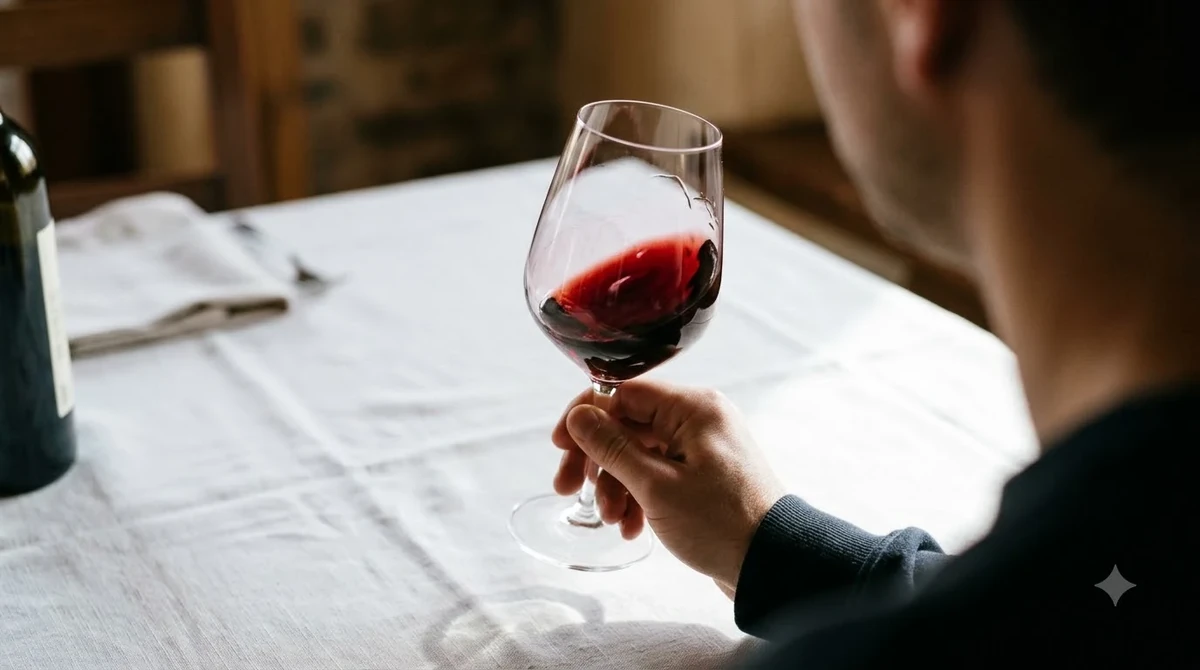
The wine’s fruit-forward character is its main attraction. Barefoot describes raspberry, cherry, and pomegranate flavors, while Target’s product description also identifies ripe plum. These flavors create a familiar profile that does not require much wine knowledge to appreciate. Instead of emphasizing oak, earthy complexity, or pronounced tannin, the wine focuses on ripe fruit and a smooth finish.
There is also a practical reason to consider it for informal occasions. The producer offers three package sizes: 187 ml, 750 ml, and 1.5 L. The smaller format works for an individual serving, the standard bottle suits a small dinner, and the larger format provides more wine for a group. This range makes the wine adaptable to different occasions without changing its basic style.
However, this is not necessarily the right bottle for someone who prefers dry, restrained reds. Drinkers who enjoy the savory character of Cabernet Sauvignon, the earthy complexity of traditional Pinot Noir, or the pronounced structure of Syrah may find Barefoot Sweet Red too fruit-driven. Its appeal comes from sweetness and accessibility, not from displaying the distinctive characteristics of a single grape variety.
It is also a reasonable option when serving people with different levels of wine experience. Someone who rarely drinks red wine may find its softer profile more approachable than a high-tannin bottle. Experienced wine drinkers can still enjoy it in the right setting, particularly with casual food or fruit-based desserts, although it is unlikely to satisfy someone seeking a particularly complex tasting experience.
For readers comparing different bottles from the same producer, the broader Barefoot red wine range provides useful context. The Sweet Red Blend occupies a sweeter, softer position than many conventional dry red styles, making the distinction important when selecting a bottle for a particular palate.
Key Factors to Compare
The most important buying considerations are sweetness, alcohol content, grape composition, fruit character, and available bottle sizes. These details explain why Barefoot Sweet Red tastes different from a conventional dry California red.
| Factor | Barefoot Sweet Red Blend | What It Means |
|---|---|---|
| Wine category | Sweet red blend | Fruit-forward red wine with noticeable sweetness |
| Region | California, USA | American red blend rather than a single regional grape expression |
| Alcohol | 10.5% ABV | Moderate alcohol level for a red wine |
| Residual sugar | 5.6, as reported by Tastings.com | Supports its sweet style |
| Listed grape varieties | 5 | Zinfandel, Pinot Noir, Barbera, Grenache, Petite Sirah |
| Prominent fruit flavors | 4 main producer-listed flavors | Raspberry, cherry, pomegranate, dark fruit |
| Standard bottle | 750 ml | Approximately 5 standard 5 oz pours |
| Other bottle sizes | 187 ml and 1.5 L | Individual and group-serving formats |
| Recommended style | Chilled | Serve cooler than a conventional full-bodied red |
The alcohol and residual sugar figures above come from the specific bottle reviewed by Tastings.com. The residual sugar figure is reproduced as reported by that publication, without assuming a measurement unit that the review does not specify. Bottle specifications and grape varieties are drawn from the producer’s retail product information and may be presented differently across retailers.
One particularly useful comparison is the alcohol content. At 10.5% ABV, the reviewed wine has a lower alcohol percentage than many full-bodied red styles. That figure does not determine how sweet a wine tastes, but it helps establish the wine’s general drinking profile.
Grape composition is another consideration. Target identifies five varieties: Zinfandel, Pinot Noir, Barbera, Grenache, and Petite Sirah. These grapes have different characteristics, so the finished blend combines several potential sources of fruit flavor, acidity, color, and structure. However, the retailer does not disclose the percentage of each grape, so it would be misleading to assign a specific proportion to any variety.
For a closer look at the sweetness and alcohol figures, the dedicated Barefoot Sweet Red alcohol content article can help distinguish ABV from residual sugar. They describe different things, and understanding both makes choosing a wine considerably easier.
Finally, consider the package format. A 187 ml bottle provides considerably less wine than a standard 750 ml bottle, while a 1.5 L format holds twice the standard bottle volume. The larger format is convenient for gatherings, but the smaller bottle may be more practical when only one person wants a glass.
Step-by-Step: How to Choose and Serve Barefoot Sweet Red
Selecting and serving this wine is straightforward. A few practical decisions about the bottle size, temperature, glass, and food will make a noticeable difference to the experience.
-
Decide whether the sweetness suits your palate.
Start by considering the red wines you normally enjoy. If you prefer Moscato, sweet rosé, or fruit-forward wines, Barefoot Sweet Red may be a comfortable choice. If you usually drink dry Cabernet Sauvignon or unsweetened Pinot Noir, its sweeter character may feel unfamiliar.
-
Choose the appropriate bottle format.
The producer lists 187 ml, 750 ml, and 1.5 L formats. Choose the smaller bottle for an individual occasion, the standard format for a small meal, or the larger bottle when several people will be sharing. A 1.5 L bottle contains approximately 10 standard 5 oz pours, compared with about 5 from a 750 ml bottle.
-
Chill the bottle before opening.
Barefoot recommends serving Sweet Red Blend chilled. A practical starting point is approximately 55–60°F, the usual serving range for lighter red wines. If the wine feels too warm or its sweetness seems especially pronounced, give it additional time in the refrigerator before pouring.
-
Prepare an appropriate glass.
A standard red wine glass works well. You do not need specialized glassware or an elaborate decanter for this uncomplicated blend. Leave enough space in the glass to swirl the wine gently and release its fruit aromas.
-
Pour a measured serving.
A standard wine serving is approximately 5 oz. Pouring a moderate amount allows room for the aromas to develop and prevents the wine from warming too quickly in the glass. A 750 ml bottle provides approximately five such servings.
-
Taste the wine before adding food.
Notice the initial sweetness, the raspberry and cherry character, and the finish. Look for the relationship between fruit and acidity rather than expecting the dry, firm tannins associated with traditional full-bodied reds. This first taste also helps determine which foods will work best.
-
Choose a suitable food pairing.
Start with fruit-based desserts, mild cheeses, or uncomplicated savory dishes. Strawberry shortcake and mixed berries are particularly natural choices because they echo the wine’s fruit profile. If serving a savory meal, choose food with enough seasoning and richness to balance the sweetness.
These steps are especially useful when serving the wine to a mixed group. Some guests may prefer a colder pour, while others may enjoy it closer to the light-red serving range. Offering the bottle slightly chilled gives everyone room to decide how they prefer it.
Tip: Put the bottle in the refrigerator before serving and begin around 55°F. Taste a small pour first, then adjust the temperature to suit the wine and the food. Excessive warmth can make alcohol feel more prominent and the sweetness seem heavier.
Types and Styles Explained
Barefoot Sweet Red is a California red blend, not a single-variety wine. Its listed grape varieties contribute different characteristics, while the finished product emphasizes approachable fruit flavors and a smooth profile.
Zinfandel is associated with ripe berry fruit and relatively generous body in many California wines. In a blend, it can contribute richness and a familiar red-fruit character. It is not possible to determine its precise influence on this particular bottle without published blending percentages.
Pinot Noir is generally associated with red cherry, strawberry, and relatively moderate tannin. It often provides a lighter structural element than varieties such as Petite Sirah. Its inclusion is consistent with the fruit-oriented character of the finished wine.
Barbera is known for lively acidity and red-fruit flavors. In blends, its freshness can provide contrast to richer components. This is useful when the goal is to produce a wine that tastes fruity without feeling completely heavy.
Grenache commonly brings red berry and ripe fruit characteristics. Depending on the growing conditions and winemaking, it can also contribute a rounded texture. It is a familiar blending variety in several major wine-producing regions.
Petite Sirah is typically associated with deeper color, concentrated fruit, and stronger tannin. It can contribute structure and intensity when blended with softer varieties. Its presence does not mean the finished Barefoot wine should taste like a full-bodied, dry Petite Sirah.
These varieties have different natural characteristics, but the finished wine should be judged as a complete blend rather than as five separate grape samples. Barefoot’s producer description focuses on raspberry, cherry, pomegranate, and a smooth finish, while the retailer description adds ripe plum.
How the sweetness compares with other red wine styles
Not every red blend is sweet. Many California red blends are dry, with their fruit flavors coming from ripe grapes rather than noticeable residual sugar. Barefoot Sweet Red belongs to a different category because sweetness is part of its intended drinking style.
A dry Cabernet Sauvignon usually emphasizes darker fruit, more substantial tannin, and a firmer finish. Merlot generally has softer tannins, while Pinot Noir often brings brighter acidity and lighter structure. Barefoot Sweet Red is better understood as a fruit-forward sweet red rather than as a substitute for a traditional dry red.
Sweetness also differs from fruitiness. A wine can smell like strawberries and cherries while still tasting completely dry. In contrast, a sweet red has residual sugar that contributes to the sensation of sweetness on the palate. This distinction explains why someone who enjoys fruity but dry wines might not automatically enjoy a sweet red blend.
The wine’s 10.5% ABV and reported residual sugar figure help explain its profile, but neither number should be considered in isolation. Alcohol, acidity, tannin, and residual sugar interact to determine how a wine feels and tastes.
Common Mistakes When Buying or Drinking Sweet Red Wine
The biggest mistakes are assuming that every fruity red is sweet, serving the wine too warm, and pairing it with food that makes its sweetness seem excessive. Avoiding these problems makes Barefoot Sweet Red easier to appreciate.
Confusing fruit flavor with sweetness is a common buying mistake. Raspberry, cherry, and plum aromas can occur in dry wines as well as sweet ones. A person who likes the smell of ripe berries but dislikes sugar may find this distinction particularly important. Barefoot Sweet Red is intentionally sweet, so its profile is different from a dry red that simply smells fruity.
Serving it at room temperature can also reduce enjoyment. Full-bodied reds are often served around 60–65°F, but lighter reds generally benefit from cooler temperatures. A sweet, fruit-forward wine can feel heavier when served too warm. Start around 55–60°F instead of leaving the bottle on a warm kitchen counter.
Pairing it with a very dry dessert can create an unbalanced experience. The usual wine-pairing principle is that the wine should be at least as sweet as the dessert. Otherwise, the wine can taste comparatively sour or sharp. A fruit dessert or a sweet strawberry shortcake is a more suitable starting point than an unsweetened pastry.
Serving it with highly tannic or heavily spiced food is another potential problem. Chili heat can become more pronounced alongside alcohol and tannin, while very tannic wines can clash with oily fish. Barefoot Sweet Red’s fruit-forward style is better suited to mild cheeses, grilled vegetables, and approachable meat dishes than to extremely hot or delicate seafood preparations.
Assuming all bottles have identical specifications across retailers can also lead to confusion. Retail listings sometimes summarize grape varieties, product details, and tasting notes differently. The official producer description emphasizes the finished wine’s fruit flavors, while retailers supply additional information about its grape composition and alcohol percentage. The official Barefoot Sweet Red Blend product page is a useful place to compare the producer’s description and available bottle formats with retailer listings.
Another mistake is expecting an inexpensive, accessible sweet red to behave like an aged reserve wine. Barefoot Sweet Red is intended for straightforward enjoyment. It does not need extensive aeration, complicated decanting, or a lengthy cellar-aging plan to serve its purpose.
Finally, avoid pouring a large serving simply because the wine tastes soft. Its 10.5% ABV still represents alcoholic wine, and sweetness does not remove the alcohol. A measured 5 oz serving is a useful reference when planning how much to pour.
Care and Storage Tips
Barefoot Sweet Red is best treated as an approachable wine for relatively early enjoyment rather than a bottle intended for extended aging. Proper temperature, protection from light, and refrigeration after opening help preserve its fruit character.
Before opening, store the bottle in a cool, dark location away from direct sunlight and temperature fluctuations. A storage temperature near 55°F is a useful general target for wine. Avoid keeping it beside an oven, radiator, or sunny window, where repeated heating can affect freshness.
For a bottle with a cork closure, horizontal storage helps keep the cork from drying out. If the bottle has a screw cap, upright storage is generally practical. The main priorities are stable temperature, minimal light exposure, and avoiding unnecessary heat.
There is no compelling reason to age this wine for several years. Its primary appeal comes from accessible fruit flavors and a smooth, sweet profile. Extended storage is unlikely to provide the kind of improvement associated with carefully selected age-worthy Cabernet Sauvignon or structured wines from established cellar-worthy regions.
After opening
Once opened, reseal the bottle and place it in the refrigerator. A practical general guideline for opened still wine is approximately three to five days, although freshness can decline sooner depending on how much air remains in the bottle and how it has been handled.
Keep the bottle tightly closed between pours. If only a small amount remains, transferring it into a clean, appropriately sized smaller container can reduce the amount of oxygen inside. Avoid leaving an opened bottle on the dining table overnight.
Before serving again, remove the bottle from the refrigerator for a short period if it has become colder than your preferred serving temperature. Taste a small amount to check its condition. Fresh fruit aromas should remain reasonably clear; pronounced vinegar-like smells, dull flavors, or an unpleasant oxidized character suggest that the wine has deteriorated.
For gatherings, the 1.5 L format can reduce the need to open multiple standard bottles. However, once opened, the same storage principles apply. Refrigeration and a secure closure are more important than the bottle’s original size.
Frequently Asked Questions
Is Barefoot Sweet Red a good wine for someone who has never tried red wine?
It can be a friendly introduction because its fruit-forward profile and sweetness are less demanding than many dry reds. The blend also avoids the need to become familiar with strong tannin or pronounced oak flavors. Someone accustomed to sweet white wines may find it particularly approachable.
Does Barefoot Sweet Red need to breathe before drinking?
No lengthy breathing period is generally necessary for this style. Unlike a young, concentrated full-bodied red that may benefit from 30–60 minutes of decanting, this accessible blend can be enjoyed shortly after opening. A gentle swirl in the glass is sufficient for releasing its fruit aromas.
Can Barefoot Sweet Red be used to make sangria?
Yes, its berry and cherry character can work in a simple fruit-based sangria. Because the wine already has noticeable sweetness, use less additional sweetener than a recipe designed for dry red wine. Fresh citrus, sliced berries, and chilled fruit provide flavor without requiring a complicated preparation.
Is Barefoot Sweet Red a vintage-specific wine?
Tastings.com identifies the reviewed bottle as NV, meaning non-vintage. This designation means the wine is not presented as a single-harvest vintage bottling. It is a useful distinction for shoppers comparing it with vintage-dated wines.
Does Barefoot Sweet Red contain sulfites?
Yes. Target’s product information specifically identifies sulfites in the allergen information. Consumers who need ingredient or allergen details should consult the packaging and the producer’s current product information rather than relying solely on a general wine description.
Barefoot Sweet Red Blend is a practical choice for drinkers who want a noticeably sweet, fruit-forward red without the firm tannins and heavier structure of traditional dry reds. Its raspberry, cherry, plum, and pomegranate character, accessible serving style, and three listed bottle formats make it suitable for casual meals and informal gatherings. If sweetness and an easygoing finish matter more to you than complexity, this California blend deserves consideration; if you prefer dry, structured reds, a different style will be a better match.
More in Wine Brands
 Elk Cove Wine Price: Compare Bottles and Find Your Best FitUpdated Nov 21, 2026
 Emilio Moro Wine Review: Find the Right Spanish Red for Your TableUpdated Nov 21, 2026
 Dr Loosen Wine Price: Compare Styles Before You BuyUpdated Nov 21, 2026
 Dreaming Tree Wine Review: Find the Right Bottle for Your TasteUpdated Nov 21, 2026
 Dreaming Tree Wine Price: Compare Bottles and Find Good ValueUpdated Nov 21, 2026
 Butter Wine Review: Choose the Right Bottle for Your TableUpdated Nov 21, 2026