

We may earn a commission when you buy through links on this page, at no extra cost to you. Learn more.
georges duboeuf beaujolais nouveau review: this is a lively, fruit-led Gamay for drinkers who want a fresh, easygoing red to open soon after the November release. Expect bright cherry and berry flavors, a light-to-medium body, and a youthful style rather than the depth or aging potential of a serious cru Beaujolais. The 2026 producer listing describes a rich, warm palate, so vintage details matter.
Georges Duboeuf helped make Beaujolais Nouveau an international seasonal event, but the wine itself is best judged on its own terms: immediate fruit, freshness, and relaxed versatility at the table. This guide explains who should buy it, what to compare on the shelf, how the regular and Villages bottlings differ, and how to serve the bottle at its best. It is a guide to choosing and enjoying the wine, not a claim that every vintage tastes the same.
Who This Beaujolais Is For at the Holiday Table
Georges Duboeuf Beaujolais Nouveau is most appealing to drinkers who like Gamay’s lively red-fruit character and want a red that can be poured with Thanksgiving turkey, saucisson, or a casual cheese board. Its third-Thursday-of-November release gives it a seasonal role: it is a young wine to share soon, not a bottle to buy for long-term cellaring.
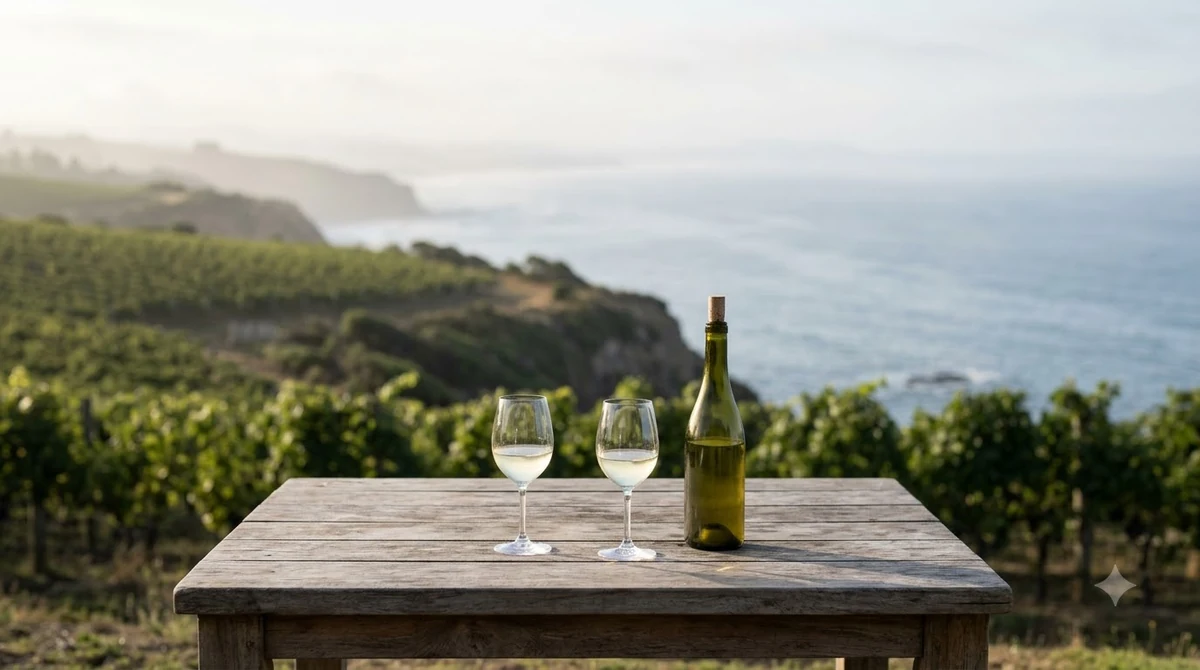
Choose this style if you value freshness more than oak, extraction, or a long, layered finish. The typical glass leans toward cherry, raspberry, strawberry, and sometimes floral or confectionery notes. Those aromas can be charming with a plate of roast poultry or a simple weeknight meal, especially when the wine is served slightly cool. The texture is generally easygoing, with less grip than a firm Cabernet Sauvignon or a structured Syrah. It can still have noticeable tannin, however: Wine Enthusiast’s 2025 review of the regular bottling described more concentration than expected and sturdy tannins, while the 2025 Beaujolais-Villages bottling was noted for a grippier attack.
It is a less suitable choice for someone seeking a cellar-worthy red, pronounced oak, or the savory complexity associated with mature wines from Morgon or Moulin-à-Vent. Wine Spectator describes Nouveau as simple and playful, with a style that can turn bubblegum- or banana-candy-like and lacks the structure of wines meant to age. That is the category’s purpose, not automatically a flaw: the pleasure is drinking a young vintage while its fruit is vivid. For readers comparing the label with other releases in the producer’s portfolio, the dedicated georges duboeuf beaujolais nouveau page can help distinguish the seasonal wine from the broader range. This bottle suits a party, picnic, charcuterie spread, or informal holiday meal better than a long-term cellar plan.
Key Factors to Compare Before Buying a Bottle
Start with the appellation and vintage, then compare the alcohol level and the tasting profile stated for that specific release. The difference between the producer’s 2025 and 2026 listings is a useful reminder that one vintage should not be treated as a fixed template for the next.
| What to compare | Regular Beaujolais Nouveau | Beaujolais-Villages Nouveau |
|---|---|---|
| Appellation | Beaujolais Nouveau AOC | Beaujolais-Villages Nouveau AOC |
| Grape | Gamay | Gamay |
| 2025 alcohol listed by Wine Enthusiast | 12.5% | 12.5% |
| 2025 bottle size listed by Wine Enthusiast | 750 ml | 750 ml |
| 2026 regular bottling alcohol listed by Duboeuf | 13.5% | Not stated on the cited 2026 regular listing |
| Typical emphasis in reviewed examples | Fresh cherry, red and dark berries, floral lift | More concentration, dark fruit, and firmer texture |
The 2025 details in the table come from Wine Enthusiast’s buying-guide listings, which identify both wines as 750 ml Gamay reds at 12.5% alcohol. Duboeuf’s 2026 product listing gives 13.5% for its regular Sélection Beaujolais Nouveau and describes a brilliant purple color, cherry and kirsch-like notes, and a full, warm palate. The listing does not provide a grape field or tasting temperature, so the grape reference comes from the appellation rules.
Think of the alcohol figure as one comparison point, not a quality score. A move from 12.5% to 13.5% can make a wine feel warmer or fuller if served too close to room temperature, but it does not make the newer vintage automatically better or sweeter. Vintage conditions, fruit maturity, extraction, and blending decisions all contribute to the finished profile.
Read notes with the same care. A 2025 independent review of the regular Georges Duboeuf bottling called out pomegranate, red cherry, white peach skin, hibiscus, and violet; a retailer’s 2025 note also mentioned black cherry, boysenberry, caramelized pineapple, sage, and black pepper. These are vintage-specific descriptions, not a compulsory flavor checklist. The broader Georges Duboeuf wine range includes more than Nouveau.
Step-by-Step: Choose, Chill, Pour, and Pair
A good bottle choice is only half the job: a few small serving decisions keep the wine’s fruit lively and make the most of its flexible food style. Start with the bottle’s appellation and vintage, serve it cooler than a full-bodied red, and match its acidity and modest tannin to the food on the table.
- Choose the right label. Pick regular Beaujolais Nouveau for a lighter, immediate, fruit-forward red. Choose Beaujolais-Villages Nouveau when you want a more concentrated expression from the Villages appellation; the 2025 Wine Enthusiast note describes red cherry, boysenberry, black plum, and a grippy structure.
- Compare the vintage information. Check the stated alcohol and bottling details for the exact release. Duboeuf’s 2026 regular Sélection listing states 13.5% alcohol, while Wine Enthusiast lists 12.5% for both the regular and Villages 2025 bottles. Those figures show why an old description may not match a new bottle.
- Bring the wine to serving temperature. Aim for 55–60°F, the standard serving range for light reds. A slightly cool pour keeps fruit bright and helps prevent alcohol warmth from dominating, especially in a vintage listed at 13.5%.
- Pour a measured glass. A standard 750 ml bottle yields about five 5 oz servings. Use a regular red-wine glass and leave enough room to swirl gently; the aromatic lift of Gamay is part of the appeal, and a large decanter is not needed for this youthful style.
- Pair it with food that suits its freshness. Try roast turkey, chicken, saucisson, mild cheeses, gherkins, or a mushroom tart. The tangy profile can work with pickled accompaniments, while moderate fat and salt soften the wine’s tannin.
Tip: Aim for 55–60°F rather than room temperature; a bottle stored near 55°F may already be close to serving condition.
For a mixed holiday menu, match the wine to the strongest flavors rather than turkey alone. Cranberry relish and pickles bring acidity, while creamy potatoes, gravy, and cheese soften its grip. Strong chili heat is less reliable because alcohol and tannin can make spicy food feel hotter, while oily fish can clash with red-wine tannin.
The wine also works as an aperitif with cured meat or a few bites of cheese. If the meal includes delicate poultry and strongly seasoned dishes, keep it with the lighter plates rather than expecting it to cover every flavor.
Types and Styles: Regular Nouveau vs. Villages Nouveau
The most useful choice is between the regular Beaujolais Nouveau and Beaujolais-Villages Nouveau, both based on Gamay but drawn from different appellation areas. The Villages version is often the more concentrated and structured option, while the regular bottling is the straightforward expression of the seasonal style.
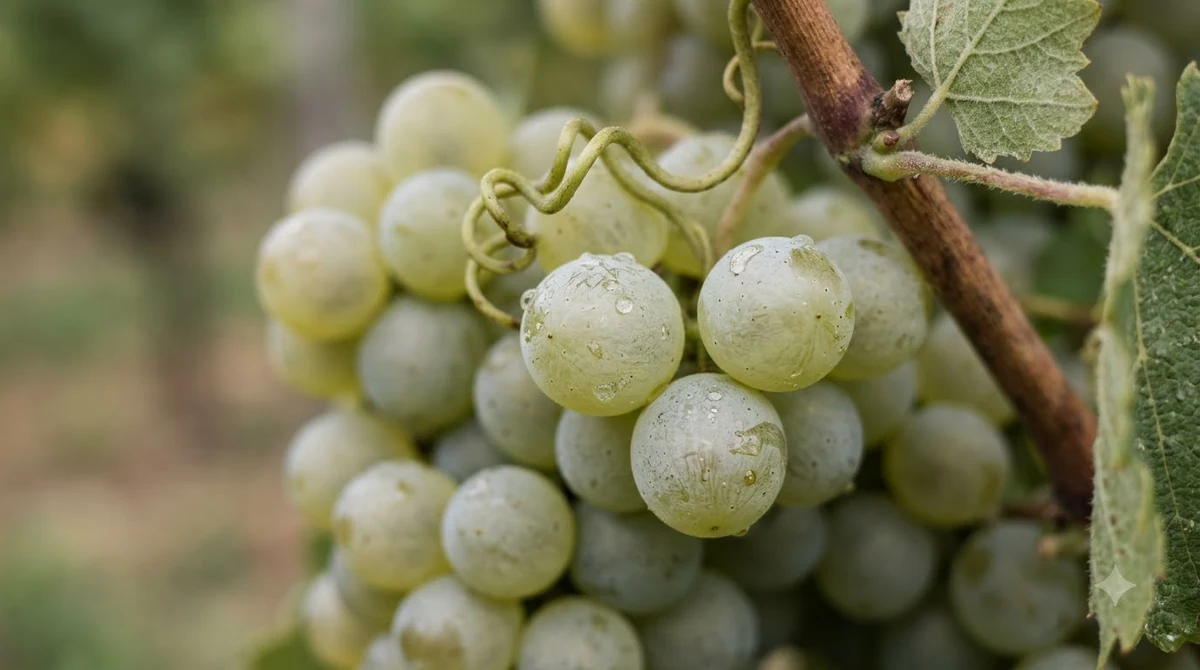
Beaujolais Nouveau is an appellation wine from the Beaujolais area north of Lyon, and the French Ministry of Agriculture describes it as made exclusively from Gamay and bottled soon after harvest. Wine Spectator explains that fruit for Nouveau can come from the broader Beaujolais AOC and from the 38 villages within the Beaujolais-Villages AOC. Villages signals a defined growing area, not a different grape or release season.
In the 2025 reviews, the difference was visible in the descriptions. Wine Enthusiast found pomegranate, cherry, white peach skin, and hibiscus in the regular Georges Duboeuf Nouveau, with more concentration and sturdier tannin than expected. Its review of the 2025 Beaujolais-Villages Nouveau described red cherry, boysenberry, apricot skin, and black plum, with a firmer initial grip and a longer red-currant and rosehip finish. As a shopping shorthand, choose the regular bottling for refreshment and Villages for more body and structure.
Neither should be confused with the ten Beaujolais crus, including Morgon, Fleurie, Brouilly, and Moulin-à-Vent. Those appellations represent a different tier of regional expression and can produce reds with more depth and, in some cases, the ability to develop in bottle. Wine Spectator specifically recommends treating Nouveau as a bright opener and exploring cru Gamay for more structured dishes or longer cellaring. Readers looking for a broader red-wine overview can use the Georges Duboeuf red wine page as a next step beyond the November bottling.
Common Mistakes That Can Dull the Wine
The main mistakes are expecting a cru Beaujolais, serving the wine warm, and assuming every vintage has the same alcohol level or flavor profile. A little attention to style and temperature matters more than elaborate wine service.
First, do not buy Nouveau as a substitute for an age-worthy red. Its appeal is the fresh, just-released character, and Wine Spectator recommends drinking it within a few months of release, with the reviewer preferring it before the New Year. A bottle left in a warm kitchen for years is unlikely to gain the complexity of Morgon or Moulin-à-Vent. Buy it for the season and enjoy its primary fruit while lively.
Second, avoid pouring it at the same temperature as a big, full-bodied Cabernet Sauvignon. A light red is best around 55–60°F, not the 60–65°F range used for full-bodied reds. Excess warmth can make alcohol seem more obvious and can blur the freshness that distinguishes Gamay. At the other extreme, serving it ice-cold can mute aroma and make the wine seem harder or thinner than it is; aim for cool rather than refrigerator-cold.
Third, do not read a single tasting note as a guarantee. One vintage may lean toward strawberry, raspberry, and violet, while another may show blackberry, black cherry, herbs, spice, or a more noticeable confectionery note. In its 2025 Beaujolais Nouveau feature, Wine Spectator noted wide variation among bottlings, with some showing prominent banana-candy character, while singling out Georges Duboeuf for violet and blackcurrant-jelly flavors. Judge each release on its own profile rather than expecting one permanent house formula. Finally, do not pair it with every dish on the table without considering intensity. The wine’s bright acidity is useful with rich poultry and cured meats, but very hot chili sauces can make the alcohol and tannin feel more aggressive. For a balanced meal, place it beside roast turkey, mild sausage, mushroom dishes, and medium-flavored cheeses, then choose a different style for heavily spiced or very delicate seafood plates.
Care and Storage Tips for a Young Red
Georges Duboeuf Beaujolais Nouveau is designed for early enjoyment, so store it carefully but do not treat it as a long-term cellar project. Keep the bottle cool and stable before opening, serve it at 55–60°F, and refrigerate any remaining wine after the meal.
For an unopened bottle, the standard wine-storage target is close to 55°F in a dark, stable place, away from direct sunlight, heat vents, and repeated temperature swings. Store a cork-finished bottle on its side so the cork does not dry out; a screw-cap bottle can stand upright if that is more convenient. The important factors are consistency and protection from heat, not a complicated collection of cellar equipment. A cool interior closet is better than a shelf above an oven or a sunny counter.
Before serving, chill the bottle until the wine is in the light-red range of 55–60°F. A bottle stored near 55°F may already be close to the target; chill one kept in a warm room before pouring. Unlike a young, full-bodied red that may benefit from 30–60 minutes of decanting, this fresh Gamay generally needs no extended aeration. Open the bottle, pour a small taste, and serve. After opening, put the bottle in the refrigerator and aim to finish a still wine within 3–5 days. Bring each pour back toward serving temperature rather than leaving the bottle out for hours. The wine will gradually lose fruit and aromatic lift after opening, so smaller pours and a tight closure help. There is little reason to save an opened Nouveau for later in the month.
For general wine education beyond this seasonal bottle, the site’s Wine Brands section can help compare producers and regional styles. Record the vintage, alcohol level, and successful pairings to compare your preferences with the next November release.
Frequently Asked Questions
These quick answers cover the release rule, the producer’s background, and the wider range of wines associated with Maison Georges Duboeuf. They add context for readers deciding whether to stay with Nouveau or explore further across Beaujolais and Mâconnais.
When did the third-Thursday-of-November release date become official?
The date was fixed in 1985, after the early-sale tradition developed from the 1951 authorization for Beaujolais wines to be sold before the usual December release. The third Thursday became the familiar annual arrival date for the new vintage.
Where is Maison Georges Duboeuf based?
The company lists its headquarters and shop at 208 rue de Lancié, 71570 Romanèche-Thorins, in France’s Beaujolais area. The producer’s Nouveau history page also says Georges Duboeuf settled in Romanèche-Thorins in 1964.
Who manages the Duboeuf family wine business today?
The producer identifies Franck Duboeuf and his son Adrien as the managers of Les Vins Georges Duboeuf. A third generation is involved too: Aurélien Duboeuf manages the family-owned vineyards.
Does the Duboeuf house make wines beyond Beaujolais Nouveau?
Yes. The Maison works across the Beaujolais and Mâconnais regions and presents wines from the Beaujolais crus as well as other regional appellations. Its range is therefore much broader than the annual Nouveau bottling.
How large is Maison Georges Duboeuf’s grower network?
The producer says more than 300 winegrowers work with the Maison across the Beaujolais and Mâconnais appellations. It also reports annual production of 12 million bottles, with 75% exported.
Georges Duboeuf Beaujolais Nouveau is a sensible pick for a fresh, fruit-forward red that suits Thanksgiving, casual gatherings, and simple food pairings. Choose the regular bottling for easygoing freshness or the Villages version for a more concentrated profile, then serve it cool and drink it young.
More in Wine Brands
 Hess Select Wine Price: Compare Bottles and Find Your Best ValueUpdated Nov 21, 2026
 Grahams Port Price: Compare Bottles and Choose the Right PortUpdated Nov 21, 2026
 Grahams Port Review: Find the Right Style for Your TasteUpdated Nov 21, 2026
 Goldeneye Wine Review: Explore Its Pinot Noir Styles and QualityUpdated Nov 21, 2026
 Gruet Wine Price: Compare Bottles and Find the Right Sparkling WineUpdated Nov 21, 2026
 Hardys Wine Review: Find the Right Australian Bottle for Your TasteUpdated Nov 21, 2026