

We may earn a commission when you buy through links on this page, at no extra cost to you. Learn more.
Grahams port price varies by style, age designation, and vintage, with entry-level Ruby and Reserve Port generally costing less than aged Tawny and Vintage Port. For most buyers, Six Grapes Reserve is a practical starting point, while 10 Year Old Tawny offers a more developed, barrel-aged experience. Understanding what each bottle represents makes it easier to compare retail prices and choose a Port that suits your budget and occasion.
Graham’s is a recognizable name in Portuguese Port, with a portfolio covering youthful Ruby styles, wood-aged Tawny wines, Late Bottled Vintage releases, and collectible Vintage Ports. These categories serve different purposes, so comparing bottles solely by their age statements or shelf prices can lead to an unsuitable purchase. This guide explains typical US retail price ranges, the differences between the main Graham’s styles, and the factors that matter before buying a 750 ml bottle.
Who This Graham’s Port Price Guide Is For
This guide is useful for shoppers comparing Graham’s bottles at American wine stores, choosing a first Port, or deciding whether an aged Tawny justifies its higher retail cost. The main distinction is between wines intended for relatively casual enjoyment and bottles selected for more specialized occasions or extended cellaring.
First-time Port drinkers will generally find Reserve Ruby and standard Ruby styles easier to understand. Graham’s Six Grapes is a particularly useful starting point because the producer classifies it within its Reserve Ruby portfolio. Its style is centered on youthful fruit, richness, and a fuller character rather than the extended oxidative development associated with older Tawny wines. It can accompany chocolate desserts, blue cheese, and other strongly flavored foods without requiring a special occasion.
Shoppers who prefer dried fruit, caramel, toasted nuts, and a softer texture may find the aged Tawny category more appealing. Graham’s offers 10-, 20-, 30-, 40-, 50-, and 80-year-old Tawny selections, giving buyers several levels of complexity to consider. A 10 Year Old Tawny is a sensible introduction to the category, while a 20 Year Old bottle can make a more substantial gift or after-dinner selection.
Collectors and experienced Port enthusiasts should approach Vintage Port differently. Vintage releases are associated with individual harvest years and are intended to develop through bottle aging. Their appeal depends on the particular vintage, provenance, storage history, and expected drinking window. A prestigious vintage can cost considerably more than a standard Ruby or Tawny, but the additional expense is meaningful only when the buyer wants a wine with that specific aging potential.
There is also a useful distinction between buying a bottle for immediate consumption and purchasing one for a celebration several years away. A filtered, ready-to-drink Port can be opened without extensive preparation, whereas a bottle-matured Vintage Port may require upright settling, careful decanting, and more deliberate timing. These differences should influence the buying decision as much as the price itself.
Key Factors to Compare When Buying Graham’s Port
The most useful comparisons involve Port style, age designation, bottle size, and vintage status. These four factors explain why two Graham’s bottles can have substantially different retail prices despite belonging to the same producer’s portfolio.
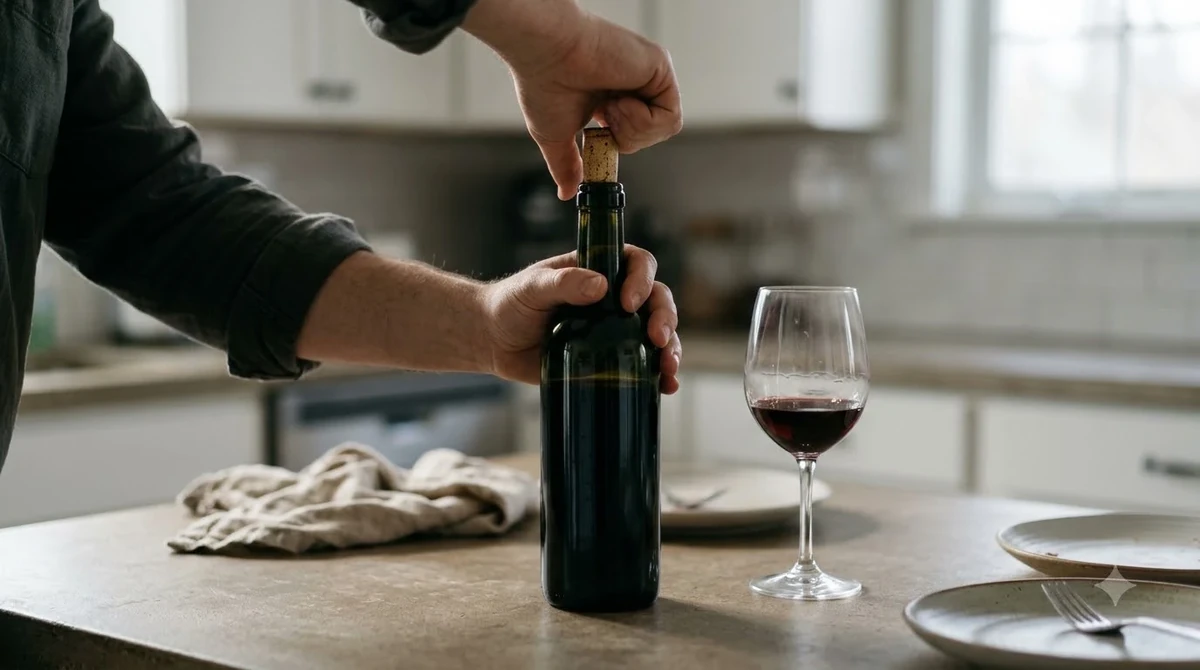
Style and production method: Ruby Port is generally fruit-driven, while Tawny Port develops more oxidative, nutty characteristics through wood aging. Graham’s official portfolio separates Reserve Ruby, Aged Tawny, Late Bottled Vintage, and Vintage Port into distinct categories. The differences are not simply marketing labels: each category has a different production and maturation approach.
Age designation: A 10 Year Old Tawny and a 20 Year Old Tawny are both blended wines, but their age indications describe different average age profiles. They are not equivalent to a single-vintage wine that has spent exactly 10 or 20 years in a bottle. Older Tawny blends generally offer more developed aromas and greater complexity, although individual preferences determine whether the additional cost is justified.
Vintage and release: Vintage Port is tied to a particular harvest year, unlike most standard Ruby and aged Tawny bottlings. The quality and reputation of the harvest can influence collector interest and retail pricing. A recent release, an older library bottle, and a special single-vineyard selection should not be treated as interchangeable purchases.
Bottle size: A standard 750 ml bottle provides more wine than a 375 ml half-bottle or a 200 ml format. This matters for occasional drinkers who may prefer a smaller quantity of rich fortified wine. Comparing the price per milliliter can also reveal whether a larger format offers better value for the intended use.
| Graham’s category | Typical US retail range | 750 ml comparison | Best suited to |
|---|---|---|---|
| Fine Ruby / Fine Tawny | About $15–$25 | Standard entry-level format | Casual Port drinking |
| Six Grapes Reserve | About $25–$35 | Standard Reserve Ruby | Fruit-forward Port and gifting |
| 10 Year Old Tawny | About $30–$50 | Standard aged Tawny | Nutty, barrel-aged flavors |
| 20 Year Old Tawny | About $65–$90 | Older blended Tawny | Special occasions and gifts |
| 30 Year Old Tawny | About $140–$200 | More mature Tawny category | Experienced Tawny drinkers |
| 40 Year Old Tawny | About $250–$350 | Premium aged Tawny | Luxury gifts and collectors |
| Vintage Port | About $80–$200 or more | Depends heavily on vintage | Cellaring and special occasions |
The table provides broad shopping estimates rather than guaranteed national prices. For the 10 Year Old Tawny, VinoAlert’s US retailer listings include several 750 ml offers around $33 to $50, supporting that approximate comparison; prices vary by state and retailer. The higher aged Tawny and Vintage categories require more careful comparisons because release, bottle condition, and availability can create substantial differences between sellers.
Retail availability also differs by state. Some retailers ship nationally, while others sell only within a limited number of states. Taxes, shipping charges, local alcohol regulations, and distribution arrangements can change the final amount paid even when two stores advertise similar bottle prices.
For a broader comparison of producers, the Wine Brands resource can help put Graham’s position alongside other established wine houses. If the decision is specifically between Port producers, it is also useful to compare their different house styles rather than assuming that similar age statements guarantee similar flavors.
Step-by-Step: How to Choose the Right Graham’s Bottle
A straightforward buying process starts with the occasion and preferred flavor profile, then narrows the selection by category, age, and bottle format. Following these steps prevents unnecessary spending on a style that does not suit the intended drinking experience.
-
Decide how the bottle will be used.
For a relaxed evening with chocolate or cheese, Six Grapes Reserve is a sensible starting point. For a formal dinner or a more substantial present, consider a 10 or 20 Year Old Tawny. For a collector interested in a particular harvest, investigate Vintage Port separately.
-
Choose between fruity Ruby and nutty Tawny.
Ruby styles emphasize fresh black cherry, blackberry, and plum characteristics. Tawny styles develop dried fig, hazelnut, caramel, and spice notes. If the recipient prefers fresh fruit flavors, start with Reserve Ruby; if they enjoy toasted nuts and caramel desserts, choose Tawny.
-
Set a realistic spending range.
Establish a maximum before comparing stores. A standard Reserve Ruby generally occupies a much lower price category than a 30 or 40 Year Old Tawny. Do not move into a higher age category simply because the number on the label appears more impressive.
-
Compare equivalent bottle sizes.
Check whether the listing is for 200 ml, 375 ml, or 750 ml. A smaller bottle can appear less expensive while costing more per milliliter. For a first purchase, a half-bottle can be a practical way to explore a style without committing to a full-sized bottle.
-
Check the exact category and release.
Distinguish Reserve Ruby from basic Ruby, Late Bottled Vintage from Vintage Port, and blended Tawny from Single Harvest Tawny. These names indicate different wine styles and maturation histories. The producer’s official Graham’s wine portfolio is useful for checking the categories associated with its current range.
-
Compare several reputable retailers.
Look at at least three sellers when comparing a premium bottle. Consider shipping eligibility, taxes, bottle size, release information, and storage conditions. A low advertised price is less attractive if the seller cannot provide reliable details about an older bottle’s provenance.
-
Match the bottle to the serving occasion.
A 750 ml bottle is generous for a wine usually served in small portions. If the gathering includes four people, a single bottle can provide several servings while allowing everyone to compare the wine with different foods. For a larger tasting, two contrasting styles may be more interesting than two identical bottles.
Tip: If this is your first Graham’s purchase, compare Six Grapes Reserve with 10 Year Old Tawny before considering expensive age-designated bottles. This side-by-side comparison makes the difference between fruit-driven Ruby and barrel-aged Tawny easier to understand without committing to a luxury purchase.
Types of Graham’s Port Explained
Graham’s portfolio includes several categories, each designed around a different balance of fruit, aging, and complexity. Understanding these styles is essential because the difference between a Reserve Ruby and an aged Tawny is often more important than the numerical price difference.
Fine Ruby and Fine Tawny
The Classic range includes Fine Ruby and Fine Tawny, providing accessible introductions to the producer’s two principal red Port styles. Fine Ruby is the more fruit-oriented option, while Fine Tawny introduces the softer, more developed characteristics associated with wood aging. These bottles make sense for people who want a familiar after-dinner Port without paying for an extended age designation.
For a first purchase, Fine Ruby can accompany dark chocolate, berry desserts, or blue cheese. Fine Tawny is more suitable for toasted almonds, walnuts, caramel desserts, and aged cheeses. Both can be served in relatively small portions because Port is richer and sweeter than ordinary dry table wine.
Six Grapes Reserve Ruby
Six Grapes is one of the most recognizable selections in the Graham’s range. The producer classifies it as Reserve Ruby and states that its Reserve Ports spend at least four years aging in wood. It is intended to offer a youthful, bright, and complex character rather than the extended bottle development associated with Vintage Port.
Its fruit-forward profile makes it a flexible choice for people who want a substantial fortified wine that does not require a lengthy preparation process. Try it with dark chocolate, chocolate cake, raspberry desserts, or salty blue cheese. The combination of sweetness and concentrated fruit gives it enough presence to stand alongside strongly flavored foods.
Six Grapes is also available in different bottle formats through US retailers. Smaller bottles can suit occasional drinkers, while a standard 750 ml bottle works better for a dinner gathering or a gift. Buyers should compare the format before evaluating the headline price.
10 and 20 Year Old Tawny
These are two particularly useful categories for shoppers who enjoy developed, nutty Port. Graham’s aged Tawny range extends beyond these entry points, but the 10 and 20 Year Old bottlings are practical starting places for comparing the influence of additional maturation.
The 10 Year Old Tawny typically offers dried fruit, toasted nuts, caramel, and gentle spice. It is a good choice for people who want more complexity than a basic Tawny without moving into the highest-priced categories. A chilled serving alongside pecan pie or crème brûlée highlights its sweeter, nutty character.
The 20 Year Old Tawny generally offers a more developed profile, with greater emphasis on dried fruit, nuts, and layered oxidative notes. It can suit a formal gift or an after-dinner occasion where the wine itself is a central part of the experience. However, someone who strongly prefers fresh blackberry and cherry flavors may still prefer Six Grapes.
30, 40, 50, and 80 Year Old Tawny
Graham’s also produces older age-designated Tawny categories. These bottles appeal to drinkers looking for greater complexity and a more distinctive gift. Their prices can rise considerably because the blends represent long-term maturation and the work required to maintain and combine older wines.
The age indication should be understood as a blended age profile, not as a guarantee that every drop in the bottle comes from wine of exactly that age. A 40 Year Old Tawny is not a single-harvest wine that has simply been kept in one barrel for four decades. It represents a blend created to achieve a particular mature style.
For buyers unfamiliar with aged Tawny, moving directly from a basic Ruby to a 40 Year Old bottle may be an expensive way to discover personal preferences. Trying a 10 or 20 Year Old first provides a more practical reference point.
Late Bottled Vintage
Late Bottled Vintage, commonly shortened to LBV, is made from a single harvest and receives several years of wood maturation before release. Graham’s official range includes standard Late Bottled Vintage and a Quinta dos Malvedos selection. The style occupies an interesting position between approachable Ruby Port and more demanding Vintage Port.
LBV is useful for buyers who want concentrated fruit and a vintage-specific character without necessarily purchasing a bottle intended for decades of cellaring. Depending on the bottling and filtration, it may be ready to pour or may benefit from decanting. Its suitability for drinking now makes it an appealing option for dinners and celebrations.
Vintage Port and Single Harvest Tawny
Vintage Port is the category to investigate when the harvest year is central to the purchase. Graham’s portfolio includes its main Vintage Port alongside Quinta do Tua, Quinta dos Malvedos, and The Stone Terraces selections. These wines can have substantial aging potential, but their quality, price, and maturity depend on the specific release.
Single Harvest Tawny follows a different approach. It is associated with one harvest year and develops through wood aging rather than the bottle-maturation process of Vintage Port. It is therefore a useful alternative for someone interested in a distinctive date and developed Tawny characteristics.
For further producer comparisons, readers can also explore Dow’s Port and Fonseca Port. These comparisons are useful because established Port houses can emphasize different levels of sweetness, structure, and maturation.
Common Mistakes When Comparing Graham’s Port Prices
Several buying mistakes can make an apparently attractive bottle less suitable than expected. The most common problems involve confusing different Port categories, misunderstanding age indications, and overlooking bottle size or storage history.
Assuming the Oldest Tawny Is Automatically the Best
A 40 Year Old Tawny may be more complex than a 10 Year Old, but that does not mean it will provide a better experience for every drinker. The older category typically emphasizes more developed aromas and a different balance of fruit, nuts, caramel, and spice. Someone who prefers lively fruit and straightforward sweetness may enjoy a younger style more.
It is better to select according to taste and occasion. A 10 Year Old Tawny can be an excellent choice for a casual dessert pairing, while an older bottle may be more appropriate for a special celebration. The extra expense should correspond to a genuine preference for the more mature style.
Confusing Vintage Port with Tawny Port
These categories mature in different ways. Tawny develops through wood aging, while Vintage Port is bottled relatively young and can evolve for many years in the bottle. Their flavors, textures, serving requirements, and storage needs are not interchangeable.
A Tawny purchase is generally more convenient for someone who wants a ready-to-drink wine. Vintage Port may be a more interesting choice for a collector willing to plan ahead, research the harvest, and handle sediment when opening the bottle.
Comparing Different Bottle Sizes
A 375 ml bottle is half the volume of a standard 750 ml bottle, while a 200 ml bottle is intended for a much smaller occasion. Comparing the advertised prices without accounting for these differences can produce a misleading impression of value.
For example, a smaller bottle may be a good purchase for a single dessert course or a tasting between two people. A full bottle makes more sense when several guests will share the wine or when the buyer already knows the preferred style.
Ignoring the Seller and Bottle Condition
Provenance becomes especially important with older Vintage Port. Poor storage, fluctuating temperatures, damaged closures, and uncertain handling can undermine the condition of a collectible bottle. A retailer should be able to provide meaningful information about the release and its condition.
Newer standard Ruby and Tawny releases are generally simpler purchases, but reputable sellers still matter. Buyers should verify shipping arrangements and local availability before placing an order, particularly for products that may be restricted in certain states.
Buying for a Dessert Without Considering Sweetness
Port is naturally sweet, but the dessert should not overwhelm it. A dessert that is significantly sweeter than the wine can make the wine taste less expressive and more acidic. Ruby Port often works well with dark chocolate and berry desserts, while Tawny can complement pecan pie, caramel, and nut-based pastries.
Cheese provides another useful option. Salt and fat can soften the perception of tannin and balance the richness of fortified wine. Blue cheese with a fruit-driven Ruby Port is a particularly useful combination for an after-dinner course.
Care, Storage, and Serving Tips for Graham’s Port
Correct serving and storage help preserve the character of a bottle after purchase. Ruby, Tawny, LBV, and Vintage Port do not all require the same preparation, so the category should guide how the wine is handled.
Serving Temperature
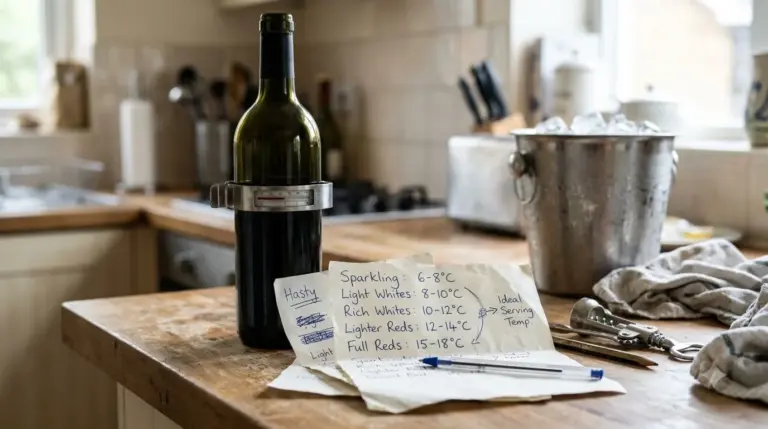
Ruby Port is generally best served slightly cool, around 55–60°F, while aged Tawny is particularly enjoyable at approximately 50–55°F. These temperatures help preserve aromatic detail and prevent alcohol from dominating the experience. A bottle that has been stored at room temperature may benefit from a short period in the refrigerator before serving.
Vintage Port is generally served around 60–65°F. It should not be served excessively warm because the alcohol can become more prominent and the wine may seem less balanced. Allowing a bottle to approach a suitable serving temperature gradually is preferable to using aggressive heating or chilling.
Pouring and Glassware
A traditional Port serving is smaller than a standard glass of table wine. A 5 oz pour is a useful general reference for wine serving calculations, although Port is commonly served in smaller tasting portions of approximately 3 oz. A standard 750 ml bottle therefore provides approximately five 5 oz glasses or eight smaller 3 oz servings, with some wine remaining depending on pouring accuracy.
Small tulip-shaped glasses or suitable white wine glasses help concentrate aromas. The glass does not need to be filled to the top. Leaving room for the aromas to collect makes it easier to appreciate the dried fruit, spice, berry, and caramel characteristics associated with different Graham’s styles.
Decanting Vintage Port
Young Reserve Ruby and many filtered LBV bottlings can generally be opened and poured directly. Mature Vintage Port is different because sediment can develop during bottle aging. Standing the bottle upright before opening allows the sediment to settle toward the bottom.
For a young, full-bodied red wine, a 30–60 minute decanting period is a useful general reference, but mature Vintage Port needs more careful treatment. Pour slowly and stop when sediment approaches the neck. The purpose is to separate the clear wine from the deposit rather than expose an older bottle to unnecessary oxygen.
Storing Unopened Bottles
Store bottles in a cool, dark location with a relatively stable temperature near 55°F. Bottles sealed with natural cork are generally stored horizontally to help keep the cork from drying out. Avoid direct sunlight, strong temperature fluctuations, and locations near heat-producing appliances.
Vintage Port intended for extended cellaring benefits particularly from consistent conditions. A wine cabinet or suitable cellar is preferable to a kitchen cupboard or a room that becomes hot during the day. Older bottles should also be protected from unnecessary movement.
Keeping Opened Port Fresh
Once opened, different styles have different practical drinking windows. Sparkling wines, still wines, fortified wines, and bag-in-box wines should not be assigned the same storage expectations. Port’s higher alcohol and sweetness can help it remain enjoyable longer than ordinary table wine, but exposure to oxygen still changes its character.
Refrigerate opened Graham’s Port and use an appropriate closure. Young Ruby and Reserve Ruby generally benefit from being consumed within several days to a couple of weeks, depending on their condition and storage. Tawny Port often keeps longer because of its previous exposure to oxygen during barrel aging. Vintage Port is generally more sensitive after opening and should be enjoyed sooner rather than treated like a long-lasting Tawny.
Frequently Asked Questions
Is Graham’s Port made in Portugal?
Yes. Authentic Port comes from Portugal’s Douro Demarcated Region, and Graham’s is a Portuguese Port producer. The Douro’s indigenous grape varieties include Touriga Nacional and Touriga Franca, among others. The region’s combination of steep vineyards and varied growing conditions contributes to the distinctive character of its fortified wines.
What does the Six Grapes name mean?
Six Grapes is the name of Graham’s Reserve Ruby Port range, not an indication that the wine contains only six grape varieties. Port is traditionally produced using blends of several indigenous varieties. Touriga Nacional, Touriga Franca, Tinta Roriz, Tinta Barroca, and Tinto Cão are among the varieties associated with the wider Port category.
Can Graham’s Port be used in cocktails?
Yes. Ruby and White Port are useful cocktail ingredients, and Tawny can also be incorporated into mixed drinks. White Port works particularly well in a refreshing Port tonic with tonic water, ice, and a citrus garnish. Richer Ruby styles can also contribute fruit and sweetness to cocktails that use chocolate or dark-fruit flavors.
Does Graham’s Port contain only red grapes?
No. Graham’s produces red and white Port categories. Its official portfolio includes Fine White and Extra Dry White alongside Ruby and Tawny selections. White Port uses permitted white grape varieties rather than the red varieties associated with traditional Ruby styles.
Does Graham’s Port have to be served after dinner?
No. Port can be enjoyed as an aperitif, alongside savory dishes, or with dessert. White Port with tonic and citrus is one popular pre-dinner option, while chilled Tawny can work well during warmer weather. The best serving occasion depends on the style rather than a fixed rule that Port must always follow the main course.
Graham’s offers a broad selection of Port styles, from approachable Reserve Ruby to mature Tawny and collectible Vintage releases. For most buyers, starting with Six Grapes or 10 Year Old Tawny provides a practical way to understand the producer’s range before moving into more expensive categories. Compare bottle sizes, release details, and retailer availability, then choose the style that best matches your preferred flavors and occasion.
More in Wine Brands
 Hugel Wine Price: Compare Bottles and Find Your Best ValueUpdated Nov 21, 2026
 Infinite Monkey Theorem Wine Review: How to Choose the Right StyleUpdated Nov 21, 2026
 Is Alamos Wine Good? How to Choose the Right BottleUpdated Nov 21, 2026
 Hampton Water Wine Price: Understand Bottle Costs and ValueUpdated Nov 21, 2026
 Hess Select Wine Price: Compare Bottles and Find Your Best ValueUpdated Nov 21, 2026
 Grahams Port Review: Find the Right Style for Your TasteUpdated Nov 21, 2026