


We may earn a commission when you buy through links on this page, at no extra cost to you. Learn more.
This infinite monkey theorem wine review finds that the brand’s appeal came from approachable Colorado wines, distinctive grape blends, and convenient canned packaging, making it an interesting choice for casual wine drinkers and fans of American wine. Its historical lineup included red, white, rosé, Moscato, Syrah, Malbec, and several distinctive blends. However, there is an important buying consideration: the Denver Gazette reported that the winery planned to end production and close its taproom by the end of 2024, so consumers should approach remaining bottles and cans as legacy inventory rather than assume regular new production.
The Infinite Monkey Theorem developed a recognizable identity by approaching winemaking differently from conventional estate wineries. Instead of building its reputation around a vineyard and traditional tasting-room atmosphere, the Denver producer focused on sourcing grapes, experimenting with wine styles, and making wine convenient through bottles, kegs, and aluminum cans. Understanding that background helps explain what made its wines distinctive, which styles are most interesting to look for, and what buyers should consider before purchasing an older bottle.
Who This Is For
Infinite Monkey Theorem is most relevant to people interested in American urban wineries, Colorado wine, approachable blends, and the history of canned wine. Its range included both straightforward everyday styles and more distinctive bottled wines, giving consumers several ways to explore the producer’s approach.
Casual wine drinkers may find the historical canned lineup particularly interesting. The winery offered red, white, rosé, and Moscato in aluminum cans, providing an alternative to conventional 750 ml bottles. These formats suited informal gatherings, outdoor activities, picnics, and occasions where glass containers were inconvenient. Beverage Industry reported that portability, reduced breakage risk, and easier chilling were among the practical reasons behind the company’s packaging decision.
People who prefer exploring grape varieties rather than buying wine solely by packaging may be more interested in the bottled collection. Historical offerings included Malbec, Syrah, Cabernet Franc, Petit Verdot, Chardonnay, Sauvignon Blanc, Albariño, and several blends. That selection provided opportunities to compare familiar international grapes with wines produced using Colorado-grown fruit.
The brand is also relevant to shoppers researching discontinued American wine labels. The Denver Gazette reported the planned closure of the winery and taproom at the end of 2024. That changes the buying decision considerably: availability, storage history, vintage, and seller reliability matter more than simply selecting a current release from a regular retail lineup.
This guide is particularly useful for three groups:
- Colorado wine enthusiasts: Readers interested in a notable urban winery and its contribution to the state’s wine culture.
- Canned wine enthusiasts: People curious about the producer’s unusual packaging and historical single-serving formats.
- Wine collectors and curious shoppers: Buyers researching older bottles, specific vintages, or the winery’s distinctive blends.
It may be less suitable for someone who needs a dependable, continuously available wine for regular entertaining. A discontinued producer cannot offer the same purchasing consistency as an active winery with established distribution. Readers looking for other approachable American labels can also explore our Barefoot wine guide to understand a different approach to accessible everyday wine.
Key Factors to Compare
The most useful way to evaluate Infinite Monkey Theorem is to compare the grape variety, wine style, packaging, vintage, and condition. Its historical portfolio included several distinct categories, so the producer’s name alone does not tell buyers exactly what a particular bottle will taste like.
Start with the difference between the canned collection and the bottled wines. The canned range emphasized accessible red, white, rosé, and Moscato styles. Bottled wines provided more opportunities to explore individual grape varieties and blends, including the winery’s named red blends.
| Wine or category | Historical details | Typical buying consideration |
|---|---|---|
| Red canned wine | 250 ml cans reported by Westword | Convenient individual serving; investigate storage condition |
| White canned wine | Part of the historical canned lineup | Suitable for drinkers seeking a lighter-style option |
| Rosé canned wine | Part of the historical canned lineup | Useful for casual warm-weather occasions |
| Moscato canned wine | Part of the historical canned lineup | Consider sweetness and food pairing |
| 2018 Syrah | 750 ml; 13.2% ABV | Look for vintage and storage information |
| 2018 Sauvignon Blanc-Semillon | 750 ml; 12.8% ABV | Consider age and freshness before purchasing |
| 100th Monkey | Petit Verdot, Malbec, Petite Sirah, and Syrah | Interesting option for fans of structured red blends |
| Blind Watchmaker | Seasonal red blend | Composition varied with available grapes |
The table distinguishes documented historical examples from general categories. It should not be interpreted as a statement that every wine remains available or that all vintages shared identical recipes. In particular, the 2018 Syrah and Sauvignon Blanc-Semillon provide useful reference points for understanding the winery’s bottled production, rather than representing current releases.
Grape composition is another important factor. Malbec generally provides dark fruit and substantial body, while Syrah can contribute blackberry, pepper, and firmer tannins. Cabernet Franc often brings red-fruit character and herbal notes. Sauvignon Blanc typically provides higher acidity, while Semillon can contribute a broader texture.
Packaging also changes how a wine should be evaluated. A 250 ml can is not equivalent to a standard 750 ml bottle. A conventional bottle holds approximately five 5 oz servings, while a 250 ml can holds roughly 1.7 servings of that size. Buyers should consider the actual volume rather than comparing containers by appearance alone.
Finally, consider the condition of the specific wine. An older bottle that has been stored properly may still be enjoyable, but poor storage can cause premature oxidation, loss of freshness, or other faults. A wine’s historical reputation does not guarantee that an individual surviving bottle remains in good condition.
Step-by-Step: How to Choose Infinite Monkey Theorem Wine
Choosing a suitable bottle requires a little more attention than buying from an active producer. Follow these steps to narrow down the style and reduce the risk of purchasing wine that has deteriorated during storage.
-
Identify the exact wine name.
Start by distinguishing the canned collection from the bottled range. Historical canned varieties included red, white, rosé, and Moscato. Bottled examples included Syrah, Malbec, Cabernet Franc, Chardonnay, and Sauvignon Blanc-Semillon. A specific name is more useful than searching only for the winery’s branding.
-
Decide which grape style suits your preferences.
For a fuller red, investigate Syrah or Malbec. For a more structured blend, look for the 100th Monkey. For white wine, consider Sauvignon Blanc or the historical Sauvignon Blanc-Semillon blend. Moscato is the more obvious starting point for drinkers who prefer a sweeter style, although sweetness can vary between individual wines.
-
Check the vintage and packaging.
Look for the vintage printed on bottled wines and distinguish a 750 ml bottle from the smaller historical cans. The 2018 Syrah reviewed by Wine Enthusiast contained 13.2% ABV, while the 2018 Sauvignon Blanc-Semillon contained 12.8% ABV. These figures belong to those specific releases and should not be generalized to every wine from the brand.
-
Confirm the seller and storage history.
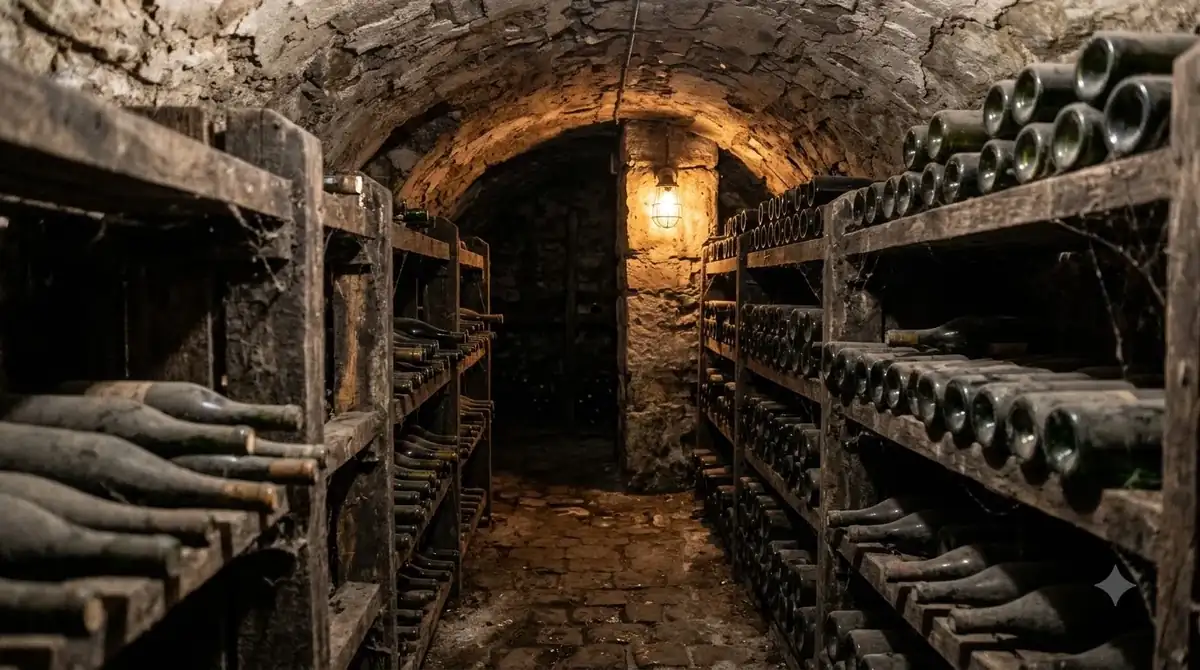
Because production ended following the announced closure, the origin and condition of remaining stock deserve particular attention. Ask whether bottles have been stored away from heat, direct sunlight, and major temperature fluctuations. For older wines, a reputable wine merchant who can explain the storage conditions is preferable to an unknown seller.
-
Inspect the packaging.
For bottled wine, examine the closure, fill level, and signs of leakage. A pushed cork, sticky residue around the capsule, or unusually low fill level can indicate a storage problem. For canned wine, avoid containers with significant dents, leaks, corrosion, or damaged seams.
-
Match the wine to the occasion.
A canned rosé or white was historically suited to informal outdoor occasions, while a bottled Syrah or red blend made more sense for a sit-down meal. If the wine is an older vintage, consider whether its condition and remaining freshness are appropriate for the occasion rather than assuming it will taste like a recent release.
-
Make the final decision based on condition and style.
Do not purchase solely because a bottle carries a recognizable label or represents an interesting piece of Colorado wine history. A sound, well-stored bottle of a style you enjoy is a better choice than a poorly stored collectible. If the seller cannot establish basic provenance or storage information, consider another bottle.
Tip: For discontinued wine, storage history can matter more than the reputation of the producer. Ask about temperature consistency, sunlight exposure, and the seller’s source before purchasing an older bottle or can.
One additional consideration is how the wine will be served. A Syrah with noticeable tannins generally benefits from being served slightly cooler than room temperature, around 60 to 65 degrees F. A white blend is usually more refreshing around 45 to 50 degrees F, while a fuller white can be served around 50 to 55 degrees F.
Consumers comparing different American wine producers may also benefit from our Wine Brands resource, which provides a broader starting point for understanding the differences between producers, grape varieties, and wine styles.
Types or Styles Explained
Infinite Monkey Theorem’s historical portfolio covered several recognizable wine categories, but its most interesting feature was the combination of familiar grape varieties and unconventional presentation. Understanding the differences between these styles makes it easier to identify the right wine when an older bottle appears at a retailer or specialist shop.
Red canned wine
The red canned category was intended to make wine easier to carry and serve without a traditional glass bottle. Westword described the historical cans as 250 ml containers, a format that provides more than one standard 5 oz serving. It is a practical distinction for shoppers who want an individual container rather than opening a full bottle.
Red wine itself can cover a broad spectrum of styles. Merlot usually has softer, medium tannins, while Cabernet Sauvignon is generally more tannic. Syrah can offer darker fruit and peppery character, depending on its origin and winemaking. The exact grape composition of an individual canned red should not be assumed from the color of the packaging.
White canned wine
The historical white canned wine offered an accessible alternative to bottled white wine. It was suited to informal occasions where portability and convenience mattered as much as traditional wine presentation.
The producer also made bottled white blends and varietal wines. One documented example was the 2018 Sauvignon Blanc-Semillon from Grand Valley. Wine Enthusiast described orange peel, blossoms, dried grass, cantaloupe, Bartlett pear, and lemon pith in its review. Its combination of Sauvignon Blanc and Semillon makes it particularly interesting for consumers who enjoy aromatic whites with citrus character.
Rosé
Rosé was part of the canned range, and the winery also offered rosé in other formats. Denver Westword specifically highlighted the producer’s sparkling rosé as a favorite at the time of its 2014 feature.
Rosé is not one fixed flavor category. Depending on the grapes and production method, it can be dry and crisp, fruit-forward, or slightly sweet. For food pairing, a dry rosé is generally versatile with grilled vegetables, salads, shrimp, chicken, and lighter appetizers. Serve a lighter rosé around 45 to 50 degrees F for a refreshing presentation.
Moscato
Moscato represented the sweeter side of the historical canned collection. It is a useful style to investigate for consumers who prefer pronounced fruit aromas and a softer impression of acidity compared with many dry white wines.
Sweetness is especially important when pairing Moscato with food. A wine should generally be at least as sweet as the dessert alongside it. Otherwise, the wine can taste unexpectedly sharp or thin. Fruit desserts, mild cheeses, and lightly spiced dishes are potential partners, depending on the actual sweetness of the wine.
Syrah and other bottled reds
The bottled red wines offered a more traditional way to explore the winery’s grape selection. Its historical portfolio included Syrah, Malbec, Cabernet Franc, Petit Verdot, and red blends.
The 2018 Syrah is particularly useful as a documented example. Wine Enthusiast described pomegranate, cherry, orange zest, cracked pepper, and sandy tannins, identifying a combination of fruit and structure rather than a simple, soft red-wine profile. The review also listed 13.2% ABV and a 750 ml bottle format.
For food, a Syrah-style red can work with grilled beef, lamb, roasted mushrooms, and dishes featuring black pepper. Salt and fat can soften the impression of tannin, making richer foods useful partners for structured reds. Oily fish, by contrast, can be difficult with heavily tannic red wines.
Signature blends
The 100th Monkey and Blind Watchmaker demonstrate the producer’s interest in blending. According to Beverage Industry, the 100th Monkey combined Petit Verdot, Malbec, Petite Sirah, and Syrah. The Blind Watchmaker changed seasonally according to the available grape varieties.
These blends are interesting because they demonstrate two different approaches. A defined blend uses a documented combination of grapes, while a changing seasonal blend allows the winemaker to adapt to available fruit. For collectors, the precise composition and vintage of an individual release can be important details.
The winery’s historical white blend of Viognier, Roussanne, and Vidal also demonstrates that its portfolio was not limited to conventional Sauvignon Blanc and Chardonnay. Such combinations can offer a broader aromatic profile and texture than a single-variety wine.
Common Mistakes When Buying This Brand
The biggest mistake is assuming that Infinite Monkey Theorem remains an ordinary active wine producer. The Denver Gazette reported that the company planned to cease winemaking and close its taproom by the end of 2024, citing rising production costs and declining wine-industry sales.
This makes it important to separate historical information from current purchasing conditions. An old review can establish what a particular vintage tasted like when assessed, but it cannot establish the condition of a bottle that has spent several additional years in storage. A previously well-regarded wine may have lost freshness if it was exposed to excessive heat.
Assuming every wine was canned
Although canned wine helped define the brand, the winery also produced conventional bottled wines and kegged wine. Buyers who assume that all Infinite Monkey Theorem products came in cans may overlook the bottled Syrah, Cabernet Franc, Malbec, and blends.
The reverse mistake is also common: assuming that a bottle and a can contained identical versions of every wine. Packaging and production formats varied across the portfolio. A specific release should be identified by its label and documented product details rather than by broad assumptions about the entire range.
Confusing grape variety with sweetness
A grape name does not automatically establish whether a wine is dry or sweet. Moscato is often associated with sweeter wines, but other grape varieties can also appear in different styles. Sauvignon Blanc is generally high in acidity, while Chardonnay tends to have medium acidity, but neither characteristic alone establishes the exact residual sugar level.
Consumers should distinguish sweetness from fruitiness. A wine with ripe peach, pear, or cherry aromas can still be dry. This matters when selecting food pairings, particularly desserts, where a sweeter dish can make a dry wine taste more acidic and less balanced.
Ignoring vintage differences
The 2018 Syrah and 2018 Sauvignon Blanc-Semillon were specific releases, not permanent descriptions of the entire brand. Vintage conditions, grape sourcing, blending decisions, and production choices can all affect a wine’s final profile.
Buyers should therefore avoid treating one tasting note as a universal description. A review of the 2018 Syrah cannot reliably describe a different vintage of Syrah, a canned red blend, or the 100th Monkey. Each is a separate wine and should be assessed on its own characteristics.
Buying old stock without checking condition
Remaining inventory can be appealing to collectors, particularly when a winery has closed. However, the label’s historical significance does not compensate for a compromised bottle. Heat exposure, oxidation, leaking closures, and damaged packaging can all affect quality.
Do not assume that a sealed container is automatically in good condition. Examine the physical packaging, ask about storage, and avoid containers with clear signs of damage. This is especially important for older white wines and rosés, where freshness is often a central part of the drinking experience.
Expecting a permanent retail selection
Another mistake is searching for a single dependable retailer that always stocks the complete lineup. The end of production means availability may differ significantly by location. A retailer might have an older bottled red but no cans, or may have no remaining stock at all.
It is better to search for a specific grape, blend, or vintage and contact the seller before traveling to purchase it. That approach is more practical than relying on historical product descriptions or old retailer listings that may no longer reflect actual inventory.
Care and Storage Tips
Proper storage is especially important for wine from a discontinued producer because surviving bottles may have already spent considerable time in distribution or private collections. Stable conditions help preserve wine quality, although they cannot reverse deterioration that has already occurred.
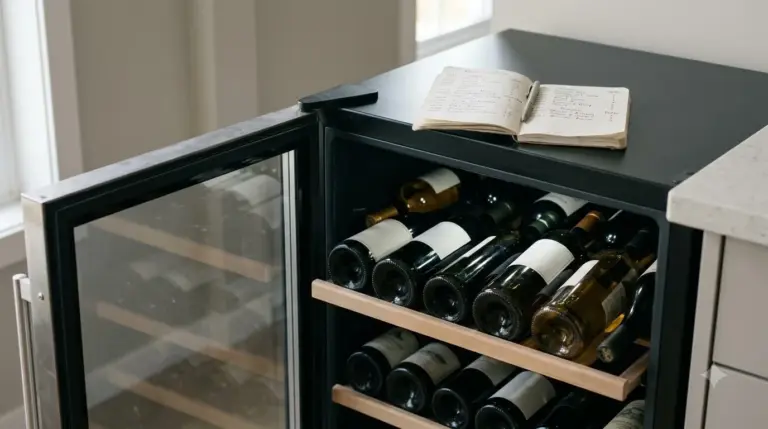
For bottled wine intended for longer storage, a temperature near 55 degrees F is a useful target. Keep bottles away from direct sunlight, radiators, ovens, and other sources of heat. Temperature stability is more important than repeatedly moving wine between warm and cold environments.
Traditional cork-sealed bottles should generally be stored on their sides so the cork remains in contact with the wine. This helps limit the risk of the cork drying out. Avoid unnecessary vibration, especially if the bottle has been stored for an extended period.
Serving temperatures
Different wine styles benefit from different serving temperatures. Serving a wine too warm can make alcohol more noticeable, while excessive chilling can suppress aromas and flavor.
- Light whites and rosé: Approximately 45 to 50 degrees F.
- Fuller-bodied whites: Approximately 50 to 55 degrees F.
- Light reds: Approximately 55 to 60 degrees F.
- Fuller reds: Approximately 60 to 65 degrees F.
- Sweet whites: Approximately 43 to 50 degrees F.
For a fuller bottled Syrah, a serving temperature around 60 to 65 degrees F can help balance fruit, alcohol, and tannin. A white blend containing Sauvignon Blanc and Semillon is generally better served cooler, around 45 to 50 degrees F if it has a lighter-bodied profile.
Handling opened bottles
Once a still wine has been opened, reseal it and keep it refrigerated. Most opened still wines are best consumed within approximately three to five days, although the actual result depends on the wine, closure, and amount of air exposure.
Pouring smaller servings can help limit the time a bottle remains open. A standard 750 ml bottle provides approximately five 5 oz servings. If the wine is particularly old, drinking it promptly after opening is sensible because it may be more vulnerable to oxidation than a younger wine.
Canned wines have a different storage consideration. An unopened can should be kept in a cool, dry location and protected from physical damage. Once opened, treat the remaining wine like an opened still wine rather than assuming the original sealed packaging will continue protecting it.
Decanting older reds
Young, full-bodied reds can sometimes benefit from approximately 30 to 60 minutes of decanting. However, an older bottle should not automatically receive the same treatment. Older wines can lose aromatic freshness more quickly after exposure to air.
For an older Infinite Monkey Theorem Syrah, start by pouring a small sample and assessing its condition. If the wine appears sound but initially closed, brief aeration may help. If it already shows signs of oxidation or fading fruit, extended decanting is unlikely to improve it.
Food pairing should also reflect the individual wine. A structured Syrah can accompany grilled meats and roasted vegetables, while a crisp white blend is more suitable for seafood, chicken, and fresh salads. A sweet Moscato-style wine is better paired with desserts that do not exceed its sweetness.
Frequently Asked Questions
What does the name Infinite Monkey Theorem mean?
The name refers to a mathematical thought experiment in which a monkey randomly typing for an unlimited amount of time would almost certainly produce a particular text. Founder Ben Parsons connected the idea with the many variables involved in winemaking and the challenge of producing a successful result from agricultural uncertainty. The concept helped give the Denver winery its distinctive identity.
Was Infinite Monkey Theorem an organic wine brand?
The historical sources discussed the winery’s grape sourcing, wine varieties, packaging, and urban production approach but did not establish that its entire portfolio carried organic certification. Organic status should not be inferred from the use of Colorado grapes or the winery’s nontraditional approach. Buyers researching an individual bottle would need specific certification information for that release.
Where did Infinite Monkey Theorem source its grapes?
Founder Ben Parsons told Beverage Industry that approximately 95 percent of the winery’s grapes came from western Colorado vineyards at the time of the interview. The remaining 5 percent came from other states to help address inconsistencies in local grape crops. This sourcing strategy allowed the company to operate in Denver without owning a traditional estate vineyard.
Did Infinite Monkey Theorem make sparkling wine?
Historical coverage of the winery mentions sparkling rosé and a sparkling wine project called Bubble Universe. Westword specifically discussed the sparkling rosé served at the Denver location. These references demonstrate that the winery’s offerings extended beyond conventional still wine, although they do not establish that every sparkling release remains available.
Can unopened canned wine last as long as bottled wine?
There is no universal storage-life guarantee for canned wine because longevity depends on the wine style, packaging integrity, production date, and storage conditions. Cans protect wine from light, but they do not prevent every form of quality deterioration. For older cans, packaging condition and provenance are important, and a damaged or leaking container should not be treated as collectible stock.
Infinite Monkey Theorem remains an interesting chapter in Colorado wine history because it combined regional grape sourcing, distinctive blends, and portable packaging in an unconventional urban winery. Its historical Syrah, white blends, rosé, and canned wines offer different ways to understand the producer’s range. For anyone considering a remaining bottle, the smartest approach is to identify the exact wine, verify its storage history, and prioritize condition over the appeal of the label.
For additional wine comparisons and buying advice, explore our Infinite Monkey Theorem wine resource and compare its distinctive approach with other American and international producers. Understanding grape varieties, sweetness, packaging, and vintage makes it easier to choose a bottle that suits both the occasion and your preferences. For historical context on the winery’s grape sourcing, packaging, and original product lineup, see Beverage Industry’s profile of The Infinite Monkey Theorem.
More in Wine Brands
 Laurent Perrier Rose Review: Taste, Quality and Buying TipsUpdated Nov 21, 2026
 Louis Jadot Wine Review: How to Choose the Right Burgundy BottleUpdated Nov 21, 2026
 Llano Estacado Wine Price: Compare Bottles and Find Your Best FitUpdated Nov 21, 2026
 Luigi Bosca Wine Price: Compare Bottles and Find Your Best ValueUpdated Nov 21, 2026
 Kirkland Signature Prosecco Review: What Buyers Should KnowUpdated Nov 21, 2026
 La Crema Rose Review: Choose the Right Bottle for Your TableUpdated Nov 21, 2026