

We may earn a commission when you buy through links on this page, at no extra cost to you. Learn more.
The hampton water wine price typically falls around $18 to $25 for a standard 750 ml bottle of Hampton Water Rosé in the United States. The exact amount depends on the retailer, location, vintage, and local availability. This French rosé combines Grenache, Cinsault, Mourvèdre, and Syrah, offering strawberry, citrus, and refreshing red-fruit flavors. Its recognizable bottle and collaboration between Jon Bon Jovi, Jesse Bongiovi, and Gérard Bertrand also contribute to its appeal as a casual entertaining wine or gift.
Hampton Water has become a recognizable name in the rosé category, combining a South of France wine style with a brand identity inspired by the Hamptons. However, shoppers comparing bottles should look beyond the label. Understanding its typical retail cost, grape composition, winemaking details, and available styles makes it easier to decide whether the bottle fits a particular occasion and budget. This guide explains what American shoppers can expect to pay and what they receive for that amount.
Who This Is For: Hampton Water Wine Price and Buying Expectations
Hampton Water is a good option for shoppers who enjoy approachable French rosé and want a recognizable bottle for casual entertaining. Its standard 750 ml format, fruit-forward character, and distinctive packaging make it suitable for dinners, outdoor gatherings, and gifts.
The main product most American shoppers encounter is Hampton Water Rosé, a still wine from Languedoc in southern France. It is produced through a collaboration involving Jon Bon Jovi, Jesse Bongiovi, and Gérard Bertrand. The producer describes the wine as fresh and lively, with strawberry and citrus notes and a long finish influenced by new French oak barrels. These characteristics place it in the accessible, food-friendly rosé category rather than the heavier, highly structured red-wine category.
For shoppers comparing everyday rosé bottles, the price is an important consideration. Wine Enthusiast lists the 2024 Hampton Water Rosé at approximately $20 for 750 ml, while Sam’s Club has displayed a listing around $18 for the same bottle size. Those examples support a typical US shopping expectation of roughly $18 to $25, although prices vary by state and retailer. These are retail reference points, not guaranteed prices at every store.
Hampton Water may appeal particularly to three types of buyers:
- French rosé enthusiasts: People who enjoy Grenache-based wines with refreshing acidity and red-fruit flavors.
- Casual hosts: Buyers looking for an attractive bottle to serve with salads, seafood, appetizers, and outdoor meals.
- Gift shoppers: People who appreciate the recognizable Hampton Water packaging and the collaboration behind the brand.
It may be less suitable for someone specifically looking for a very sweet wine, an inexpensive large-format party wine, or a complex bottle intended for extended cellaring. Hampton Water’s appeal is primarily its approachable drinking style and recognizable presentation.
Readers comparing different bottles can also explore our broader Wine Brands coverage to understand how producer identity, region, and wine style influence purchasing decisions.
Key Factors to Compare When Evaluating the Bottle Price
The most useful way to evaluate Hampton Water is to compare its bottle size, grape composition, alcohol level, origin, and flavor profile. These details explain what the retail price represents and whether the wine matches your preferences.
The following comparison summarizes the principal specifications published by the producer and established wine retailers. It focuses on the standard Hampton Water Rosé rather than assuming that every wine carrying the Hampton Water name has identical characteristics.
| Factor | Hampton Water Rosé Details | Why It Matters |
|---|---|---|
| Typical US retail range | About $18–$25 | Helps establish a shopping budget |
| Bottle size | 750 ml | Standard wine bottle format |
| Approximate servings | 5 servings | Based on 5-ounce pours |
| Alcohol content | 13% ABV | Useful for comparing wine strength |
| Country | France | Identifies the wine’s origin |
| Region | Languedoc-Roussillon | Provides regional context |
| Primary grape | Grenache, 60% | Provides the main fruit structure |
| Other grapes | Cinsault 15%, Mourvèdre 15%, Syrah 10% | Contribute additional character |
| Flavor profile | Strawberry, citrus, cherry, watermelon | Helps identify suitable food pairings |
| Winemaking detail | Portion aged in new French oak | Contributes to the finish and texture |
Price is only one part of the comparison. A bottle costing slightly more than another rosé may offer a different origin, grape composition, winemaking approach, or presentation. Hampton Water’s French origin and four-grape blend give it a recognizable identity that differs from simpler single-variety rosés.
Bottle size is another practical consideration. A standard 750 ml bottle provides approximately five servings when poured at 5 ounces each. That makes one bottle suitable for a small dinner or a tasting among several guests. A gathering of ten people would generally require approximately two bottles if everyone receives one standard serving.
Alcohol content also deserves attention. The official Hampton Water website identifies the standard rosé at 13% ABV. That figure is useful when comparing it with lighter rosés that have lower alcohol levels. Retailer listings and vintages can display different specifications, so the particular bottle remains the most relevant reference when comparing versions.
For a closer look at its character, our Hampton Water Rosé article provides additional information about the wine’s style and drinking experience.
Step-by-Step: How to Find Hampton Water at a Suitable Price
Finding a suitable Hampton Water bottle involves comparing more than the first displayed retail listing. A few straightforward checks can help shoppers distinguish normal retail variation from differences in bottle format, product style, and availability.
-
Identify the exact Hampton Water product.
Start by looking for the standard still Hampton Water Rosé in a 750 ml bottle. The brand also offers sparkling wine, so searching only for Hampton Water can produce listings for different products. Confirm the product name before comparing prices.
-
Establish a reasonable budget.
Use approximately $18 to $25 as a practical US retail reference for standard Hampton Water Rosé. Wine Enthusiast has listed a 750 ml bottle at approximately $20, while Sam’s Club has displayed a listing around $18. These examples provide a useful comparison, although prices vary by state and retailer.
-
Compare multiple retailers.
Check local wine shops, supermarket wine departments, and established online wine retailers. Availability can differ considerably between locations. One retailer may carry a particular vintage while another offers a different bottling or does not stock the wine at all.
-
Confirm the bottle size.
A 750 ml bottle is the standard comparison point. A larger bottle contains more wine and should not be compared directly with a standard bottle using only the displayed total amount. Compare equivalent volumes when evaluating value.
-
Check the vintage and product description.
Hampton Water Rosé can have different vintage-specific characteristics. Wine Enthusiast’s review of the 2024 vintage describes rose-petal and melon aromas with citrus peel and pith flavors. Other vintages may express slightly different fruit characteristics.
-
Review delivery and local availability.
Online listings may show a product that cannot be delivered to a particular address. Check local alcohol regulations, retailer delivery coverage, applicable taxes, and any additional shipping charges before completing a purchase.
-
Choose the bottle that fits the occasion.
For a small dinner, one 750 ml bottle may provide five standard pours. For a larger gathering, calculate the number of bottles needed according to the number of guests and the intended serving size.
One useful comparison is the Wine Enthusiast review of Hampton Water 2024 Rosé. It provides a vintage-specific description and a published retail reference, helping shoppers understand the wine beyond its packaging.
Tip: Compare the same 750 ml Hampton Water Rosé across at least two retailers before deciding what represents good value. A difference in displayed price may reflect location, availability, vintage, or retailer pricing rather than a difference in the wine’s basic identity.
Types or Styles Explained: Hampton Water Rosé and Bubbly
Hampton Water is not limited to a single wine format. The brand’s range includes its familiar still rosé and a sparkling Brut Rosé, giving shoppers different options for different occasions.
Hampton Water Still Rosé
The standard Hampton Water Rosé is the principal bottle associated with the brand. It comes from the Languedoc region of southern France and uses Grenache, Cinsault, Mourvèdre, and Syrah. According to the producer, the blend contains 60% Grenache, 15% Cinsault, 15% Mourvèdre, and 10% Syrah.
Grenache provides the largest share of the blend and contributes the wine’s fruit-centered character. Cinsault helps support a fresh, approachable style, while Mourvèdre and Syrah contribute additional structure and complexity. The combination produces a rosé that can work as an aperitif or accompany a range of everyday meals.
The official tasting description emphasizes strawberry and citrus. Retailer descriptions also mention cherry and watermelon, while Wine Enthusiast identifies rose-petal and melon aromas in its review of the 2024 vintage. These descriptions suggest a wine that combines recognizable red-fruit flavors with citrus freshness rather than pronounced sweetness.
Hampton Water Bubbly Brut Rosé
The brand also offers Hampton Water Bubbly Brut Rosé. This is a sparkling option rather than simply another bottle of the still rosé. Its Brut designation indicates a dry sparkling style, making it a different choice for celebrations and occasions where bubbles are preferred.
Buyers should not assume that the still rosé and sparkling rosé share the same grape proportions, alcohol content, or production method. These are separate products, and their individual specifications should be considered independently.
The distinction matters when comparing retail prices. A sparkling bottle may have different production requirements and packaging, so its displayed price should not be used as the direct benchmark for the standard still rosé.
Understanding the Difference Before Buying
The still rosé is generally the straightforward choice for someone seeking the familiar Hampton Water flavor profile. It is appropriate for meals, informal gatherings, and casual wine service. The sparkling version is more appropriate when the occasion calls for a bubbly wine.
For shoppers primarily interested in the familiar pink bottle, the standard product is the logical starting point. Our Hampton Water Wine overview offers additional brand information, while the official Hampton Water Rosé product information provides the producer’s tasting notes, grape proportions, and bottle details.
Common Mistakes When Comparing Hampton Water Wine Prices
Several purchasing mistakes can lead to misleading comparisons. The biggest problems involve confusing different product styles, overlooking bottle sizes, and assuming that every vintage or retailer listing represents exactly the same specifications.
Confusing Still Rosé With Sparkling Rosé
Hampton Water’s still rosé and Bubbly Brut Rosé are separate products. A search result displaying the brand name without a complete product description may show either option. Comparing their prices without identifying the style can create an inaccurate impression of what the standard rosé should cost.
Before making a comparison, identify whether the listing describes still wine or sparkling wine. Look for terms such as Brut Rosé and Bubbly when reviewing sparkling products. This simple step prevents comparisons between different categories.
Ignoring Bottle Size
A 750 ml bottle is the normal reference for the standard Hampton Water Rosé. Larger formats contain more wine and naturally have higher total prices. Comparing a larger bottle with a standard bottle without considering volume can make one option appear unnecessarily expensive.
For a fair comparison, calculate the approximate cost per 750 ml equivalent. This is particularly useful when buying wine for a larger dinner or an event where several bottles may be required.
Assuming Every Listing Has the Same Alcohol Content
The producer identifies the standard rosé at 13% ABV, but retailer descriptions can contain different figures. Such differences may reflect different vintage information, listing details, or product records. Buyers should avoid treating a specification from one retailer as a universal statement about every bottle.
The alcohol percentage is particularly useful when comparing Hampton Water with lighter rosés. A wine with a different ABV may deliver a noticeably different drinking experience, even when the bottle size and color are similar.
Expecting a Sweet Wine
Rosé color does not automatically indicate sweetness. Hampton Water is generally described as dry and refreshing, with red-fruit flavors, citrus, and balanced acidity. Strawberry and watermelon aromas can create a fruit-forward impression without making the wine taste like a sweet dessert wine.
Shoppers who prefer noticeably sweet wines should distinguish between fruity aromas and actual sweetness. The difference is important when selecting wine for guests with specific flavor preferences.
Overlooking Retailer Conditions
Retail prices are not necessarily consistent across the United States. State alcohol regulations, distribution arrangements, retailer inventory, and shipping availability can all affect the final amount paid.
A displayed online price may also exclude delivery charges or taxes. The total checkout cost is therefore more useful than the headline bottle price when comparing online purchases.
Care and Storage Tips for Getting the Most From the Bottle
Proper storage and serving temperature help preserve Hampton Water Rosé’s fresh fruit character. The wine is generally most enjoyable when chilled and served without allowing it to become excessively cold or warm.
Serve at the Right Temperature
Light whites and rosé wines are generally best served between 45 and 50 degrees Fahrenheit. This temperature range helps maintain refreshing acidity while allowing strawberry, citrus, and floral aromas to remain noticeable.
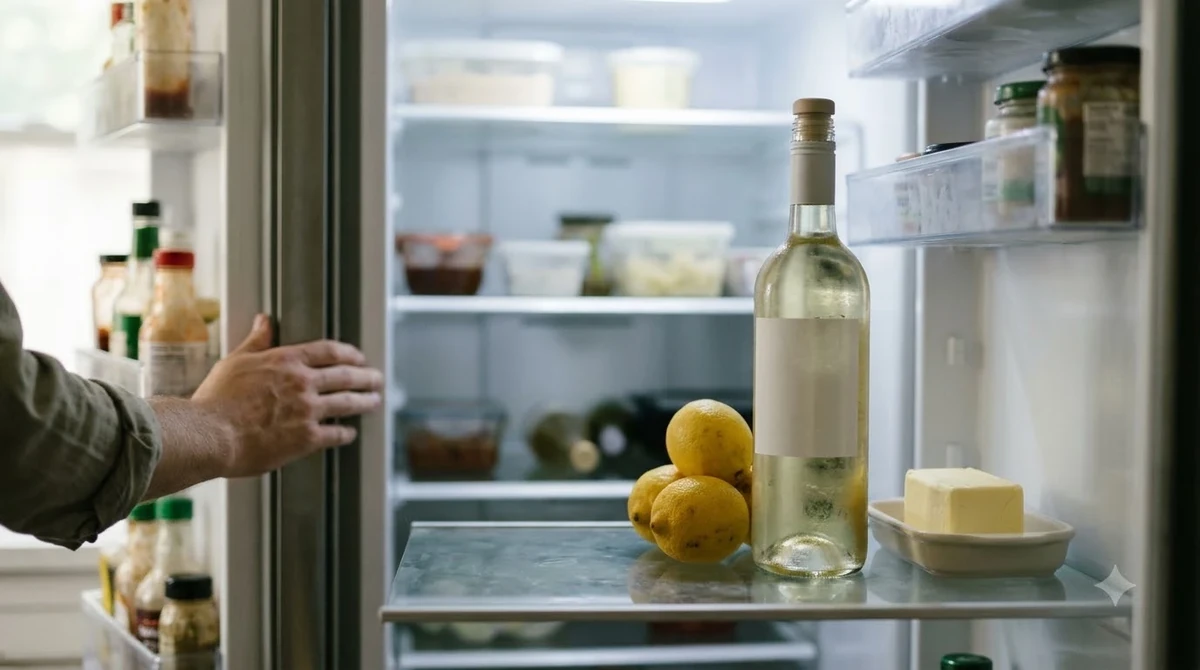
A refrigerator can chill the bottle before serving. If the bottle becomes too cold, allow it to sit briefly before pouring. Serving rosé significantly warmer than the recommended range can make its refreshing character seem less pronounced.
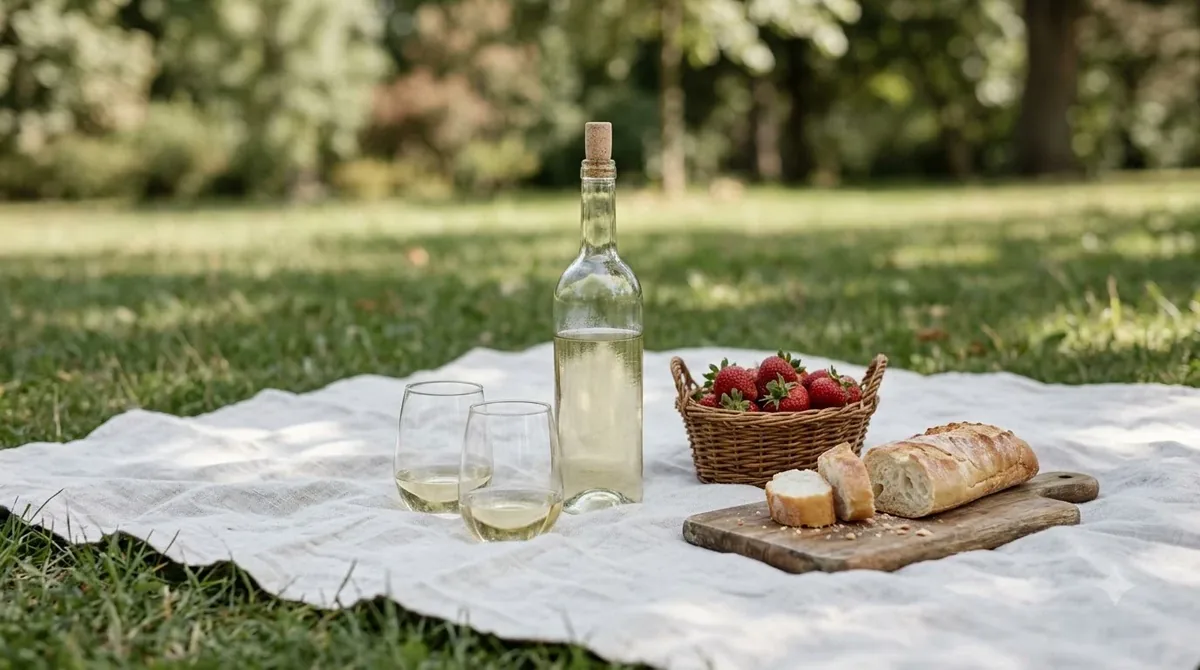
For outdoor entertaining, a wine bucket filled with ice and water can help maintain a suitable serving temperature. This is especially useful during warm-weather meals when a bottle may remain on the table for an extended period.
Use Appropriate Glassware
A standard white-wine glass is a practical option for Hampton Water Rosé. Its bowl provides room for the wine’s aromas to develop while remaining convenient for casual service.
For an informal gathering, the producer’s suggested serving size is 5 fluid ounces. A 750 ml bottle provides approximately five such servings, making it easy to estimate how many bottles are needed for a meal.
Store Unopened Bottles Correctly
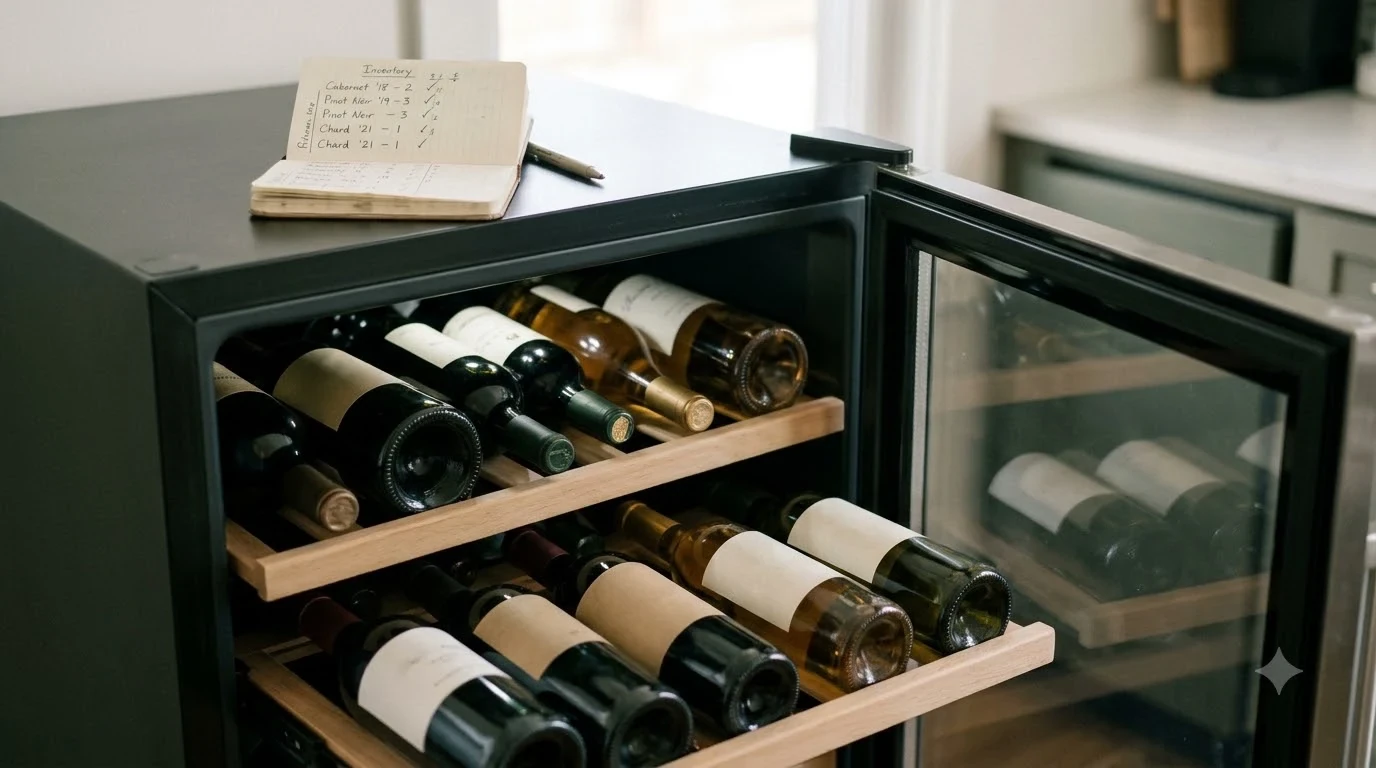
Keep unopened bottles away from direct sunlight and major temperature changes. A cool, stable storage environment is preferable to a location exposed to heat, such as a sunny kitchen counter or the interior of a vehicle.
For longer storage, bottles can be kept on their sides in a suitable wine-storage location near 55 degrees Fahrenheit. Hampton Water Rosé is primarily intended as an approachable drinking wine, so buyers generally have little reason to treat an ordinary retail bottle as a long-term collectible.
Preserve an Opened Bottle
The official Hampton Water bottle uses a distinctive glass closure instead of a traditional cork. The producer explains that the closure can be removed by placing both thumbs beneath it and pushing upward. It can also be used to reseal an unfinished bottle.
After opening, keep the rosé refrigerated and replace the closure securely. Most opened still wines are best consumed within approximately three to five days when refrigerated and properly sealed. For the freshest flavor, drinking the remaining wine sooner is preferable.
Storage is especially important for rosé because its appeal depends heavily on fresh fruit character and refreshing acidity. Avoid leaving an opened bottle exposed to warm air or sunlight for prolonged periods.
Frequently Asked Questions
Is Hampton Water Rosé made in Provence?
No. Hampton Water Rosé is associated with the Languedoc appellation in southern France rather than Provence. The distinction matters because Languedoc has its own regional wine identity and grape-growing traditions. Its French origin is an important part of the wine’s positioning.
Who created the Hampton Water wine label?
Hampton Water is the result of a collaboration between Jon Bon Jovi, his son Jesse Bongiovi, and French winemaker Gérard Bertrand. Their shared concept connects the relaxed lifestyle associated with the Hamptons with the wine culture of southern France. Gérard Bertrand contributes the winemaking expertise behind the wine.
Does Hampton Water Rosé contain added strawberry flavoring?
The producer identifies strawberry as a tasting note, not as an added flavoring ingredient. The wine’s fruit character comes from its grape blend and winemaking. Strawberry aromas and flavors are common descriptive characteristics in rosé wines made with Grenache and other Mediterranean varieties.
Can Hampton Water Rosé be used in wine cocktails?
Yes. A still rosé can be used as a base for simple wine cocktails that combine fruit, citrus, and sparkling water. Its strawberry and citrus character makes it suitable for informal summer-style drinks. For a cocktail that specifically requires bubbles, Hampton Water Bubbly Brut Rosé is a separate option.
Does Hampton Water Rosé have a screw cap?
The standard bottle featured on the official Hampton Water website uses a distinctive glass closure rather than a conventional screw cap or cork. It can be opened by pushing upward with both thumbs beneath the closure. The same closure can be used to reseal the bottle after serving.
Hampton Water offers an approachable French rosé with a distinctive identity, a four-grape Mediterranean blend, and a recognizable presentation. For American shoppers, approximately $18 to $25 is a useful reference range for a standard 750 ml bottle, although local availability and retailer pricing can change the final cost. Comparing the exact product, bottle size, and vintage is the simplest way to determine whether Hampton Water fits the occasion and the budget.
More in Wine Brands
 Weinbach Wine Price: Compare Alsace Wines and Find the Right BottleUpdated Nov 21, 2026
 Trimbach Wine Price: Compare Styles and Bottle CostsUpdated Nov 21, 2026
 Wolf Blass Wine Review: How to Choose the Right BottleUpdated Nov 21, 2026
 Vina Sol Wine Price: What to Expect and How to BuyUpdated Nov 21, 2026
 Villa Maria Wine Price: Compare Bottles and Find Better ValueUpdated Nov 21, 2026
 Underwood Wine Review: How to Pick the Right Bottle or CanUpdated Nov 21, 2026