

We may earn a commission when you buy through links on this page, at no extra cost to you. Learn more.
Hugel wine price typically ranges from about $15 to $35 for approachable Classic and Gentil bottles, while premium selections can cost considerably more. The final amount depends on the grape variety, wine range, vintage, bottle size, and retailer. Gentil is generally an accessible starting point, while Estate and Grossi Laüe selections offer more specialized expressions of Alsace.
Famille Hugel is an established Alsace producer associated with Riquewihr, France, and its portfolio includes aromatic white wines, blends, and more ambitious selections. Understanding the differences between these bottles makes it easier to compare retail prices without assuming that the most expensive wine will necessarily be the best choice for a particular meal or occasion. This guide explains the main price categories, the styles behind them, and how to choose a bottle that suits your preferences.
Who This Is For: Hugel Wine Buyers and Alsace Enthusiasts
Hugel wine appeals to buyers looking for distinctive Alsatian wines, particularly aromatic whites made from Riesling, Gewurztraminer, Pinot Gris, and other regional varieties. The portfolio includes accessible everyday options and more specialized bottles, so understanding the range helps shoppers decide how much to spend.
First-time buyers often benefit from starting with Gentil or a Classic varietal wine. Gentil combines several grapes, while Classic Riesling and Classic Gewurztraminer provide clearer expressions of individual varieties. These options are useful when comparing Hugel with other French white wines or choosing a bottle for a dinner party.
More experienced Alsace drinkers may be interested in Estate selections, Grossi Laüe wines, or late-harvest bottlings. These wines serve different purposes from the introductory range. They may have more specialized production characteristics, different aging potential, and greater availability limitations. A premium bottle should therefore be evaluated according to its specific style and vintage rather than simply its position on a price list.
Hugel is also worth considering for shoppers who want food-friendly white wine. Riesling works well with seafood and dishes containing citrus, while Gewurztraminer can complement aromatic spices and richly seasoned food. Pinot Gris offers a fuller alternative, and Gentil provides a blended option that can work across several courses.
Readers researching the producer as a whole can start with this overview of Hugel wine, which provides additional context about its range and regional identity. Those who want an approachable mixed-variety introduction may find Hugel Gentil wine particularly relevant.
The most useful starting point is to establish whether the purchase is intended for everyday drinking, a specific food pairing, a special occasion, or collecting. That distinction determines whether a straightforward Classic bottle or a more distinctive premium selection makes sense.
Key Factors to Compare When Evaluating Hugel Wine Price
The biggest differences in Hugel wine price come from the wine’s range, grape variety, vintage, availability, and bottle format. Comparing bottles with similar characteristics gives a more realistic picture than comparing every Hugel label together.
For everyday shopping, an approachable Gentil or Classic bottle generally represents a different purchase category from a Grossi Laüe selection. Retail listings provide useful reference points: Vino Alert tracks Gentil, Classic Riesling, Pinot Gris, Gewurztraminer, and premium Riesling selections across multiple US retailers. Its listings show that prices vary considerably by wine and retailer.
As a practical US retail budgeting guide, Gentil generally falls around $15 to $25 per 750 ml bottle, based on listings tracked by Vino Alert and retailer listings at K&L Wine Merchants. Classic Riesling and Pinot Gris commonly occupy approximately $20 to $35 per 750 ml bottle, based on Vino Alert’s tracked listings and Mel & Rose’s Hugel selection. Classic Gewurztraminer can fall around $20 to $35 per 750 ml bottle, based on the retailer comparisons tracked by Vino Alert. Prices vary by state and retailer.
For a concrete retailer comparison, K&L Wine Merchants’ 2024 Hugel Gentil listing identifies the wine as a 750 ml Alsace white blend and includes a Vinous description of its citrus, rose, lemon, and refreshing acidity. This provides a useful reference when comparing the same vintage and bottle format at other stores.
| Wine category | Typical US retail range | What buyers should expect |
|---|---|---|
| Gentil | About $15–$25 | Blended Alsace white wine |
| Classic Riesling | About $20–$35 | Fresh, grape-specific white wine |
| Classic Pinot Gris | About $20–$35 | Generally fuller-bodied white wine |
| Classic Gewurztraminer | About $20–$35 | Aromatic white with spicy character |
| Estate selections | About $25–$45 | More specialized varietal selections |
| Grossi Laüe selections | About $75–$110+ | Premium, more specialized wines |
These are approximate shopping budgets rather than fixed producer prices. The Gentil and Classic ranges are grounded in the US retailer listings from K&L Wine Merchants, Mel & Rose, and Vino Alert. The higher-tier estimates are intended as broader planning ranges; the actual bottle, vintage, and retailer listing should be compared before purchasing. Prices vary by state and retailer.
Vintage is another important consideration. Two bottles carrying the same wine name may have different prices because their harvest years, availability, and market demand differ. An older vintage is not automatically superior or more valuable. Buyers should consider how the wine was stored and whether the style is intended for extended aging.
Bottle size can also change the comparison. Most familiar retail listings are for 750 ml bottles, but some specialty wines are available in smaller formats. A 375 ml bottle should not be compared directly with a 750 ml bottle without considering the amount of wine provided.
What makes one Hugel bottle more expensive?
Production level and wine style are important. A straightforward varietal wine serves a different role from a more selective premium bottling. Limited availability and older vintages may also influence retail pricing. Distribution costs, retailer margins, local taxes, and shipping conditions contribute to differences between stores.
Tip: Compare the same grape variety, vintage, and 750 ml bottle size before deciding whether a Hugel listing represents good value. A lower-priced older bottle is not necessarily a better purchase than a more recent release.
Step-by-Step: How to Choose the Right Hugel Bottle
A sensible Hugel purchase begins with the occasion, moves to the wine style, and ends with a comparison of actual retail listings. Following a consistent process helps prevent unnecessary spending on a bottle that does not match the intended meal or taste preference.
-
Decide on the occasion.
For an informal meal or an introduction to Alsace, begin with Gentil or Classic Riesling. For a more distinctive dinner or a wine-focused gift, consider Estate or Grossi Laüe selections. The occasion establishes a reasonable spending category before the individual labels are compared.
-
Choose between a blend and a single grape variety.
Gentil is a blend of six Alsatian varieties, including Riesling, Gewurztraminer, Pinot Gris, Muscat, Pinot Blanc, and Sylvaner. A Classic Riesling, by comparison, provides a more direct expression of Riesling rather than combining several grape characteristics.
-
Consider the preferred flavor profile.
Buyers who enjoy crisp acidity can start with Riesling. Those who prefer aromatic, floral, and spicy characteristics may prefer Gewurztraminer. Pinot Gris is worth considering for a fuller white wine, while Pinot Noir provides a red-wine alternative.
-
Set a realistic spending limit.
For an introductory purchase, an approximate $15 to $25 budget is a sensible starting point for Gentil. Buyers considering a Classic varietal bottle can allow approximately $20 to $35, using the US retail listings from Vino Alert and Mel & Rose as comparison references. Prices vary by state and retailer.
-
Compare the vintage and bottle size.
Make sure the listings refer to the same vintage and format. A 750 ml bottle and a 375 ml bottle contain different quantities, and older vintages may have different availability and storage histories. The label and retailer product description should identify the specific wine being purchased.
-
Check the retailer and shipping arrangements.
Wine availability differs across states, and shipping costs can change the overall purchase. Check whether the retailer can deliver to the destination, how the bottle will be packed, and whether weather conditions require temperature-conscious shipping.
-
Match the bottle with food.
Think about the main ingredients and seasoning. Riesling suits seafood and acidic dishes, while Gewurztraminer works with aromatic spices. A bottle chosen for a particular meal is generally more useful than one selected solely because it occupies a higher price category.
After these steps, compare the final retail options rather than relying on a single advertised price. The same Hugel wine may appear at different prices across retailers, and local availability can determine which listing is practical.
Types or Styles Explained: Gentil, Classic, Estate, and Grossi Laüe
Hugel’s wine range includes several distinct styles, from mixed-variety introductory wines to premium selections. Understanding the differences between Gentil, Classic, Estate, and Grossi Laüe helps explain why bottles from the same producer can occupy very different price categories.
Gentil: An approachable Alsace blend
Gentil is an especially useful starting point for buyers unfamiliar with Alsace. Rather than focusing on one grape, it combines several traditional varieties to create a wine with a broader aromatic profile.
Famille Hugel describes the blend as combining the spicy character of Gewurztraminer, the body of Pinot Gris, the finesse of Riesling, the grapiness of Muscat, and the refreshing character of Pinot Blanc and Sylvaner. The producer also explains that the name reflects an older Alsatian tradition of blending noble grape varieties. Its official Gentil producer description provides the grape proportions, vineyard details, and technical specifications for the 2024 bottling.
Its versatility makes Gentil a practical choice for gatherings where different foods are served. It can accompany seafood, roast chicken, vegetable dishes, and mild cheeses. It is also a reasonable first purchase for someone who wants to explore the producer without immediately moving into a more specialized wine.
For shoppers seeking a more detailed explanation of its grape combination and character, the Hugel Gentil wine overview provides a useful companion resource.
Classic: The core varietal selections
The Classic range includes individual varieties such as Riesling, Gewurztraminer, Pinot Gris, and other Alsatian wines. These bottles are useful when a buyer already knows which grape variety they enjoy.
Classic Riesling is a logical choice for drinkers who like fresh acidity and citrus-oriented flavors. Riesling’s acidity makes it particularly useful alongside shellfish, white fish, and dishes containing lemon. It can also work with lightly spicy food, provided the wine’s alcohol and sweetness are considered.
Classic Gewurztraminer is a different experience. It is typically more aromatic, with floral and spice-related characteristics. Its distinctive personality can complement aromatic Asian dishes, richly seasoned poultry, and selected soft cheeses.
Classic Pinot Gris offers another direction. It is generally fuller than a light-bodied, sharply acidic white and can work with roasted poultry, mushrooms, and creamy sauces. These stylistic differences are more useful to buyers than treating every Classic bottle as interchangeable.
Estate: A more specialized selection
Estate wines sit in a more specialized part of the range. They are worth investigating for buyers who already enjoy the relevant grape variety and want to compare a different selection from the producer.
For example, Estate Riesling and Estate Gewurztraminer provide alternatives to the corresponding Classic wines. The choice should be based on the individual wine’s description, vintage, and intended drinking occasion rather than assuming that every Estate bottle will automatically suit every palate.
Estate selections can be appropriate for a more considered dinner purchase or for someone building familiarity with Alsace wines. However, a Classic bottle may remain the more practical option for routine meals.
Grossi Laüe: Premium selections
Grossi Laüe occupies a premium position in Hugel’s portfolio. Buyers considering this category should pay closer attention to the individual wine, vintage, availability, and intended use.
Riesling Grossi Laüe is an example of a bottle that can command substantially more than Gentil or a standard Classic wine. Such a purchase makes the most sense for someone who specifically wants a more specialized Alsace selection, rather than someone simply looking for an everyday white.
Higher retail prices can also reflect limited availability and the appeal of particular vintages. These factors should be considered alongside the actual wine characteristics. A premium label is not a substitute for choosing a style that suits the occasion.
Vendange Tardive and other special bottlings
Late-harvest wines provide another reason to distinguish between Hugel’s product categories. Vendange Tardive is a specialized style associated with later harvesting and richer wine profiles. These bottles serve a different purpose from the dry, everyday whites in the Classic range.
They can be considered for dessert courses, fruit-based dishes, or occasions where a more concentrated wine is appropriate. The wine should generally be at least as sweet as the dessert it accompanies; otherwise, the dessert can make it seem less expressive and more acidic.
These specialized wines should not be compared with Gentil simply by bottle price. Their production style, bottle format, and intended use are different. A buyer seeking a dry white for seafood has little reason to choose a late-harvest bottle merely because it is more expensive.
For a broader look at the producer’s white-wine options, see the Hugel white wine overview.
Common Mistakes When Comparing Hugel Wine Prices
The most common purchasing mistakes involve comparing different wine categories, relying on vintage alone, and assuming that a premium price guarantees a better match. A few simple checks can make the buying decision much more accurate.
Comparing Gentil with a premium varietal selection
Gentil and Grossi Laüe are not direct equivalents. Gentil is a blended introduction to Alsace, whereas Grossi Laüe represents a more specialized part of the portfolio. Their different purposes explain why they can occupy very different price categories.
When comparing values, look at bottles serving the same purpose. A Gentil listing should first be compared with other Gentil listings of similar vintage and size. A Classic Riesling should be compared with another Classic Riesling rather than with a premium selection.
Assuming every Hugel white wine tastes similar
Alsace is known for several distinct aromatic white varieties, and their characteristics matter. Riesling is generally high in acidity, Gewurztraminer is highly aromatic, and Pinot Gris tends to offer more body. Gentil combines elements of several varieties, making it a different experience from any one of its components.
Buyers who dislike floral aromas may not enjoy Gewurztraminer simply because it costs more than Gentil. Similarly, someone who prefers crisp acidity may find Riesling more satisfying than a fuller-bodied Pinot Gris.
Ignoring the vintage and bottle format
A retailer’s listing should be examined carefully. A 750 ml bottle and a 375 ml bottle should not be compared as though they contain the same quantity. Older vintages may also have different market values and storage risks.
For wines intended to be consumed young, a recent, well-stored release is often a straightforward purchase. For an older bottle, the storage history becomes especially important. A low asking price cannot compensate for uncertain provenance or poor storage.
Using one retailer as the entire market reference
Retail pricing differs by location, distribution arrangements, and inventory. A bottle listed at one store may cost more or less at another. Vino Alert’s retailer comparisons are useful because they show how the same wine can appear at multiple outlets, while individual retailer listings provide details about specific vintages and formats.
It is sensible to compare at least two or three reputable sellers when the purchase is significant. Include shipping and applicable taxes in the overall budget. A lower displayed bottle price may not produce a lower final purchase cost.
Buying a premium bottle without considering food
Wine style should determine the pairing. Riesling’s acidity can work well with seafood and dishes containing lemon, while Gewurztraminer’s aromatic character suits many strongly seasoned dishes. Oily fish generally clashes with highly tannic reds, making a white wine such as Riesling a more useful option.
Spicy dishes require additional care. Alcohol and tannin can amplify chili heat, so a very powerful red is not always the most suitable partner. An aromatic white with appropriate acidity and a touch of sweetness may be a more comfortable choice.
Care and Storage Tips for Hugel Bottles
Proper storage and serving conditions help preserve the characteristics of Hugel wines. Temperature, light exposure, bottle position, and the time elapsed after opening can all influence the drinking experience.
Store unopened bottles consistently
For longer-term storage, keep bottles in a cool, dark place near 55 F, with minimal temperature fluctuations. Bottles with natural cork closures are generally stored on their sides to keep the cork from drying out. Avoid locations near ovens, heating equipment, direct sunlight, or windows.
Temperature stability matters more than frequent movement between warm and cold environments. A wine stored in a consistently cool location is generally better protected than one exposed to repeated temperature changes. For an expensive or older Grossi Laüe bottle, careful storage is especially important because replacing it may be difficult.
Serve each variety at an appropriate temperature
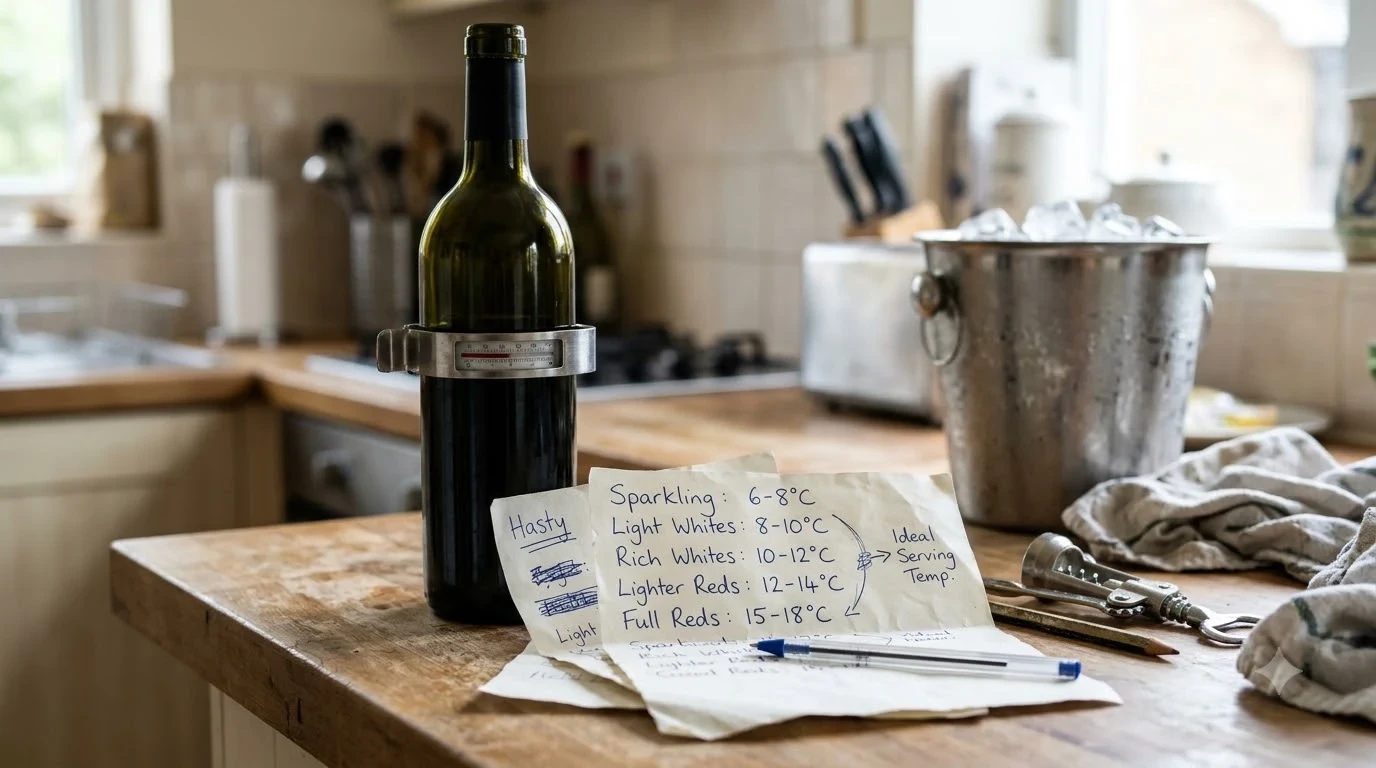
Light white wines and rosé generally show well around 45–50 F. Fuller-bodied whites are usually better around 50–55 F, while sweet whites can be served around 43–50 F.
Riesling is often enjoyable toward the cooler end of the white-wine range, particularly when served as an aperitif or alongside seafood. Gewurztraminer can benefit from slightly warmer service within the appropriate white-wine range so that its aromatic character remains expressive.
Very cold wine can appear muted, while overly warm white wine may seem less refreshing. Removing a bottle from the refrigerator shortly before serving is a simple way to adjust its temperature.
Use appropriate glassware and portions
A standard wine pour is approximately 5 oz. A 750 ml bottle therefore provides about five standard glasses. For a dinner with several courses, smaller pours can make it easier to compare different varieties without overwhelming the palate.
A medium-sized white-wine glass is suitable for Gentil, Riesling, and Pinot Gris. A glass with enough room for the wine to release its aromas is particularly helpful for Gewurztraminer, whose floral and spice-related characteristics are an important part of its appeal.
Preserve opened wine properly
Once opened, still wines generally remain enjoyable for approximately three to five days when resealed and refrigerated. The precise period depends on the wine, exposure to oxygen, storage temperature, and the condition of the remaining wine.
Use a suitable closure and return the bottle to the refrigerator after pouring, including bottles of white wine that were initially served chilled. Allow the wine to warm slightly in the glass when appropriate rather than leaving the entire bottle exposed to room temperature.
Gentil and Classic whites are generally practical wines to enjoy over several meals when stored correctly. For a more expensive bottle, planning the number of guests and the amount needed before opening can reduce unnecessary waste.
Protect bottles during shipping
Wine is sensitive to excessive heat, and delivery conditions deserve attention. Retailers may recommend expedited or temperature-conscious shipping when weather conditions are unfavorable. This is particularly relevant for buyers ordering from a distant state or purchasing multiple bottles at once.
After delivery, allow a bottle to settle before opening it, especially if it has traveled a long distance. Check that the packaging is intact and that there are no obvious signs of leakage or closure damage. These precautions are sensible for both affordable Gentil and more expensive premium selections.
Frequently Asked Questions
Is Hugel considered a dry wine producer?
Hugel produces several styles, so the answer depends on the individual bottle. Its 2024 Gentil technical specifications list just 0.9 grams per liter of residual sugar, illustrating a particularly dry expression. The producer also offers specialized late-harvest wines that serve a different purpose and can have a much richer sweetness profile.
Does Hugel Gentil qualify as an Edelzwicker wine?
K&L Wine Merchants identifies its 2024 bottle as Gentil Edelzwicker Alsace. Gentil is associated with a traditional Alsatian approach to blending noble grape varieties. The exact designation and composition should be considered in the context of the individual bottle and its appellation requirements.
How many grape varieties can appear in Hugel Gentil?
The producer’s description identifies six varieties: Gewurztraminer, Pinot Gris, Riesling, Muscat, Pinot Blanc, and Sylvaner. The proportions can vary between vintages. This means two Gentil releases do not necessarily have identical blend percentages or alcohol levels.
Can Hugel wine be kept for several years before opening?
Some wines are more suitable for extended cellaring than others. The potential depends on the specific variety, vintage, structure, and production style. A premium Riesling may have different aging potential from an approachable blended wine intended for relatively early enjoyment.
Is Hugel wine available in half bottles?
Some Hugel selections have been offered in 375 ml formats, particularly specialized and late-harvest wines. Availability depends on the individual wine and vintage. Buyers who want a smaller format should compare the bottle size carefully before ordering rather than assuming every listing refers to a standard 750 ml bottle.
Hugel wine offers several purchasing options, from approachable Gentil and Classic whites to more specialized Estate and Grossi Laüe selections. For most first-time buyers, Gentil or Classic Riesling provides a sensible starting point, while experienced Alsace enthusiasts can explore the premium range. Compare matching vintages, bottle sizes, and reputable US retailers to find the bottle that best fits the occasion and your budget.
More in Wine Brands
 Lussory Wine Price: Compare Bottles, Styles and Buying OptionsUpdated Nov 21, 2026
 Laurent Perrier Rose Review: Taste, Quality and Buying TipsUpdated Nov 21, 2026
 Louis Jadot Wine Review: How to Choose the Right Burgundy BottleUpdated Nov 21, 2026
 Llano Estacado Wine Price: Compare Bottles and Find Your Best FitUpdated Nov 21, 2026
 Luigi Bosca Wine Price: Compare Bottles and Find Your Best ValueUpdated Nov 21, 2026
 Kirkland Signature Prosecco Review: What Buyers Should KnowUpdated Nov 21, 2026