

We may earn a commission when you buy through links on this page, at no extra cost to you. Learn more.
The term hugel gentil wine refers to a dry white blend from Alsace, France, made by Famille Hugel with six regional grape varieties. It combines the floral, spicy character of Gewürztraminer and Muscat with the freshness of Riesling and the softer texture of Pinot Gris, Pinot Blanc, and Sylvaner. The exact proportions change by vintage, but the style is aromatic, food-friendly, and usually ready to pour without extended cellaring. It is a useful introduction to Alsace because one bottle gives a sense of several local grapes at once.
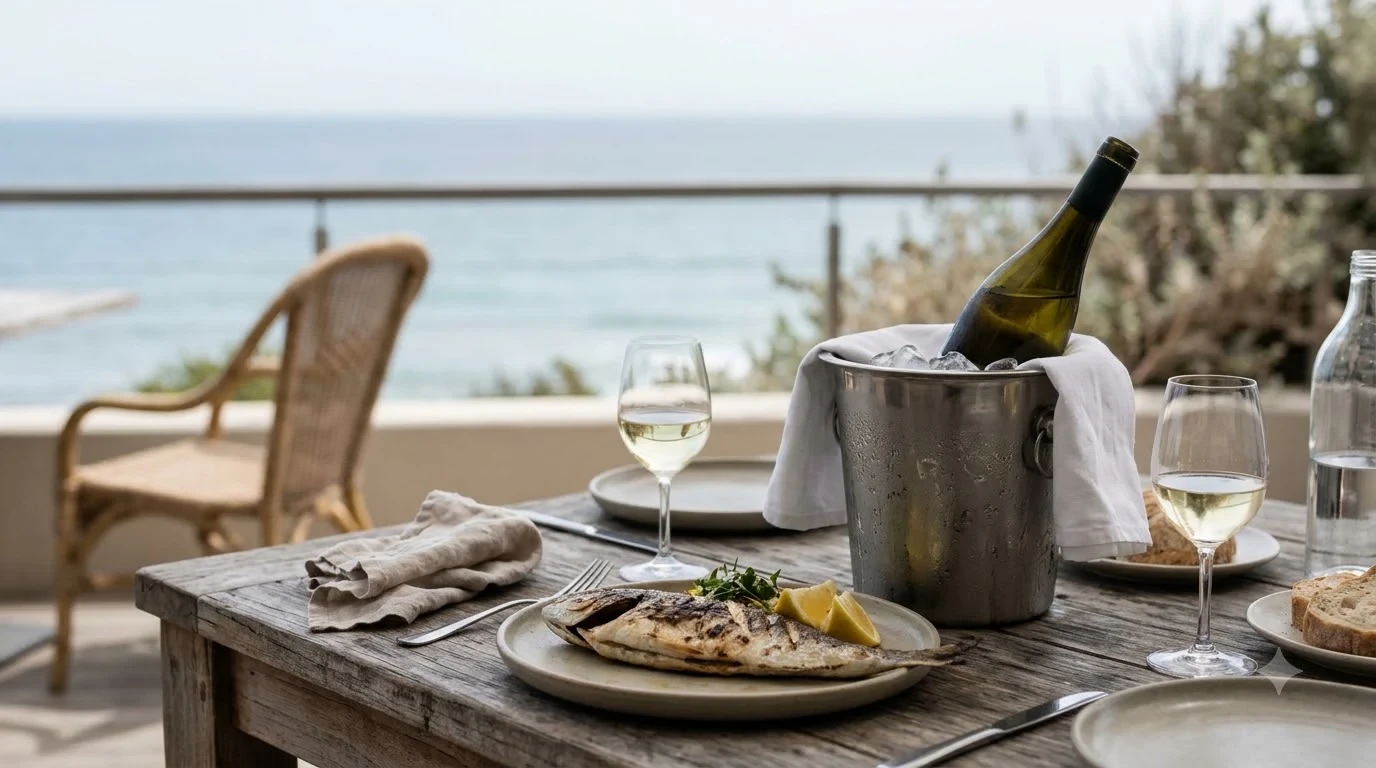
Hugel Gentil is best understood as a regional white blend rather than a single-grape wine. Its appeal comes from the way the grapes balance fragrance, body, and acidity, making it at home with an aperitif, seafood, poultry, and gently spiced dishes. Readers comparing this cuvée with the estate’s other bottlings can also consult our guide to Hugel white wine.
What Hugel Gentil Wine Is
Hugel Gentil is a white AOC Alsace wine produced by Famille Hugel, whose blend draws on varieties traditionally associated with the region. The 2024 bottling brings together six grapes, while the producer describes the cuvée as an accessible introduction to Alsace’s white-wine range.
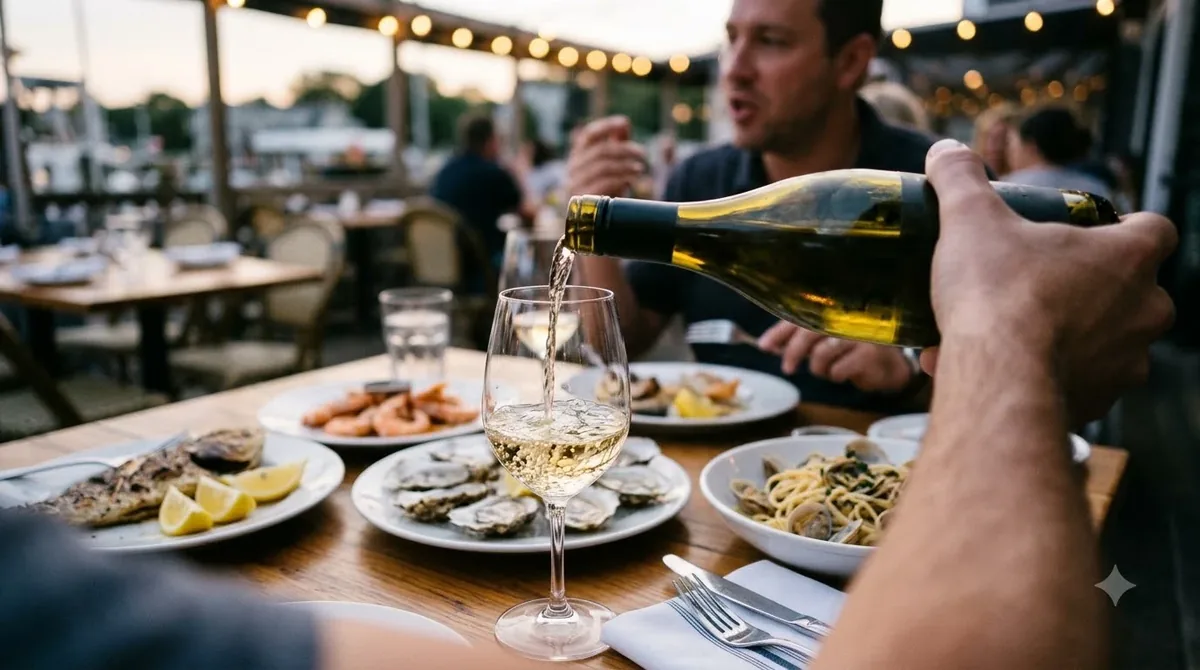
The name connects the wine to an older Alsace blending tradition. The regional wine organization explains that Gentil began in the 1920s as a blend of varieties grown in the same parcel, which might be harvested and vinified together. The modern use of the term has more specific quality conditions: a Gentil AOC Alsace blend must contain at least 50% of the designated noble varieties—Riesling, Muscat, Pinot Gris, and/or Gewürztraminer—with the balance drawn from Sylvaner, Chasselas, and/or Pinot Blanc. The Alsace wine organization’s Gentil overview explains that each variety is vinified separately before blending, and the vintage must appear on the label. These rules help distinguish Gentil from a generic white blend.
That distinction matters because Gentil is not simply a fanciful name for any mixture of grapes. It signals a recognizable Alsace category with a minimum proportion of key varieties and a vintage-specific identity. Hugel’s 2024 blend has 70% from the noble-grape group: 30% Riesling, 20% Gewürztraminer, 15% Pinot Gris, and 5% Muscat Blanc à Petits Grains. Sylvaner and Pinot Blanc make up the remaining 30%. The combination gives the wine a broader aromatic profile than a varietal Riesling while retaining enough freshness for the table. For a wider overview of producers and labels, our guide to Wine Brands explains how brand names fit into a wine’s identity.
Hugel Gentil is also distinct from Edelzwicker, another Alsace blended-wine term. According to the regional organization, Edelzwicker can use all Alsace white varieties without the same required proportions, and its grapes may be vinified together or separately. Gentil therefore offers a more defined blend style. When choosing a bottle, look for the producer name and vintage as well as the word Gentil; those details identify the particular expression rather than treating every Alsace blend as interchangeable.
The Six Grapes and Their Roles in the Blend
Hugel uses six grapes to build a white wine with several layers of aroma and texture. In the producer’s 2024 blend, Riesling is the largest component at 30%, while Gewürztraminer contributes 20%; Pinot Gris, Sylvaner, Pinot Blanc, and Muscat complete the recipe.
| Grape in the 2024 blend | Share | What it contributes |
|---|---|---|
| Riesling | 30% | Freshness, citrus lift, and structure |
| Gewürztraminer | 20% | Floral, spicy, aromatic character |
| Pinot Gris | 15% | Body and a rounded mid-palate |
| Sylvaner | 15% | Clean, refreshing balance |
| Pinot Blanc | 15% | Gentle fruit and a supple texture |
| Muscat Blanc à Petits Grains | 5% | Grapey, lifted aromatics |
Riesling provides the largest share, and that is important for the wine’s shape. Riesling is known for high acidity, so it can give a blended white a lively edge even when more aromatic or rounder grapes are present. Gewürztraminer adds perfume and spice, while Muscat supplies a fresh-grape quality that can make the nose feel expressive. These varieties are aromatic, but they do not automatically make the finished wine sweet. In the 2024 technical figures, the residual sugar is just 0.9 grams per liter, a dry reading.
Pinot Gris gives the blend some middle-palate weight, helping it feel more rounded than a lean, sharply focused white. Sylvaner and Pinot Blanc temper the more expressive aromatic components, adding a quieter fruit profile and a softer sense of balance. This is why the wine can feel both fragrant and straightforward: no single grape has to provide every element. The proportions are designed to make the components work together rather than to let one variety dominate.
Those proportions should be treated as vintage-specific, not as a permanent formula. Hugel’s 2024 release lists 30% Riesling and 20% Gewürztraminer, for example, while the 2022 blend was listed with 33% Gewürztraminer and 30% Sylvaner. A vintage can shift the leading grape and the balance of aromatic intensity, texture, and freshness. That variation is normal for a regional blend. It is also why a tasting note for one year may not describe every bottle carrying the same Gentil name.
Flavor, Aroma, Dryness, and Body
Hugel Gentil is aromatic, dry, and generally medium-light in feel, with ripe orchard and citrus notes balanced by a fresh finish. Famille Hugel’s 2024 description names yellow plum, rose, quince, and citrus zest, while the overall palate is described as supple and graceful.
The aroma usually leads with fruit and flowers rather than oak or heavy toast. Yellow plum and quince suggest ripe orchard fruit; citrus zest gives the nose a sharper, fresher line; rose points to the influence of Gewürztraminer and Muscat. Depending on the vintage and serving temperature, the wine may come across more floral and grapey or more citrus-driven and restrained. It is not necessary to identify every variety in the glass to understand the balance: the aromatic grapes supply the first impression, and the more neutral or structural varieties keep the wine from feeling one-dimensional.
On the palate, expect a rounded opening with enough acidity to keep the finish lively. Pinot Gris can contribute a sense of width, while Riesling helps maintain freshness. The 2024 technical sheet lists 5.42 grams per liter of tartaric acidity and a pH of 3.35, alongside 0.9 grams per liter of residual sugar. Those measurements support the producer’s description of a dry style. A dry wine can still smell fruity and seem generous; aroma is not the same thing as sugar. That difference is especially useful to remember with Alsace wines, where floral scents can be vivid even in a dry bottling.
Body is best described as light to medium rather than thin or weighty. It has more shape than a very crisp, neutral white, but it does not have the richness of a full-bodied, oak-aged Chardonnay. A cooler serving temperature tends to emphasize the citrus and fresh-herb side, while a few minutes in the glass can make the floral notes more apparent. At warmer room temperature, the wine may seem broader and less sharply defined, so it is better to begin with a proper chill and let it warm gradually than to serve it too warm from the start. The main impression should remain balanced: aromatic fruit up front, a supple middle, and a clean finish rather than heavy sweetness or strong oak flavors.
Alsace Vineyards and Hugel’s Winemaking
Hugel sources Gentil from hand-harvested grapes in predominantly clay-and-limestone vineyards across about a dozen favored localities in and around Riquewihr. The producer then handles the varieties separately through fermentation before assembling the blend, a method that preserves the identity of each grape.
Riquewihr sits within the Alsace wine-growing area, where vineyard sites can vary in soil and exposure over relatively short distances. Hugel describes the Gentil fruit as coming from a dozen localities rather than a single named vineyard, so the wine is better thought of as a regional cuvée. The producer identifies clay and limestone as the predominant soils for these parcels. Hand harvesting is part of the stated approach, and small tubs carry the grapes to the presses. The presses are filled by gravity, without pumping or other mechanical intervention, according to the estate’s description.
After pressing, the must rests and settles for a few hours before fermentation in temperature-controlled vats. For the 2024 release, Hugel gives a fermentation range of 18 to 24°C, or about 64 to 75°F, in its published Gentil profile. The wine is racked once before natural clarification through the winter. The following spring, it is lightly filtered before bottling, and the bottles then remain in the producer’s cellars until release. This sequence helps explain why Gentil is not presented as an oak-driven wine: the process described by the estate focuses on controlled vat fermentation, settling, clarification, and careful handling rather than an announced barrel-aging program.
The 2024 technical details also provide a useful sense of the vineyard conditions behind the bottle. Hugel lists an average vine age of 31 years and a yield of 58 hectoliters per hectare for that release. Those figures are specific to the 2024 specification and should not be treated as fixed values for every vintage. Alcohol is listed at 12.35% by volume, a moderate level for an aromatic white, though the exact figure can change by year. The wine’s fresh profile comes from the combination of grape selection, site, and cellar decisions, not from one ingredient alone.
Food Pairings, Serving Temperature, and Storage
Hugel Gentil works best with foods that suit a dry, aromatic white: shellfish, white fish, sushi, poultry, pork, and mildly spiced dishes are strong starting points. Serve it chilled but not icy, around 45–50°F, so the floral aromas remain clear and the acidity stays refreshing.
For seafood, try oysters, shrimp, scallops, or simply grilled white fish with lemon and herbs. The wine’s acidity can meet the brightness of citrus, while its rounded texture can handle a little butter or cream in the sauce. Sushi and sashimi are also natural partners, particularly with white fish, cooked shrimp, or vegetable rolls. Avoid pairing it with heavily smoked or very oily fish if the dish overwhelms the wine’s delicate fruit. For a richer seafood plate, a light cream sauce is a better match than a thick, intensely seasoned glaze.
For poultry and pork, roast chicken, turkey, pork tenderloin, and veal offer enough savory depth without overpowering the wine. Herbs such as parsley, thyme, and tarragon work well, as do gentle pan sauces and sautéed mushrooms. Gewürztraminer and Muscat bring aromatic lift that can echo ginger, coriander, or mild curry spices. Hugel itself suggests lightly spiced East Asian, Indian, Moroccan, and Mexican dishes, along with white meats such as veal, pork, and poultry. Keep chili heat moderate: alcohol and tannin can make hot peppers feel more intense, and although this is a white wine with little tannin, its alcohol still argues for restraint with very fiery sauces. At the start of a meal, serve it with salted almonds, mild cheeses, or vegetable tartlets. Avoid sugary desserts: a dry white should not be served with a dish sweeter than the wine.
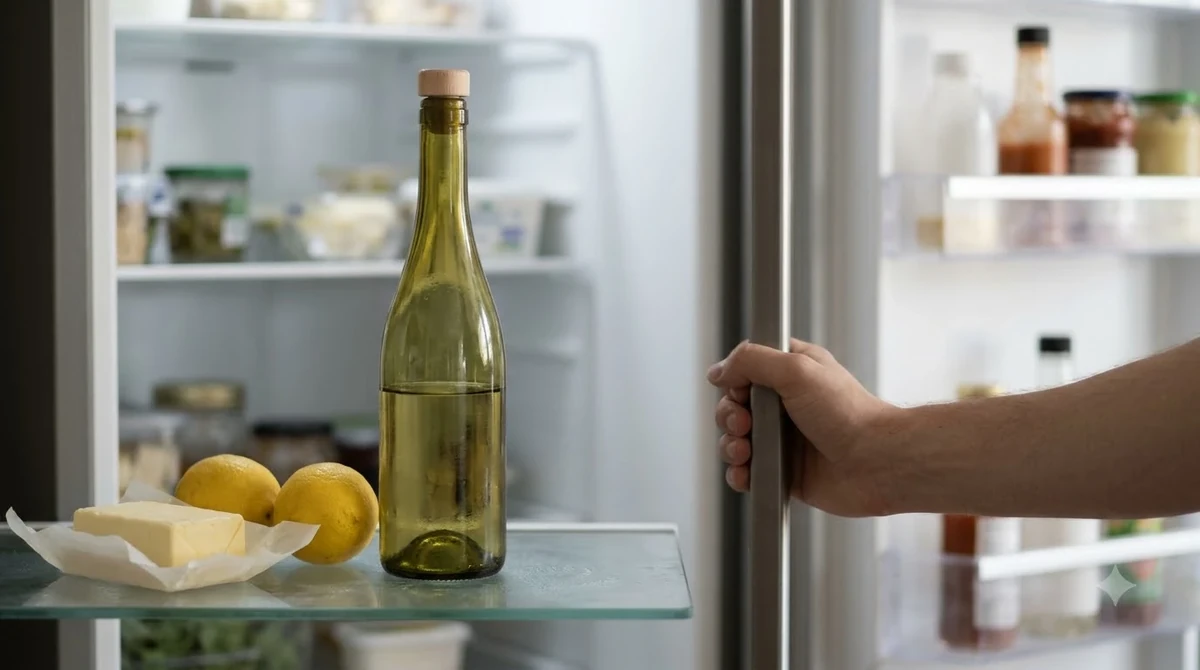
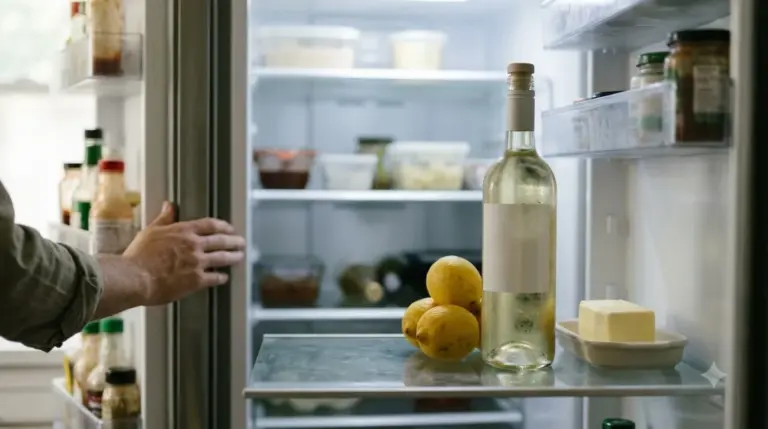
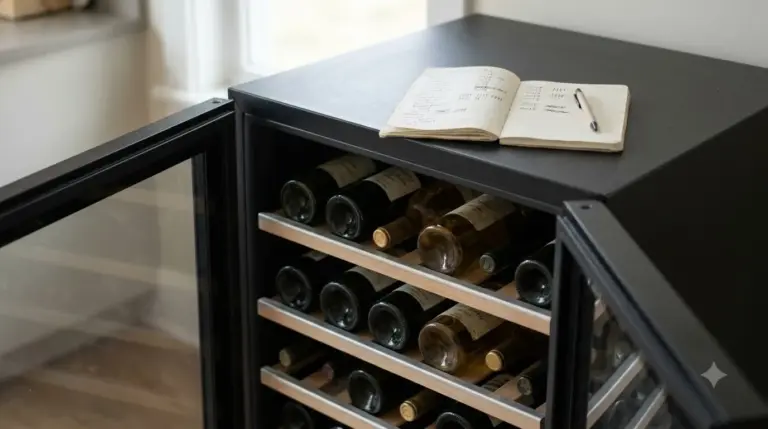
Bring the bottle to about 45–50°F before serving; if it has been stored colder, allow a few minutes in the glass for its aroma to open. After opening, keep the bottle sealed in the refrigerator and aim to finish it within 3–5 days for the freshest character. For unopened bottles, store them away from sunlight and heat, ideally near 55°F; if the closure and bottle are suited to it, laying the bottle on its side helps keep the cork from drying. This is a wine most often enjoyed young for its lively fruit, so there is little reason to save an everyday bottle for many years.
Tip: Take the bottle out of the refrigerator briefly before pouring if it is very cold. At about 45–50°F, Hugel Gentil stays crisp while its rose, citrus, and yellow-plum aromas are easier to notice.
Frequently Asked Questions
These quick answers cover a few practical details that are easy to miss when comparing Alsace blends. Vintage figures and the printed label can help identify the exact bottling.
Does Hugel Gentil have the same alcohol and sugar every year?
No. Hugel’s 2022 technical sheet lists 13.7% alcohol and 3.7 grams per liter of residual sugar, while the 2024 sheet lists 12.35% alcohol and 0.9 grams per liter. Those differences show why the vintage matters when comparing bottles.
Does Hugel Gentil use a screw cap?
The producer states that the wine’s production is closed with a DIAM cork. DIAM is a technical cork closure, so it is not the same as a metal screw cap. The closure detail is useful when you are identifying the bottle or planning how to reseal it after opening.
Can Hugel Gentil be served without decanting?
Yes. It is normally ready to pour after chilling, and there is no need for a long decant as there might be with a young, tannic red. A few minutes in the glass can help the floral and citrus aromas become more apparent, especially if the wine was poured very cold.
What does AOC Alsace mean on the label?
AOC stands for Appellation d’Origine Contrôlée, the French protected-origin designation system. On this bottle, AOC Alsace identifies the wine’s regional appellation, while Gentil indicates the blend category. The words describe different parts of the wine’s identity rather than two competing names.
How many servings are in one bottle?
A standard 750 ml bottle contains about five servings when each pour is 5 ounces. Smaller tasting pours of 2 to 3 ounces will stretch the bottle across more guests, which is useful when serving several wines with dinner.
Hugel Gentil is a versatile way to explore Alsace’s aromatic white grapes in one dry, balanced blend. Choose it for seafood, poultry, aperitif snacks, or dishes with gentle spice, and serve it cool enough to stay fresh without muting its fragrance. Because the proportions change by vintage, each release offers its own take on the classic Gentil style.
More in Wine Brands
 Planeta Wine Price: Compare Sicilian Bottles and Find Your FitUpdated Nov 21, 2026
 Pacific Rim Riesling Price: How to Spot a Fair Bottle RangeUpdated Nov 21, 2026
 Pierre Zero Wine Review: Find Your Best Alcohol-Free StyleUpdated Nov 21, 2026
 Ponzi Wine Review: How to Choose the Right Oregon BottleUpdated Nov 21, 2026
 Pio Cesare Wine Price: Compare Bottles and Find the Right WineUpdated Nov 21, 2026
 Pierre Zero Wine Price: Compare Bottles and Find Your FitUpdated Nov 21, 2026