

We may earn a commission when you buy through links on this page, at no extra cost to you. Learn more.
The pierre zero wine price in the United States generally ranges from about $17 to $30 for many standard and sparkling 750 ml bottles, while premium Signature expressions can cost more. Pierre Zéro is Maison Chavin’s French non-alcoholic wine collection, available in white, rosé, red and sparkling styles. The main factors affecting the cost are the product range, grape variety, production style, bottle size and retailer. Comparing these details makes it easier to choose a bottle that suits your budget and the occasion.
Shopping for Pierre Zéro can be slightly confusing because the name covers several different products rather than one individual wine. A straightforward Chardonnay, a sparkling rosé, a richer Prestige white and a Signature sparkling cuvée occupy different positions in the collection. Their retail prices reflect those differences. This guide examines typical US pricing, explains the three main ranges, and provides practical advice for selecting a bottle without paying extra for features you do not need.
Who Should Consider Pierre Zéro Wine?
For shoppers interested in French non-alcoholic wine, Pierre Zéro offers several familiar wine styles without requiring a commitment to a single grape or color. Its selection includes Chardonnay, Merlot, rosé, sparkling white and sparkling rosé, making it useful for different meals and social occasions.
The collection is produced by Maison Chavin, a French wine house that identifies Pierre Zéro as its original non-alcoholic brand. The producer describes the range as having more than ten years of history and organizes its main expressions into Classique, Prestige and Signature. Each tier provides a different approach to fruit character, presentation and wine-inspired complexity. The official Pierre Zéro collection overview provides descriptions of its individual expressions and packaging options.
These bottles are particularly relevant to shoppers who want a wine-style drink for a celebration, dinner party, lunch or everyday meal. A still Chardonnay can provide a familiar white-wine alternative, while sparkling Chardonnay or rosé gives a more festive presentation. Red Merlot offers another option for people who prefer darker fruit flavors.
The range is also worth considering for hosts who want to provide an alternative to conventional alcoholic wine. Having both a still white and a sparkling rosé available can make a drinks selection more inclusive without requiring everyone to drink the same style.
However, expectations matter. Dealcoholized wine is not identical to conventional wine. Removing alcohol changes body, texture, aroma and the way flavors develop. Shoppers looking for the full structure of an alcoholic Cabernet Sauvignon or the richness of mature Burgundy may find the differences noticeable.
People who require a strict 0.0% product should also distinguish between an explicitly stated zero-alcohol product and a beverage described only as non-alcoholic. Individual product specifications and applicable labeling standards matter. Pierre Zéro’s collection includes products with different descriptions, so the precise bottle is more important than the brand name alone.
For a broader introduction to the producer’s offerings, the Pierre Zéro wine collection provides useful context before comparing individual bottles.
Key Factors That Determine Pierre Zéro Pricing
The biggest pricing differences come from the distinction between still and sparkling wines, the collection tier and the size of the bottle. A 750 ml standard Chardonnay is a different purchase from a Signature sparkling cuvée, even though both carry the Pierre Zéro name.
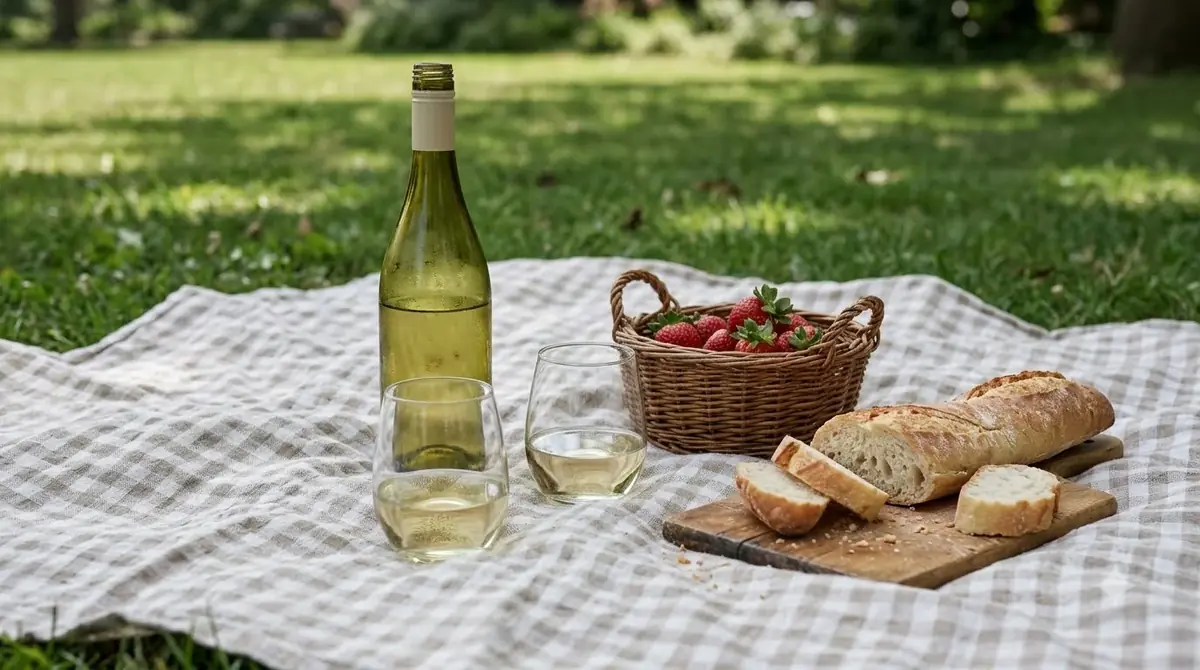
US retail examples illustrate the range. BeClink lists a 750 ml Pierre Zéro Chardonnay at about $25, while Tower Beer, Wine & Spirits lists the Signature Sparkling Chardonnay at about $17. La Vinothèque lists a standard Pierre Zéro Sparkling Chardonnay at about $30. These examples are retailer-specific rather than fixed nationwide prices. Prices vary by state and retailer, and shipping or local taxes may increase the final purchase cost. The BeClink Chardonnay listing is one example of a US retail reference for the standard bottle.
For the premium still Chardonnay category, BeClink lists Signature White Chardonnay at approximately $36 to $40 for a 750 ml bottle, depending on the displayed regular or current listing price. This higher positioning illustrates why comparing only the brand name can give an incomplete picture of value.
The following table provides a practical comparison of the principal buying considerations.
| Factor | Typical comparison | Why it matters |
|---|---|---|
| Standard still wine | 750 ml | Useful starting point for everyday drinking and meals. |
| Standard sparkling wine | 750 ml | Includes carbonation and a more celebratory serving style. |
| Small bottle | 200 ml | Provides an individual serving rather than a full shared bottle. |
| Bag-in-box | 3 liters | Provides four times the volume of a standard 750 ml bottle. |
| Classique | Entry collection tier | Suitable for straightforward fruit-forward styles. |
| Prestige | Premium collection tier | Offers richer flavor descriptions and a more developed profile. |
| Signature | Premium collection tier | Includes more distinctive wine-inspired expressions. |
These are product and packaging comparisons rather than guaranteed US price brackets. The producer’s European storefront provides another reference point: it lists standard 750 ml still Chardonnay, Merlot and rosé at €7.90, with sparkling Chardonnay and sparkling rosé at €10.50. Those European prices should not be converted directly into expected American checkout prices because distribution, import costs and retail margins differ.
One particularly important distinction is the difference between the standard collection and Signature. A higher price does not automatically mean that a wine will taste better to every buyer. Someone who enjoys straightforward peach and tropical-fruit flavors may prefer standard Chardonnay over a more expensive mineral-style sparkling expression.
For this reason, price should be considered alongside taste preferences, serving occasion and package size. A smaller bottle can be a more sensible purchase than a premium full-size bottle if the buyer is unfamiliar with the range.
Step-by-Step: How to Choose the Right Bottle
The simplest way to shop for Pierre Zéro is to start with the occasion, choose a wine style, compare the collection tier and then evaluate the bottle format. Following these steps helps prevent unnecessary spending on a style that does not match your preferences.
-
Decide when you plan to serve it.
For a casual lunch, a still Chardonnay or rosé is a sensible starting point. For a birthday dinner, reception or toast, sparkling Chardonnay and sparkling rosé offer a more festive presentation. A red Merlot is more suitable when the meal calls for a darker fruit profile.
-
Choose the color and grape style.
Chardonnay is generally the most approachable choice for people who enjoy fruit-forward white wines. Merlot is a useful option for shoppers who prefer red-fruit aromas. Rosé sits between the two in terms of visual presentation and food-pairing flexibility.
-
Decide whether you want bubbles.
Still wines are appropriate for ordinary meals and relaxed drinking. Sparkling wines work well as aperitifs and celebratory drinks. Remember that carbonation is an important part of the experience, so sparkling wine should be purchased for a reason rather than simply because it looks more premium.
-
Compare Classique, Prestige and Signature.
Begin with Classique if the goal is to understand the brand’s basic style. Consider Prestige for richer expressions such as Chardonnay with apricot and vanilla notes. Choose Signature when its more distinctive mineral, brioche or dark-fruit descriptions appeal to you.
-
Compare bottle sizes.
A 200 ml bottle makes sense for individual consumption or a first trial. A 750 ml bottle is better for sharing, while a 3-liter bag-in-box format can suit larger gatherings or regular household use. The 3-liter package contains the equivalent of four standard bottles by volume.
-
Check the actual US retail cost.
Compare the same product name and package size across retailers. A standard Chardonnay should not be compared directly with a Signature sparkling Chardonnay. Also account for delivery charges, applicable taxes and any minimum-order requirements.
-
Make the final selection based on flavor.
Think about whether you prefer citrus, peach, red berries, vanilla or more mineral characteristics. A bottle that matches your preferred flavor profile is generally a better purchase than one selected solely because it occupies a higher collection tier.
Tip: If Pierre Zéro is new to you, start with one 750 ml Classique bottle rather than ordering a full case. A standard Chardonnay or rosé gives you a useful introduction before committing to more expensive Signature selections.
It is also helpful to compare Pierre Zéro with other French wine brands before making a larger purchase. For example, shoppers interested in conventional French wine can explore Pierre Sparr wine, while people specifically seeking alcohol-free alternatives may also want to compare Leitz Eins Zwei Zero wine.
Pierre Zéro Styles and Collection Tiers Explained
Understanding the three collection tiers is essential because they represent different purchasing options within the same brand. Classique focuses on recognizable wine styles, Prestige introduces richer expressions, and Signature emphasizes distinctive aromatic profiles and more premium presentation.
Classique: The Accessible Starting Point
Classique is the logical place to begin for shoppers who want familiar flavors without immediately moving into the premium selections. The standard range includes Chardonnay, Merlot, rosé and sparkling expressions.
The still Chardonnay is described by Maison Chavin as golden yellow, with tropical fruit, peach, lychee and floral aromas. Its fruit-forward profile makes it an approachable option for people who enjoy softer white-wine styles. The freshness also makes it suitable for light meals and informal gatherings.
Classique Merlot offers red-fruit aromas with freshness and a youthful character. It is a reasonable alternative for shoppers who prefer a red-colored drink rather than a white or rosé. Its expected flavor profile should be considered separately from conventional Merlot because dealcoholization can change the body and structure of a wine.
Standard rosé offers fresh red-fruit aromas, with a supple and lively palate. It is useful for outdoor lunches, light appetizers and casual entertaining. Sparkling Chardonnay and sparkling rosé add bubbles for more festive occasions.
Prestige: Richer Aromatic Expressions
Prestige provides options for buyers who want a more pronounced flavor profile. Its Chardonnay White is described with apricot, vanilla and honey, alongside a richer and sweeter character than the standard white.
That sweetness makes the Prestige Chardonnay worth considering for people who prefer a rounder drink rather than a particularly crisp, neutral style. It can also work with fruit-based desserts and mildly sweet dishes, provided the wine is at least as sweet as the food.
Prestige Merlot Red takes another approach. Maison Chavin describes red-fruit, spice and vanilla flavors with a structured palate. This combination gives the product a different aromatic direction from the fresher standard Merlot.
Prestige is worth considering when those richer flavor characteristics are important. However, buyers should avoid assuming that a premium tier necessarily means greater similarity to a conventional alcoholic wine. The taste experience remains dependent on the dealcoholization process and the underlying wine.
Signature: More Distinctive Wine-Inspired Profiles
Signature is the collection’s more premium expression. Its products include sparkling white, sparkling rosé, still white and red options, with more detailed aromatic descriptions.
Signature Sparkling Chardonnay White is described with citrus, apple, mineral and brioche notes. These characteristics make it a natural candidate for people who enjoy the aromatic side of sparkling white wines. It is particularly suitable for celebrations, appetizers and lighter dishes.
Signature Sparkling Rosé offers a delicate fruity profile with fine bubbles and a pale pink appearance. It is an attractive option for social occasions where presentation is important.
Signature Grenache Red has a more pronounced dark-fruit description, including blackcurrant and black cherry, accompanied by sweet spice and chocolate notes. This gives it a different direction from the standard Merlot and makes it interesting for shoppers seeking a more distinctive red expression.
The main lesson is to choose the tier according to taste rather than prestige alone. A Classique Chardonnay can be the more satisfying choice for someone who prefers bright fruit, while Signature may be better for a buyer who values mineral, brioche or complex dark-fruit characteristics.
Common Mistakes When Comparing Prices
The most frequent shopping mistake is treating every Pierre Zéro bottle as an interchangeable product. Still Chardonnay, sparkling rosé and Signature Grenache are different beverages with different flavor profiles, production characteristics and retail positioning.
Comparing Different Collection Tiers
A Classique Chardonnay should be compared with another standard Chardonnay, not automatically with a Signature cuvée. The same principle applies to red and sparkling wines. Looking only at the Pierre Zéro label can make an ordinary price difference appear confusing.
Ignoring the Bottle Size
Package size makes a major difference when evaluating value. A 200 ml bottle is intended for a different type of purchase from a 750 ml bottle. Similarly, a 3-liter bag-in-box package offers four times the liquid volume of a standard bottle.
Consider the amount you will realistically consume before choosing a larger format. A lower cost per milliliter does not provide good value if most of the beverage remains unused.
Assuming All Alcohol-Free Products Are Identical
Non-alcoholic drinks can be made using different production methods. Dealcoholized wine begins with fermented wine from which alcohol is subsequently removed, while other alcohol-free beverages may be made without conventional fermentation.
Maison Chavin identifies a Spinning Cone dealcoholization stage for several Pierre Zéro expressions. This matters because the original wine contributes to the aromatic foundation, although removing alcohol can change the resulting body and texture.
Buying According to Appearance Alone
Packaging can make Signature or sparkling products look especially appealing, but presentation should not replace flavor preferences. A buyer who prefers still white wine may have little reason to pay extra for sparkling Chardonnay.
Likewise, someone who prefers red-fruit flavors may find standard Merlot more suitable than a premium white expression. Think about the drinking occasion before choosing a more expensive package.
Overlooking Retailer Differences
US retail prices are not uniform. Distribution arrangements, import costs, regional availability and store pricing policies can all affect the final amount. A product listed by a retailer in one state may not be available under identical terms elsewhere.
Check whether the listing is for a single bottle, a multipack or a special-order item. Also consider shipping charges before deciding that one retailer offers better value.
Serving, Care and Storage Tips
Proper serving temperature and storage can make Pierre Zéro more enjoyable, particularly for sparkling Chardonnay and rosé. The producer recommends serving several of its sparkling white and rosé expressions at approximately 43–46°F, while still red expressions are recommended at approximately 57–61°F.
Serving White and Sparkling Wines
For Pierre Zéro sparkling Chardonnay, the producer recommends 6–8°C, equivalent to approximately 43–46°F. This temperature keeps the drink refreshing and helps preserve its sparkling character. Sparkling rosé can also be served chilled within a similar range.
Still Chardonnay and rosé are best served cool rather than warm. A temperature around 45–50°F provides a useful starting point for light whites and rosés. If the bottle is very cold, allowing it to warm slightly in the glass can make its fruit aromas more noticeable.
Serving Red Expressions
Maison Chavin recommends approximately 14–16°C, or 57–61°F, for standard Merlot Red and Prestige Merlot Red. This is cooler than the room temperature often associated with conventional full-bodied red wine.
A brief period in the refrigerator can help bring a red bottle closer to the recommended temperature, especially in a warm kitchen. Avoid serving it excessively cold because that can make the fruit aromas less expressive.
Storage Before Opening
Keep unopened bottles in a cool, dark place away from direct sunlight, strong temperature changes and excessive heat. A stable storage environment is more important than displaying the bottle in a warm kitchen or near a window.
The producer gives several Pierre Zéro expressions a cellaring potential of three years. This is a stated product guideline rather than a reason to age every bottle for that length of time. For everyday drinking, buying a quantity that can be consumed within a reasonable period is generally more practical.
Storage After Opening
After opening a still bottle, reseal it and refrigerate it. A practical general guideline for still wines is approximately three to five days, although the actual quality depends on the product, exposure to oxygen and storage conditions.
For sparkling bottles, use a proper sparkling-wine stopper and refrigerate promptly. The general guideline for opened sparkling wine is approximately one to three days, although carbonation can decline before the beverage becomes unsuitable for drinking.
For a 3-liter bag-in-box product, follow the packaging instructions for storage and use. Its larger capacity is convenient for gatherings, but it should not be treated as identical to an opened glass bottle.
Good storage habits protect flavor and freshness. Buying the right amount, keeping the bottle cool and sealing it properly are more useful than spending extra on a premium label and then storing it poorly.
Frequently Asked Questions
Is Pierre Zéro made in France?
Yes. Pierre Zéro is a French collection associated with Maison Chavin. Its producer describes the range as part of its French wine-making and dealcoholization work, with the collection developed for international markets.
Does Pierre Zéro contain sulfites?
The answer depends on the specific expression and its labeling. The Signature Grenache description identifies that particular product as free from added sulfites, but this statement should not automatically be applied to every Pierre Zéro bottle. Check the individual product information when this ingredient detail is important.
Can Pierre Zéro be used in wine cocktails?
Yes. Still Chardonnay, rosé and sparkling expressions can be used as ingredients in non-alcoholic mixed drinks. For example, sparkling Chardonnay can provide bubbles in a fruit-based aperitif, while rosé can be combined with citrus and fresh berries. The finished drink will have a different flavor and texture from a cocktail made with conventional wine.
Does Pierre Zéro offer organic options?
Maison Chavin’s broader alcohol-free portfolio includes organic products, and the brand’s wider collection includes several different product lines. However, organic certification should be verified for the individual bottle rather than assumed across the entire Pierre Zéro range.
What does the Spinning Cone process do?
Spinning Cone technology is a separation method used in beverage processing to remove volatile components in stages, including alcohol. The components can be handled separately and some aromatic elements can be retained or returned during processing. This helps producers create dealcoholized wine while working to preserve more of the original wine’s aromatic character.
Overall, Pierre Zéro offers several useful options for shoppers seeking French wine-style drinks without conventional alcohol. Standard Chardonnay and Merlot provide accessible starting points, while Prestige and Signature offer more distinctive flavor profiles and premium alternatives. Compare the exact bottle, package size and US retailer before purchasing, and choose the expression that best matches your preferred taste and occasion.
More in Wine Brands
 Yellow Tail Big Bold Red Price and What Buyers GetUpdated Nov 21, 2026
 Winc Wine Price: Compare Bottle Costs and Membership PlansUpdated Nov 21, 2026
 Wolf Blass Wine Price: Compare Labels and Find the Right BottleUpdated Nov 21, 2026
 Winc Wine Review: Is Its Personalized Wine Subscription Worth Trying?Updated Nov 21, 2026
 Weinbach Wine Price: Compare Alsace Wines and Find the Right BottleUpdated Nov 21, 2026
 Trimbach Wine Price: Compare Styles and Bottle CostsUpdated Nov 21, 2026