

We may earn a commission when you buy through links on this page, at no extra cost to you. Learn more.
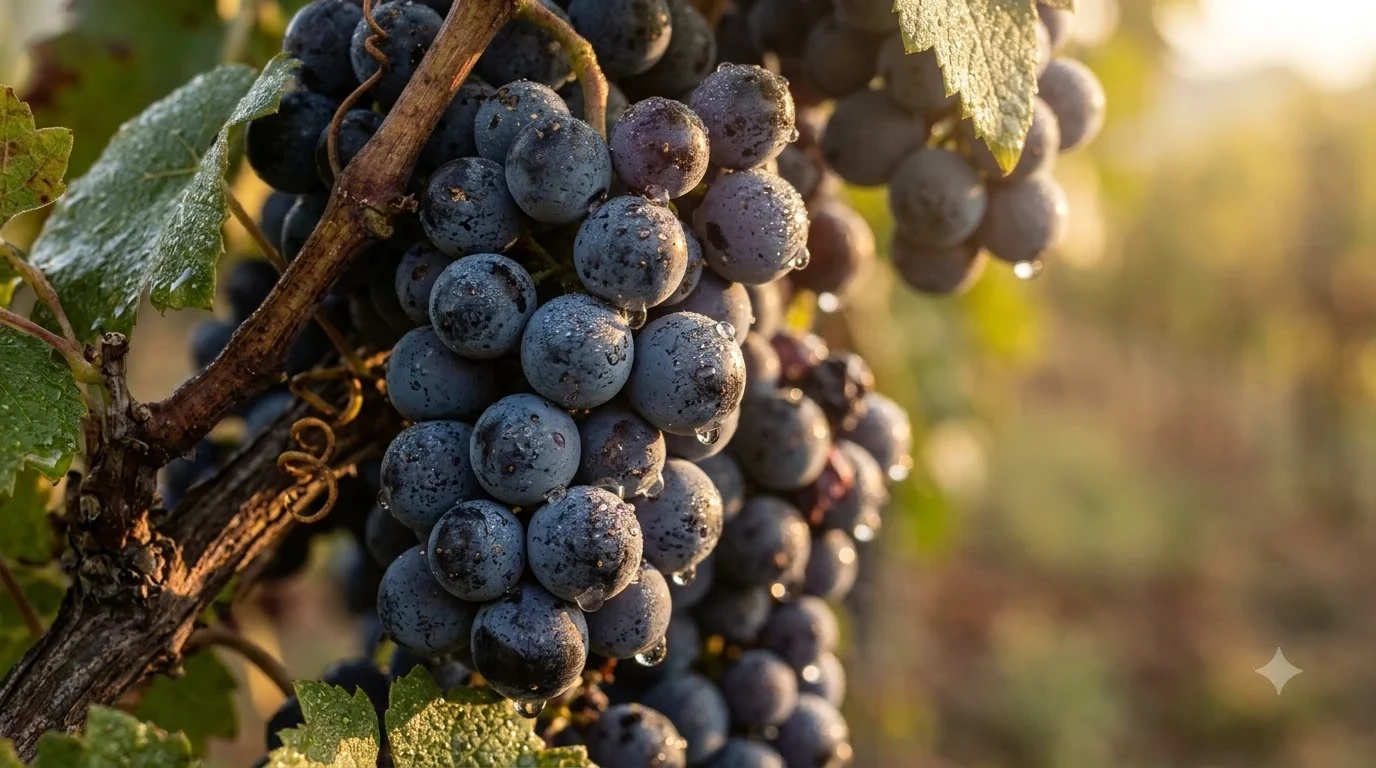
Pierre Sparr wine comes from a family-run estate in Alsace, France, with roots that date back to 1680, and the house is best known for aromatic white wines and Crémant d’Alsace. Its range draws on classic Alsace grapes such as Riesling, Gewürztraminer, Pinot Gris and Pinot Blanc, with a touch of Pinot Noir. This guide explains the main styles, the kinds of bottles to look for, and how to pair and store them.
If you are new to Alsace, the region can feel complicated, with German-influenced grape names and unfamiliar terms on the label. This page breaks down what the Pierre Sparr range offers, so you can choose a bottle with confidence.
Who Is Pierre Sparr?
Pierre Sparr is a historic winery based in the villages of Sigolsheim and Beblenheim in the Haut-Rhin part of Alsace. The estate is also known as Maison Pierre Sparr Successeurs. According to the producer’s own history pages, the family has been making wine in the region for more than three centuries, which gives the brand a long track record for a wine shopper to lean on.
The house is known for classic Alsace white wines and for Crémant d’Alsace, the region’s sparkling wine. Reviewers at Firstleaf’s Pierre Sparr guide describe the winery as a pioneer in Alsace for bottling wine on the estate, a practice that helps producers control quality from vineyard to bottle. Head winemaker Alexandre Boudrot leads the team today, combining long-standing expertise with modern winemaking methods.
Pierre Sparr Wine Styles and Grape Varieties
The Pierre Sparr portfolio follows the Alsace habit of naming wines after their grape. Most of the range is white, with Riesling, Gewürztraminer, Pinot Gris and Pinot Blanc at the core. A small amount of Pinot Noir adds a pale, light red option, and the estate also makes traditional-method sparkling wines in white and rosé.
Alsace whites are usually aromatic and varietally pure, meaning the grape character comes through without much oak influence. Riesling tends to show crisp acidity and citrus notes. Gewürztraminer is more floral and spicy, while Pinot Gris often feels richer and rounder in the mouth. Pinot Blanc is generally lighter and more everyday in style.
| Style or grape | Typical character | Easy first pick if you like |
|---|---|---|
| Riesling | Dry, crisp, citrus and mineral notes | Bright, refreshing whites |
| Gewürztraminer | Aromatic, floral, spicy | Perfume-forward wines with spice |
| Pinot Gris | Fuller body, rounder texture | Richer whites for a meal |
| Pinot Blanc | Lighter, softer, approachable | Easy-drinking, everyday wine |
| Crémant d’Alsace | Traditional-method sparkling wine | Celebrations and aperitif moments |
Sweetness is worth checking before you buy. Alsace wines were traditionally dry, but some producers now leave a little residual sugar, especially in Gewürztraminer and Pinot Gris. Pierre Sparr labels include a sweetness scale to help you judge the flavor profile, so read that scale before you assume a bottle will be dry.
Popular Pierre Sparr Bottles to Try
Rather than rely on a single favorite, it helps to think about the tiers in the range. The estate offers everyday Réserve selections alongside single-vineyard Grand Cru releases. Each tier serves a different purpose, and the right choice depends on the occasion and your budget.
Réserve bottlings are designed as approachable, food-friendly wines for regular dinners. They suit shoppers who want a reliable Alsace white without much effort. Grand Cru wines come from named, classified vineyards and show more sense of place. They are a good choice when you want to taste how a specific site shapes the wine.
Crémant d’Alsace is the sparkling option in the lineup. It is made in the traditional method, and it comes in white and rosé. If you are browsing for a gathering, a sparkling bottle is often more useful than a still wine. Check the back label for the grape list and the sweetness scale before you commit.
Tip: Tiers and bottlings change over time. Check the current label and the producer’s website for the exact lineup you see on the shelf.
Where Pierre Sparr Fits in the Alsace Wine Region
Alsace is a narrow strip of vineyards on the eastern slopes of the Vosges mountains, with the Rhine river to the east. According to the Wikipedia entry on Alsace wine, the region is known for producing mostly varietal white wines, and it is the only French appellation that does so on this scale. That makes Alsace feel closer to Germany in style than to much of the rest of France.
Within that setting, Pierre Sparr sits among the established family estates that define the region. The winery has been part of Alsace’s shift toward higher quality since the region gained its appellation status. Its focus on pure grape character and clear sense of place matches the wider Alsace identity, while its Crémant and Grand Cru bottles reflect the region’s range of styles.
For a broader view of how producers in this category compare, the Wine Brands guide explains how to think about a label’s origin, style and reputation. Understanding the region helps you read Alsace labels more accurately, especially the difference between regional, Grand Cru and sparkling bottlings.
Food Pairings for Pierre Sparr Wines
Pairing is where Alsace whites shine. Firstleaf notes that Pierre Sparr wines are aromatic and balanced, which makes them versatile at the table. As a rule, match the weight of the wine to the weight of the dish, and let the aromatic grape guide your choice.
- Riesling pairs well with seafood, fresh salads and lightly spiced Asian dishes.
- Gewürztraminer suits spicy foods, aromatic curries and soft cheeses.
- Pinot Gris works with roast poultry, creamy pasta and richer fish dishes.
- Pinot Blanc fits casual meals such as grilled chicken, salads and light appetizers.
- Crémant d’Alsace suits appetizers, fried snacks and celebratory brunches.
When in doubt, choose a Pierre Sparr white with a fresh, acidic edge for food with fat or salt. Serve whites cool rather than ice cold, so the aromas stay visible. Always drink responsibly, and pace glasses with the meal.
How to Buy and Store Pierre Sparr Wine
Start by deciding what you want from the bottle. Choose a Riesling or Pinot Blanc for an everyday dinner, a Gewürztraminer or Pinot Gris for something more aromatic, and a Crémant when you want bubbles. Reading the grape name and sweetness scale on the label will narrow the choice quickly.
- Identify the grape variety on the front or back label.
- Check the sweetness scale if the producer includes one.
- Decide whether you want an everyday Réserve or a site-specific Grand Cru.
- Store the bottle lying down or upright in a cool, dark place away from heat and strong light.
- Open whites within a few days once opened, and reseal them tightly in the refrigerator.
For a quick comparison with another easy-drinking white, the avaline white wine page covers a different style of everyday bottle. Check the label, the producer’s site and your local retailer for current availability, since listings change over time.
Frequently Asked Questions
Who makes Pierre Sparr wine?
Pierre Sparr is a family-run winery in Alsace, France, also known as Maison Pierre Sparr Successeurs. The estate is based in the villages of Sigolsheim and Beblenheim. Head winemaker Alexandre Boudrot leads the winemaking team today.
What grapes does Pierre Sparr use?
The range focuses on Riesling, Gewürztraminer, Pinot Gris and Pinot Blanc, with a touch of Pinot Noir. The estate also produces Crémant d’Alsace sparkling wines in white and rosé styles. Each bottle usually names its grape on the label.
Are Pierre Sparr wines dry or sweet?
Alsace wines were traditionally dry, but some producers now leave residual sugar, especially in Gewürztraminer and Pinot Gris. Pierre Sparr labels include a sweetness scale. Use that scale to judge whether a particular bottle will taste dry to you.
What foods go well with Pierre Sparr wine?
Aromatic whites from Pierre Sparr work with a wide range of dishes. Riesling suits seafood and fresh salads, while Gewürztraminer handles spicy food. Crémant works well with appetizers and fried snacks, so match the style to the meal.
Pierre Sparr offers a clear window into Alsace, from everyday whites to Grand Cru and sparkling bottles. Start with the grape you already enjoy, then compare sweetness and tier before you buy. For more background on producers, visit the 14 hands hot to trot wine page to see how another brand approaches its styles.
More in Wine Brands
 Underwood Wine Price: Compare Bottles, Cans, and Pack SizesUpdated Nov 21, 2026
 Zenato Wine Price: Compare Styles and Choose the Right BottleUpdated Nov 21, 2026
 Zuccardi Wine Price: Compare Bottles and Find the Right RangeUpdated Nov 21, 2026
 Yellow Tail Moscato Review: Taste, Sweetness and Serving TipsUpdated Nov 21, 2026
 Wolf Blass Yellow Label Review: Choose Your Best StyleUpdated Nov 21, 2026
 Wolffer Estate Rose Review: Choose the Right Bottle for Your TableUpdated Nov 21, 2026