

We may earn a commission when you buy through links on this page, at no extra cost to you. Learn more.
Leitz eins zwei zero wine is a German alcohol-free wine collection made by Weingut Leitz, featuring still and sparkling styles with recognizable grape varieties and fresh fruit flavors. The range includes Riesling, Chardonnay, rosé, and sparkling options designed for people who want a wine-style drink without conventional wine’s alcohol content. Leitz uses gentle vacuum distillation to remove alcohol while retaining as much of the original wine’s aroma and varietal character as possible.
Alcohol-free wine has developed considerably beyond simple grape juice alternatives. The Leitz EINS-ZWEI-ZERO collection takes a traditional winemaking approach, beginning with fermented wine before removing the alcohol. Understanding its grape varieties, sweetness, acidity, and production method makes it easier to select the right bottle for dinner, entertaining, or a casual glass. Here is what to know about the collection and how to enjoy its different styles.
What Leitz EINS-ZWEI-ZERO Wine Is and How It Is Made
Leitz EINS-ZWEI-ZERO is a collection of dealcoholized wines from German producer Weingut Leitz. Rather than producing a grape-based soft drink, the winery begins with wine made from grapes, then uses a specialized process to remove most of its alcohol. The result retains characteristics associated with the original grape variety, although the finished drink has a lighter structure than conventional wine.
The producer uses vacuum distillation, a technique that lowers the temperature at which alcohol evaporates. According to Leitz, the boiling point of alcohol under vacuum conditions drops to approximately 29 degrees Celsius, or 84 degrees Fahrenheit. This allows alcohol removal at a relatively low temperature, helping preserve delicate aromatic compounds that might otherwise be affected by more aggressive heating.
The process matters because alcohol contributes more than intoxication to the experience of drinking wine. It influences body, texture, warmth, and the way aromas develop in the glass. Removing it changes the overall balance, even when the original grape flavors remain recognizable. That is why dealcoholized Riesling, for example, can retain citrus and apple notes while feeling lighter and less rounded than a conventional Riesling.
Leitz also emphasizes the quality of its starting material. The winery explains that it produces the base wines for its alcohol-free range with the same care it gives its estate wines. The vineyard’s grapes therefore provide the foundation for the finished products, rather than being treated simply as raw material for a sweet beverage.
The name has a connection to the winery’s conventional wine range. EINS-ZWEI-ZERO takes its inspiration from EINS-ZWEI-DRY, a dry Rheingau Riesling. This connection helps explain the collection’s emphasis on recognizable wine varieties and a style that draws on traditional German winemaking.
For additional background on the winery’s approach, Leitz explains its vacuum distillation and EINS-ZWEI-ZERO production process on its official website.
Alcohol Content and What Alcohol-Free Means
Leitz describes its EINS-ZWEI-ZERO wines as alcohol-free, with the producer stating that the range contains less than 0.1% alcohol by volume. This is a very small residual amount, rather than the complete absence of every alcohol molecule. Understanding this distinction is important when comparing alcohol-free wine with conventional wine or products labeled as low alcohol.
Alcohol by volume, commonly written as ABV, expresses the proportion of a beverage that consists of alcohol. A conventional wine might contain around 12% to 14% ABV, whereas a product containing less than 0.1% ABV has a dramatically different alcohol concentration. The difference affects how the drink functions as a beverage and how it should be categorized in a personal wine selection.
Some product specifications use 0.0% ABV, while the producer’s general explanation acknowledges that minimal traces can remain. These descriptions should be understood in the context of labeling conventions and analytical limits. A displayed zero does not necessarily mean that absolutely no trace of alcohol can be detected.
It is also useful to distinguish EINS-ZWEI-ZERO from other products carrying the Leitz name. The winery has used the ZERO-POINT-FIVE designation for products with an alcohol level of up to 0.5% ABV. That is a different product designation, so shoppers should not automatically assume every Leitz alcohol-free bottle has precisely the same alcohol specification.
Tip: If a strict zero-alcohol requirement matters, examine the specific bottle’s alcohol declaration and product documentation rather than relying only on the collection name. The standard EINS-ZWEI-ZERO range and the ZERO-POINT-FIVE designation should not be treated as interchangeable.
Alcohol-free wine also differs from ordinary grape juice. Grape juice is generally produced without the fermentation-and-dealcoholization sequence that gives wine its characteristic fermented flavors. EINS-ZWEI-ZERO starts with wine, which means its taste is shaped by fermentation and the grape variety before the alcohol is removed.
Riesling, Chardonnay, Rosé, and Sparkling Styles
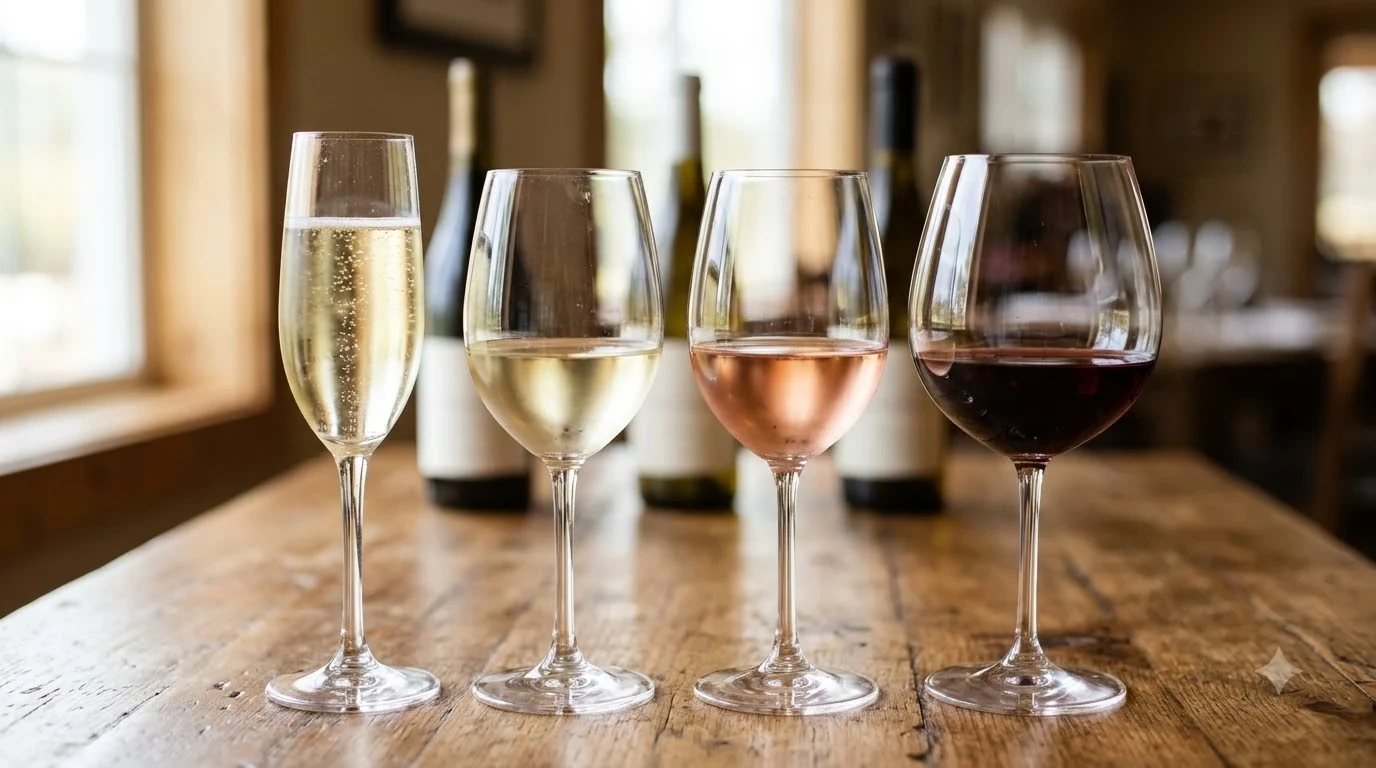
The collection offers several styles for different occasions, from aromatic still white wine to sparkling alternatives. Riesling is an important part of the range, while Chardonnay, rosé, and sparkling versions provide additional choices for people who prefer different textures and flavor profiles.
EINS-ZWEI-ZERO Riesling: This is one of the collection’s signature styles. Riesling naturally brings bright acidity and expressive fruit aromas. The product description identifies citrus, rhubarb, and lime, with a fresh aromatic character. Green apple and other orchard-fruit notes are also useful flavor references when considering this style.
The technical specifications published by Enotria identify a 100% Riesling wine with 50.8 grams per liter of residual sugar and 8.2 grams per liter of total acidity. Those figures help explain why the wine can show noticeable fruit sweetness while retaining a lively, refreshing finish. The acidity provides structure and helps balance the residual sugar.
EINS-ZWEI-ZERO Chardonnay: Chardonnay offers a different experience. Its flavor profile emphasizes green apple, ripe pear, lime, lemon, and subtle savory notes. Compared with the more overtly aromatic Riesling, the Chardonnay has a rounded orchard-fruit character and a gentler impression of acidity.
Product information for this Chardonnay identifies grapes from Germany’s Pfalz region. It lists 39 grams per liter of residual sugar, 7.3 grams per liter of total acidity, and an alcohol level below 0.1% ABV. These measurements are specific to the described Chardonnay and should not be assumed to apply to every wine in the collection.
EINS-ZWEI-ZERO Rosé: Rosé offers a fruit-forward alternative for people who enjoy pink wines. Its lighter presentation makes it suitable for casual lunches, outdoor meals, and appetizers. Rosé can be particularly useful when a table includes both white-wine and light-red-wine preferences because it occupies a flexible middle ground.
EINS-ZWEI-ZERO Sparkling Riesling: The sparkling version brings Riesling’s citrus-led character together with bubbles. Carbonation makes it feel more energetic and gives it a different role at celebrations, aperitif service, and festive meals. It is a natural choice for people who enjoy sparkling wine but want an alcohol-free alternative.
EINS-ZWEI-ZERO Sparkling Rosé: Sparkling rosé combines the visual appeal of pink wine with a lively texture. Its fruit-forward presentation makes it suitable for brunch, light appetizers, and social gatherings where a sparkling drink is appropriate.
| Style | Main grape or character | Typical flavor direction | Best occasion |
|---|---|---|---|
| Still Riesling | Riesling | Citrus, lime, rhubarb | Seafood and Asian-inspired meals |
| Still Chardonnay | Chardonnay | Green apple, pear, lemon | Roast chicken and creamy dishes |
| Still Rosé | Rosé wine style | Fresh red-fruit character | Lunch and casual gatherings |
| Sparkling Riesling | Riesling | Citrus and refreshing bubbles | Celebrations and appetizers |
| Sparkling Rosé | Rosé wine style | Fruit-forward sparkling character | Brunch and festive occasions |
These descriptions provide a practical starting point, but individual bottles can differ in sweetness, acidity, and texture. The Riesling and Chardonnay specifications above illustrate why it is useful to consider each wine separately rather than assuming that all alcohol-free whites taste alike.
Flavor Profile, Sweetness, and Acidity
Leitz EINS-ZWEI-ZERO wines generally emphasize freshness, fruit expression, and approachable drinking. The Riesling is the more aromatic and acid-driven choice, while Chardonnay offers a rounder orchard-fruit profile. Neither should be evaluated exactly like its conventional alcoholic counterpart because alcohol removal changes body and mouthfeel.
The Riesling’s combination of citrus, lime, rhubarb, and apple makes it recognizable as a grape-led white wine. Its residual sugar gives the palate a sweet impression, but its acidity prevents that sweetness from becoming the only feature. The result is a balance between fruit and freshness rather than the completely dry sensation some drinkers expect from traditional Riesling.
The Chardonnay offers a different balance. Green apple and pear provide its central fruit character, while lemon and lime add freshness. The product description also mentions gooseberry and star fruit, alongside subtle savory and oak-toned impressions. These characteristics help distinguish it from a simple fruit drink, even though it lacks the body supplied by alcohol in a conventional Chardonnay.
Understanding Residual Sugar
Residual sugar refers to the sugar remaining in a wine after fermentation and any subsequent adjustments to its composition. It is usually measured in grams per liter. A higher figure does not automatically mean a beverage will taste overwhelmingly sweet because acidity, aroma, and serving temperature also affect perception.
For context, the Enotria Riesling specification lists 50.8 grams per liter of residual sugar, while the Chardonnay product information lists 39 grams per liter. These figures describe two different wines and illustrate why the grape variety and overall composition matter when choosing a bottle.
Acidity is equally important. Riesling naturally tends to have high acidity, making it effective at balancing fruit sweetness. Chardonnay generally has medium acidity, so its fruit and texture can feel rounder. In dealcoholized wines, this balance becomes particularly important because removing alcohol also removes some of the weight and warmth that contribute to the conventional wine experience.
What to Expect in the Finish
Rather than expecting the lingering warmth of alcoholic wine, look for freshness and the persistence of fruit and acidity. Riesling tends to finish with citrus and a lively sensation, while Chardonnay offers a softer orchard-fruit impression. Sparkling versions add carbonation, which can make the finish seem more refreshing.
These wines are most rewarding when judged on their own characteristics. They are designed to offer a recognizable wine experience without alcohol, not to reproduce every aspect of a full-strength bottle.
Food Pairings for Leitz EINS-ZWEI-ZERO
The best food pairings depend on the grape variety, sweetness, acidity, and texture of the individual wine. Riesling works particularly well with aromatic and lightly spicy foods, while Chardonnay is a natural partner for chicken, vegetables, and creamy dishes. Sparkling styles are useful with appetizers and salty foods.
Riesling with Asian-inspired food: Riesling’s acidity and fruit character work well with dishes that include ginger, citrus, soy, and mild chili. Try it with Asian chicken casserole, lightly seasoned stir-fried vegetables, or chicken with a citrus-based sauce. Its acidity can refresh the palate between bites, while its fruit character helps complement aromatic seasonings.
For dishes with substantial chili heat, avoid assuming that sweetness alone will solve every pairing challenge. The safest approach is to choose moderate spice levels and allow the wine’s acidity and fruit to complement the dish without competing with excessive heat.
Riesling with seafood: Mild fish, shrimp, scallops, and simply prepared shellfish can work well with fresh Riesling. Citrus-based seasoning and herbs provide a natural connection to the wine’s lime and lemon character. Avoid heavily oily preparations with strong flavors that overwhelm the wine’s lighter structure.
Chardonnay with chicken: Roast chicken, butter-baked chicken, and lightly seasoned poultry are suitable matches for the Chardonnay’s green apple and pear profile. Creamy vegetable dishes also work because the wine’s rounded texture complements the richness of the food without requiring a heavily oaked or full-bodied alcoholic Chardonnay.
Chardonnay with cheese: Soft cheeses, goat cheese, and mild fresh cheeses are useful options. Goat cheese is particularly interesting because its tangy character can connect with the Chardonnay’s acidity. Serve it with plain crackers, lightly toasted bread, or roasted vegetables for a simple appetizer plate.
Rosé with light meals: Rosé is a flexible choice for salads, grilled vegetables, light chicken dishes, and mild cheeses. Its fruit-forward style can complement fresh tomato, cucumber, and herb-based dishes. For outdoor meals, it is also a practical alternative to a heavier red wine.
Sparkling wine with appetizers: Sparkling Riesling and sparkling rosé work with salty snacks, crostini, vegetable appetizers, and mild cheeses. The bubbles create a lively contrast with crisp or lightly fried foods. Sparkling Riesling is especially useful when citrus, apple, or fresh herbs feature prominently in the food.
When planning a menu, match the intensity of the dish to the intensity of the wine. Delicate Riesling can disappear beside heavily smoked meat, while a lightly seasoned chicken dish gives Chardonnay room to show its fruit. This principle is just as useful for alcohol-free wine as it is for conventional wine.
Serving Temperature, Glassware, and Storage
Serving temperature has a significant influence on how alcohol-free wine tastes. Cold temperatures preserve freshness, while excessive chilling can suppress aroma and make fruit flavors harder to recognize. Leitz’s still whites and sparkling styles benefit from refrigeration before service.
For still Riesling, aim for approximately 45 to 50 degrees Fahrenheit. This range keeps the citrus character lively without making the wine so cold that its aromas become difficult to detect. Chardonnay can be served slightly warmer, around 50 to 55 degrees Fahrenheit, to give its green apple, pear, and subtle savory notes more room to develop.
For sparkling Riesling and sparkling rosé, a temperature of 40 to 50 degrees Fahrenheit works well. Chilling helps preserve the lively sensation of the bubbles and keeps the drink refreshing. Rosé can generally be served around 45 to 50 degrees Fahrenheit.
| Wine style | Suggested serving temperature | Glassware |
|---|---|---|
| Still Riesling | 45–50°F | White wine glass |
| Still Chardonnay | 50–55°F | Medium white wine glass |
| Still Rosé | 45–50°F | White wine glass |
| Sparkling Riesling | 40–50°F | Sparkling wine flute or tulip |
| Sparkling Rosé | 40–50°F | Sparkling wine flute or tulip |
Glassware should support the style rather than complicate service. A standard white wine glass is suitable for still Riesling and Chardonnay because its bowl allows the aromas to collect. A flute or tulip glass works for sparkling wine, with a tulip shape offering a little more room for aromas to develop.
Pouring smaller servings also makes it easier to appreciate the wine’s aroma and temperature. A standard wine serving is approximately 5 ounces, and a 750-milliliter bottle provides about five such servings. The same serving approach is practical for alcohol-free wine, particularly when several different styles are being offered at a gathering.
Storing Opened Bottles
Store unopened bottles in a cool, dark location away from direct sunlight and large temperature changes. A consistently cool storage environment helps protect the wine’s aromatic character. Avoid leaving bottles beside ovens, heating appliances, or sunny windows.
After opening a still bottle, replace the closure and refrigerate it. A useful general guideline for opened still wine is three to five days in the refrigerator, although the precise period depends on the wine and how it is handled. Sparkling wine generally retains its carbonation for around one to three days when properly resealed and refrigerated.
For sparkling styles, use a suitable sparkling-wine stopper rather than relying on the original closure. This helps limit the escape of carbon dioxide. Keep the bottle upright in the refrigerator and avoid unnecessary exposure to warm air.
Before serving an opened bottle again, allow it to approach the appropriate drinking temperature. A bottle taken directly from a very cold refrigerator may need a few minutes outside before its aromas become expressive.
How Leitz Compares With Other Alcohol-Free Wines
Leitz belongs to a growing category of wines made through fermentation followed by alcohol removal. Its defining feature is the emphasis on recognizable grape varieties, especially Riesling, and a production process based on vacuum distillation. This makes it useful for people who prefer the familiar structure of traditional wine varieties rather than a generic fruit-based alternative.
One useful comparison is Pierre Zero wine, another name associated with alcohol-free wine. Comparing the two brands involves more than looking at the alcohol declaration. Grape varieties, sweetness, acidity, aromatic intensity, and the availability of sparkling styles all influence which bottle will suit a particular meal or occasion.
Leitz’s Riesling identity provides a particularly clear point of distinction. Riesling is naturally aromatic and typically has high acidity, so it can retain a recognizable citrus-led profile after dealcoholization. This can appeal to drinkers who already enjoy German white wines and want an alcohol-free alternative with familiar varietal characteristics.
Chardonnay provides another comparison point. Its orchard-fruit profile is generally more rounded than Riesling’s citrus-forward expression. Drinkers who prefer green apple, pear, and a softer impression of acidity may find this style more appealing than an aromatic Riesling.
It is also important to distinguish wine made by dealcoholizing fermented wine from beverages made directly from grape juice. Although both can contain grape-derived sweetness, they are produced differently and do not necessarily have similar aromas, acidity, or complexity.
When exploring more producers, the broader Wine Brands category provides a useful starting point for understanding different wineries and their approaches to wine production. Another relevant comparison is Baron Philippe de Rothschild wine, which represents a different producer and conventional wine portfolio.
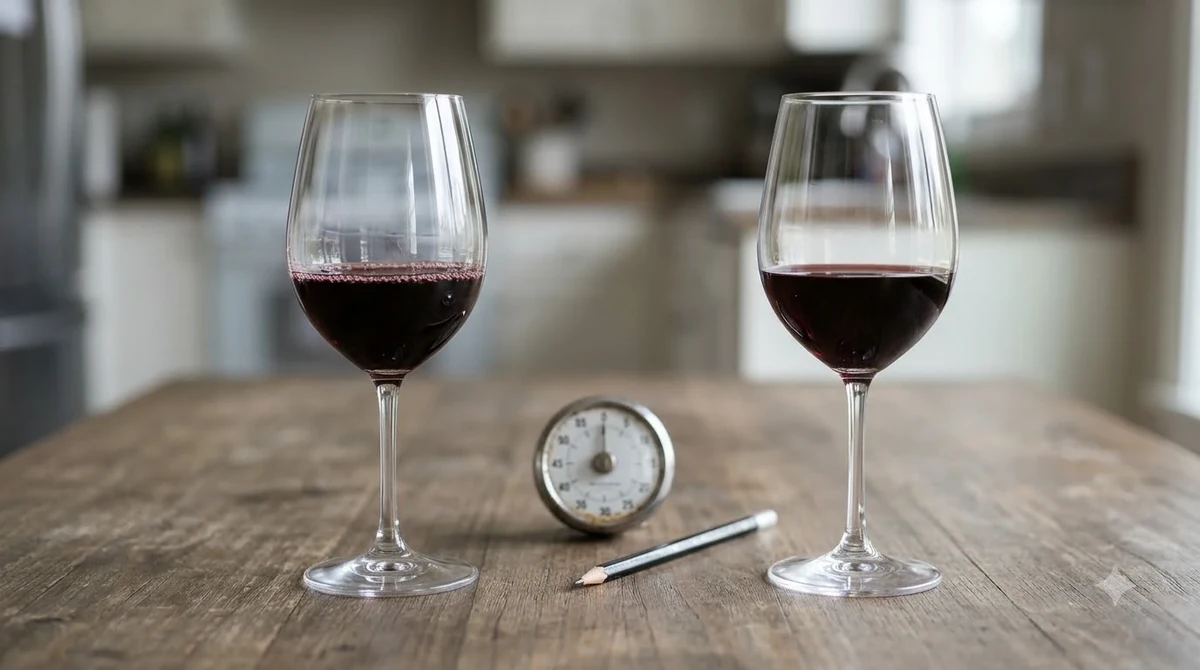
For anyone comparing alcohol-free alternatives, a sensible tasting approach is to open two different grape varieties at the same temperature and serve them with the same food. This makes it easier to identify whether the preferred characteristics are citrus intensity, orchard fruit, sweetness, acidity, or sparkling texture.
Frequently Asked Questions
Where does the Leitz winery come from?
Weingut Leitz is based in Rüdesheim am Rhein in Germany’s Rheingau wine region. Rüdesheim is known for its steep vineyard slopes overlooking the Rhine River. The winery’s regional identity is closely associated with German Riesling and traditional Rheingau wine production.
What does EINS-ZWEI-ZERO mean in English?
The name is a playful reference to EINS-ZWEI-DRY, the winery’s conventional dry Riesling. The ZERO designation distinguishes the alcohol-free collection from that original wine. The name therefore connects the alternative range with the producer’s existing Riesling identity.
Does dealcoholized wine contain sulfites?
Dealcoholized wine can contain sulfites, just like conventional wine. Sulfites may be present naturally or used during production to help protect the wine from oxidation and unwanted microbial activity. The Enotria product specification identifies sulfur as an allergen for its listed EINS-ZWEI-ZERO Riesling.
Does alcohol removal change the calories in wine?
Removing alcohol generally reduces the calories contributed by ethanol, which supplies approximately seven calories per gram. However, residual sugar and other ingredients also contribute energy. Consequently, two alcohol-free wines can have different calorie contents even when their alcohol levels are similar.
Can Leitz EINS-ZWEI-ZERO be used in wine-based cocktails?
Yes, still Riesling and sparkling rosé can be used as the base for alcohol-free cocktail-style drinks. Combine Riesling with sparkling water, fresh lime, and a small amount of citrus syrup for a refreshing aperitif. Sparkling rosé also works with fresh berries and a citrus garnish, provided the additional ingredients do not overwhelm its fruit character.
Leitz EINS-ZWEI-ZERO offers several ways to enjoy recognizable wine varieties without conventional wine’s alcohol content. Its Riesling, Chardonnay, rosé, and sparkling styles provide different combinations of fruit, acidity, sweetness, and texture. Start with the Riesling if you enjoy citrus-driven white wines, or choose Chardonnay for a rounder orchard-fruit profile, and serve each bottle at the right temperature to get the most from its character.
More in Wine Brands
 Underwood Wine Price: Compare Bottles, Cans, and Pack SizesUpdated Nov 21, 2026
 Zenato Wine Price: Compare Styles and Choose the Right BottleUpdated Nov 21, 2026
 Zuccardi Wine Price: Compare Bottles and Find the Right RangeUpdated Nov 21, 2026
 Yellow Tail Moscato Review: Taste, Sweetness and Serving TipsUpdated Nov 21, 2026
 Wolf Blass Yellow Label Review: Choose Your Best StyleUpdated Nov 21, 2026
 Wolffer Estate Rose Review: Choose the Right Bottle for Your TableUpdated Nov 21, 2026