

We may earn a commission when you buy through links on this page, at no extra cost to you. Learn more.
Rheingau wine is German wine from a historic region on the north bank of the Rhine, and it is famous above all for Riesling. The vineyards stretch from the Western Taunus hills down to the river between Wiesbaden and Lorch, near Frankfurt, in the German state of Hesse. Rheingau Rieslings range from dry to sweet, and the region’s long monastic and noble history has shaped how its wines are grown, labeled and enjoyed.
This guide covers what makes Rheingau wine distinctive, how the region’s history shaped its vineyards, what Rheingau Riesling tastes like, and how to choose and serve a bottle. It is written for buyers who want to understand German wine labels without getting lost in the details.
What Rheingau wine is
Rheingau wine comes from a compact region along the Rhine, located on the river’s northern bank. The area lies in the district of Rheingau-Taunus, and it is known for its many wine taverns and villages that cluster around the vineyards. The region’s reputation rests on its wines, especially Rheingauer Riesling, which has been a benchmark for German white wine for generations.
Because the region is small compared with some German wine areas, its character is often easy to recognize. The slopes face the river, the vineyards sit close to the water, and the wines tend to show a strong sense of place. Buyers often find that a Rheingau bottle tells a clear story about its site and style.
A short history of the region
The Rheingau began as a county in the Frankish Empire, and its early counts were called Rhinegraves. The first Rhinegrave on record is Hato VI, who held the title between 937 and 960. In 983, Emperor Otto II gave the territory to the Archbishopric of Mainz at the Diet of Verona, which tied the region’s vineyards to the church for centuries.
The Rheingau passed to the Duchy of Nassau after the archbishopric was dissolved in 1806, and in 1866 Prussia annexed Nassau into Hesse-Nassau. Those changes did not end viticulture. Estates and monasteries had built the vineyards and cellars that still define the region, and their wines continued to be sold in Germany and abroad.
What Rheingau Riesling tastes like
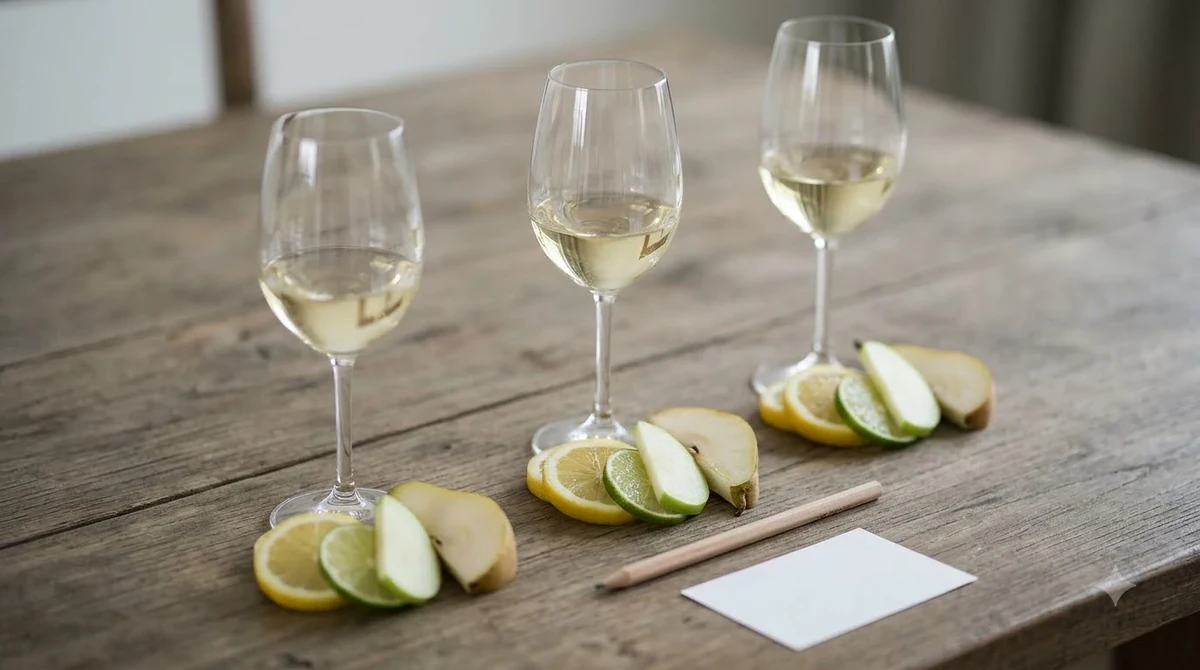
Riesling is the grape most closely associated with the Rheingau, and it is the wine that many drinkers first meet from this area. Rheingau Riesling is usually high in acidity and shows citrus, green apple, stone fruit and floral notes. The style can be dry, with a crisp finish, or sweeter, with honeyed fruit balanced by acidity.
The region’s cool climate and river influence help the grapes hold their acidity while they ripen. That balance is one reason Rheingau Riesling can age well, and many older bottles still show freshness. Producers often use the sweetness levels on the label to tell buyers how dry or sweet the wine will be, so reading the label carefully pays off.
| Style | What it tastes like | Good with |
|---|---|---|
| Dry Riesling | Crisp, citrus, green apple, mineral notes | Fish, shellfish, light salads |
| Off-dry Riesling | Stone fruit, floral, rounded sweetness | Spicy Asian dishes, pork, cheese |
| Sweet Riesling | Honeyed fruit, bright acidity, long finish | Desserts, blue cheese, fruit tarts |
Tip: German labels use terms that describe sweetness and quality level. If the label is unclear, ask a shop for a dry Riesling from the Rheingau if you want a crisp, food-friendly bottle.
Villages, vineyards and the taverns
The Rheingau is known for its villages as much as its vineyards. Rüdesheim is perhaps the best-known name, with the Drosselgasse lane lined with taverns that draw visitors in the evenings. Eltville, Geisenheim and Oestrich-Winkel are also part of the region’s wine landscape, and several historic estates sit near the river. Visitors can walk or cycle between many of them, which suits a slow tasting itinerary.
The region’s taverns and wine bars are a good place to try local wines by the glass. Many serve traditional German food alongside their Riesling, which makes them a practical introduction to the style. Look for places that display the vineyard or estate name on the menu, since that information helps you compare wines later.

Festivals and wine tourism
The Rheingau holds several well-known events each year. The Rheingau Musik Festival takes place in July and August at locations across the region, combining concerts with vineyard and castle settings. The Rheingau Wine Festival is held in Wiesbaden each August and draws large crowds for tastings and food stalls.
The regional tourism site describes wine tasting stands, wine bars and the Rheingau wine majesties, who represent the region at public events. Those features make the Rheingau a good destination for a wine-focused trip, but it is worth booking accommodation early during the festival months.
Wine lovers planning a visit often build a route around two or three villages and a single estate tour. Mornings are a good time to visit estates, when the cellars are quiet and staff have time to explain the vineyard. Afternoons suit tavern visits, and evenings are best kept for a relaxed dinner with a bottle from the region. A flexible plan leaves room for the unexpected, such as an impromptu tasting on a warm terrace.
How to choose and serve Rheingau wine
Start with the label. Look for the Rheingau name, the producer, the vintage and the sweetness level. If you are buying a bottle for a meal, a dry Riesling is usually the most versatile choice. For a gift or dessert, a sweet Riesling offers a clear, memorable style that many people enjoy.
Serve Riesling well chilled, typically around 8 to 10 degrees Celsius, so the acidity stays lively without the aromas closing down. Drink dry Rieslings within a few years of the vintage unless the producer says otherwise, and keep sweeter, well-made bottles for longer if you want them to develop.
Food pairing with Rheingau wine
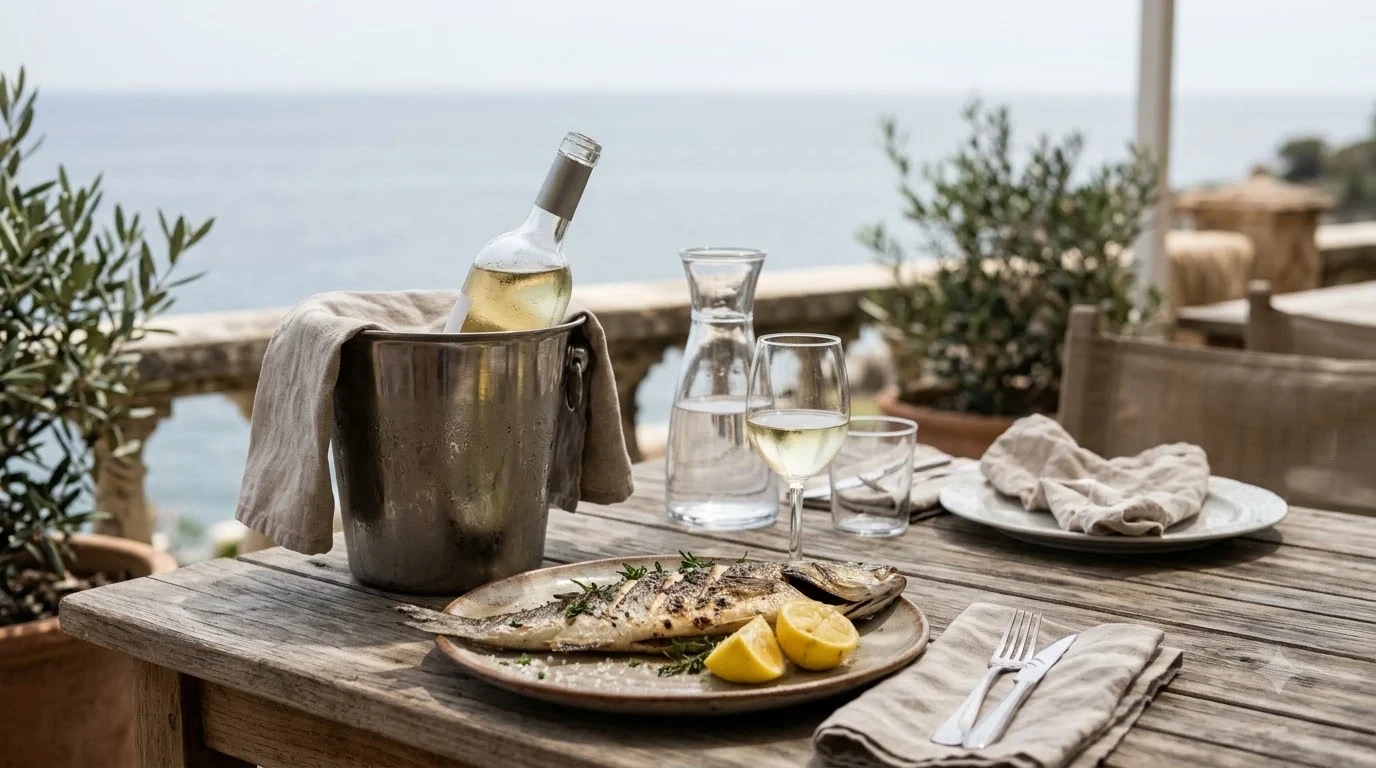
Dry Rheingau Riesling is a natural match for fish, shellfish, light salads and roast chicken. Its acidity cuts through rich sauces and creamy dishes, which makes it useful at the table. Off-dry styles pair well with spicy food, such as Thai or Indian dishes, because the sweetness softens chili heat.
Sweeter Rieslings suit fruit desserts and aged cheeses. A late-harvest or dessert Riesling can match a blue cheese or a fruit tart, and the contrast between sweetness and acidity keeps the pairing fresh. For a simple home dinner, a dry Riesling with grilled trout or pork chops is an easy choice.
Frequently Asked Questions
What is Rheingau wine best known for?
Rheingau wine is best known for Riesling, especially Rheingauer Riesling. The region’s wines range from dry to sweet and are valued for their acidity and sense of place.
Is Rheingau Riesling always sweet?
No. Rheingau Riesling can be dry, off-dry or sweet. Check the label for the sweetness level, because styles vary by producer and vintage.
Where is the Rheingau?
The Rheingau lies on the north bank of the Rhine in the German state of Hesse, stretching between Wiesbaden and Lorch near Frankfurt. It is a compact region with vineyards close to the river.
When should I visit the Rheingau for wine?
Summer and early autumn are popular. The Rheingau Wine Festival in Wiesbaden takes place each August, and the Rheingau Musik Festival runs through July and August, so book early for those dates.
Rheingau wine rewards a slow, curious approach. Start with a dry Riesling, compare it with an off-dry style, and then try a sweet bottle with dessert. For more on the region’s wine culture and tasting options, the Rheingau regional tourism site lists wine tasting stands and wine villages, and the anderson valley wine page offers another look at a cool-climate Riesling and Pinot region. For a broader view of regions, see the Wine Regions guide.
More in Wine Regions
 Willcox Wine Trail: Discover Arizona’s High-Elevation Wine CountryUpdated Nov 20, 2026
 Yakima Valley Wine Region: Find the Best Styles to TryUpdated Nov 20, 2026
 Vosne Romanee Wine Tasting: Identify Aromas and Choose Better PairingsUpdated Nov 20, 2026
 Yakima Valley Wine Festival: Find the Best Seasonal Wine EventsUpdated Nov 20, 2026
 Wales Vineyards: Discover Cool-Climate Wines and Where to VisitUpdated Nov 20, 2026
 Yountville Wine Festival: Discover Napa Wines and Local FoodUpdated Nov 20, 2026