

We may earn a commission when you buy through links on this page, at no extra cost to you. Learn more.
The pio cesare wine price typically ranges from around $25 to more than $200 per 750 ml bottle in the US, depending on the wine, vineyard designation, vintage, and retailer. The producer’s approachable Langhe wines and everyday Piedmont varieties generally cost less than its Barolo and Barbaresco selections. Single-vineyard bottlings such as Ornato, Mosconi, and Il Bricco occupy a higher price tier. Comparing the appellation and vineyard designation is the easiest way to understand what a particular bottle costs and whether it suits your budget.
Pio Cesare is a historic Piedmont producer whose portfolio covers considerably more than expensive Nebbiolo wines. Its selection includes Barbera, Dolcetto, Chardonnay, Gavi, Moscato d’Asti, and several prestigious Barolo and Barbaresco bottlings. That range gives buyers several entry points, whether they want a bottle for a weeknight dinner, a special occasion, or a carefully planned cellar. Understanding the differences between these wines makes comparing retail prices much easier.
Who This Pio Cesare Price Guide Is For
This guide is for wine buyers who want to understand what they should budget for Pio Cesare bottles before choosing a particular variety or vineyard designation. The difference between a Langhe Nebbiolo and a single-vineyard Barolo can be substantial, even though both come from the same producer in Piedmont.
It is particularly useful for shoppers comparing classic Barolo and Barbaresco with more accessible wines such as Barbera d’Alba and Dolcetto d’Alba. Someone buying a gift may have different priorities from someone seeking a bottle to open with dinner. The former might favor a recognizable Barolo label, while the latter could get excellent value from a regional red or Chardonnay.
Pio Cesare was established in Alba in 1881 by Cesare Pio. The winery has maintained a family identity through five generations, and its vineyard holdings include locations across the Barolo and Barbaresco areas. According to Rogers & Company, its holdings exceed 70 hectares, including recognized sites such as Ornato, Gustava, and Il Bricco.
Buyers interested in the producer’s background and broader selection can also explore our pio cesare wine overview. This guide focuses on the financial side of choosing a bottle: typical US retail ranges, the differences between wine categories, and the factors that explain why two Pio Cesare labels can carry very different prices.
Key Factors That Determine Pio Cesare Wine Price
The most important pricing factors are appellation, vineyard designation, grape variety, vintage, and availability. A standard Barolo or Barbaresco generally costs more than an entry-level Dolcetto or Barbera, while wines from individually identified vineyards often command another premium.
The distinction between regional and single-vineyard production is especially important. Pio Cesare’s classic Barolo Pio and Barbaresco Pio are assembled from different vineyards to express their respective appellations. Its single-vineyard wines, by comparison, highlight specific sites and are produced in limited quantities. The additional vineyard specificity and limited availability help explain their higher retail positioning. The producer explains these differences in its official portfolio overview, which separates its Classics, Single-vineyards, Signature Whites, Discoveries, and Revival categories.
The following table gives practical US retail budgeting ranges for the main categories. These are approximate shopping ranges informed by the product listings at Wine.com and other US retailers, rather than guaranteed prices for every vintage or retailer.
| Wine category | Representative bottle | Typical US retail range | General positioning |
|---|---|---|---|
| Entry-level white | L’Altro Chardonnay | $25–$35 | Accessible white |
| Entry-level red | Dolcetto d’Alba | $20–$35 | Approachable Piedmont red |
| Barbera | Barbera d’Alba | $25–$45 | Versatile regional red |
| Langhe Nebbiolo | Langhe Nebbiolo | $30–$50 | Introduction to Nebbiolo |
| Premium Chardonnay | Piodilei Chardonnay | $55–$80 | More ambitious white |
| Classic Barbaresco | Barbaresco Pio | $75–$110 | Prestigious Nebbiolo |
| Classic Barolo | Barolo Pio | $75–$115 | Prestigious Nebbiolo |
| Single-vineyard Barbaresco | Il Bricco | $120–$200+ | Limited-production selection |
| Single-vineyard Barolo | Ornato or Mosconi | $120–$250+ | Premium vineyard selection |
These ranges are intended as budgeting estimates, not fixed winery prices. For example, Wine.com has listed L’Altro Chardonnay 2023 around $25 to $35 and Piodilei Chardonnay 2023 around $65 to $70. The same retailer has listed Barolo and Barbaresco bottlings around $85 to $95, with higher prices for special vineyard selections. Vintage differences and retailer inventory can move individual bottles outside these ranges. Its Pio Cesare wine listings provide a useful reference for comparing available varieties and vintages.
All quoted prices are approximate US retail figures for standard 750 ml bottles, where applicable. Prices vary by state and retailer, and shipping, taxes, import costs, and local distribution can change the amount paid at checkout.
Step-by-Step: How to Compare and Buy Pio Cesare
A sensible purchase starts with a budget and a preferred wine style, not with the most prestigious label. Comparing the appellation, vineyard designation, vintage, and bottle size helps prevent paying a premium for a wine that does not match the intended occasion.
-
Set a realistic bottle budget.
Decide whether the purchase is intended to stay below $40, fall between $40 and $100, or exceed $100. A budget of approximately $30 to $40 can cover some of the producer’s more accessible wines, while a budget of $80 to $110 opens up classic Barolo and Barbaresco options.
-
Choose the grape variety.
For structured red wine, consider Nebbiolo. For a fruit-forward and more flexible red, look at Barbera or Dolcetto. For white wine, compare L’Altro and Piodilei Chardonnay, or consider Cortese di Gavi if a fresher, more citrus-driven style is preferred.
-
Compare the appellation.
Barolo and Barbaresco are both prestigious Nebbiolo appellations, but they represent different areas and wine traditions. Langhe Nebbiolo offers another way to explore the grape without beginning with a premium DOCG bottling.
-
Look at the vineyard designation.
A standard Barolo Pio is different from Barolo Ornato or Barolo Mosconi. Similarly, Barbaresco Pio is distinct from Il Bricco. Single-vineyard names indicate a more specific origin and often a higher retail price.
-
Compare the vintage.
Two bottles carrying the same producer and appellation can have noticeably different prices when their vintages differ. Consider the wine’s intended drinking window and whether the selected vintage is ready to enjoy or better suited to additional cellaring.
-
Check the retailer’s full listing.
Compare the vintage, bottle size, shipping policy, and storage information. A lower shelf price is not necessarily the lowest total purchase cost if shipping or other charges are substantial.
-
Match the wine to the occasion.
Choose Barbera or Dolcetto for a casual meal, Chardonnay for a white-wine occasion, and Barolo or Barbaresco for a more substantial dinner or special gift. This approach makes the purchase more useful than choosing solely by prestige.
Tip: If you are buying Pio Cesare for the first time, compare its Langhe Nebbiolo with Barolo Pio. Both introduce the character of Nebbiolo, but the appellation and expected price positioning give you a useful comparison before moving to Ornato, Mosconi, or Il Bricco.
For a broader understanding of how producers position their wines, our Wine Brands resource provides additional context. The same principle applies across Italian wine: the grape, appellation, and specific vineyard often explain more about a bottle’s cost than the winery name alone.
Types and Styles Explained Across the Pio Cesare Range
Pio Cesare organizes its portfolio into five broad groups: Classics, Single-vineyards, Signature Whites, Discoveries, and Revival. These categories cover traditional regional wines, site-specific selections, white wines, experimental or less conventional bottlings, and historically inspired specialty products.
Classic Barolo and Barbaresco
Barolo Pio and Barbaresco Pio are central to the producer’s traditional identity. Both are based on Nebbiolo and represent their respective appellations through grapes sourced from multiple vineyards. They are useful choices for buyers who want to understand the producer’s house style before paying more for a particular vineyard expression.
Barolo generally has a firm tannic structure, high acidity, and considerable aging potential. Barbaresco is also structured and age-worthy, although its expression can be somewhat more approachable depending on the vintage and wine. Both work well with rich dishes, including braised beef, roasted lamb, and mushroom-based preparations.
Single-vineyard Nebbiolo
Ornato and Mosconi are Pio Cesare’s notable Barolo vineyard selections, while Il Bricco represents its single-vineyard Barbaresco offering. These wines are positioned above the standard regional bottlings in many US retail listings.
The price difference reflects more than the word Barolo or Barbaresco on the label. Site identity, production quantities, vintage demand, and the availability of particular releases all contribute. Buyers should consider whether the extra specificity is meaningful to them before choosing a premium bottle.
Langhe Nebbiolo, Barbera, and Dolcetto
These regional wines offer different ways to experience Piedmont without beginning with a prestigious DOCG selection. Langhe Nebbiolo provides a useful introduction to the grape, while Barbera d’Alba emphasizes a fruit-driven style with high acidity. Dolcetto d’Alba is generally softer in tannin than Nebbiolo and often suits casual meals.
Barbera is particularly flexible at the table because its acidity can work with tomato sauces, cured meats, and moderately rich dishes. Dolcetto is a practical option for pizza, roasted vegetables, and simple meat dishes. These wines can provide more everyday drinking flexibility than a structured Barolo.
Chardonnay and Other White Wines
Pio Cesare’s white portfolio includes L’Altro Chardonnay and Piodilei Chardonnay, along with Cortese di Gavi and Timorasso. The producer describes its Signature Whites as wines intended to combine structure, complexity, and aging potential.
L’Altro is generally the more accessible Chardonnay option by retail positioning. Piodilei occupies a higher tier and is worth comparing when a more substantial Piedmont white is desired. Gavi offers an alternative based on Cortese, while Timorasso provides another distinctive regional white-wine direction.
Moscato d’Asti and Revival Wines
Moscato d’Asti provides a sweeter and more aromatic contrast to the producer’s structured reds. It can work with fruit desserts and lighter sweets, provided the dessert is not sweeter than the wine. Its lower-alcohol, gently sparkling style makes it quite different from Nebbiolo-based reds.
The Revival category includes Vermouth di Torino and Barolo Chinato. These specialty products have a different purpose from the winery’s standard table wines and should be compared separately rather than placed directly against Barolo or Barbaresco prices.
Common Mistakes When Comparing Pio Cesare Bottles
The most common buying mistake is treating every Pio Cesare wine as if it belongs in the same price category. A $30 Chardonnay and a $150 single-vineyard Barolo serve different purposes, and comparing them without considering grape variety, production category, and intended use can produce misleading conclusions.
Comparing Different Vineyard Categories
One frequent mistake is comparing Barolo Pio directly with Ornato without accounting for their different vineyard sourcing. The classic bottling represents a broader appellation expression, while Ornato identifies a particular vineyard site. The same distinction applies when comparing Barbaresco Pio with Il Bricco.
A higher price for the single-vineyard bottle does not automatically mean it is the right purchase. Someone looking for a representative Barolo for dinner may prefer the classic bottling, while a collector interested in vineyard differences may find the premium selection more appealing.
Ignoring the Vintage
Another mistake is assuming that two bottles with the same name and appellation should have identical prices. Nebbiolo wines can vary considerably between vintages, and retailers may have older bottles, newer releases, or limited quantities of sought-after years.
Before comparing prices, make sure both listings refer to the same vintage and bottle format. A standard 750 ml bottle should not be compared directly with a larger format or a different release without adjusting the comparison.
Choosing Barolo Only Because It Is Prestigious
Barolo has an impressive reputation, but that does not make it the best choice for every dinner. Its firm tannins and acidity may be excessive for a light meal, and a young bottle can require additional time to soften.
Barbera, Dolcetto, or Langhe Nebbiolo may be more suitable for an informal occasion. A Chardonnay may be more appropriate for seafood or poultry. Choosing according to the meal and desired style usually produces a more satisfying purchase than choosing by appellation reputation alone.
Overlooking Total Retail Cost
Retail listings can differ because of shipping charges, local availability, state restrictions, and stock levels. One merchant might have a particular vintage available while another only carries a different release. A comparison that ignores these differences can make a normal retail variation appear like an unusually large price gap.
It is also a mistake to confuse a wine’s current shelf price with its long-term value. A collectible bottle may attract interest from buyers who intend to cellar it, but that does not mean every premium Pio Cesare wine will appreciate in value. Buy according to drinking preferences and realistic storage conditions rather than assuming future resale returns.
Care and Storage Tips for Protecting Your Purchase
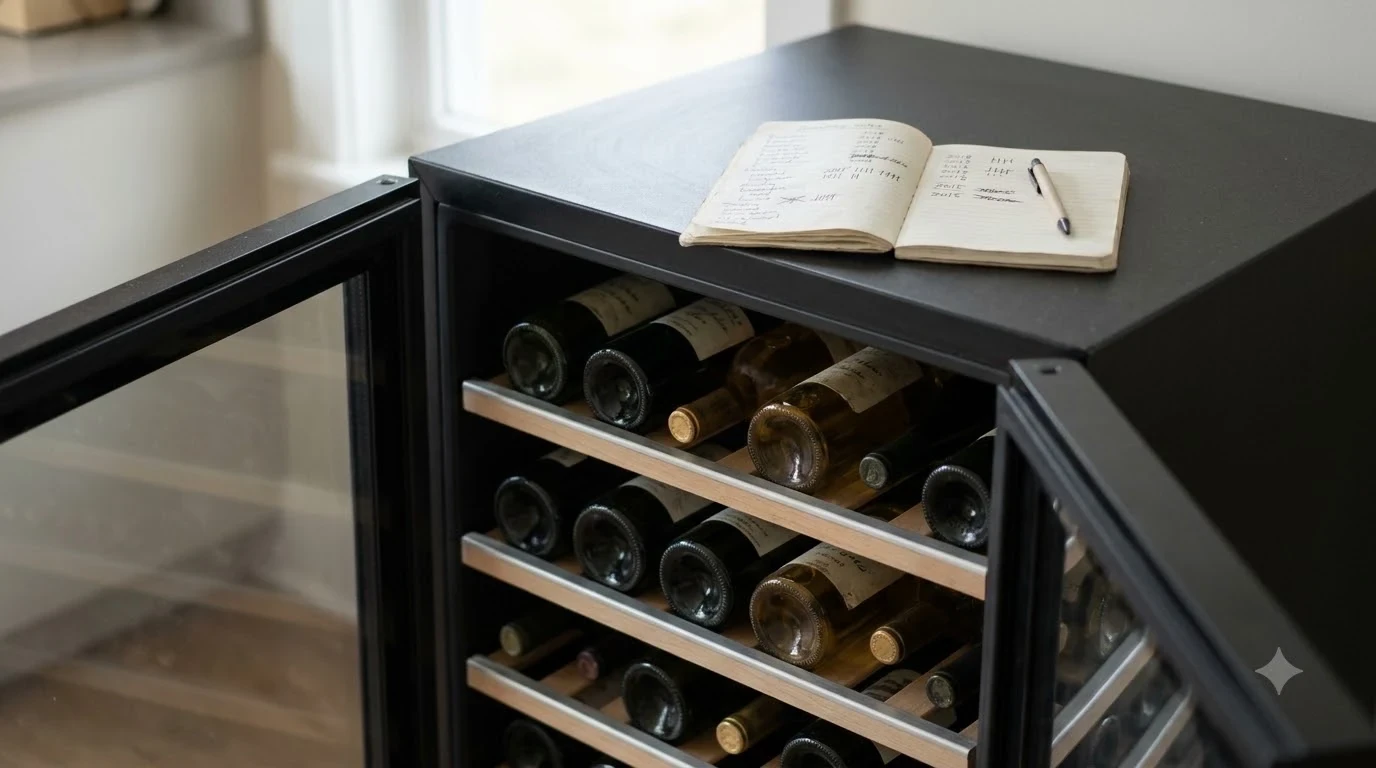
Proper storage matters particularly for Nebbiolo wines because Barolo and Barbaresco can develop over many years. Stable temperatures, protection from light, and limited movement help preserve a bottle’s condition, whether it is an accessible regional red or an expensive vineyard selection.
Store Bottles at a Stable Temperature
A temperature near 55°F is a useful target for storing wine. Keep bottles away from radiators, kitchen appliances, sunny windows, and locations with repeated temperature changes. If a bottle has a natural cork, storing it on its side helps maintain contact between the wine and the cork.
Humidity and vibration also matter. Avoid excessively dry storage environments and places where bottles are repeatedly moved or shaken. A dark, temperature-controlled wine cabinet is generally preferable to an ordinary kitchen cupboard for long-term storage.
Serve Each Style at an Appropriate Temperature
Serving temperature can change how a wine’s acidity, alcohol, tannin, and aromas are perceived. Pio Cesare’s reds should not automatically be served at warm room temperature, particularly in a heated home.
- Barolo and Barbaresco: approximately 60–65°F.
- Barbera and Dolcetto: approximately 55–60°F.
- L’Altro and Piodilei Chardonnay: approximately 50–55°F.
- Cortese di Gavi: approximately 45–50°F.
- Moscato d’Asti: approximately 43–50°F.
Allow Young Nebbiolo to Breathe
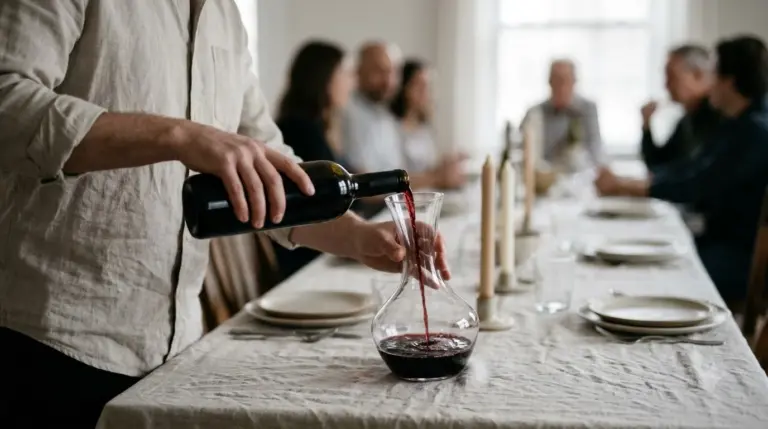
Young, full-bodied red wines can benefit from aeration before serving. A young Barolo or Barbaresco may need approximately 30–60 minutes in a decanter, depending on its structure and development. Older bottles require more care because extended exposure to air can cause delicate aromas to fade.
Decanting can also separate sediment from older red wines. Pour slowly and stop when sediment approaches the neck of the bottle. The goal is to improve the drinking experience, not to expose every wine to the same amount of oxygen.
Preserve Open Bottles
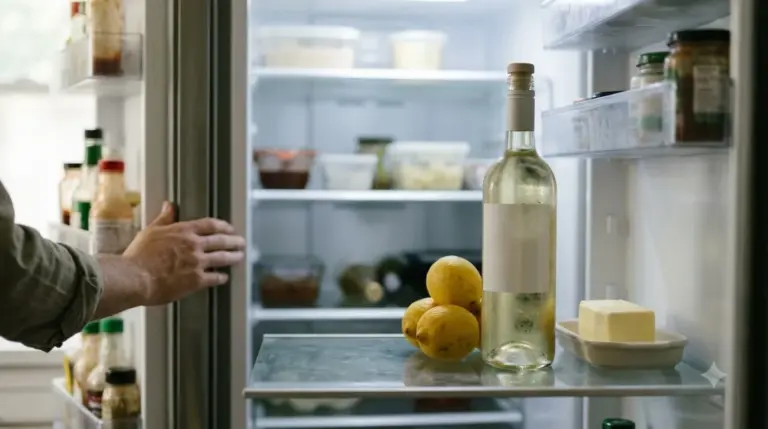
After opening, reseal still wines and refrigerate them. Most opened still wines remain in reasonable condition for approximately 3–5 days, although aromatic character and freshness gradually decline. Remove a refrigerated red bottle before serving to allow it to approach its preferred temperature.
For a premium Barolo or Barbaresco, avoid leaving the bottle uncorked for extended periods. A proper wine stopper or vacuum closure can help limit oxygen exposure. These simple measures protect the original purchase, particularly when the bottle is too substantial to finish in one sitting.
Frequently Asked Questions
Is Pio Cesare considered a collectible wine producer?
Some Pio Cesare wines are treated as collectible fine wines, particularly its vineyard-designated Barolo and Barbaresco releases. Collectibility depends on the individual vintage, bottle provenance, storage history, and market demand rather than the producer name alone. A standard regional bottling should not automatically be treated as an investment wine.
Does Pio Cesare produce organic wine?
The winery’s portfolio information does not establish that every Pio Cesare bottling carries organic certification. Vineyard management practices and formal organic certification are different matters. Buyers who require certified organic wine should verify the certification for the specific bottle and vintage.
What does DOCG mean on a Pio Cesare label?
DOCG stands for Denominazione di Origine Controllata e Garantita, Italy’s highest traditional wine appellation classification. Barolo, Barbaresco, and Gavi are examples of DOCG appellations represented in the producer’s portfolio. The designation establishes geographic and production requirements, but it does not guarantee that every bottle will suit every buyer’s preferences.
Can Pio Cesare wine be purchased in half bottles?
Retail availability depends on the particular wine and market. Many US listings for Pio Cesare focus on the standard 750 ml format, and some specialized wines may be difficult to find in smaller bottles. Buyers seeking a 375 ml format should verify the actual bottle size before completing an order.
Is Pio Cesare available outside the United States?
Yes. The producer exports its wines internationally, and its portfolio is represented by distribution partners in multiple markets. Availability, vintage selection, labeling, and local retail pricing differ between countries because of import arrangements, taxes, and distribution costs.
Pio Cesare offers a broad range of Piedmont wines, from accessible Barbera and Chardonnay to prestigious Barolo and single-vineyard Nebbiolo. The most useful way to compare the pio cesare wine price is to begin with the wine category, then account for the appellation, vineyard designation, and vintage. With those differences understood, buyers can select a bottle that fits both their budget and the occasion without automatically paying for the most prestigious label.
More in Wine Brands
 Piper Heidsieck Brut Price: Find the Right Bottle for Your BudgetUpdated Nov 21, 2026
 Pine Ridge Wine Price: Compare Bottles and Find the Right ValueUpdated Nov 21, 2026
 Planeta Wine Price: Compare Sicilian Bottles and Find Your FitUpdated Nov 21, 2026
 Pacific Rim Riesling Price: How to Spot a Fair Bottle RangeUpdated Nov 21, 2026
 Pierre Zero Wine Review: Find Your Best Alcohol-Free StyleUpdated Nov 21, 2026
 Ponzi Wine Review: How to Choose the Right Oregon BottleUpdated Nov 21, 2026