

We may earn a commission when you buy through links on this page, at no extra cost to you. Learn more.
Is alamos wine good? Yes, Alamos is a good choice for approachable Argentine wine, particularly if you enjoy fruit-forward Malbec with dark berry flavors, moderate structure and a soft finish. Its Mendoza origins, high-altitude vineyards and range of red and white wines give shoppers several styles to consider. It is especially appealing for casual dinners, grilled meats and everyday occasions, although the best bottle depends on your preferred grape variety and how much structure you enjoy.
Alamos is a recognizable name for shoppers exploring Argentine wine, but choosing a bottle involves more than picking a familiar label. Its Malbec offers a different experience from its Cabernet Sauvignon, Chardonnay and more concentrated Selección Malbec. Understanding those differences, along with the brand’s winemaking approach and food-pairing strengths, makes it easier to decide whether Alamos belongs in your regular wine rotation.
Who This Wine Is For
Alamos is best suited to wine drinkers who want recognizable grape varieties, expressive fruit and approachable styles rather than highly specialized or demanding bottles. Its Mendoza roots make it particularly interesting to people discovering Argentine Malbec, while its other varieties provide alternatives for different meals and preferences.
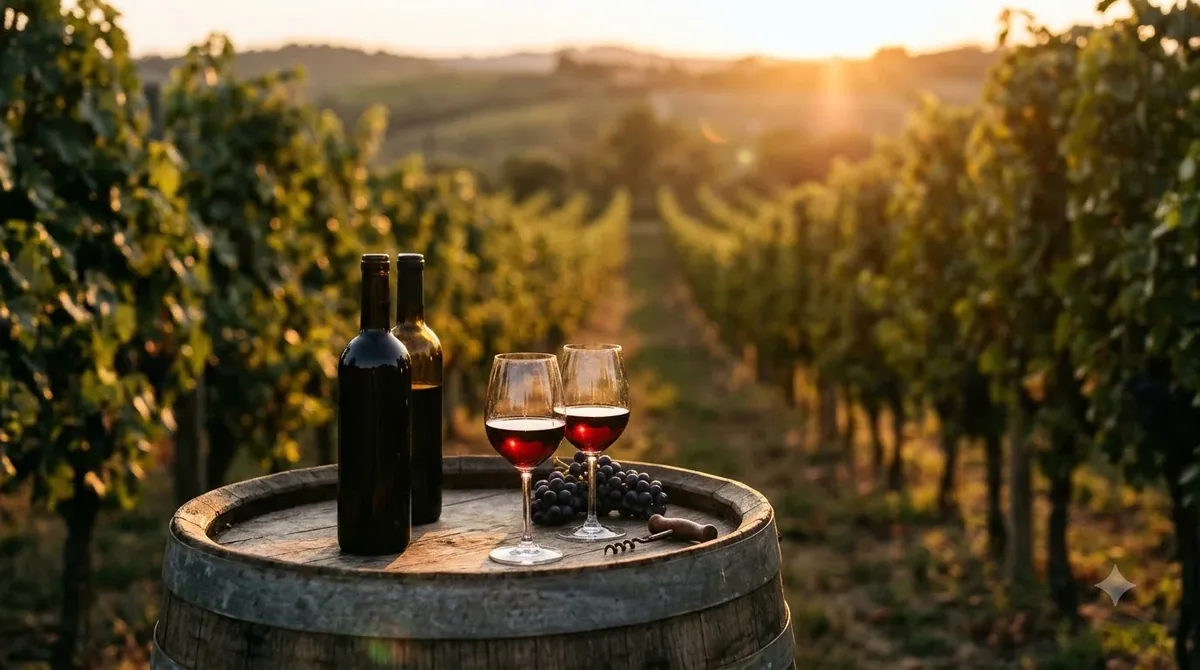
The brand’s official US website describes more than 120 years of Argentine family winemaking heritage. Its wines come from Mendoza, a major wine-producing province in west-central Argentina, where vineyards sit at elevations of approximately 3,000 to 5,000 feet. This growing environment combines intense sunlight, cool evenings and irrigation from mineral-rich Andes snowmelt. Those conditions help explain why Alamos wines emphasize ripe fruit while retaining freshness and recognizable varietal character.
Alamos is a particularly sensible starting point for someone who enjoys blackberry, plum, black cherry and gentle spice in red wine. Its Malbec is described by the producer as full-bodied but soft and supple, making it a reasonable option for drinkers who like concentrated fruit without wanting an especially aggressive drinking experience.
It also makes sense for households that serve several different types of food. Malbec and Cabernet Sauvignon offer alternatives for red-wine occasions, while Chardonnay provides a white option for poultry, seafood and creamy dishes. That variety is useful when choosing bottles for a dinner party rather than buying exclusively for one particular meal.
However, Alamos is not automatically the right choice for every palate. Someone who prefers delicate, low-tannin Pinot Noir, very crisp Sauvignon Blanc or exceptionally complex wines intended for extended cellaring may prefer a different producer or grape variety.
Think of Alamos primarily as an accessible introduction to Mendoza wine. Its appeal lies in recognizable flavors, versatile food compatibility and a selection that covers several common preferences. For shoppers comparing producers, the broader Wine Brands resource can help put this style into context.
Key Factors to Compare Before Buying
The most useful comparison points are grape variety, body, tannin, acidity and winemaking style. These characteristics determine whether a bottle suits your food, preferred flavor intensity and expectations for an everyday wine.
| Factor | Alamos detail | What it means for buyers |
|---|---|---|
| Origin | Mendoza, Argentina | Expect an Argentine regional identity and ripe fruit character. |
| Vineyard elevation | 3,000–5,000 feet | High-altitude growing conditions contribute to grape development. |
| Malbec blend | 85% Malbec, 10% Bonarda, 5% Syrah | The listed technical blend is not necessarily identical across every vintage or market. |
| Malbec alcohol | 13.5% | A useful reference for understanding the wine’s strength. |
| Cold soak | 3 days | A pre-fermentation extraction step in the documented Malbec production method. |
| Fermentation | 1 week at 85°F | Part of the documented extraction and fermentation approach. |
| Oak aging | 6–8 months | Contributes to the wine’s texture and oak-related flavor profile. |
| Barrel capacity | 225 liters | The stated size of the French oak barrels used in the documented method. |
These figures come from Alamos’s published Malbec technical information and should be treated as details of that documented wine, not universal specifications for every bottle carrying the brand name. The official portfolio includes several different wines, and their blends, alcohol levels and production methods can differ.
Grape variety should be the first consideration. Malbec generally has medium acidity and moderate tannin, with a characteristic combination of dark fruit and spice. Cabernet Sauvignon generally has higher tannin and a firmer structure. Chardonnay has medium acidity and a different flavor profile altogether, making it more appropriate for people who prefer white wine.
Oak is another consideration. The documented Malbec production method includes six to eight months in medium-toast French oak barrels. Oak aging can contribute impressions of baking spice, vanilla and additional texture. It does not mean that every drinker will perceive the same degree of oak influence, since fruit concentration, vintage and serving conditions also affect the experience.
Independent tasting information provides another useful reference. Tastings.com described its reviewed 2024 Alamos Malbec as dry, medium-to-full-bodied and layered, with black raspberry, roasted fig, dark chocolate and cola characteristics. Its review also recorded 13.5% alcohol and an 88-point result. This provides evidence that the wine can deliver more than simple fruitiness, although one vintage review should not be treated as a guarantee of identical performance from every subsequent release.
For additional context, the Tastings.com Alamos 2024 Malbec review provides a useful independent description of its flavor, structure and suggested food pairings.
Step-by-Step: How to Choose an Alamos Bottle
Choosing an Alamos wine becomes straightforward when you begin with the occasion and work backward to the grape variety. A few simple decisions can prevent buying a bottle that tastes good on its own but does not fit the meal or the people drinking it.
-
Decide whether you want red or white wine.
Start with the meal and your personal preference. For grilled beef, burgers or a hearty pasta dinner, consider Malbec or Cabernet Sauvignon. For roasted chicken, seafood or cream-based pasta, Chardonnay is a more natural starting point.
-
Choose your preferred level of tannin.
Malbec generally offers a moderate tannin profile, while Cabernet Sauvignon tends to feel firmer and more structured. If you dislike a drying sensation around your gums, begin with Malbec rather than automatically choosing Cabernet.
-
Decide how much fruit intensity you enjoy.
Look for the regular Malbec if you want a familiar dark-fruit profile. If you prefer a more concentrated expression, investigate Selección Malbec, which the producer describes with blackberry, blueberry, plum and cocoa notes.
-
Consider the food before selecting the bottle.
Malbec works particularly well with grilled beef, meat loaf, roasted pork and lasagna. Cabernet Sauvignon is suitable for richer meat dishes, while Chardonnay can complement roasted chicken, almond-crusted fish and creamy sauces.
-
Compare the actual bottle and vintage.
Wine characteristics can change between releases. Pay attention to the grape variety, vintage and alcohol percentage rather than assuming every Alamos red wine has the same blend or production method.
-
Choose the appropriate drinking occasion.
For an uncomplicated weeknight dinner, regular Malbec is a practical choice. For a meal where you want to explore a more concentrated expression of Mendoza Malbec, Selección is another option to investigate.
These steps are particularly useful when buying for guests. A bottle of Cabernet Sauvignon may be appreciated by someone who enjoys firm tannins, but it may not satisfy a guest who prefers soft, fruit-forward reds. Selecting around the expected palate is more reliable than assuming the most concentrated bottle will be the most enjoyable.
Tip: If you are buying Alamos for the first time, begin with the regular Malbec. Its recognizable dark-fruit profile makes it a useful reference point for comparing the brand’s Cabernet Sauvignon and Selección Malbec later.
Types and Styles Explained
Alamos offers several wine styles, and each has a different purpose at the table. The most important distinction is between the fruit-forward Malbec, firmer Cabernet Sauvignon, richer Selección Malbec and creamy Chardonnay.
Alamos Malbec
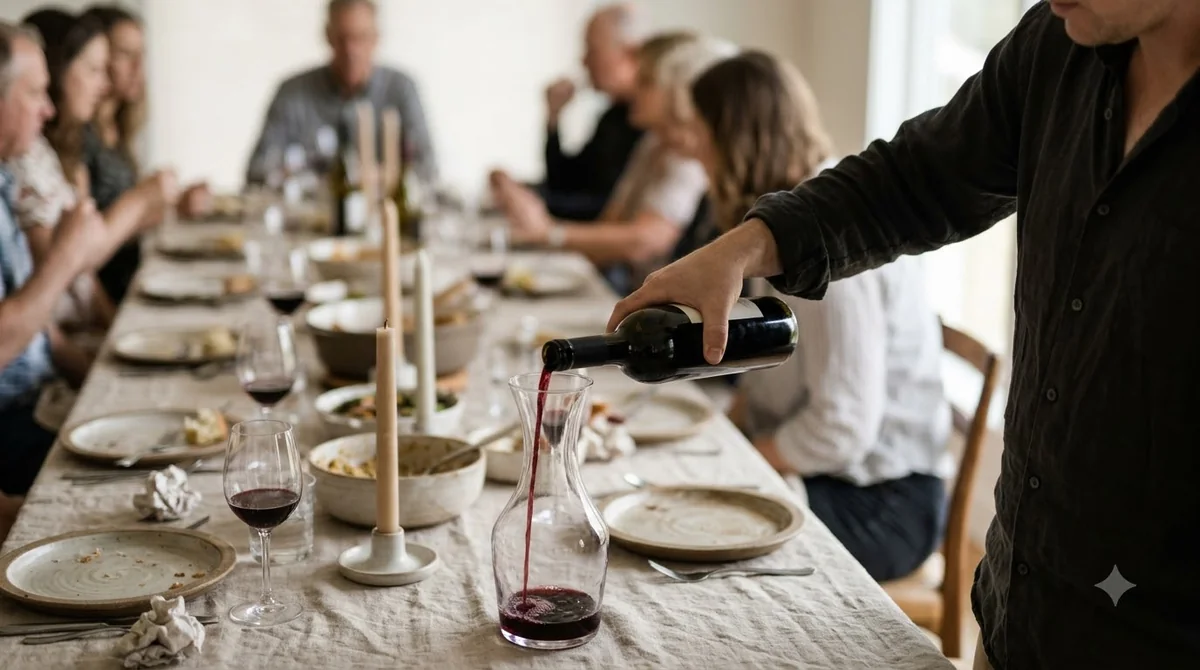
Malbec is the natural starting point for most people exploring the brand. The producer describes ripe black fruits, black pepper, floral aromas, black raspberry, currant, sweet spice and a hint of leather. Its full yet supple mouthfeel gives it a rounded impression rather than the particularly firm structure associated with some Cabernet Sauvignon wines.
One interesting technical detail is that the documented Alamos Malbec blend contains 85% Malbec, 10% Bonarda and 5% Syrah. The production notes also describe a three-day cold soak, fermentation for one week at 85°F and six to eight months of aging in French oak barrels. These details help explain the wine’s combination of dark-fruit concentration and rounded texture.
For a more focused discussion of this bottle, see the Alamos Malbec guide. It is the most useful option to investigate if your primary interest is Argentine red wine with dark fruit, spice and moderate structure.
Alamos Cabernet Sauvignon
Cabernet Sauvignon is the alternative for people who prefer more noticeable tannin and a firmer red-wine structure. Alamos describes dark berry fruit alongside herbal characteristics, vanilla, clove and black pepper. Oak aging contributes additional layers to its flavor profile.
Because Cabernet Sauvignon generally has higher tannin than Malbec, it can work particularly well with fatty cuts of beef, grilled steak and dishes with rich sauces. Salt and fat soften the perception of tannin, helping the wine feel more balanced alongside substantial food.
However, Cabernet Sauvignon may feel more drying than Malbec when served without food. It is not necessarily a better wine; it simply serves a different preference. Choose it if you enjoy structure and a more assertive red rather than selecting it solely because Cabernet Sauvignon is a familiar grape name.
Alamos Selección Malbec
Selección Malbec is worth investigating if the regular Malbec sounds appealing but you want a different level of fruit concentration. The producer describes ripe blackberry, blueberry, juicy plum and cocoa characteristics. This gives the wine a darker and richer flavor direction.
The important distinction is that Selección should be considered its own expression rather than an interchangeable name for the regular Malbec. Its flavor description suggests a wine suited to drinkers who enjoy generous fruit and a more concentrated profile.
For a meal featuring grilled beef, slow-cooked short ribs or a rich mushroom and meat sauce, this style can be an interesting choice. Its fruit intensity makes it a natural candidate for dishes with substantial flavor.
Alamos Chardonnay
Alamos Chardonnay offers a completely different experience from its red wines. Its official description identifies roasted nuts, pineapple, citrus, toasted spice and hints of caramel. A creamy texture and lively finish make it suitable for people who want a fuller-feeling white wine rather than a particularly lean and sharply acidic style.
The producer specifically recommends roasted chicken, almond-crusted halibut, corn chowder and pasta with cream sauce. These suggestions make practical sense because the wine’s texture and flavor can complement richer foods without relying on the tannin structure of a red wine.
Chardonnay is the better direction if the meal features poultry or creamy seafood. It also makes a useful alternative when guests do not enjoy dark-fruit reds.
For a wider overview of the producer’s different offerings, the Alamos wine resource is a useful companion when comparing varieties and expressions.
Common Mistakes When Buying Alamos
The most common purchasing mistakes involve assuming all Alamos bottles taste alike, confusing ripe fruit with sweetness and overlooking the difference between Malbec and Cabernet Sauvignon. Paying attention to these distinctions makes the buying decision much more reliable.
Assuming fruit-forward means sweet
One of the biggest misconceptions about Argentine Malbec is that its intense fruit flavor automatically means the wine is sweet. That is not necessarily the case. Tastings.com describes its reviewed 2024 Alamos Malbec as dry, despite its pronounced black raspberry, roasted fig, chocolate and cola characteristics.
Fruitiness and sweetness are separate characteristics. A dry wine can smell and taste strongly of ripe blackberries, plums and cherries without having a dessert-wine sweetness. This distinction matters if you enjoy bold fruit but prefer a dry finish.
Expecting every Alamos red to have the same structure
Malbec and Cabernet Sauvignon are not interchangeable. Malbec generally offers moderate tannin and a softer impression, whereas Cabernet Sauvignon has higher tannin and a firmer finish. Choosing Cabernet when you want a particularly smooth red may lead to disappointment.
The same issue applies to Selección Malbec. Its richer fruit description makes it a different consideration from the regular Malbec, even though both belong to the same general grape family.
Ignoring the food pairing
A wine can be enjoyable independently but become less satisfying when served with an unsuitable dish. Malbec works well with burgers, grilled beef and meat loaf, while Cabernet Sauvignon is particularly suited to richer meat dishes. Chardonnay has a better role with roasted chicken, corn chowder and creamy pasta.
Another frequent mistake is serving tannic red wine with delicate oily fish. Such combinations can produce an unpleasant metallic impression. For fish dishes, a suitable Chardonnay or another white wine is generally a safer direction than a firm Cabernet Sauvignon.
Buying solely because of the label
Brand recognition is helpful, but it does not replace understanding the bottle. Alamos has multiple varieties, and the distinction between its wines matters more than the fact that they share a producer name.
Check the grape variety and vintage, and consider the intended occasion. Someone looking for a white wine should not purchase Chardonnay simply because a friend recommended Alamos Malbec. The wines serve different purposes.
Expecting a complex cellar wine from every bottle
Alamos is most straightforward to approach as a source of accessible, fruit-focused wines. The brand’s regular Malbec is a practical choice for drinking with food rather than something every shopper should automatically purchase for extended aging.
Drinkers looking for exceptionally layered, collectible or highly age-worthy wines may prefer to compare Alamos with more specialized producers and higher-end Mendoza bottlings. That does not diminish its usefulness as an everyday choice; it simply sets realistic expectations.
Care and Storage Tips for Better Drinking
Proper serving temperature and storage can make a noticeable difference to how Alamos tastes. A few straightforward steps help preserve its fruit character, keep the alcohol from becoming too prominent and maintain freshness after opening.
Serve Malbec and Cabernet Sauvignon slightly cool
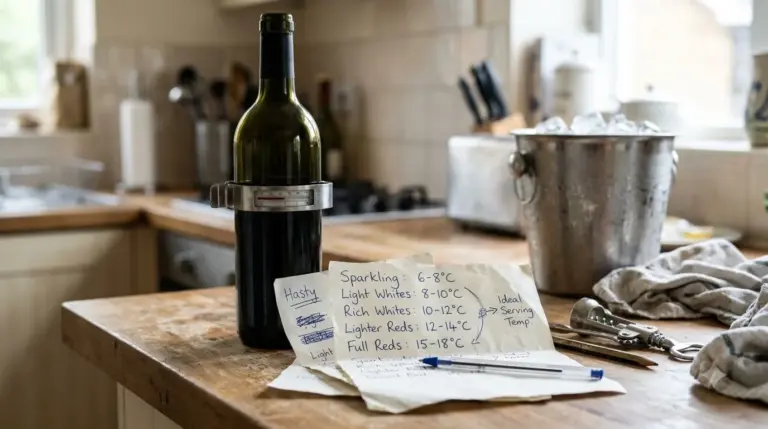
Light red wines are generally best served around 55–60°F, while fuller reds are better around 60–65°F. Alamos Malbec and Cabernet Sauvignon are more naturally suited to the fuller red-wine serving range, although personal preference matters.
Serving a red wine too warm can make alcohol seem more prominent and can reduce the impression of freshness. If the bottle has been sitting in a warm kitchen, a short period in the refrigerator can help bring it closer to the recommended temperature.
For Alamos Chardonnay, use a cooler white-wine serving temperature of approximately 45–50°F if you prefer a fresher impression, or 50–55°F for a fuller white-wine presentation.
Use an appropriate glass and pour
A standard 750 ml bottle contains approximately five standard 5 oz servings. A generously sized red-wine glass gives Malbec and Cabernet Sauvignon room to release their aromas, while a smaller white-wine glass is perfectly suitable for Chardonnay.
There is no need to fill the glass to the top. A moderate pour allows room to swirl the wine and notice its aromas. This is especially useful with Alamos Malbec, where dark fruit, pepper and spice are important parts of the experience.
Store unopened bottles correctly
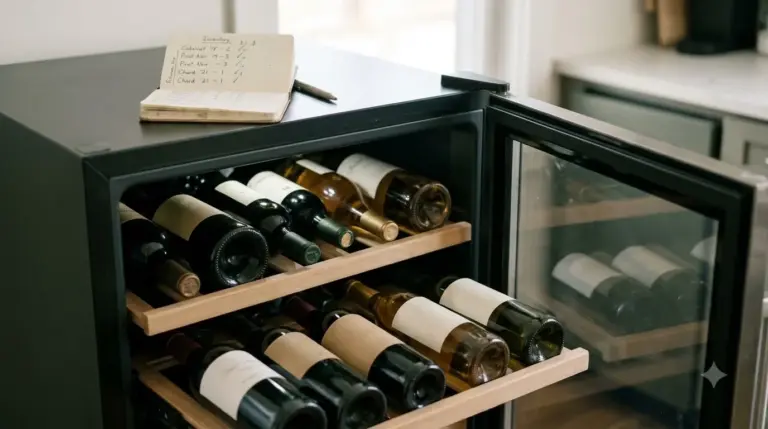
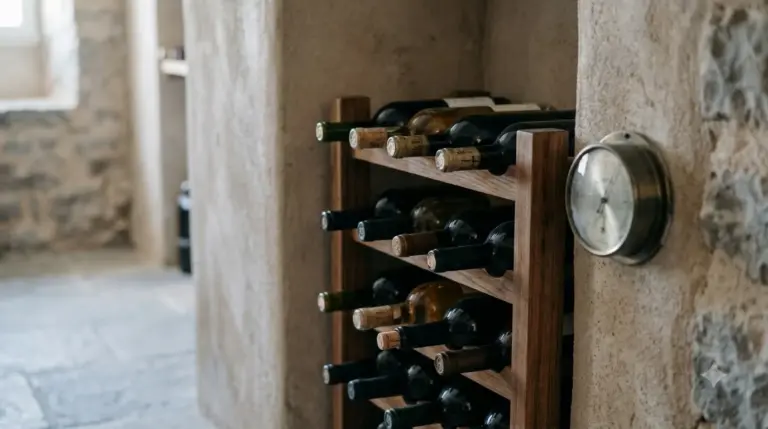
Keep unopened wine in a cool, dark place with a relatively stable temperature. A storage temperature near 55°F is a useful general target. Avoid locations near ovens, radiators, sunny windows or other sources of repeated heat exposure.
If the bottle has a natural cork, storing it on its side helps keep the cork from drying out. Avoid frequent temperature changes because they can affect the wine’s development and condition.
Preserve opened wine
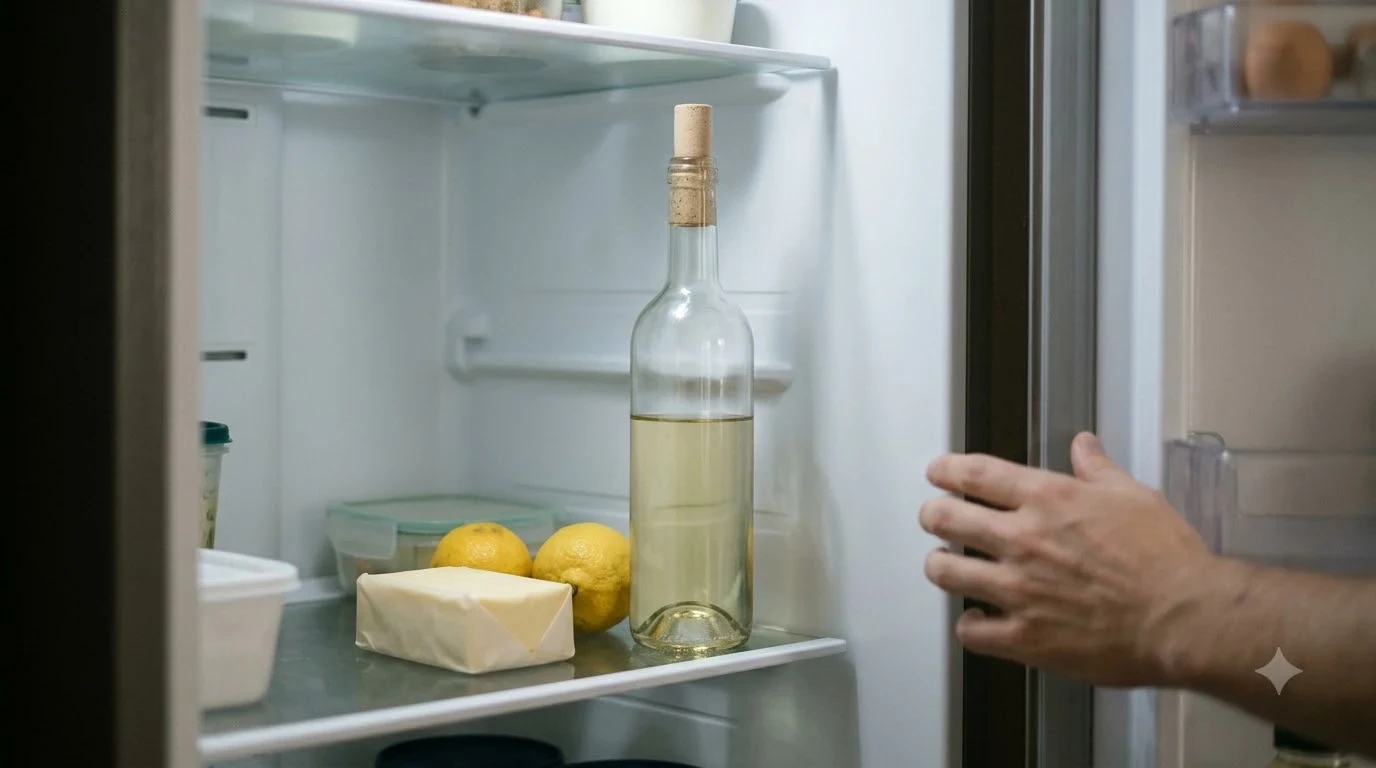
Once opened, reseal the bottle and refrigerate it, including red wine. Most opened still wines retain their best qualities for approximately three to five days, although their aromas and freshness gradually change with exposure to oxygen.
Remove the bottle from the refrigerator shortly before serving if you prefer your red wine warmer. There is no need to leave an opened bottle on the kitchen counter for several hours, especially in a warm room.
For a young, particularly concentrated red, decanting for approximately 30–60 minutes can help soften its initial impression and expose additional aromas. This is optional for everyday Malbec and should depend on the bottle’s structure and your personal preference.
Frequently Asked Questions
Is Alamos wine made in Argentina?
Yes. Alamos is associated with Mendoza in west-central Argentina, where its vineyards benefit from the Andes mountain environment. The brand’s identity is closely connected to Argentine Malbec and the country’s high-altitude winegrowing traditions.
Does Alamos Malbec contain only Malbec grapes?
Not according to the published technical information for the documented Malbec bottling. That blend lists 85% Malbec, 10% Bonarda and 5% Syrah. These proportions describe that particular technical specification rather than establishing a universal recipe for every Alamos Malbec release.
Who makes Alamos wine?
Tastings.com identifies E. & J. Gallo Winery as the producer or importer associated with its reviewed Alamos 2024 Malbec. The official Alamos website identifies Lucía Vaieretti as the brand’s winemaker. These are different roles within the wine’s production and commercial presentation.
Can Alamos Malbec be used for cooking?
Yes. A dry red such as Alamos Malbec can be used in dishes such as beef braises, tomato-based meat sauces and red-wine reductions. Its dark-fruit character makes it particularly suitable for savory recipes featuring beef, onions and herbs. Use a wine you would also be comfortable drinking with the finished meal.
Is Alamos wine suitable for a wine-tasting event?
Yes. Comparing several Alamos varieties can provide a useful introduction to grape differences. A tasting featuring Malbec, Cabernet Sauvignon, Selección Malbec and Chardonnay offers four contrasting styles, including three red-wine expressions and one white. Serve the wines in an appropriate temperature range and use smaller tasting pours so participants can compare them comfortably.
Alamos is a worthwhile choice if you want approachable Argentine wines with expressive fruit, particularly Mendoza Malbec. Its Cabernet Sauvignon, Selección Malbec and Chardonnay provide additional options for different meals and preferences. Start with the regular Malbec if you are new to the brand, then compare the other varieties to find the style that best suits your table.
More in Wine Brands
 Dows Port Review: Choose the Right Style for Your TableUpdated Nov 21, 2026
 Iron Horse Wine Review: Find the Right Sonoma Wine for Every OccasionUpdated Nov 21, 2026
 Hugel Wine Price: Compare Bottles and Find Your Best ValueUpdated Nov 21, 2026
 Infinite Monkey Theorem Wine Review: How to Choose the Right StyleUpdated Nov 21, 2026
 Hampton Water Wine Price: Understand Bottle Costs and ValueUpdated Nov 21, 2026
 Hess Select Wine Price: Compare Bottles and Find Your Best ValueUpdated Nov 21, 2026