

We may earn a commission when you buy through links on this page, at no extra cost to you. Learn more.
The hess select wine price typically ranges from about $10 to $23 for a 750 ml bottle, depending on the varietal, retailer, and availability. Chardonnay and Sauvignon Blanc generally sit toward the lower end of the range, while Cabernet Sauvignon, Pinot Noir, and Treo Red Blend can cost more. Hess Select offers several California red and white wines, making it a practical range to compare when shopping for everyday bottles rather than more expensive reserve selections.
Hess Select is a California wine range designed around approachable varietal wines and a red blend. Its selection includes Cabernet Sauvignon, Pinot Noir, Chardonnay, Sauvignon Blanc, Pinot Gris, and Treo Winemaker’s Red Blend. Understanding the differences between these bottles makes it easier to judge whether a particular price represents reasonable value. This guide examines typical American retail price ranges, the factors behind those differences, and how to choose the right Hess Select wine for your table.
Who Should Compare Hess Select Wine Prices?
Hess Select is worth considering for shoppers who want recognizable California grape varieties without automatically moving into higher-priced premium wine categories. The range includes six distinct wine styles, giving buyers several options for different meals, preferences, and occasions.
Everyday wine drinkers are an obvious audience. Someone looking for a bottle to serve with grilled chicken on a weeknight might prefer Chardonnay, while someone preparing a steak dinner may gravitate toward Cabernet Sauvignon. Rather than paying more for a wine with a specific vineyard designation or a premium collection label, shoppers can start with the accessible California-focused Hess Select range.
It is also useful for people who enjoy exploring different grapes from the same producer. Buying a Chardonnay one week and a Pinot Noir another week creates an opportunity to compare acidity, body, fruit character, and oak influence without changing producers. That can make the selection process more straightforward for people who are still learning which wine styles they enjoy drinking.
Shoppers who are particularly interested in Cabernet Sauvignon may also want to explore the wider Hess red wine selection. Comparing Hess Select with other wines carrying the Hess name helps clarify whether the additional cost of a different collection brings characteristics that matter to the buyer.
However, Hess Select may not be the first choice for someone specifically seeking a single-vineyard Napa Valley Cabernet Sauvignon, a rare collectible vintage, or a wine intended for extended cellar aging. Its central appeal is accessibility across several California varietals, not exclusivity.
Key Factors That Determine Hess Select Wine Price
The grape variety, retailer, bottle size, and individual wine’s production style are the most useful factors to compare. A bottle’s label can also identify a different regional designation, which matters when comparing two wines that otherwise appear similar.

Grape variety and style are important starting points. Chardonnay and Sauvignon Blanc are generally among the more affordable choices in this range. Cabernet Sauvignon and Pinot Noir can sit higher, while Treo Red Blend occupies another position in the selection. These differences do not automatically mean one wine is better than another; they reflect distinct wines with different consumer demand and positioning.
Retailer and location also influence the amount a shopper pays. Online wine listings, supermarket shelves, and independent wine stores do not necessarily use the same pricing. State alcohol regulations, distribution arrangements, shipping costs, and local availability can all affect the final purchase amount. Prices vary by state and retailer.
Bottle size and vintage should be checked before comparing listings. A standard 750 ml bottle is the most useful reference point because it allows a direct comparison between the commonly stocked Hess Select wines. Different vintages may also appear at different prices, especially when a retailer is transitioning between releases.
Winemaking choices can influence the character of a wine even when the bottle belongs to the same collection. For example, Target’s Hess Select Chardonnay product information specifies that 70% is aged in stainless steel and 30% in new French oak. This combination gives the wine a balance between freshness and oak influence. The same retailer identifies the Chardonnay as a California wine associated with Monterey and lists its alcohol content at 13.5% ABV.
The following table summarizes the practical comparisons shoppers can make. Bottle formats and varietal selections are based on the producer’s collection and retailer listings, while the price ranges represent typical US retail shopping estimates rather than guaranteed prices.
| Hess Select wine | Typical US price range | Style | Useful buying consideration |
|---|---|---|---|
| Chardonnay | About $10–$15 | White, medium-bodied | Fresh fruit with measured oak influence |
| Sauvignon Blanc | About $11–$16 | White, refreshing | Suitable for seafood and salads |
| Pinot Gris | About $13–$18 | White, light to medium-bodied | A versatile alternative to Chardonnay |
| Cabernet Sauvignon | About $13–$18 | Red, structured | Compare regional designation and vintage |
| Pinot Noir | About $18–$23 | Red, lighter-bodied | Consider acidity and softer tannins |
| Treo Red Blend | About $16–$22 | Red blend | Useful for shoppers who prefer blended reds |
These are approximate shopping ranges for standard 750 ml bottles, not official suggested retail prices. Retailer listings from Total Wine’s Hess Select Chardonnay listing provide a useful reference for the white-wine category, while Target and independent retailers provide additional comparisons. Prices vary by state and retailer.
For the most reliable comparison, look at the same varietal, bottle size, and vintage across multiple sellers. A Chardonnay listing should not be compared directly with a Cabernet Sauvignon listing simply because both carry the Hess Select name.
Step-by-Step: How to Find the Right Hess Select Bottle
A good purchase starts with the wine style you want, followed by a comparison of the actual bottle and its retail price. Working through a few simple steps can prevent confusion between similarly named Hess wines and help identify better value.
-
Choose red or white wine.
Start by deciding what you intend to serve. For a seafood dinner or a lighter lunch, consider Chardonnay, Sauvignon Blanc, or Pinot Gris. For a beef dish, roasted vegetables, or a richer meal, compare Cabernet Sauvignon, Pinot Noir, and Treo Red Blend.
-
Select a grape variety.
Think about the flavor and structure you prefer. Cabernet Sauvignon generally has higher tannin and a firmer structure. Pinot Noir has lower to medium tannin and higher acidity. Chardonnay is typically medium in acidity, while Sauvignon Blanc is known for higher acidity.
-
Compare the bottle size.
Use a standard 750 ml bottle as your reference. This is the common format appearing across the Hess Select retail listings, and it provides a consistent basis for comparing prices between stores.
-
Check the regional designation.
Hess Select includes California-designated wines, while some retailer listings identify a more specific area such as Monterey or the North Coast. Make sure the regional description matches the wine you intend to purchase.
-
Compare at least two retailers.
Look at stores such as Target, Total Wine, and independent sellers. Compare the regular listed prices rather than assuming that a lower displayed amount represents the same vintage, availability, or bottle size.
-
Consider the occasion.
A bottle for a casual dinner does not need the same characteristics as one selected for a formal meal. Chardonnay can work well with grilled chicken, while Cabernet Sauvignon is a natural candidate for a beef-centered menu. Choose according to the food and the people drinking it.
-
Complete the purchase based on value.
Once the grape, bottle size, and vintage are comparable, consider whether the price fits your expectations. A modest difference in cost may be worthwhile if a particular style better matches your preferences.
One useful approach is to compare two different Hess Select wines before purchasing several bottles of one variety. A Chardonnay and a Sauvignon Blanc, for example, provide a clearer understanding of the range’s white-wine styles than buying two bottles of the same wine immediately.
Tip: Compare the exact varietal and 750 ml format before judging whether a Hess Select bottle is expensive. A $15 Cabernet Sauvignon and a $12 Chardonnay serve different wine preferences, so the difference in price alone does not establish which one offers better value.
Types of Hess Select Wines Explained
Hess Select includes several recognizable grape varieties alongside a red blend. Each style offers a different balance of fruit, acidity, tannin, and body, so the most suitable bottle depends on what you enjoy drinking.
Chardonnay
Chardonnay is a sensible starting point for shoppers looking for a versatile white wine. The Hess Select version has a California designation, and Target identifies Monterey as the region associated with its listing. Its product information specifies a 70% stainless-steel and 30% new French-oak aging split, together with 13.5% alcohol by volume.
Flavor descriptions from Luekens Liquors include grilled pineapple, peach, and Golden Delicious apple. These fruit characteristics make the wine an option for grilled chicken, seafood, and creamy dishes. The oak component adds another dimension without making the wine simply an overtly heavy, buttery Chardonnay.
Retail pricing generally falls around $10 to $15 per 750 ml bottle. Listings from Target and Total Wine provide reference points for this approximate range, although individual vintages and local availability can change the amount charged. Prices vary by state and retailer.
Cabernet Sauvignon
Hess Select Cabernet Sauvignon is a red-wine option for shoppers who prefer a firmer structure. Cabernet Sauvignon generally has higher tannin than Pinot Noir or Merlot, making it particularly suitable for dishes with substantial protein and fat.
The producer lists a California Cabernet Sauvignon, while A1 Wine & Spirit separately identifies a North Coast Cabernet Sauvignon. These designations should not be treated as interchangeable with the Napa Valley wines from the Hess Collection. They indicate different product identities within the wider Hess portfolio.
For a standard 750 ml Hess Select Cabernet Sauvignon, a typical US shopping range is approximately $13 to $18, based on retailer listings from A1 Wine & Spirit and other sellers. Prices vary by state and retailer. Shoppers should compare the regional designation and vintage rather than assuming that all bottles with the Hess name represent the same wine.
Pinot Noir
Pinot Noir offers a different red-wine experience. Compared with Cabernet Sauvignon, it generally has lower to medium tannin and higher acidity. This makes it a useful choice for people who prefer a red wine with less pronounced tannic grip.
The Hess Select range includes California Pinot Noir, and the producer lists a 2023 release. It can be considered for roasted poultry, mushroom dishes, salmon, and other foods that benefit from a lighter red. Its acidity also makes it more adaptable than a highly tannic red when the meal contains delicate ingredients.
Typical US retail shopping estimates for Hess Select Pinot Noir fall around $18 to $23 for a 750 ml bottle. Retailer availability can be less consistent than for Chardonnay or Cabernet Sauvignon, so the price may vary more noticeably between locations. Prices vary by state and retailer.
Sauvignon Blanc
Sauvignon Blanc is a useful choice for shoppers who like lively acidity and refreshing white wines. It generally has higher acidity than Chardonnay, making it a good candidate for seafood, salads, and dishes containing citrus or fresh herbs.
The producer lists a 2024 Hess Select Sauvignon Blanc from California. A1 Wine & Spirit also lists the varietal in its Hess selection, making it one of the identifiable white-wine choices in the retail range.
A typical US retail range is about $11 to $16 for a 750 ml bottle, based on retailer listings from A1 Wine & Spirit and other US sellers. Prices vary by state and retailer. Its appeal is primarily its refreshing style and versatility rather than the oak influence associated with some Chardonnay wines.
Pinot Gris and Treo Red Blend
Pinot Gris provides another white-wine option for shoppers who want an alternative to Chardonnay and Sauvignon Blanc. The producer lists a 2024 Hess Select Pinot Gris from California. It is worth comparing for meals involving seafood, light pasta, and vegetables.
Treo Winemaker’s Red Blend offers a different route for red-wine drinkers who prefer a blend rather than a single-varietal Cabernet Sauvignon or Pinot Noir. The producer lists a 2021 California release, and A1 Wine & Spirit carries the Treo label in its selection. Its general price positioning tends to be above the most affordable white-wine choices.
For shoppers, the practical distinction is simple: Pinot Gris broadens the white-wine selection, while Treo gives red-wine drinkers another option beyond individual grape varieties. Both are useful comparisons when selecting a bottle for a particular meal or occasion.
Common Mistakes When Comparing Hess Select Prices
Price comparisons become misleading when shoppers overlook differences in varietal, regional designation, vintage, or collection. A little attention to the label and retailer description can prevent several common buying mistakes.
Confusing Hess Select with Hess Collection is one of the most important errors to avoid. Both names belong to the wider Hess wine portfolio, but they do not identify identical products. A1 Wine & Spirit, for example, lists Hess Select North Coast Cabernet Sauvignon separately from Hess Collection Allomi Napa Valley Cabernet Sauvignon. They should be compared as different wines, not as two prices for the same bottle.
Another mistake is comparing Cabernet Sauvignon with Chardonnay solely on the basis of their prices. These wines have different production characteristics, flavor profiles, and food-pairing uses. A shopper who prefers a structured red wine may not consider a less expensive Chardonnay a suitable replacement.
It is also easy to mistake an individual retailer’s listing for a universal market price. One shop may have a different vintage from another, and a store’s inventory may be limited. A price that appears lower may reflect a particular local market or a specific bottle rather than a consistent national price.
Ignoring regional descriptions can also cause confusion. California is a broad designation, while Monterey and North Coast identify more specific regional associations. Those differences matter when comparing two Cabernet Sauvignon or Chardonnay listings.
Finally, do not assume that the most expensive Hess Select bottle is automatically the best choice. A higher price can reflect grape variety, retailer pricing, availability, or positioning. It does not necessarily mean that the wine will better suit an individual drinker’s palate.
For a broader look at the producer’s selections, the Hess Select wine range is a useful reference point. Comparing it with the wider Hess wine selection can help distinguish the everyday collection from other offerings.
Care and Storage Tips for Hess Select Bottles
Proper storage and serving temperatures can make a noticeable difference to the drinking experience. Even an affordable California wine benefits from stable storage conditions and a suitable serving temperature.
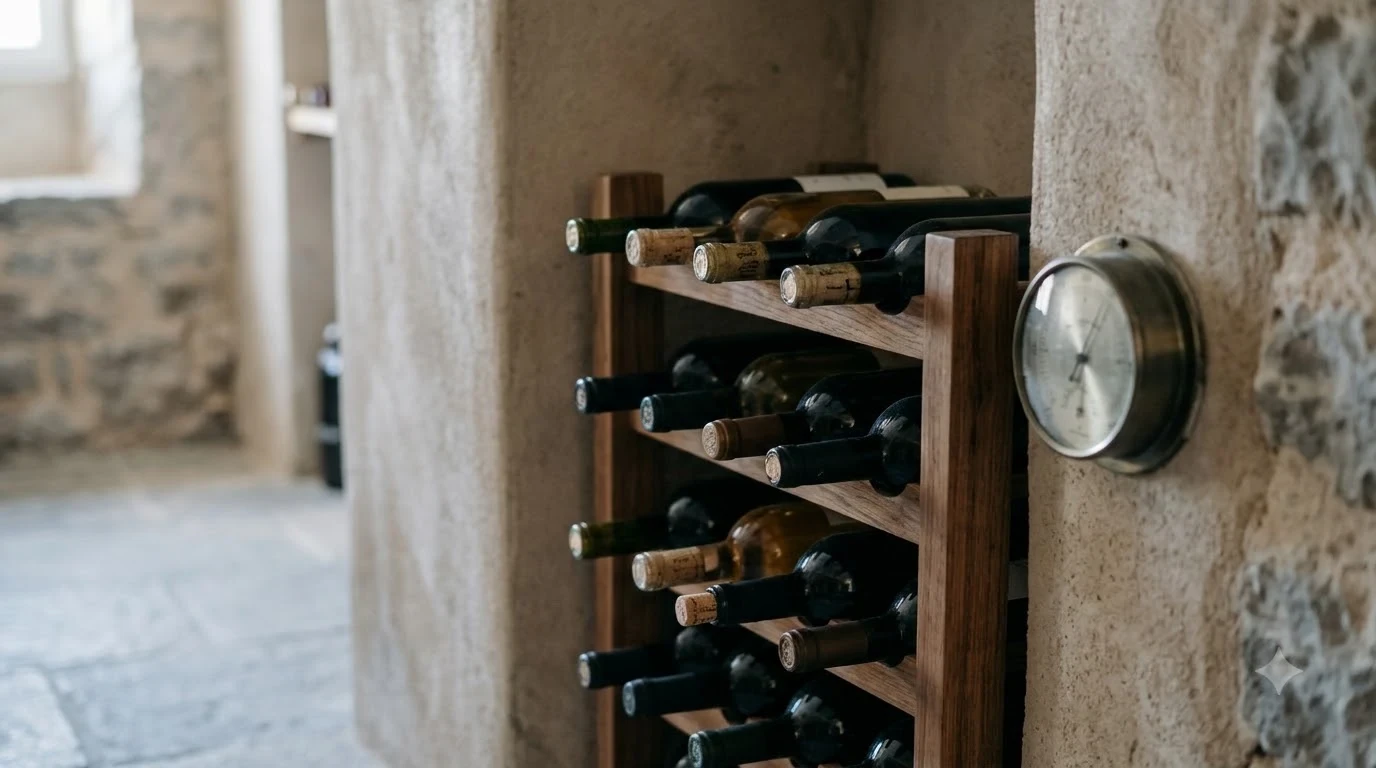
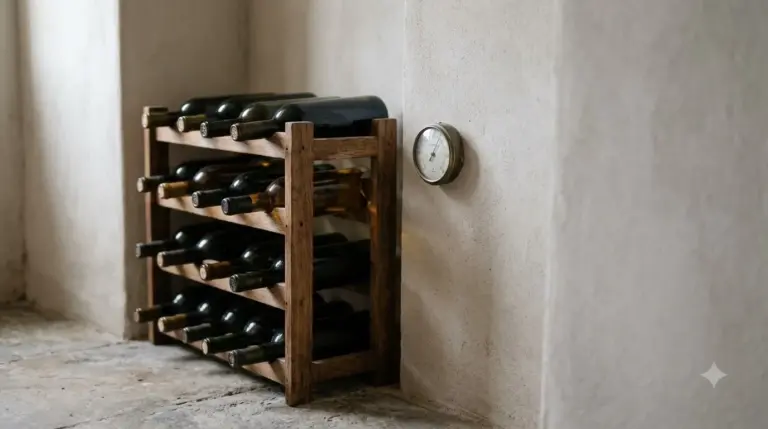
Store unopened bottles consistently. A temperature near 55°F is a useful general target for wine storage. Avoid leaving bottles in a hot kitchen, near a sunny window, or in a vehicle where temperatures can fluctuate significantly. Bottles with natural cork closures are generally best stored on their sides so the cork remains in contact with the wine.
Serve whites at suitable temperatures. Hess Select Chardonnay, Sauvignon Blanc, and Pinot Gris are generally best served around 45–50°F if they are light-bodied whites, with fuller Chardonnay styles often more enjoyable around 50–55°F. Serving white wine excessively cold can mute its aroma and make its texture less expressive.
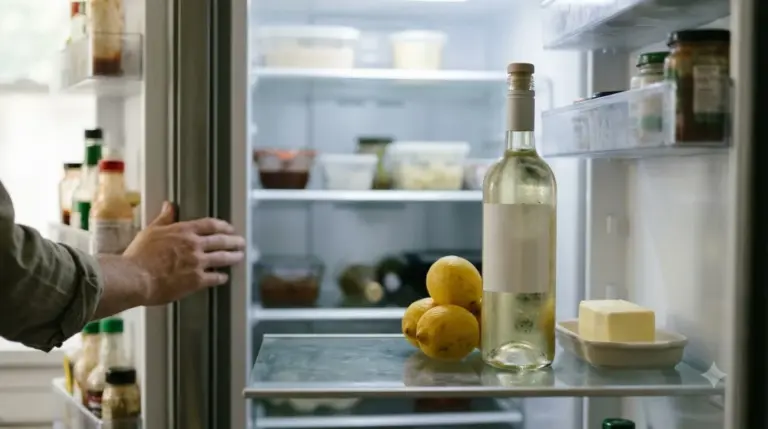
Serve reds slightly cool. Cabernet Sauvignon and Treo Red Blend are better served around 60–65°F than at the warmer temperatures common in many homes. Pinot Noir is generally more enjoyable around 55–60°F. A short period in the refrigerator can help bring a room-temperature bottle closer to the desired range.
Use an appropriate glass and pour. A standard 750 ml bottle provides approximately five 5 oz glasses. A larger glass can help expose the aromas of Cabernet Sauvignon and Pinot Noir, while a medium-sized white-wine glass works well for Chardonnay and Sauvignon Blanc.
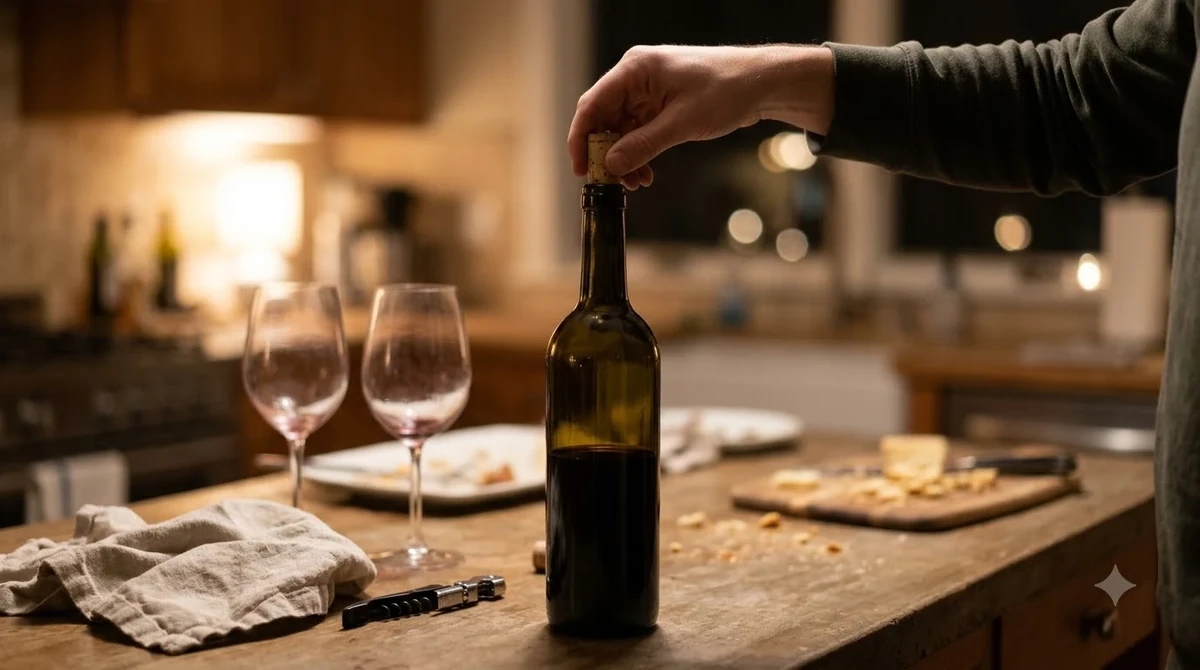
Refrigerate opened bottles. Once opened, reseal the bottle and keep it refrigerated, including red wines. Most still wines are best consumed within approximately three to five days after opening. Their fruit character and freshness can decline as oxygen exposure increases.
For younger, fuller-bodied Cabernet Sauvignon, decanting for approximately 30–60 minutes can help soften the initial impression and allow the wine to open up. This is optional rather than essential for every bottle, and lighter Pinot Noir generally does not need the same treatment.
These simple practices help preserve the character of the wine. They are particularly useful when buying several different Hess Select varieties and opening them on separate evenings rather than finishing every bottle at once.
Frequently Asked Questions
Is Hess Select the same as Hess Collection?
No. Hess Select and Hess Collection are separate wine ranges within the wider Hess portfolio. For example, Hess Select includes California-designated wines, while Hess Collection also offers wines carrying specific Napa Valley and Allomi designations. The name on the bottle is important when comparing products.
How many glasses are in a standard Hess Select bottle?
A standard 750 ml bottle contains approximately five servings when poured at 5 oz each. The actual number of pours depends on glass size and serving habits. A 750 ml bottle is also the common format used in the Hess Select retail listings discussed in this guide.
Does Hess Select Chardonnay contain oak influence?
Yes. Target’s product information identifies a blend of 70% stainless-steel aging and 30% new French-oak aging for the listed Hess Select Chardonnay. This approach combines fresh fruit characteristics with some oak-derived texture and flavor. The specific proportions refer to that retailer’s listed product description.
Which Hess Select wine is suitable for a vegetarian dinner?
Chardonnay, Sauvignon Blanc, and Pinot Gris can work with vegetable dishes, salads, and mushroom-based meals. Pinot Noir is another option for roasted mushrooms and vegetable dishes with earthy flavors. The best pairing depends on the ingredients, sauce, and intensity of the meal rather than the wine’s price alone.
Does Hess Select offer wines from individual California regions?
Yes. Although the producer’s collection includes several California-designated wines, retailer listings also identify more specific regional descriptions. Examples include Monterey for Hess Select Chardonnay and North Coast for Hess Select Cabernet Sauvignon. These distinctions can help shoppers identify the particular bottle they are comparing.
Hess Select offers a varied collection of California wines, with Chardonnay and Sauvignon Blanc generally providing accessible white-wine choices and Cabernet Sauvignon, Pinot Noir, and Treo giving red-wine drinkers several alternatives. Comparing the same varietal, vintage, and 750 ml bottle across retailers is the most reliable way to assess value. The right choice is ultimately the bottle whose style, quality expectations, and price fit the occasion.
More in Wine Brands
 Weinbach Wine Price: Compare Alsace Wines and Find the Right BottleUpdated Nov 21, 2026
 Trimbach Wine Price: Compare Styles and Bottle CostsUpdated Nov 21, 2026
 Wolf Blass Wine Review: How to Choose the Right BottleUpdated Nov 21, 2026
 Vina Sol Wine Price: What to Expect and How to BuyUpdated Nov 21, 2026
 Villa Maria Wine Price: Compare Bottles and Find Better ValueUpdated Nov 21, 2026
 Underwood Wine Review: How to Pick the Right Bottle or CanUpdated Nov 21, 2026