

We may earn a commission when you buy through links on this page, at no extra cost to you. Learn more.
Hess wine comes from the Hess Collection, a Napa Valley winery founded in 1978 by Donald Hess on the steep slopes of Mount Veeder. The estate makes Cabernet Sauvignon, Chardonnay, Malbec and red blends from its own vineyards on the mountain and in other parts of Napa Valley. Its wines are generally described as elegant, vibrant and balanced, and the range spans several product lines, from the core Hess Collection bottlings to more specialized series.
This guide explains where Hess wine comes from, what the main styles are, how to tell the product lines apart and how to serve and pair the wines. It draws on the estate’s own about page and on general information about Napa Valley winemaking.
Where Hess wine comes from
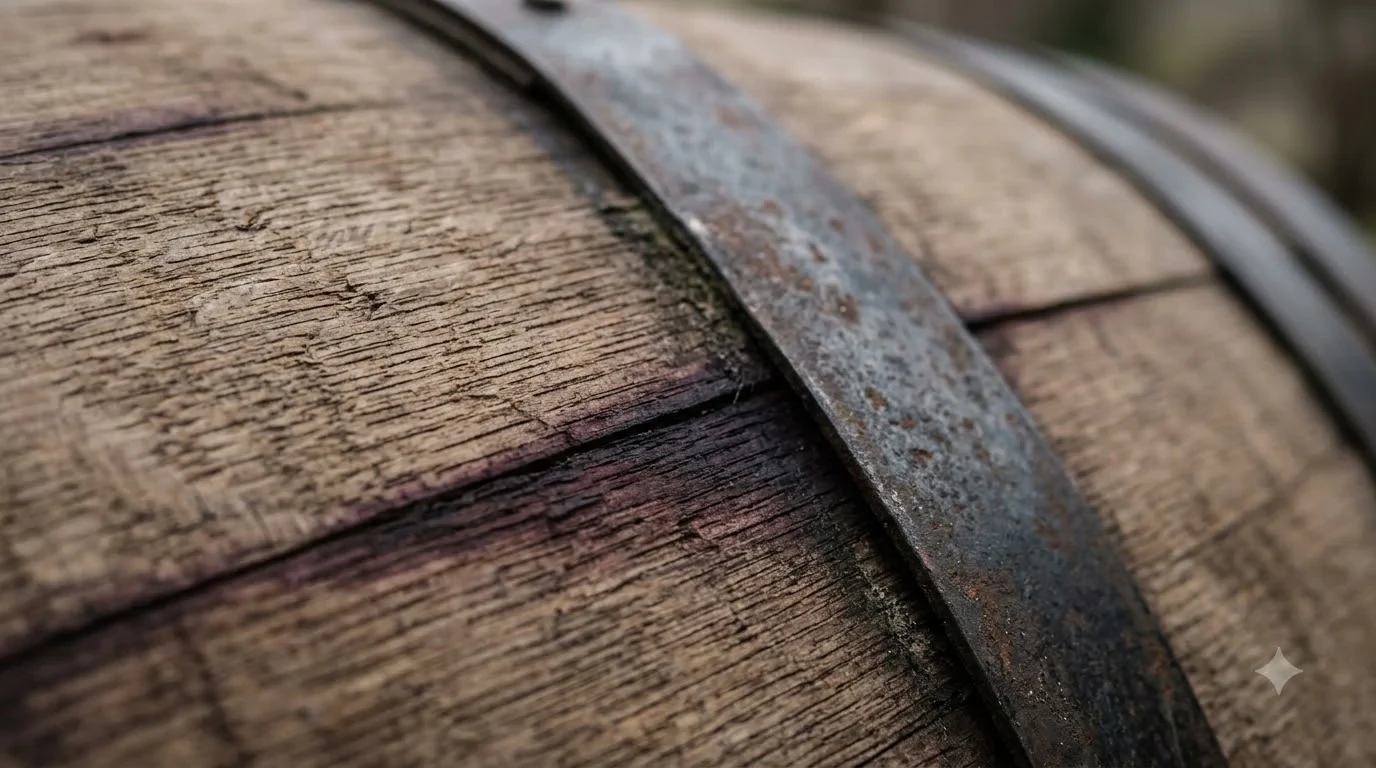
The Hess Collection was founded by Donald Hess, who established the winery on the steep slopes of Mount Veeder in the Napa Valley. According to the estate, Hess was a pioneer who wanted to make wine at elevation, and the mountain site remains central to the brand’s identity. Mountain vineyards like these tend to sit above the valley fog line and receive different temperatures and sun exposure than vineyards on the valley floor, which can influence how the grapes ripen and how the wines develop.
The winery’s wines are not made from Mount Veeder fruit alone. The estate says its wines come from estate vineyards on Mount Veeder and from other parts of Napa Valley, so the brand combines a single signature site with fruit from elsewhere in the valley. That mix gives the winemaking team a range of sites to blend from, while keeping the mountain character at the heart of the portfolio.
The product lines and what they cover
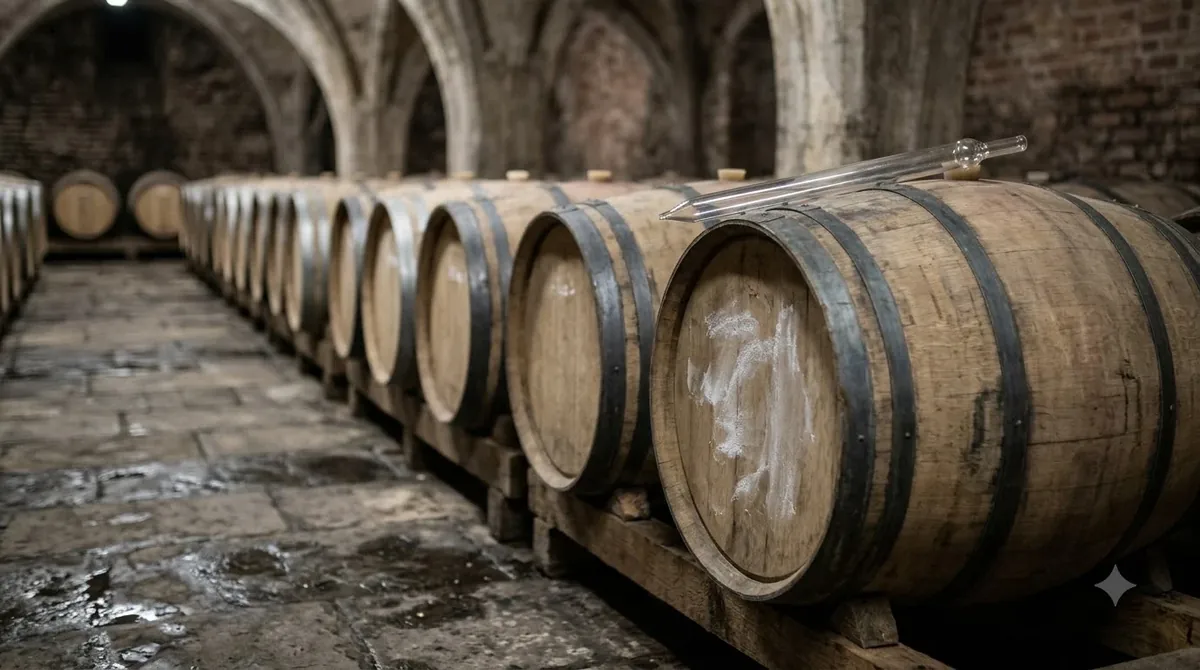
Hess uses several product names, and shoppers often find them mixed up on a shelf. The estate’s about page lists the Hess Collection, Lion Tamer, Panthera, the Small Block Series and Hess Maverick Ranches as part of its portfolio. Each line has a slightly different focus, so it helps to know which one you are looking at before you choose a bottle.
| Product line or variety | What the estate describes | Good with |
|---|---|---|
| Napa Valley Cabernet Sauvignon | Structured red with depth, sourced from estate and valley vineyards | Ribeye, lamb, aged cheeses |
| Chardonnay | Elegant and balanced white with texture and freshness | Roast chicken, seafood, creamy pasta |
| Malbec | Dark, fruit-driven red with a softer, more approachable profile | Grilled sausages, burgers, roast vegetables |
| Red blends | Blended reds designed for balance across several varieties | Braised dishes, pasta with tomato sauce |
The table above reflects the varieties and styles named on the estate’s about page. Exact bottlings, vintages and reserve releases change from year to year, so the label on the bottle is always the best guide to what is inside.
Who makes Hess wine today
The estate’s senior winemaker is Stephanie Pope, and the team aims for wines that are elegant, vibrant and balanced. Those three words describe the house approach: the wines tend to avoid excessive weight or heavy handling, and the goal is for fruit, structure and acidity to work together. That approach suits diners who want a red with real presence but without the heaviness some Napa Cabernets can carry.
The winery also highlights its sustainability work. Its estate vineyards are certified sustainable by the California Sustainable Winegrowing Alliance, a state program that covers vineyard practices such as soil management, water use and habitat. For many buyers, that certification is an additional reason to look at the estate’s wines.
How to serve and pair Hess wine
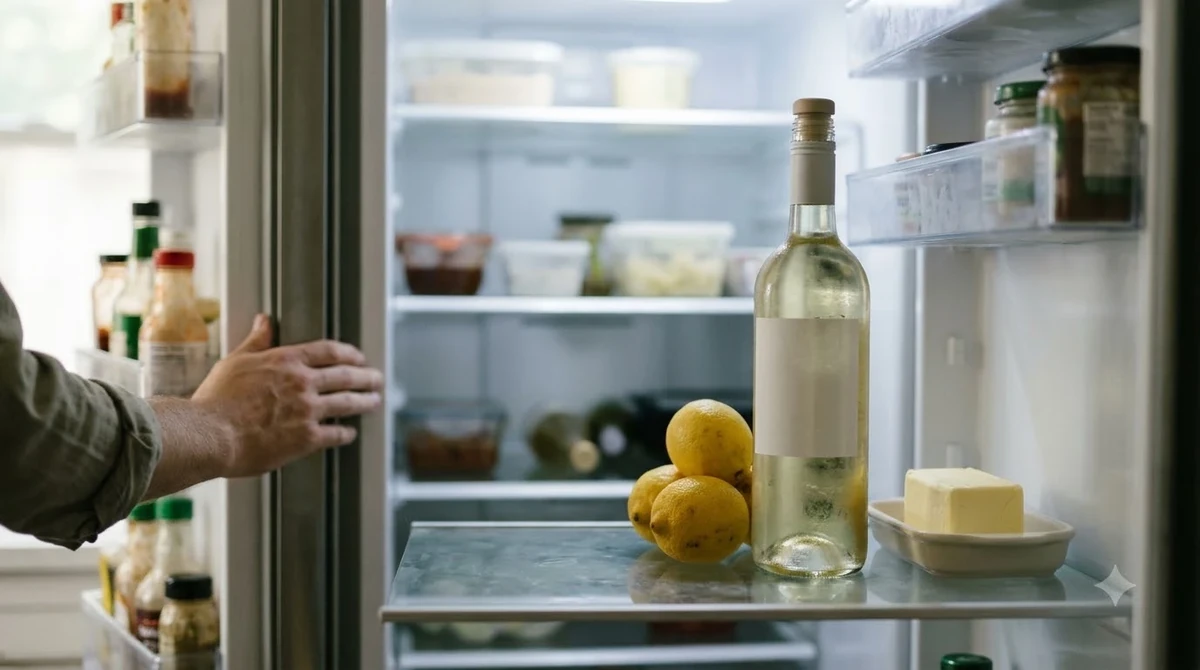
Serving temperature matters with these wines. Cabernet Sauvignon and Malbec show best when they are slightly cooler than room temperature, and a short rest in the refrigerator before pouring can help the structure settle. Chardonnay should be chilled, but not so cold that its texture and aromas are muted, so take the bottle out a few minutes before serving.
Pairing follows familiar patterns. Cabernet Sauvignon fits ribeye, lamb and hard aged cheeses, because its structure stands up to rich meat. Malbec works well with grilled sausages, burgers and roasted vegetables, since its dark fruit and softer tannins suit smoky, savory food. Chardonnay pairs with roast chicken, seafood and creamy pasta, and the wine’s freshness keeps richer sauces from feeling heavy.
Decanting is most useful for young Cabernet Sauvignon, because it can soften tannins and open the fruit. Older bottles are usually better poured gently with little or no decanting, which keeps delicate aromas intact.
How to choose a Hess bottle
Start with the meal. If you are planning a red-meat dinner, a Napa Cabernet from the core range is a natural choice. For a lighter menu or a mixed table, the Chardonnay gives a polished white that works across courses. The Malbec is a good option when you want a red that is easier to drink with casual food, and red blends can be a practical choice when guests have different tastes.
Consider the product line as well as the variety. The names on the label reflect different levels of focus and presentation, so reading the front of the bottle and the vintage will help you understand what you are buying. If you are unsure, ask the seller to recommend a bottle that matches the food you plan to serve.
Storing Hess wine at home
Keep bottles in a cool, dark place with steady temperature, lying on their side if they are sealed with cork. Avoid heat and direct sunlight, which can dull the fruit and speed up aging. Once opened, reseal reds and refrigerate whites, and drink them within a few days for the best flavor. Young reds are generally best enjoyed within a few years of release, while well-made Cabernet can develop over a longer period.
What the mountain setting means for the wines
Mount Veeder sits on the western side of Napa Valley, and its vineyards are known for steep, rocky slopes that are very different from the flat valley floor. Growers who work on mountain sites often describe smaller crops, thicker skins and wines with firmer structure, though the exact effect depends on the vineyard, the vintage and the variety. For Hess, the mountain is the founding idea behind the brand, which is why the estate continues to put Mount Veeder at the center of its story.
Elevation also changes how the day and night feel to the vines. Warm afternoons and cooler nights help the grapes keep their acidity while still developing ripe fruit, a balance that many winemakers look for in a Cabernet. That balance is one reason mountain Cabernet is often discussed alongside the valley’s most structured reds.
The estate’s use of other valley sites adds a second layer. Blending fruit from different locations gives the team more choices in each vintage, so a bottle can show both the mountain character and the broader Napa profile. Tasting several releases from the same producer is an easy way to see how that mix shows up in the glass.
For a buyer, the practical takeaway is simple. Mountain-grown wines often reward patience, and the label’s vintage and product line will tell you how the wine was made and how much time it may need before it is ready. Checking those details before you buy helps you match a bottle to the moment you have in mind.
Frequently Asked Questions
Where is Hess wine made?
The Hess Collection was founded on the slopes of Mount Veeder in the Napa Valley of California. The estate says its wines come from its own vineyards on Mount Veeder and from other parts of the valley.
Who founded the Hess Collection?
Donald Hess founded the winery in 1978. According to the estate, he wanted to make wine at elevation on the steep slopes of Mount Veeder.
What kind of wine does Hess make?
The estate makes Napa Valley Cabernet Sauvignon, Chardonnay, Malbec and red blends. Its product lines include Hess Collection, Lion Tamer, Panthera, Small Block Series and Hess Maverick Ranches.
What food goes with Hess Cabernet Sauvignon?
Ribeye, lamb and aged hard cheeses are classic partners for a Napa Cabernet. Its structure pairs well with rich, savory dishes.
If you are comparing styles, the barefoot wine and stella rosa wine guides cover lighter, everyday choices, and the la marca prosecco guide offers a sparkling alternative for lighter occasions. The wine brands guide places premium estates like Hess in the wider context of the market.
The estate’s own background and product information are on the Hess Persson Estates about page, which covers the Hess Collection’s history and current winemaking team.
More in Wine Brands
 Underwood Wine Price: Compare Bottles, Cans, and Pack SizesUpdated Nov 21, 2026
 Zenato Wine Price: Compare Styles and Choose the Right BottleUpdated Nov 21, 2026
 Zuccardi Wine Price: Compare Bottles and Find the Right RangeUpdated Nov 21, 2026
 Yellow Tail Moscato Review: Taste, Sweetness and Serving TipsUpdated Nov 21, 2026
 Wolf Blass Yellow Label Review: Choose Your Best StyleUpdated Nov 21, 2026
 Wolffer Estate Rose Review: Choose the Right Bottle for Your TableUpdated Nov 21, 2026