

We may earn a commission when you buy through links on this page, at no extra cost to you. Learn more.
Alamos Malbec is an approachable, fruit-forward red from Mendoza, Argentina, made by Bodega Catena Zapata as its entry-level Malbec. Most reviewers describe dark plum and blackberry flavors, soft tannins and a hint of spice, with a lighter body than the winery’s premium bottlings. It is a practical choice for an everyday red that still shows the character of Argentine Malbec.
Malbec has become one of the most recognizable red grapes in the world, and Argentina is where it found its strongest identity. Alamos sits at the accessible end of that story. This guide explains what the wine tastes like, where its grapes come from, how to serve it and what to eat with it, so you can decide whether it fits the bottle you have in mind.
What Alamos Malbec Is
Alamos is the value line from Bodega Catena Zapata, one of the best-known wineries in Argentina. The estate traces its roots to 1902, when Nicola Catena founded the business, and the family still runs it today. The Alamos label was built to give drinkers a consistent, easy-drinking Malbec that reflects the Mendoza style without the more intensive vineyard and barrel work of the winery’s flagship wines.
Because the wine is positioned as a daily drinker, it appears in many restaurants and wine shops as a reliable house red. Vintages vary a little from year to year, so the bottle in front of you may show slightly different fruit or oak than an older or newer release.
Flavor Profile and Style
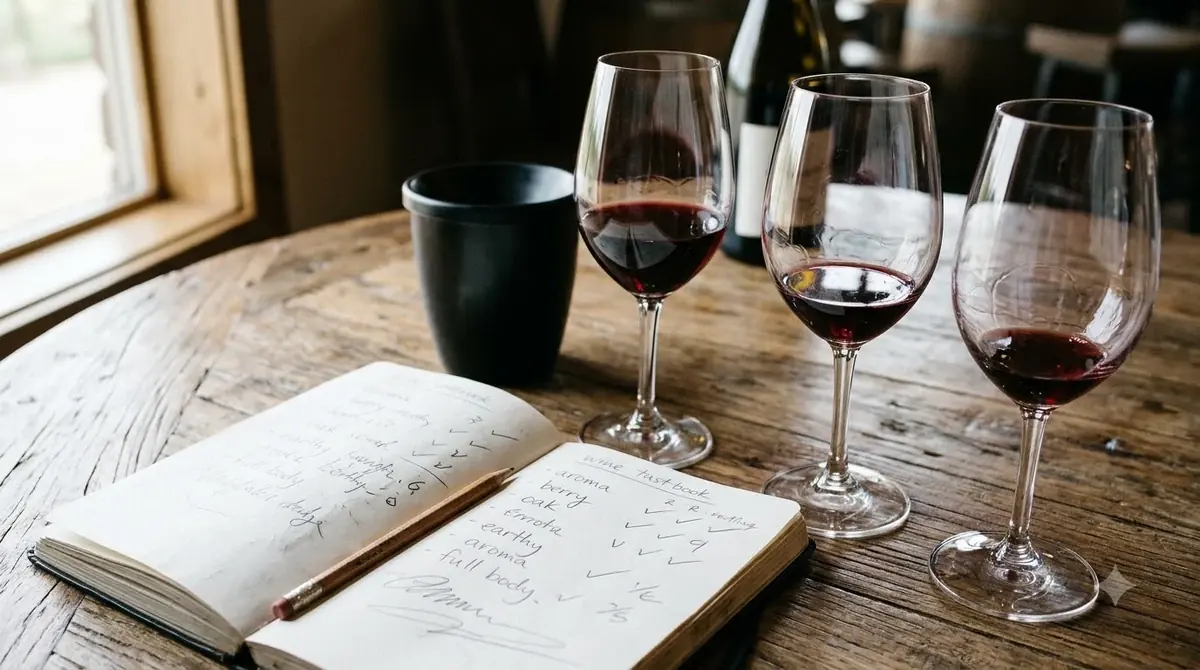
Tasting notes for Alamos Malbec tend to focus on the same core qualities across vintages. The fruit leads, with plum, blackberry and dark cherry at the front, followed by a touch of baking spice, violet and vanilla when the wine has seen oak. The tannins are generally described as smooth rather than grippy, which makes the wine easy to drink on its own.
Reviewers do not fully agree on body. Some find the wine medium-bodied and rounded, while others consider it lighter than a premium Malbec from a high-altitude vineyard. That split is useful to know: if you want a bold, dense red, you may want a step up in the Catena lineup. If you want a juicy red that is not heavy, Alamos is usually the better match.
| Aspect | What to expect |
|---|---|
| Primary fruit | Plum, blackberry, dark cherry |
| Secondary notes | Spice, vanilla, violet, herbs |
| Tannin | Soft and silky in most vintages |
| Body | Medium, lighter than premium Malbec |
| Finish | Moderate, with dried fruit and spice |
Where the Grapes Come From
The fruit for Alamos comes from Mendoza, the region that produces most of Argentina’s wine. Malbec does especially well there because the high-altitude vineyards get strong sun by day and cool nights, which helps the grapes keep their acidity while building ripe flavor. The Catena family has long farmed vineyards in Luján de Cuyo, and its holdings extend into the Uco Valley, where the altitude is higher and the soils are different.
The winery’s flagship Adrianna vineyard in Gualtallary sits at roughly 1,450 meters, which helps explain why Catena’s premium Malbecs are often described as more structured. Alamos draws on a broader blend of vineyard sources, which gives it a softer, more generous style. For a deeper look at the winery itself, the Catena Zapata entry on Wikipedia covers its history and vineyards.
How to Serve Alamos Malbec
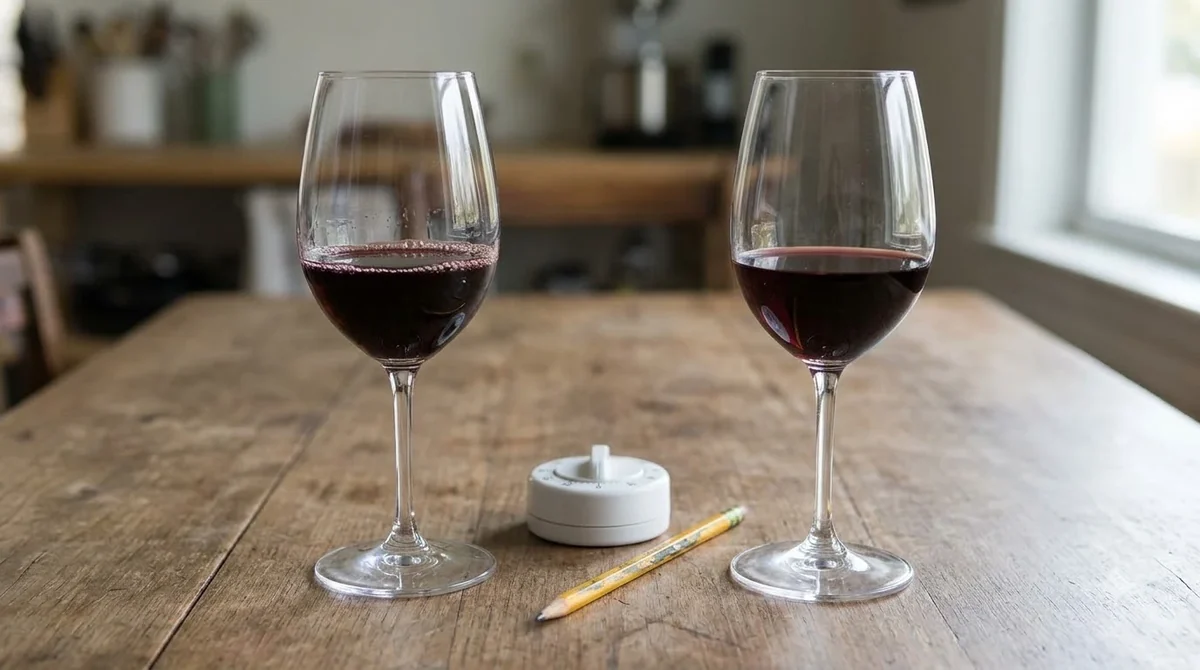
Serve this Malbec slightly cooler than room temperature. A short time in the refrigerator, or about 15 to 20 minutes before pouring, brings out the fruit and keeps the wine from tasting flat or hot with alcohol. Use a large glass so the aroma has room to open, and let the first pour sit for a minute before you judge it.
Decanting is optional for Alamos. The wine is made to be approachable, so it does not need hours of air. Pouring it into a decanter for 20 to 30 minutes can soften the edges if the bottle has been opened quickly, but most people enjoy it straight from the bottle. If you have a bottle that has been sitting for a while, a short swirl in the glass is usually enough to wake up the aromas.
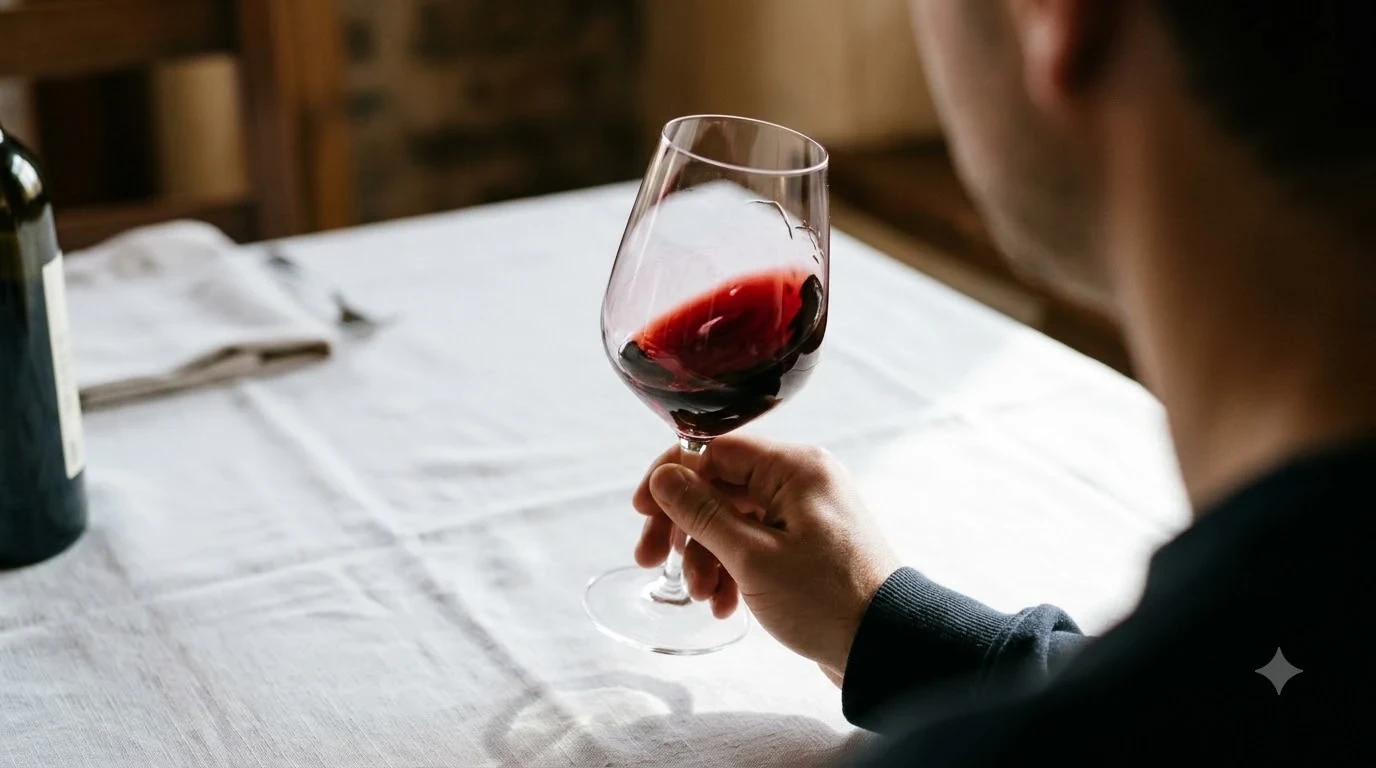
When you open a bottle, look at the color first. Alamos usually shows a deep ruby with purple edges in its youth, and the color softens slightly as the wine ages. Swirl the glass, smell for fresh plum and blackberry, and then take a small sip to check the balance between fruit, acidity and tannin. A balanced Alamos should feel round and easy, with no sharp edge at the finish.
Tip: Keep an opened bottle corked and in a cool place. Fresh fruit fades faster than structure, so the wine is best within a few days of opening.
Temperature also changes how the fruit comes across. A glass that is too warm can make the alcohol feel louder, while a glass that is too cold can hide the spice. Aim for a middle ground and let the wine sit in the glass for a few minutes as it warms slightly. Many people find that the second glass tastes fuller than the first, which is a good sign that the wine has opened up.
Food Pairings That Work Well
Alamos pairs well with foods that have some fat and savory depth, because the soft tannins and dark fruit can handle richness without overwhelming the dish. Grilled beef, roasted chicken with herbs, pork tenderloin and mushroom pasta are all natural matches. The wine’s spice notes also work with barbecue sauces and smoked meats.
Lighter dishes can work too. A tomato-based pasta, a plate of roasted vegetables or a mild sausage fits the fruit and keeps the meal balanced. Avoid very spicy dishes, since heat tends to make the wine taste more bitter and less fruity. Hard cheeses such as aged cheddar or Gouda are an easy pairing for a casual evening.
How Alamos Compares With Other Malbecs
Malbec is a grape that appears in many price tiers, so comparing Alamos with other bottles helps set expectations. Against a premium single-vineyard Malbec, Alamos is lighter and simpler, with less oak and less concentration. Against a budget Malbec from a larger producer, it often shows more polish and consistency. Its main advantage is that it gives you the varietal character at a price point that suits a weeknight.
Price is another reason the Alamos name comes up so often in shopping conversations. It is usually positioned as a shelf-friendly bottle that you can buy in quantity for a dinner party or a casual week at home. That practical value is part of its appeal, even among drinkers who later move on to more expensive Malbecs.
If you already enjoy Argentine reds, Alamos is a good starting point for comparing styles. Try it alongside a more structured Malbec from the same winery, such as the Catena Alta Malbec described by Wine Folly, which lists cassis, black currant and a long, finely grained finish, or pair it with a red from a different region to see how place changes the wine. Shoppers who like the Alamos style often compare it with the value reds covered in our Barefoot wine guide, which explains how a mass-market label keeps a consistent profile from year to year.
Frequently Asked Questions
Is Alamos Malbec a good wine for beginners?
Yes. Its soft tannins and fruit-forward style make it easy to drink without much experience with red wine. It is a good first Malbec for someone who wants to learn the grape’s character without a heavy, tannic bottle.
Does Alamos Malbec need to be decanted?
It is not required. The wine is designed to be approachable, so most people drink it straight from the bottle. A short decant can soften it if you want a little more air.
What is the difference between Alamos and Catena Malbec?
Alamos is the entry-level label from the same winery, made for everyday drinking. The Catena line is more structured, with more concentration and oak influence, and is usually meant for longer aging and special meals.
What foods go best with Alamos Malbec?
Grilled beef, roasted chicken, pork and mushroom dishes work well. Its dark fruit and soft tannins also suit tomato-based pasta and hard cheeses.
Alamos Malbec is a sensible pick when you want a dependable Argentine red without a complicated choice. Serve it lightly chilled, pair it with savory food and compare it with a more serious Malbec when you want to explore the grape further. For more wines from producers like this one, the Wine Brands section groups the labels by style and family.
More in Wine Brands
 Underwood Wine Price: Compare Bottles, Cans, and Pack SizesUpdated Nov 21, 2026
 Zenato Wine Price: Compare Styles and Choose the Right BottleUpdated Nov 21, 2026
 Zuccardi Wine Price: Compare Bottles and Find the Right RangeUpdated Nov 21, 2026
 Yellow Tail Moscato Review: Taste, Sweetness and Serving TipsUpdated Nov 21, 2026
 Wolf Blass Yellow Label Review: Choose Your Best StyleUpdated Nov 21, 2026
 Wolffer Estate Rose Review: Choose the Right Bottle for Your TableUpdated Nov 21, 2026