

We may earn a commission when you buy through links on this page, at no extra cost to you. Learn more.
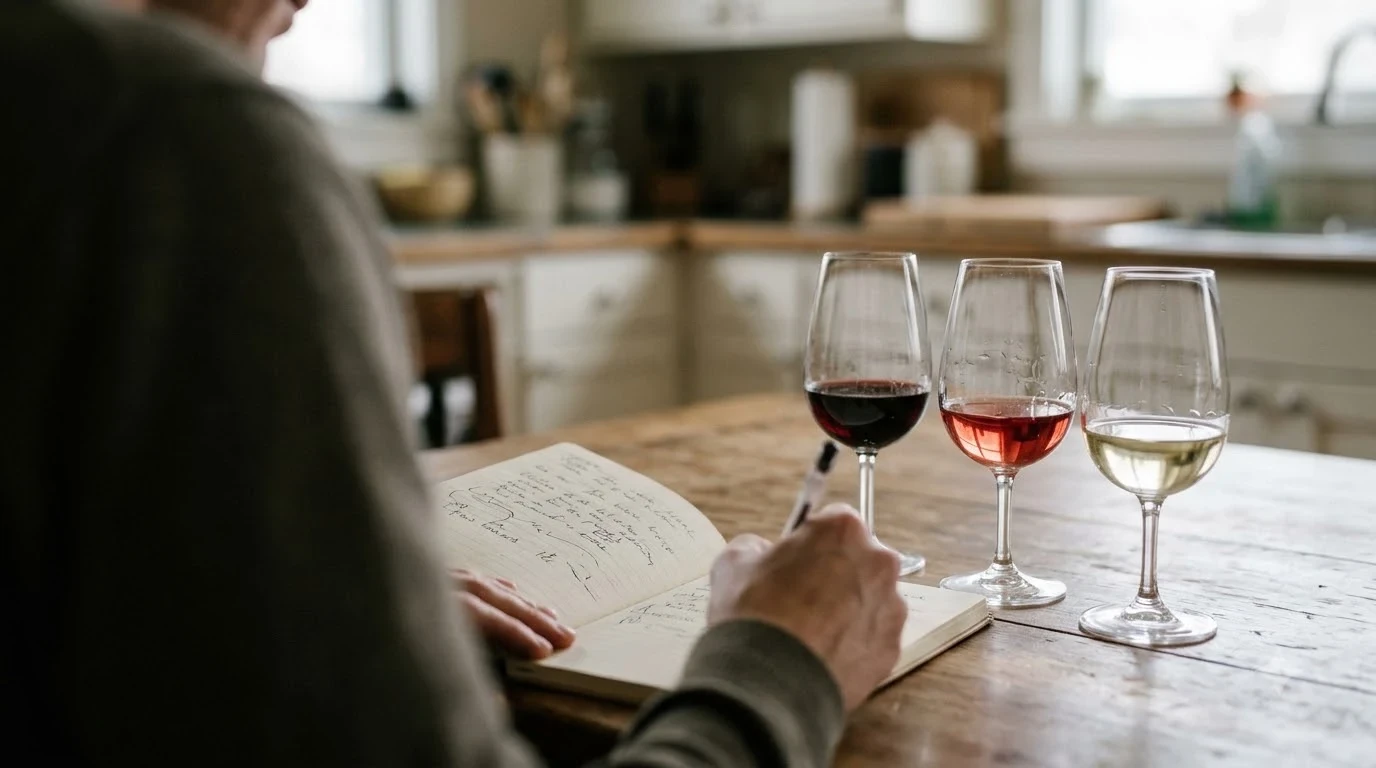
Alamos Malbec tasting notes feature ripe blackberry, dark cherry, blackcurrant, white pepper, and chocolate, supported by a smooth texture, moderate acidity, and approachable tannins. This Argentine red wine offers concentrated dark-fruit flavors without necessarily feeling heavy or aggressively structured. Depending on the vintage and bottling, you may also notice plum, vanilla, sweet tea, and subtle savory spices. It is particularly well suited to grilled beef, burgers, roasted meats, and hearty pasta.
Alamos is a familiar name in Argentine Malbec, offering a fruit-forward style that makes the grape approachable for everyday wine drinkers. Its Mendoza origins help explain the ripe fruit character, while fermentation techniques and oak maturation contribute additional layers of flavor. Understanding its aroma, palate, structure, and serving requirements makes it easier to appreciate what is in the glass and choose the right food to accompany it.
Alamos Malbec Flavor Profile: Blackberry, Cherry, and Chocolate
Alamos Malbec generally emphasizes ripe dark fruit, with blackberry, blackcurrant, and dark cherry forming the center of its flavor profile. White pepper and chocolate add complexity, while oak-related characteristics can provide a subtle background of vanilla and sweet spice.
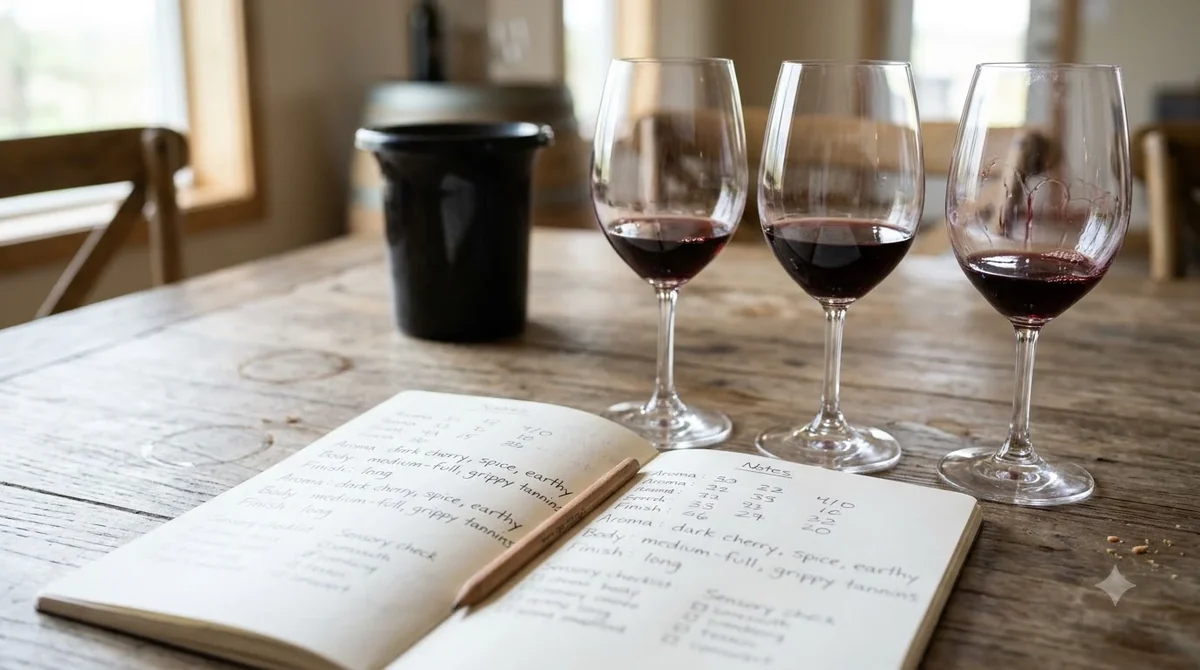
The producer’s description of the 2023 Alamos Malbec identifies blackberry, dark cherry, white pepper, and chocolate as its principal flavor characteristics. Its tasting notes also mention blackcurrant aromas, wild blackberry, sweet tea leaves, and shaved chocolate. These details provide a useful starting point for understanding the wine’s personality: generous fruit first, followed by savory spice and a more lingering finish.
Blackberry tends to give the wine its dark, concentrated fruit impression. It can suggest fresh blackberries, blackberry preserves, or ripe berry compote, depending on the vintage and serving temperature. Dark cherry adds a slightly brighter fruit dimension, helping prevent the overall profile from becoming one-dimensional. Blackcurrant contributes another layer, with a deeper, sometimes slightly tart character.
Chocolate is an important secondary characteristic. Rather than tasting like a sweet chocolate drink, the impression is usually closer to dark chocolate, cocoa powder, or a subtle chocolate finish. White pepper introduces a gentle savory edge that balances the fruit and makes the wine more interesting alongside grilled foods.
Some bottles may show additional plum, blueberry, vanilla, or dried herbal notes. These variations are normal because grape ripeness, harvest conditions, oak exposure, and bottle age influence the finished wine. A warmer vintage may emphasize generous ripe fruit, while another vintage may show more freshness and savory character.
What the different flavors contribute
- Blackberry: Gives the wine its central dark-fruit character.
- Dark cherry: Adds ripe fruit richness and a slightly brighter edge.
- Blackcurrant: Contributes depth and a darker berry impression.
- White pepper: Provides gentle savory spice.
- Chocolate: Adds depth and a cocoa-like finishing impression.
- Vanilla: Can contribute a softer impression associated with oak maturation.
- Plum: Adds a round, juicy fruit dimension.
These characteristics make Alamos Malbec a useful introduction to Argentine Malbec. It delivers recognizable fruit flavors while offering enough spice and texture to keep each sip interesting.
Aroma and Appearance: What to Notice Before Your First Sip
Alamos Malbec typically presents a deep ruby to purple-red appearance, followed by aromas of blackcurrant, blackberry, dark cherry, and pepper. Spending a minute examining the wine before tasting helps reveal its fruit concentration and secondary aromatic details.
Begin by pouring a small amount into a clear wine glass. Look at the color against a white background. Young Malbec often displays a strong purple or ruby center, sometimes with a slightly lighter red edge. Its depth of color is consistent with the grape’s reputation for producing deeply colored red wines.
Next, smell the wine without swirling. This first impression may reveal concentrated black fruit, particularly blackberry and blackcurrant. Some drinkers notice cherry or plum before the darker berry characteristics become apparent. These fruit aromas are usually the most immediate part of the experience.
Swirl the glass gently two or three times, then smell again. The movement introduces air and helps release additional aromatic compounds. Look for white pepper, cocoa, vanilla, or a faint herbal character. The precise combination depends on the vintage and the amount of oak influence.
Understanding the oak influence
Alamos reports using a combination of French and American oak for its 2023 Malbec. Oak can contribute aromas associated with vanilla, baking spice, toast, and chocolate, although the intensity depends on the barrels and the wine’s maturation period.
The distinction between fruit and oak is useful when evaluating this wine. Blackberry, cherry, and blackcurrant are grape-derived fruit characteristics. Vanilla and toasted notes may be associated with oak maturation, while peppery impressions can come from the grape’s aromatic and flavor profile.
Alamos does not present every vintage as an identical sensory experience. Its 2023 wine description emphasizes blackcurrant, blackberry, dark cherry, and shaved chocolate, while older bottlings can display different combinations of spice, fruit, and oak. The most useful approach is to identify the dominant aromas first and then look for the smaller details.
Body, Acidity, Tannins, and Finish
Alamos Malbec generally has a medium-full to full-bodied impression, with moderate acidity and medium, relatively approachable tannins. Its dark fruit concentration gives the palate weight, while its smoother texture makes it easier to enjoy than more aggressively structured reds.
Body describes how substantial the wine feels in your mouth. A lighter red may feel delicate and relatively transparent, while a full-bodied red feels more concentrated and substantial. Alamos Malbec sits toward the fuller end of the spectrum, particularly when served at a warmer room temperature. Its fruit concentration and silky texture contribute to this impression.
Tannins are compounds found in grape skins, seeds, and oak. They create a drying or gripping sensation, especially around the gums and inside the cheeks. Malbec generally has noticeable but velvety tannins, and Alamos is intended to offer a relatively approachable expression rather than a highly austere one.
Acidity provides freshness and helps prevent dark fruit from feeling excessively heavy. Alamos Malbec generally has enough acidity to balance its ripe fruit character, although it is not as sharply acidic as Sauvignon Blanc or Riesling. This moderate freshness is one reason it works with tomato-based pasta, grilled vegetables, and roasted meats.
Understanding the finish
The finish is the impression that remains after swallowing. In Alamos Malbec, the fruit character can persist alongside chocolate, pepper, and subtle savory notes. The producer specifically describes its 2023 bottling as having a long finish with shaved chocolate and sweet tea leaf characteristics.
Pay attention to whether the finish feels fruity, spicy, or earthy. A predominantly fruity finish suggests blackberry and cherry are continuing to dominate. A more savory finish may reveal pepper, cocoa, or herbal details. Neither is automatically better; the balance is what matters.
Here is a practical comparison of the main structural characteristics of Alamos Malbec and typical serving expectations.
| Characteristic | Typical profile | What it means |
|---|---|---|
| Body | Medium-full to full | Substantial, concentrated mouthfeel |
| Acidity | Moderate | Provides freshness and balance |
| Tannins | Medium | Noticeable but generally approachable grip |
| Fruit intensity | Medium-high to high | Ripe dark berries and cherry |
| Serving temperature | 60–65°F | Allows the fruit and structure to show clearly |
| Glass pour | 5 oz | Leaves room for swirling and aromatic development |
| Standard bottle | 750 ml | Approximately five standard glasses |
These are practical style and serving references rather than laboratory measurements of every Alamos vintage. The producer’s own vintage descriptions remain the best starting point for identifying specific aroma and flavor characteristics.
Mendoza Origins and the Winemaking Behind Alamos
Alamos Malbec comes from Mendoza, Argentina, a major Malbec-producing region located along the eastern foothills of the Andes. Its high-altitude growing conditions, intense sunshine, and cooler nighttime temperatures help explain the grape’s combination of concentrated fruit, color, and freshness.
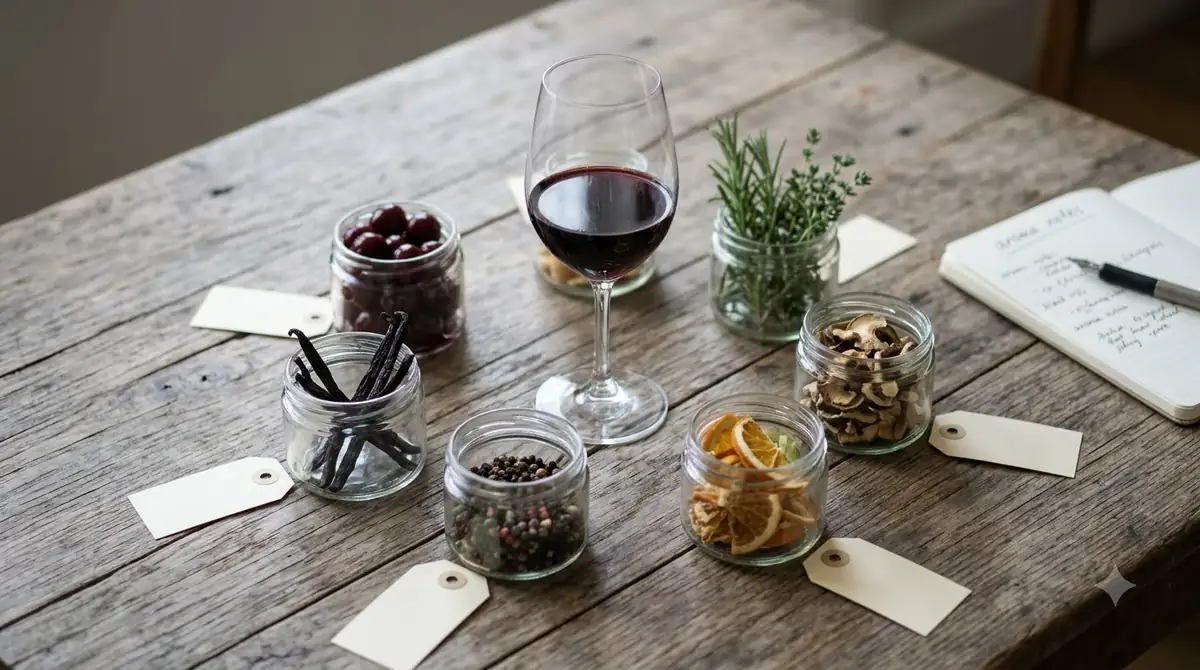
Mendoza’s vineyards benefit from a dry climate and significant differences between daytime and nighttime temperatures. Sunlight encourages grape ripening, while cooler evenings help preserve freshness. These conditions contribute to the region’s reputation for producing expressive Malbec with dark fruit, generous texture, and recognizable varietal character.
According to Decanter, Argentina accounts for approximately 85% of global Malbec plantings. Mendoza is particularly important within that landscape, although other Argentine regions, including Salta and different parts of the Uco Valley, produce distinctive expressions of the grape.
How Alamos approaches fermentation
Alamos provides specific production details for its 2023 Malbec. The grapes are hand harvested, destemmed, and crushed before undergoing a 72-hour cold soak. This pre-fermentation stage allows the grape skins to remain in contact with the juice while extraction begins under controlled conditions.
Fermentation then takes place over seven days in upright and conical tanks, with the temperature reaching a maximum of 85°F. During fermentation, pump-overs help circulate the fermenting juice over the grape skins. This contact supports the extraction of color, flavor, and tannin.
The producer reports that the skins remain in contact with the juice for up to 20 days. Extended skin contact can help develop a deeper color and a more substantial flavor profile. The resulting wine is then aged using French and American oak, which can contribute additional aromatic complexity.
These production details help explain why Alamos Malbec combines concentrated fruit with a smooth texture. The grape variety provides the underlying dark-fruit character, extraction contributes color and structure, and oak maturation adds another layer to the finished wine.
Different vintages can show meaningful differences. Alamos reports that frost events reduced yields during the 2023 Mendoza growing season, although the vines recovered and developed concentrated flavors. Such seasonal conditions help explain why one bottle may emphasize dark cherry and blackberry while another shows more spice, plum, or savory character.
For a broader understanding of the grape’s regional expressions, Decanter’s overview of Argentine Malbec and its growing regions provides useful context on how altitude, climate, and terroir influence the style.
Best Food Pairings for Alamos Malbec
Alamos Malbec pairs especially well with grilled beef, lamb, burgers, roasted pork, and rich pasta because its dark fruit, moderate acidity, and approachable tannins complement savory flavors. Fat and protein also soften the perception of tannin, making meat-based dishes particularly effective partners.
Grilled steak is a natural choice. The wine’s blackberry and dark cherry characteristics work with the browned exterior of grilled beef, while white pepper and chocolate add complexity. A moderately seasoned ribeye, sirloin, or flank steak can provide enough richness to balance the wine without overwhelming its fruit.
Burgers are another reliable match. A beef burger with grilled onions, mushrooms, and aged cheddar provides savory depth that works with Malbec’s concentrated fruit. Avoid excessive chili heat if you want to preserve the wine’s more delicate aromatic details, because alcohol and tannins can make spicy sensations feel stronger.
Roasted pork and lamb also work well. Pork shoulder with herbs and caramelized edges complements the wine’s ripe fruit, while grilled lamb offers a savory quality that can bring out its peppery characteristics. The combination is particularly successful when the meat includes rosemary, garlic, or black pepper.
Pairing pasta, cheese, and vegetables
Tomato-based pasta dishes are useful options because their acidity can work with the wine’s own freshness. Try lasagna, baked ziti, or pasta with a slow-cooked beef and tomato sauce. The richness of the meat and cheese helps balance the sauce’s acidity.
Hard cheeses are also suitable. Aged cheddar, Manchego, and Parmesan offer concentrated savory flavors that complement the wine’s fruit. Their protein and fat content can soften the perception of tannin and create a more balanced tasting experience.
For vegetarian meals, roasted mushrooms, grilled eggplant, lentil dishes, and vegetable lasagna can work particularly well. Mushrooms bring earthy flavors that complement the wine’s darker notes, while roasted vegetables contribute sweetness and caramelized characteristics.
For a more detailed comparison of Argentine Malbec styles, explore these Catena Malbec tasting notes to see how another well-known producer approaches fruit, structure, and oak influence.
Tip: Match the intensity of the food to the wine. A full-bodied Malbec is generally more successful with grilled steak, roasted mushrooms, or rich lasagna than with delicate white fish. If a dish contains significant chili heat, choose a milder preparation so the alcohol and tannins do not intensify the spice sensation.
Food preparation matters as much as the main ingredient. A simple grilled steak may emphasize the wine’s fruit and pepper, while a steak covered in a rich cream sauce can make the combination feel heavier. Matching sauces, seasonings, and cooking methods to the wine creates a more harmonious pairing.
Serving Temperature, Decanting, and Storage
Serve Alamos Malbec at approximately 60–65°F to preserve its dark-fruit aromas while keeping the alcohol and tannins balanced. A brief period of aeration can help a young bottle become more expressive, but extensive decanting is not normally necessary for an approachable everyday Malbec.
Many people serve red wine too warm because they interpret room temperature as the ideal temperature. In a warm kitchen, a bottle can quickly rise above the recommended range, making the alcohol seem more prominent and reducing the impression of freshness. Slightly cooling the wine before serving helps maintain balance.
How to prepare the bottle
If the bottle has been stored at room temperature, place it in the refrigerator for approximately 20–30 minutes before serving, adjusting the time according to the starting temperature. The goal is to reach the recommended range rather than serve the wine refrigerator-cold.
Choose a reasonably sized red wine glass with enough room for the wine to move when swirled. Pour approximately 5 ounces into each glass rather than filling it to the rim. A standard 750 ml bottle provides about five servings at this pour size.
Young full-bodied reds can benefit from 30–60 minutes of decanting, particularly if they initially seem closed or overly firm. However, Alamos Malbec does not automatically require an hour of aeration. Open the bottle, pour a small glass, and assess its aromas before deciding whether additional air would help.
For everyday drinking, a gentle swirl in the glass may provide all the aeration necessary. If the wine already displays expressive blackberry, cherry, and chocolate aromas, there is little reason to wait.
Storage after opening
Once opened, reseal the bottle and store it in the refrigerator. Even red wine benefits from cooler storage because lower temperatures slow oxidation and help preserve its aromatic freshness. Before drinking the remaining wine, allow it to warm slightly in the glass.
Most opened still wines remain enjoyable for approximately three to five days when refrigerated and properly sealed. The fruit aromas may become less expressive over time, and the finish may lose some freshness. If the wine develops an unpleasant vinegar-like smell or a noticeably stale character, it is no longer showing its best qualities.
For unopened bottles, store wine away from direct sunlight and large temperature fluctuations. A cool environment near 55°F is a useful long-term storage target. Bottles with traditional cork closures are generally stored horizontally to help keep the cork from drying out.
Alamos Malbec is generally intended for approachable drinking rather than extended cellar aging. Everyday Malbec usually shows its most appealing fruit character within a few years of its vintage, so there is little reason to keep a typical bottle for a decade.
Alamos Malbec Compared With Other Argentine Wines
Alamos Malbec is best understood as a fruit-forward, approachable expression of Argentina’s signature red grape. Comparing it with other producers helps identify differences in concentration, oak influence, aromatic complexity, and overall structure.
Malbec can vary considerably across Mendoza. Some wines emphasize fresh plum, violet, and lively acidity, while others focus on concentrated blackberry, darker fruit, and more noticeable oak. Vineyard altitude, harvest decisions, winemaking methods, and maturation all contribute to these differences.
Alamos’s standard Malbec emphasizes blackcurrant, wild blackberry, dark cherry, white pepper, and chocolate in its producer description. Its 2023 winemaking information also confirms the use of French and American oak. This combination creates a recognizable dark-fruited style with additional spice and cocoa characteristics.
Other Alamos bottlings can offer different experiences. The Selección range, for example, has received distinct tasting descriptions. Wine Enthusiast’s review of the 2011 Selección Malbec identifies graphite, inky berry, cumin, cardamom, tobacco, coconut, baked plum, and berry flavors. The review also describes a rich, full-bodied wine with a smooth finish.
That older Selección review should not be treated as a direct description of the standard Alamos Malbec. It illustrates how a different bottling and vintage can offer additional savory, earthy, and oak-related characteristics while retaining the recognizable Malbec fruit profile.
Wine drinkers interested in exploring another Argentine producer can compare these Trapiche Malbec tasting notes. The comparison can help identify differences in fruit intensity, spice, tannin, and overall balance.
It is also useful to compare red Malbec with a fuller-bodied white wine. Those who enjoy richer textures but prefer a white grape may appreciate these Rombauer Chardonnay tasting notes, which offer a different combination of body, acidity, fruit, and oak influence.
For more producer profiles and grape-variety comparisons, browse the Wine Brands section. Exploring several producers is one of the most effective ways to discover which winemaking styles suit your preferences.
Frequently Asked Questions
Is Alamos Malbec made entirely from Malbec grapes?
The grape composition can vary by bottling and vintage, so it is important not to assume every Alamos wine has an identical blend. For example, an Alamos 2021 technical document identifies a composition of 90% Malbec and 10% Bonarda. The producer’s description of the 2023 standard Malbec identifies it as Malbec without publishing the same detailed percentage breakdown on its product page.
How much alcohol does Alamos Malbec contain?
Alcohol content varies by vintage and bottling. Published reviews of several standard Alamos Mendoza Malbec vintages identify an alcohol level of 13.5%, while other releases may differ. The alcohol percentage is useful when comparing bottles with different levels of ripeness and body.
Can Alamos Malbec be used for cooking?
Yes. A dry Malbec can be used in beef stews, red-wine reductions, and slow-cooked meat sauces. Its dark-fruit character works particularly well in dishes containing beef stock, onions, garlic, and mushrooms. Use a wine that tastes pleasant on its own rather than one that has already developed stale or oxidized aromas.
What type of wine glass is best for Alamos Malbec?
A standard Bordeaux-style red wine glass is a suitable choice. Its relatively generous bowl provides room for swirling and helps concentrate the wine’s aromas near the opening. A typical 750 ml bottle provides approximately five servings when poured at 5 ounces each.
Does Alamos Malbec come from the same place as French Malbec?
No. Alamos Malbec comes from Mendoza, Argentina, whereas Cahors in southwestern France is an important historic home of the grape. French Malbec is often identified by the local name Côt and can show a more structured, savory expression. Argentina’s version is widely associated with ripe dark fruit and velvety tannins.
Alamos Malbec offers a recognizable Argentine red wine profile built around blackberry, dark cherry, blackcurrant, white pepper, and chocolate. Its approachable structure, Mendoza origins, and compatibility with grilled meats and hearty pasta make it a versatile choice for casual dinners and relaxed gatherings. Serve it slightly cool, give it a little air if needed, and pay attention to how the fruit, spice, and finish develop in your glass.
More in Wine Brands
 Casal Garcia Wine Review: Find the Right Portuguese Wine for Your TableUpdated Nov 21, 2026
 Ca Del Bosco Wine Price: Compare Every Franciacorta and Still BottleUpdated Nov 21, 2026
 Calera Wine Price: Compare Bottles and Choose the Right WineUpdated Nov 21, 2026
 Castello Banfi Wine Price: Compare Bottles and Find Your Best FitUpdated Nov 21, 2026
 Campo Viejo Wine Review: Find the Right Rioja Style for Your TableUpdated Nov 21, 2026
 Casal Garcia Wine Price: What to Expect for Your BottleUpdated Nov 21, 2026