

We may earn a commission when you buy through links on this page, at no extra cost to you. Learn more.
Castello Banfi wine price ranges from approximately $15 to $110 or more for a standard 750 ml bottle, depending on the wine, vintage, and tier. Everyday Banfi selections such as Chianti Classico generally cost considerably less than the estate’s Brunello di Montalcino. Premium labels, including Poggio alle Mura and single-vineyard Brunello, occupy a higher price category because of their vineyard selection, production methods, and extended aging.
Castello Banfi is a Tuscan producer best known for its Montalcino wines, particularly Brunello di Montalcino DOCG. Its broader collection also includes Rosso di Montalcino, Super Tuscan blends, Chianti, white wines, and specialty bottlings. That range makes it important to compare individual labels rather than assume every bottle carrying the Banfi name belongs to the same price category. Understanding the differences between the wines, their origins, and their intended drinking occasions makes it easier to choose a bottle that fits both your budget and your preferences.
Who This Castello Banfi Price Guide Is For
This guide is for shoppers comparing Tuscan wines at different spending levels, from approachable Chianti to collectible Brunello. It explains the main price categories, what influences the cost of each wine, and which bottles make sense for different occasions.
Castello Banfi is especially relevant to shoppers interested in Sangiovese and the wines of Montalcino. The producer’s collection covers several expressions of this grape, including Rosso di Montalcino and Brunello di Montalcino. These wines share a regional connection but differ in production requirements, aging, structure, and typical retail positioning. A shopper who wants a relatively accessible Tuscan red does not necessarily need to begin with Brunello.
The guide is also useful for people buying wine as a gift. A standard Brunello can make a more substantial presentation than an everyday Chianti, while a vineyard-designated or Riserva bottle may suit an important anniversary or a collector’s cellar. However, a higher price does not automatically mean a better match for every drinker. Someone who prefers fresh, approachable reds may enjoy Rosso di Montalcino more than a structured Brunello that benefits from additional bottle age.
Buyers comparing Banfi with other Italian producers should also consider the difference between the Castello Banfi estate identity and the broader Banfi portfolio. The company offers wines from multiple Italian regions and other countries. Its Montalcino labels therefore represent only one part of a much larger collection. Understanding that distinction prevents confusion when comparing products that share the Banfi name but have different origins and styles.
Readers researching the producer’s wider selection can also explore this overview of castello banfi wine to understand how its principal labels fit together.
Key Factors That Determine Castello Banfi Wine Price
The main factors behind Castello Banfi pricing are the wine’s designation, grape selection, vineyard origin, aging requirements, vintage, and bottle format. Brunello generally sits above Rosso di Montalcino and standard Chianti because it follows a more demanding production and maturation path.
The first distinction is the wine’s appellation. Brunello di Montalcino DOCG is made from Sangiovese and follows specific production and aging regulations. Rosso di Montalcino DOC comes from the same general Montalcino wine area but is a separate designation with a different production profile. Chianti and Chianti Classico represent other Tuscan categories, each with its own geographic identity and requirements.
Vineyard selection also matters. Banfi identifies its standard Brunello as a wine sourced entirely from estate vineyards in the southern hills of Montalcino, above 720 feet in elevation. More selective bottlings, including Vigna Marrucheto and Poggio alle Mura, occupy distinct positions within the producer’s collection. A designated vineyard wine communicates a more specific origin than a general regional bottling, which can influence its market positioning.
Aging is another major consideration. Banfi describes its standard Brunello as undergoing four years of aging, including two years in oak barrels and barriques. Its Italian product information further identifies French oak casks and smaller barriques as components of the maturation process. Time spent in production, storage, and preparation before release contributes to the cost structure of a wine.
Vintage and bottle size can create substantial differences between retail listings. A current-release 750 ml bottle should not be compared directly with a half bottle or an older collectible vintage. Availability also matters: a wine that is difficult to find in a particular state may have fewer competing retail offers than a widely distributed label.
| Wine category | Typical US retail range | What influences the price | Best buying purpose |
|---|---|---|---|
| Banfi Chianti Classico | About $15–$21 per 750 ml | Regional designation and standard production | Everyday Tuscan red |
| Castello Banfi Rosso di Montalcino | About $27–$31 per 750 ml | Montalcino origin and Sangiovese selection | Approachable Montalcino wine |
| Castello Banfi Brunello di Montalcino | About $75–$79 per 750 ml | DOCG requirements and extended aging | Special meals and gifts |
| Premium Brunello selections | About $100–$110 or more per 750 ml | Vineyard selection, vintage, and limited availability | Collectors and important occasions |
| Castello Banfi Super Tuscans | Varies by label and retailer | Blend composition and individual wine positioning | Alternative Tuscan red styles |
The Chianti Classico range is an approximate comparison drawn from retail listings at Total Wine and WineOnSale, while the Rosso di Montalcino range reflects the Pennsylvania Liquor Control Board’s listed standard and promotional figures; actual prices vary by state and retailer. WinesRate’s listed 2021 Brunello offers from two New York retailers ranged from approximately $75 to $79 for 750 ml, and the premium category is an indicative shopping range rather than a fixed producer price. WinesRate’s Castello Banfi Brunello retailer comparison illustrates how vintage, size, and stock status affect the figures.
These ranges are useful starting points, not guaranteed prices. Retailers may carry different vintages, and shipping charges, state alcohol regulations, taxes, and local availability can change the final purchase cost. Always compare the same wine and bottle size before deciding that one retailer offers better value.
Step-by-Step: How to Choose the Right Castello Banfi Bottle
The easiest way to choose a Castello Banfi wine is to begin with your spending limit, decide how much structure you want, and then narrow the options by appellation. This approach avoids paying for extended aging or a premium vineyard designation when a simpler Tuscan wine would better suit the occasion.
-
Set a realistic spending range.
Decide whether you want an everyday bottle, a more distinctive regional wine, or a premium gift. A shopper looking for a casual Tuscan red can start with Chianti Classico, while someone planning a formal dinner may prefer Rosso di Montalcino or Brunello. Establishing the intended spending category first makes the remaining decisions easier.
-
Choose the wine’s geographic identity.
Look for Chianti Classico if you want a familiar Tuscan Sangiovese-based wine. Choose Rosso di Montalcino if Montalcino is the main attraction but a more approachable style is preferred. Select Brunello di Montalcino when you specifically want the region’s more structured and age-worthy expression.
-
Compare the main and premium Brunello labels.
Banfi’s standard Castello Banfi Brunello is the logical reference point. From there, consider Poggio alle Mura, Vigna Marrucheto, or a Riserva. These labels occupy different positions in the producer’s collection, so compare their exact names, vintages, and descriptions instead of treating every bottle as interchangeable.
-
Check the vintage and bottle format.
Compare 750 ml bottles with other 750 ml bottles from similar vintages. A 375 ml bottle may be useful for a smaller occasion, but its price per bottle cannot be directly compared with a standard format. Older vintages may also have different availability and storage histories.
-
Consider when you plan to open the wine.
For a dinner happening soon, an approachable Rosso or Chianti may be a convenient choice. For a cellar purchase, Brunello offers a more substantial aging proposition. The right selection depends on whether you want immediate enjoyment, a bottle to hold, or a wine that can serve both purposes.
-
Compare retailer listings.
Look at the complete wine name, vintage, bottle size, and shipping terms. Check whether a displayed offer is for the standard Brunello, Poggio alle Mura, or another bottling. Similar labels and regional names can make a casual comparison misleading.
-
Match the bottle to the meal or recipient.
Think about the food, the drinker’s preferences, and the occasion. A structured Sangiovese wine can work particularly well with rich dishes, grilled meats, and aged cheeses. A lighter or fresher Tuscan red may be more suitable for informal meals and mixed groups.
Tip: Before purchasing Brunello, verify the full designation and producer name. Castello Banfi Brunello di Montalcino DOCG, Poggio alle Mura Brunello, and Castello Banfi Rosso di Montalcino are different wines, not interchangeable names for one product.
For shoppers who already know they want a Banfi red, comparing the available banfi red wine selections can help identify alternatives without automatically moving into the premium Brunello category.
Types and Styles Explained: From Chianti to Brunello
Castello Banfi’s wine selection is not limited to one expression of Sangiovese. Its principal Tuscan categories include Brunello, Rosso di Montalcino, Super Tuscans, and Chianti, while the wider collection also includes white, rosé, sparkling, and specialty wines.
Brunello di Montalcino
Brunello is the signature category for shoppers specifically seeking Castello Banfi’s premium Montalcino wines. The wine is made from Sangiovese and has a more structured profile than many uncomplicated Italian table reds. Banfi describes its standard Brunello as elegant and soft in character while retaining substantial aging potential.
Its extended production schedule is an important reason for its higher retail positioning. Banfi describes four years of aging for its standard Brunello, including two years in oak. The producer’s Italian technical information also describes the use of temperature-controlled hybrid fermentation tanks. These details help explain why Brunello belongs in a different shopping category from everyday Chianti.
Rosso di Montalcino
Rosso di Montalcino is an excellent alternative for someone who wants a wine from the same general Montalcino area without choosing Brunello. It offers a regional connection and Sangiovese character in a separate designation. Its positioning generally makes it a practical choice for meals where a full Brunello would feel unnecessarily formal.
Banfi offers both Castello Banfi Rosso di Montalcino and Poggio alle Mura Rosso di Montalcino. The two labels belong to the producer’s Montalcino collection, but buyers should compare the individual product descriptions and vintages rather than assume their profiles are identical.
Super Tuscan wines
Banfi’s Super Tuscan collection includes Summus, Excelsus, Belnero, and Magna Cum Laude. These wines offer another route into the producer’s premium Tuscan selection. The category is particularly interesting to shoppers who enjoy structured reds but want to explore blends and styles beyond the traditional Brunello designation.
Bolgheri is another important Tuscan reference point. Banfi’s Italian product catalog describes the area as known for structured wines that combine Bordeaux grapes with local terroir. That regional identity provides useful context when comparing wines such as Bolgheri reds with Montalcino Sangiovese.
Chianti and Chianti Classico
Chianti is often a sensible starting point for people exploring Tuscan wine. Banfi’s selection includes Chianti Superiore, Chianti Classico, and Chianti Classico Riserva, with Fonte alla Selva Gran Selezione also appearing in its wider Italian collection.
These wines offer several ways to experience Sangiovese without immediately purchasing Brunello. Chianti Classico is particularly useful for traditional food pairings, including tomato-based pasta, roast chicken, grilled pork, and aged Italian cheeses. Riserva and Gran Selezione labels provide additional distinctions within the Chianti Classico category.
White, rosé, and specialty selections
Banfi also produces wines that broaden the selection beyond red Tuscany. San Angelo Pinot Grigio, Fontanelle Chardonnay, La Pettegola Vermentino, and La Pettegola Rosé appear in the producer’s Italian portfolio. These bottles suit shoppers who prefer fresher styles or want an alternative to a substantial red wine.
Florus Moscadello di Montalcino Late Harvest DOC offers a different direction for dessert-wine enthusiasts. It should be evaluated according to its sweetness and serving purpose rather than compared directly with dry Brunello. The wider portfolio also includes sparkling wines and specialty products such as grappa.
For a broader overview of the company’s selection beyond its estate bottlings, the banfi wine collection provides useful context for distinguishing individual product families.
Common Mistakes When Comparing Castello Banfi Prices
The biggest shopping mistake is comparing wines solely by their shared producer name. A Brunello, Rosso di Montalcino, Chianti Classico, and Super Tuscan can differ substantially in production, style, and intended occasion, so a simple price comparison rarely tells the whole story.
Another frequent error is confusing Banfi’s broader corporate portfolio with the Castello Banfi estate range. The Banfi name appears across wines from several regions and countries. A bottle from the company’s wider portfolio does not necessarily share the same Montalcino origin or production approach as its flagship Brunello.
Buyers should also avoid comparing different vintages without considering their age and availability. A mature Brunello may carry a different retail position from a current-release bottle. Older stock can be harder to locate, and its provenance and storage history become increasingly important. A higher asking price alone does not establish that an older bottle has been properly preserved.
Misreading bottle size is another common problem. A 375 ml Brunello is half the volume of a standard 750 ml bottle. A lower total purchase amount does not necessarily represent a lower cost per milliliter. Always make size comparisons before deciding which offer provides better value.
It is also unwise to assume that every premium label is automatically preferable. A Riserva or vineyard-designated wine may be more suitable for collectors and special occasions, but a standard Brunello may provide the profile a drinker wants without the need to pay for an additional designation. Similarly, an approachable Rosso can be a more sensible dinner purchase than an expensive wine that requires more planning.
Finally, shoppers sometimes overlook differences between regional appellations. Montalcino, Chianti Classico, and Bolgheri are not simply different names for the same style of Tuscan red. Their grape compositions, regulations, and typical profiles differ. Knowing which region and wine category you actually want is more useful than selecting the bottle with the most impressive-sounding label.
Care, Serving, and Storage Tips for Better Value
Proper storage and serving help preserve the qualities that justify the cost of a wine. Castello Banfi’s structured reds benefit from appropriate temperatures, careful handling, and suitable glassware, while sparkling and white selections need cooler serving conditions.
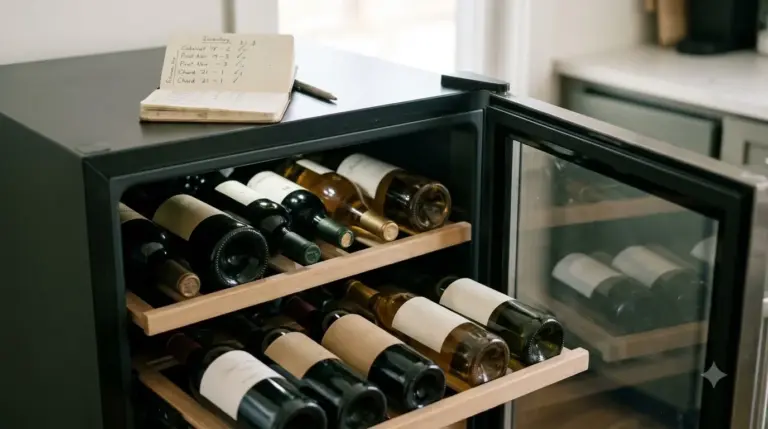
Store unopened wine in a cool, dark location with minimal temperature fluctuation. A temperature near 55°F is a useful target for long-term storage. Keep cork-finished bottles on their sides so the cork remains in contact with the wine. Avoid placing valuable bottles near ovens, radiators, sunny windows, or locations where regular vibration occurs.
Brunello and other substantial reds generally show better balance when served slightly cooler than typical room temperature. Aim for approximately 60–65°F for full-bodied reds. If a bottle has been kept in a warm room, a short period of cooling can help restore freshness and make the wine’s acidity and structure easier to appreciate.
Young, full-bodied red wines may benefit from 30–60 minutes of decanting before serving. This gives the wine time to interact with air and can help soften its initial impression. Older Brunello requires more care: separate any sediment gently and avoid leaving a mature bottle exposed to air for an unnecessarily long period.
Food pairing can also make a meaningful difference. Sangiovese’s acidity works naturally with tomato-based dishes, while its tannin structure can complement fatty meats and rich preparations. Try standard Brunello with braised beef, roasted lamb, wild mushroom dishes, or aged hard cheeses. Rosso di Montalcino can be a practical partner for pasta with meat sauce, roast pork, and grilled vegetables.
For a full-bodied red, serve approximately 5 ounces per glass. A standard 750 ml bottle provides about five such servings, making it easier to estimate quantities for a dinner. If several wines are being served, begin with lighter selections and progress toward the more structured reds.
After opening, reseal still wine and store it in the refrigerator. Many still wines remain enjoyable for approximately three to five days, although freshness varies according to the wine, storage method, and amount remaining in the bottle. Remove a refrigerated red from the refrigerator before serving so it can move toward its preferred drinking temperature.
Good storage is especially relevant when purchasing a more expensive Brunello for future enjoyment. A bottle that is poorly stored can lose freshness and complexity regardless of its original retail category. For a special-occasion purchase, retailer handling, shipping conditions, and storage history deserve attention alongside the vintage and label.
Frequently Asked Questions
Is Castello Banfi Brunello made from 100% Sangiovese?
Yes. Brunello di Montalcino DOCG must be produced entirely from Sangiovese under the appellation’s production rules. Banfi’s Italian product information identifies Sangiovese as the grape variety for its Brunello. This distinguishes the wine from several Tuscan blends in the producer’s Super Tuscan collection.
What does DOCG mean on a Castello Banfi wine label?
DOCG stands for Denominazione di Origine Controllata e Garantita, Italy’s highest traditional appellation classification. It indicates that the wine must meet defined geographical and production requirements. The designation is not a numerical quality score or a guarantee that every bottle will match an individual drinker’s preferences.
Does Castello Banfi produce organic Brunello?
The presence of the Castello Banfi name alone does not establish organic certification. Organic status must be verified for the specific wine and vintage through its labeling and certification information. Vineyard sustainability practices and formal organic certification are separate matters.
How long can an unopened Brunello remain in a cellar?
Many well-made Brunello wines can develop over a decade or longer under appropriate storage conditions. The exact drinking window depends on the vintage, wine structure, and storage history. A consistently cool environment with stable temperatures is more important than simply keeping a bottle for a predetermined number of years.
What is the difference between a Brunello Riserva and a standard Brunello release date?
A Brunello Riserva is subject to a longer minimum aging period than a standard Brunello under the appellation regulations. The longer maturation requirement means that Riserva wines are released later and generally represent a more selective production category. Individual producers may also apply additional vineyard and vintage selection criteria.
Castello Banfi offers several Tuscan wine categories, so the right purchase depends on more than the producer’s name or the bottle’s retail position. Chianti and Rosso di Montalcino provide approachable starting points, while standard Brunello and its premium vineyard selections suit shoppers seeking greater structure and aging potential. Compare the exact label, vintage, bottle size, and retailer before purchasing to find the Castello Banfi wine that best fits your occasion.
More in Wine Brands
 Erath Wine Review: How to Choose the Right Oregon BottleUpdated Nov 21, 2026
 Franzia Sunset Blush Price: Compare Box Sizes and Get Better ValueUpdated Nov 21, 2026
 Franzia Sangria Review: Taste, Sweetness, Serving Tips and ValueUpdated Nov 21, 2026
 Franzia Chillable Red Price: 5L Box Costs and Buying TipsUpdated Nov 21, 2026
 Franzia Chardonnay Price: Compare Box Sizes and Find Better ValueUpdated Nov 21, 2026
 Fess Parker Wine Review: Find the Right Santa Barbara BottleUpdated Nov 21, 2026