

We may earn a commission when you buy through links on this page, at no extra cost to you. Learn more.
Banfi wine comes from Castello Banfi, an estate in Montalcino, Tuscany, where the local red grape Sangiovese is the core of the range. The estate’s wines reflect the warm hills around Montalcino, with the medium-full body, firm acidity, and cherry and herb notes that define Sangiovese. If you want a classic Tuscan red with food-friendly structure, this producer is a good place to start.
Banfi shows up often on Italian wine lists and in shops, and the name can be confusing because it refers to both the estate and a family of wines. This guide explains where the wines come from, what the Sangiovese style tastes like, how to serve and pair them, and what to look for on the label when you are choosing a bottle.
Where Banfi Wine Comes From
The estate sits at Castello di Poggio alle Mura in Montalcino, in the Siena province of Tuscany. The estate’s own hospitality pages describe a 14th-century castle, now known as Castello Banfi, that houses a museum of bottles and glass. The estate also runs cellar and vineyard tours that show how the grapes are cared for before they become wine.
Montalcino is a hill town in southern Tuscany, and its wines are closely tied to the local Sangiovese vineyards. The Brunello di Montalcino consortium describes its signature wine as designed around Sangiovese and the unique ecosystem of the Montalcino area. That tie between grape and place is the best way to understand what the estate is trying to express in its bottles.
Sangiovese and the Banfi Style
Sangiovese is the grape most people associate with Tuscany, and Wine Folly’s Sangiovese guide calls it Italy’s most planted wine variety. The grape usually gives a medium-full body, medium-high tannins, and medium-high acidity, with alcohol typically between 13.5% and 15% ABV. Those features make it a food wine first, one that is designed to sit comfortably next to a plate of pasta or grilled meat.
The flavor profile is recognizable. Expect cherry, roasted tomato, and a touch of herbs such as oregano, with savory notes that can turn sweet balsamic and espresso as the wine ages. Sangiovese can be bright and fresh when young and more layered after a few years in the bottle. Oak aging adds spice and structure, and the amount of wood used changes the final style noticeably from producer to producer.
| Feature | What to expect from Sangiovese |
|---|---|
| Body | Medium-full |
| Tannins | Medium-high |
| Acidity | Medium-high |
| Alcohol | About 13.5 to 15% ABV |
| Typical flavors | Cherry, roasted tomato, oregano, balsamic, espresso |
| Serving temperature | About 60 to 68 degrees Fahrenheit |
The Estate Beyond the Bottle
Banfi is also known for its visitor experience. The estate’s hospitality page mentions a tasting of the range along with the tours, and it highlights a balsamic condiment, Condimento Balsamico Etrusco, made at the estate’s balsameria. For a visitor, that combination of wine, vineyard, and food-making gives a fuller picture of how the estate works than a single bottle can.
The estate page refers to its “prestigious wines” and a varied range, but it does not list every bottle by name. If you are shopping, the label is the most reliable guide. Check the wine’s name, the vintage, and the region on the front, and read the back label for the grape and any aging information.
Tip: Look at the aging statement on the label. Wines with longer barrel or bottle aging usually show more structure and need more time before they are ready to drink.
How to Serve Banfi Wine
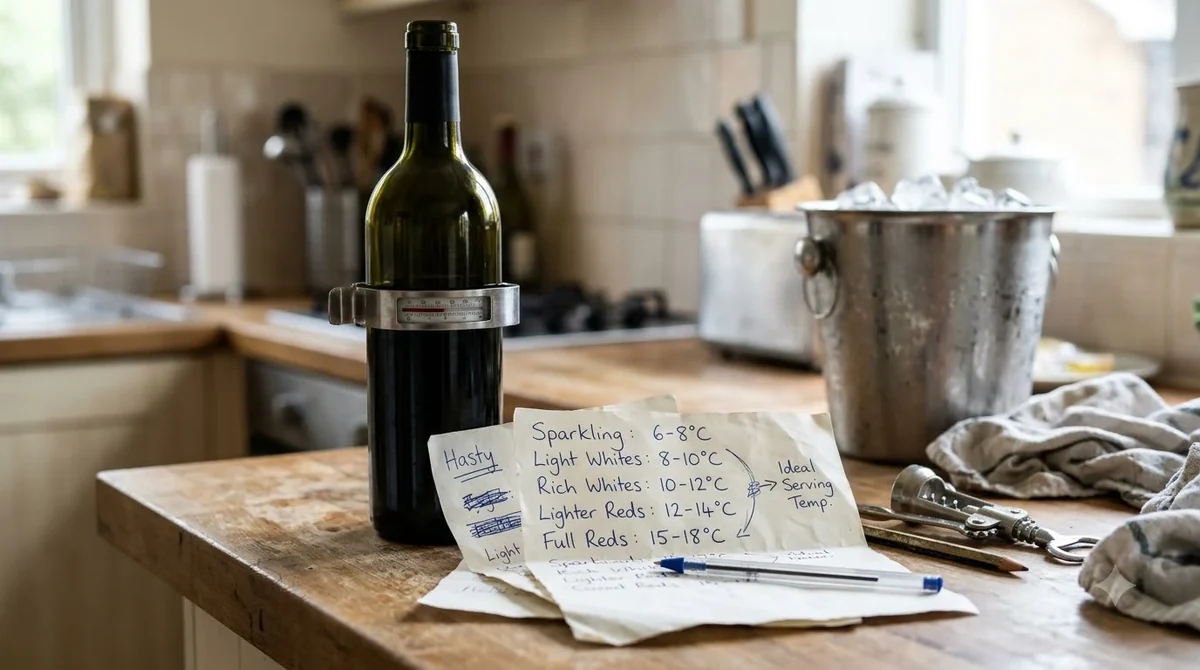
Serving temperature changes how a Sangiovese tastes. Wine Folly suggests serving it between 60 and 68 degrees Fahrenheit, which is a little warmer than many white wines but cooler than a warm room. At that range the fruit stays lively and the tannins feel smooth.
Decanting can help a young, structured bottle open up. Give it about 30 minutes to an hour in a decanter, or pour it into a large glass and let it breathe while you eat. Older bottles with sediment should be poured gently and not decanted for long.
Sangiovese also shows how a grape can change with its ground. The Montalcino consortium’s tagline for its evaluation framework describes the wine as fragrant, refined, and slender, which is a useful way to picture the best examples. Hillside vineyards, warm days, and cooler nights help the grape keep its acidity while building fruit depth. Two bottles from different slopes can taste noticeably different, so the vineyard name and vintage matter as much as the producer.
Food Pairing Ideas
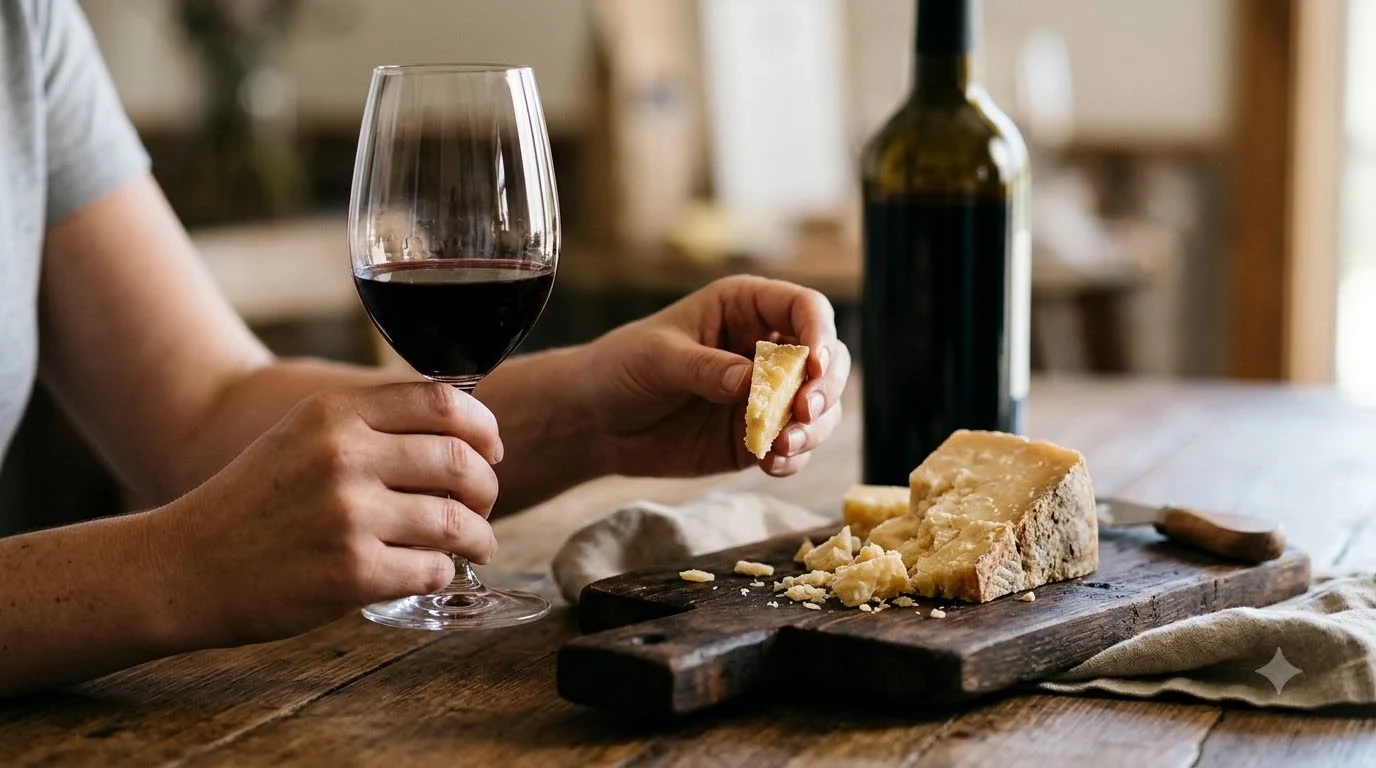
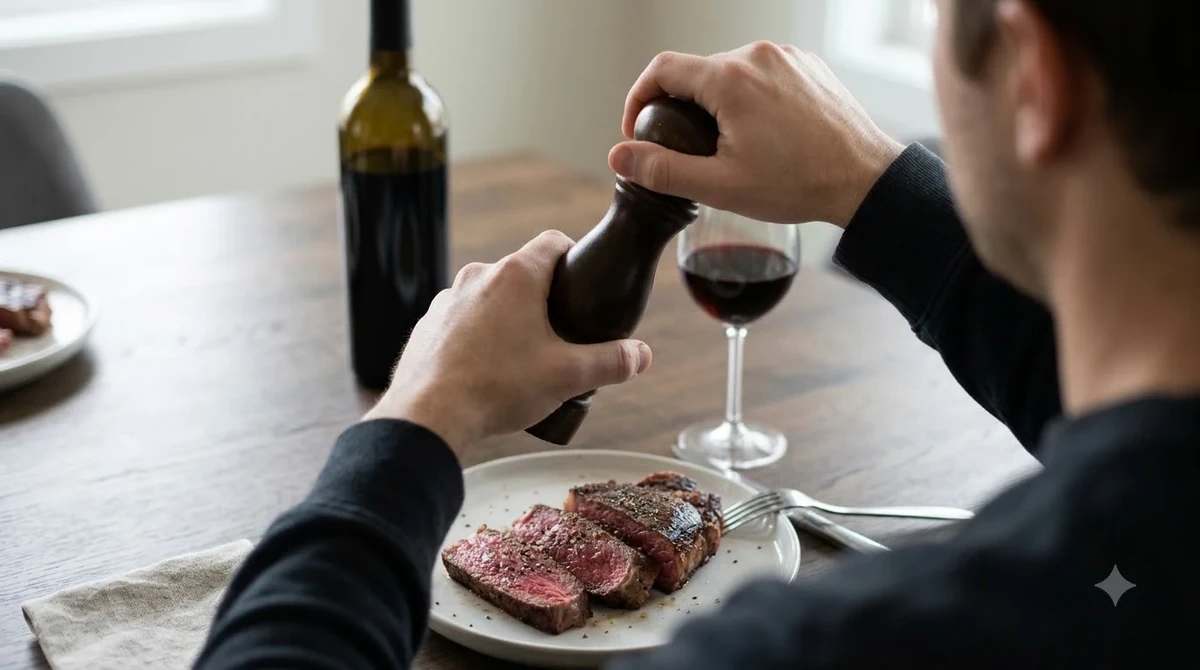
Sangiovese is one of the most food-friendly reds you can buy. Its acidity cuts through rich sauces, and its tannins balance fatty meats without overwhelming them. Wine Folly notes that Sangiovese pairs well with vegetable- and spice-driven dishes, especially those built on tomato or red pepper, and with most grilled foods.
Classic Italian pairings work well for the same reasons. Tomato-based pasta, pizza with sausage, roasted chicken with herbs, and aged cheeses all suit the wine. Try to match the sauce’s acidity to the wine’s acidity, since a bright tomato sauce and a bright Sangiovese support each other.
Once you know the basics, you can use the same approach across other Tuscan bottles. Compare a Montalcino Sangiovese with a Chianti made from the same grape to see how the appellation rules, the soil, and the producer’s winemaking shape the result. Taking notes on each bottle, including the aroma, acidity, and finish, will quickly show which style you enjoy most.
How to Choose a Bottle
Start with the vintage. A young bottle is brighter and fruitier, which makes it an easy weeknight red. An older bottle from a good year will show more depth and savory notes, but it will need the right food and the right moment to shine.
If you are new to Sangiovese, begin with a bottle that is clearly labeled as Montalcino and read the producer’s notes on style. For broader context on how wine producers are grouped and compared, the Wine Brands section covers more guides on houses and their styles. If you want to compare a classic Tuscan red with a bolder, more concentrated wine, the Spottswoode guide explores a very different approach to red wine.
Think about price in terms of what you are getting. Some bottles are built for everyday meals, and others are made for long aging. Matching the bottle to the occasion will get you more enjoyment than chasing the highest price.
Frequently Asked Questions
Where is Banfi wine made?
Banfi’s estate is at Castello di Poggio alle Mura in Montalcino, in the Siena province of Tuscany. The estate’s hospitality pages describe the castle and the cellar tours available to visitors.
What grape is used in Banfi’s red wines?
Sangiovese is the central grape for Montalcino reds, and it is the grape Banfi’s Sangiovese vineyards are known for. Check each bottle’s label for the specific wine and blend.
How should I serve Sangiovese?
Wine Folly suggests serving Sangiovese between 60 and 68 degrees Fahrenheit. Young bottles can benefit from a short decant or time in a large glass.
What food goes best with Sangiovese?
Tomato-based pasta, pizza, roasted chicken, and grilled meats all pair well. The wine’s acidity makes it a good match for dishes with bright sauces and spice.
Banfi is a good choice for anyone who wants to explore Tuscan reds, especially if you enjoy food-friendly wines with clear cherry and herb notes. Start with a younger bottle to learn the Sangiovese style, then try an older vintage to see how the flavors develop. A visit to the estate, if you ever travel to Montalcino, adds the vineyard and cellar context that makes the wine easier to understand.
More in Wine Brands
 Underwood Wine Price: Compare Bottles, Cans, and Pack SizesUpdated Nov 21, 2026
 Zenato Wine Price: Compare Styles and Choose the Right BottleUpdated Nov 21, 2026
 Zuccardi Wine Price: Compare Bottles and Find the Right RangeUpdated Nov 21, 2026
 Yellow Tail Moscato Review: Taste, Sweetness and Serving TipsUpdated Nov 21, 2026
 Wolf Blass Yellow Label Review: Choose Your Best StyleUpdated Nov 21, 2026
 Wolffer Estate Rose Review: Choose the Right Bottle for Your TableUpdated Nov 21, 2026