

We may earn a commission when you buy through links on this page, at no extra cost to you. Learn more.
Montalcino wine is red wine from the hill town of Montalcino in Tuscany, central Italy, made mainly from the sangiovese grosso grape. The town is best known for Brunello di Montalcino, which was the first wine to be awarded DOCG status, and for the younger Rosso di Montalcino. Both wines come from the same vineyards and grape, but they differ in aging time, price, and how long they keep in the cellar.
This guide explains what sets Montalcino wine apart, how the two main bottlings differ, what the sangiovese grape tastes like in this part of Tuscany, and how to serve and pair these wines at home.
Where Montalcino sits in Tuscany
Montalcino is a hill town and comune in the province of Siena. It lies west of Pienza in the Val d’Orcia, about 42 km from Siena and 110 km from Florence. The vineyards are planted on these hills, and the town’s reputation rests on wines that are built to age.
Wine has shaped the town for a long time. According to the Montalcino entry on Wikipedia, producers grew from only 11 in the 1960s to more than 200 today, and the zone now produces some 330,000 cases a year. That growth is one reason many wine lovers now see Montalcino as a destination for both wine and travel.
Brunello di Montalcino and Rosso di Montalcino
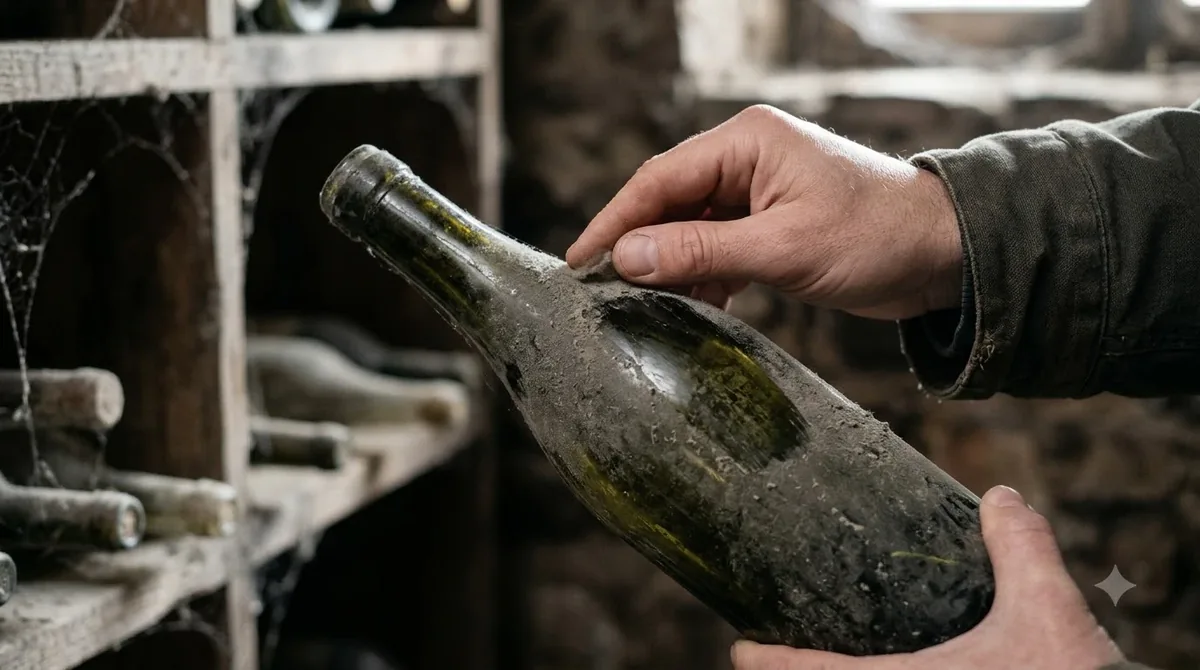
Brunello di Montalcino is the flagship wine of the area. It must be made from sangiovese grosso grapes grown within the municipality, and it must be aged five years before release. Riserva bottlings must be aged six years. That long aging is the main reason Brunello is known for structure and long life in the bottle.
The DOCG status matters because it sets a legal standard for the wine, from the grapes and the growing area to the aging period. For a buyer, that means the name on the label points to a specific set of rules rather than a loose style. Brunello was also the first wine awarded DOCG status, which gives the appellation a long history of regulation behind it.
Rosso di Montalcino is a DOC wine made from the same grape. It is aged for one year, so it reaches the market much sooner. Many people treat Rosso as the everyday way to enjoy the Montalcino style, while Brunello is the wine kept for special meals or for cellaring.
| Wine | Classification | Minimum aging | Typical use |
|---|---|---|---|
| Rosso di Montalcino | DOC | One year | Everyday drinking and earlier enjoyment |
| Brunello di Montalcino | DOCG | Five years | Special meals and cellaring |
| Brunello di Montalcino Riserva | DOCG | Six years | Long cellaring and celebration bottles |
Sangiovese grosso in the vineyard
Montalcino wines are built on sangiovese, the most widely planted grape in Italy. Wine Folly describes it as the grape behind Tuscany’s Chianti and notes that its character shifts with the place where it is grown. In Montalcino the grape is known as sangiovese grosso, and it is the variety required for Brunello and Rosso.
Because the wines are built for aging, growers pay close attention to the vineyard. Choices about exposure, soil, and yields all affect how the grape develops. Producers often describe their wines in terms of place, and that focus on terroir is a big part of why the appellation has such a loyal following.
Flavor and style
Sangiovese usually shows bright red fruit such as cherry, along with savory notes that reviewers often describe as roasted tomato, dried herbs, and oregano. Wine Folly lists sweet balsamic and espresso among the flavors that can show up as the wine develops. The style is bone dry, with medium-full body, medium-high tannins, and medium-high acidity.
Young Rosso tends to be brighter and fresher, with more fruit in front. Because it is aged for only one year, it often keeps more of the grape’s vibrant character, which is why it suits a relaxed meal.
Brunello is more layered, and with time it can move toward dried fruit, leather, and earthy tones. Alcohol usually sits between 13.5% and 15% ABV, which is typical for a dry Italian red.
How to serve and pair Montalcino wine
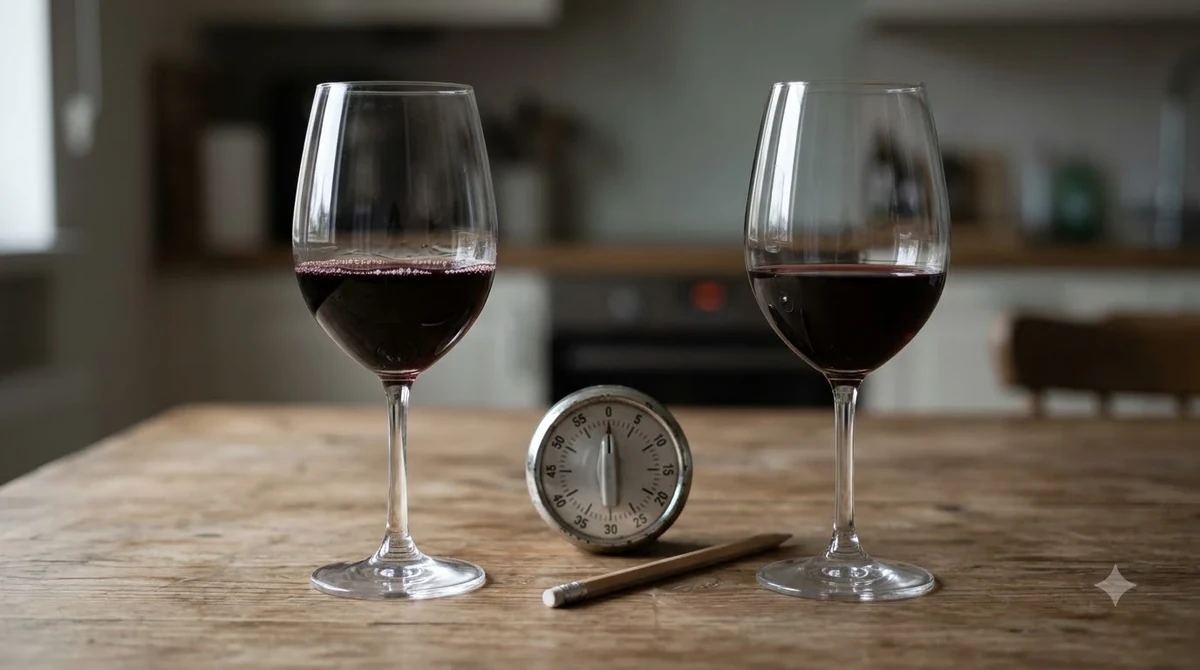
Serve sangiovese-based wines slightly cooler than many people expect. Wine Folly’s sangiovese guide suggests a serving temperature of 60 to 68°F (15 to 20°C), which keeps the acidity lively and the fruit clean. Young, tannic Brunello can benefit from decanting, while older bottles usually need only a gentle pour to avoid disturbing sediment.
The high acidity makes Montalcino a strong partner for food. Wine Folly notes that it works well with tomato-based dishes, red peppers, and grilled foods of nearly any kind. Roast meats, aged cheeses, and mushroom dishes are also classic matches. For a simple weeknight meal, Rosso di Montalcino with a pasta dish built on tomato sauce is hard to beat.
Tip: If you are new to Brunello, start with a Rosso from the same producer. It gives you a sense of the house style at a lower commitment, and you can return to the Brunello once you know what you like.
How to choose a bottle
When you shop for Montalcino wine, read the label for the classification first. DOC means Rosso, DOCG means Brunello, and Riserva signals the longer aging. Because Brunello must age for years before release, the vintage on the label tells you how long the wine has already been in the cellar.
Look for producer names that you can research. Many estates publish their own tasting notes and vineyard information, and independent wine writers have covered the appellation for decades. Pay attention to the vintage, since a warm year and a cooler year can produce noticeably different bottles from the same estate.
If you want to explore more of the Italian red wine family, our guide to Wine Regions places Montalcino alongside other famous zones and helps you compare them by grape and climate.
Readers who enjoy the idea of a single-estate, place-driven wine often look closely at individual vineyards as well as the appellation. Our overview of Montalcino vineyards looks at how the estates differ, and it is a useful next step once you know the basic rules on the label.
Montalcino also makes a useful reference point when you explore wines from other warm, sunny places. If you are curious how an Italian sangiovese compares with a red from a warm American desert region, our guide to Arizona wine shows how a warm climate can shape a red wine in a very different way.
Frequently Asked Questions
What is Montalcino wine made from?
Montalcino wine is made from sangiovese grosso, a local clone of the sangiovese grape. Brunello di Montalcino and Rosso di Montalcino both use it, and the rules require the grapes to be grown within the municipality.
What is the difference between Brunello and Rosso di Montalcino?
Brunello must be aged five years before release, or six years for the Riserva, and it carries the DOCG designation. Rosso is a DOC wine aged for one year, so it is lighter and ready sooner.
Is Montalcino wine the same as Chianti?
They share the sangiovese grape and the Tuscan setting, but they are different appellations with different rules. The Brunello rules require sangiovese grosso grown within the municipality of Montalcino, so the place name on the label carries real meaning.
How long can Montalcino wine age?
Brunello di Montalcino is built for aging and can develop for many years in good storage. Rosso is designed to be enjoyed younger, usually within a few years of release, though the exact window depends on the producer and vintage.
Montalcino wine rewards patience and curiosity. Start with a Rosso to learn the style, then move up to Brunello when you want a wine that shows more depth and age. Once you have a sense of the grape, you can compare it with other Italian reds in our Wine Regions guide.
More in Wine Regions
 Willcox Wine Trail: Discover Arizona’s High-Elevation Wine CountryUpdated Nov 20, 2026
 Yakima Valley Wine Region: Find the Best Styles to TryUpdated Nov 20, 2026
 Vosne Romanee Wine Tasting: Identify Aromas and Choose Better PairingsUpdated Nov 20, 2026
 Yakima Valley Wine Festival: Find the Best Seasonal Wine EventsUpdated Nov 20, 2026
 Wales Vineyards: Discover Cool-Climate Wines and Where to VisitUpdated Nov 20, 2026
 Yountville Wine Festival: Discover Napa Wines and Local FoodUpdated Nov 20, 2026