

We may earn a commission when you buy through links on this page, at no extra cost to you. Learn more.
This franzia sangria review finds that Franzia Fruity Red Sangria is a convenient, light-bodied, sweet red wine with citrus and berry flavors, making it a practical choice for casual gatherings and chilled outdoor entertaining. Its 9% ABV, large boxed formats and easy-pouring dispenser appeal to people who prefer approachable fruit-forward wine over structured, dry reds. However, drinkers who want traditional dry Spanish sangria, pronounced tannins or complex wine flavors may prefer another style.
Franzia Fruity Red Sangria takes a straightforward approach to a familiar wine-based drink. Rather than requiring a bottle of red wine, fresh fruit, brandy and several hours of preparation, it arrives ready to pour. Its appeal rests on accessible fruit flavors, noticeable sweetness and packaging designed for sharing. Understanding its taste, serving options and practical limitations makes it easier to decide whether this boxed sangria deserves a place at your next cookout, picnic or informal dinner.
Who This Franzia Sangria Is For
Franzia Fruity Red Sangria is best suited to casual wine drinkers who enjoy sweet, fruit-forward drinks and want something easy to serve. Its light body, citrus character and 9% ABV make it a different proposition from a traditional dry red wine or a stronger spirit-based cocktail.
The wine makes particular sense for gatherings where convenience matters more than detailed wine analysis. A 3-liter or 5-liter box can supply multiple guests without requiring several bottles, and the integrated dispensing system makes pouring relatively simple. The producer identifies themed picnics, casual dinners and fried chicken as appropriate occasions or pairings. Those recommendations suggest an informal, food-friendly drinking experience rather than a formal wine-and-food presentation.
It is also a reasonable option for people who find conventional red wine too dry or tannic. Cabernet Sauvignon and many Syrah wines can have firm tannins, dark fruit flavors and a more structured finish. Franzia’s sangria takes a softer, sweeter direction. Its fruit character is more prominent, and its lighter body makes it easier to serve cold over ice.
However, expectations matter. This is not a bottle for someone seeking a complex Rioja, an aged Tempranillo or a traditionally prepared Spanish sangria with freshly sliced oranges and additional fruit. The packaged drink prioritizes consistency and convenience. Those are legitimate strengths, but they are different from the qualities that make a premium wine interesting.
People comparing familiar boxed wines can also explore Wine Brands for a wider understanding of producers, packaging formats and approachable wine styles. The important question is whether sweetness and convenience match the occasion.
Key Factors to Compare Before Buying
The most useful comparison points are sweetness, flavor, alcohol strength, serving quantity and packaging. Franzia’s 9% ABV and three commonly listed package formats provide a relatively straightforward starting point for choosing the right quantity.
The producer describes Fruity Red Sangria as vibrant and sweet, with citrus and berry notes. Its light body means it does not deliver the weight or tannic grip expected from a traditional full-bodied red wine. Instead, the fruit-forward profile is intended to remain approachable when served cold. The sweetness is important because it influences both the wine’s food compatibility and the type of drinker likely to enjoy it.
| Comparison factor | Franzia Fruity Red Sangria | What it means |
|---|---|---|
| Alcohol content | 9% ABV | Moderate-strength wine compared with many conventional table wines |
| Body | Light-bodied | Less weight and structure than full-bodied red wine |
| Sweetness | Medium-sweet to sweet | Fruit-forward rather than dry |
| Main flavor notes | Citrus and berries | Bright, approachable fruit character |
| 3-liter format | Approximately 20 servings | Suitable for smaller gatherings |
| 5-liter format | Approximately 34 servings | Better suited to larger groups |
| Standard serving | 5 ounces | Useful for estimating portions |
| Calories | 113 per serving | Producer-listed nutritional information |
| Carbohydrates | 12 grams per serving | Producer-listed nutritional information |
| Sugar | 9 grams per serving | Producer-listed nutritional information |
| Freshness after opening | Up to 6 weeks | Manufacturer’s stated storage guidance |
The 9% ABV figure is particularly useful when comparing this wine with conventional red wines and other ready-to-pour sangrias. Alcohol content measures the percentage of a beverage’s volume that consists of alcohol. It does not determine sweetness, fruit intensity or serving size, so those characteristics should be evaluated separately.
Package size is another practical consideration. According to Franzia, a 5-liter box provides approximately 34 five-ounce servings, while the 1.5-liter format provides approximately 10. The 3-liter version sits between those options at approximately 20 servings, according to Kroger. These figures make planning considerably easier than estimating how many glasses an unfamiliar bottle might provide.
For a closer explanation of the wine’s strength and how the percentage translates into a serving, see our guide to Franzia Sangria Alcohol Content.
For the producer’s full description, packaging options and nutritional information, visit the official Franzia Fruity Red Sangria product page.
Tip: Calculate your serving requirements before choosing a box. A 3-liter package provides about 20 five-ounce servings, while a 5-liter package provides about 34. If you are hosting a smaller group, the larger format may leave considerably more wine to store after the event.
Step-by-Step: How to Choose and Serve Franzia Sangria
Choosing the right Franzia Sangria is mostly about matching the package to the occasion and preparing it at an appropriate temperature. A few simple steps help preserve its fruit character and prevent the wine from becoming diluted or overly warm.
-
Decide how many people you are serving.
Start with the five-ounce serving measurement used by Franzia. A 1.5-liter box provides approximately 10 servings, a 3-liter box provides approximately 20, and a 5-liter box provides approximately 34. These estimates assume standard five-ounce pours rather than larger cocktail-style glasses.
-
Consider how sweet you want the wine to be.
Franzia describes this sangria as sweet, with citrus and berry notes. If your guests generally prefer Moscato, fruit wines or sweet wine cocktails, the profile may suit them. People who usually select dry Cabernet Sauvignon, Chianti or Pinot Noir may find the sweetness more pronounced than expected.
-
Chill the box before serving.
Allow sufficient refrigerator time to cool the wine evenly. Franzia specifically recommends serving Fruity Red Sangria chilled over ice. A cold serving temperature keeps the sweetness from seeming as heavy and makes the citrus character more refreshing.
-
Prepare the glasses and ice.
Use wine glasses, tumblers or other suitable drinking glasses. Add a moderate amount of ice rather than filling the entire glass with cubes. Excessive ice can dilute the drink as it melts, particularly if guests sip slowly outdoors.
-
Pour measured servings.
Use five ounces as the standard reference serving. This makes it easier to estimate how much wine remains and to compare the package’s advertised serving count with actual consumption.
-
Choose food that complements the sweetness.
Fried chicken, barbecue and citrus-based dishes are sensible starting points. The wine’s fruit character works particularly well with casual foods that have some salt, seasoning or richness. Avoid assuming that every spicy or strongly acidic dish will pair equally well.
-
Return the remaining wine to refrigeration.
Close the dispensing system properly and store the box according to the manufacturer’s guidance. Franzia states that the wine stays fresh for up to six weeks after opening. Refrigeration helps maintain freshness, especially after repeated servings.
This process is deliberately uncomplicated. Unlike homemade sangria, which can require fruit preparation, mixing and chilling, Franzia’s version is ready to serve once it has been cooled. That convenience is a major part of its appeal for parties and casual meals.
One useful distinction is that the six-week freshness statement is a manufacturer claim, not a guarantee that every opened box will taste identical throughout that period. Storage temperature, handling and how well the dispensing system is closed can influence the condition of the remaining wine.
Franzia Sangria Flavor, Sweetness and Wine Styles Explained
Franzia Fruity Red Sangria belongs to the approachable, sweet red sangria category rather than the dry, structured red wine category. Its advertised citrus and berry flavors provide a recognizable fruit-forward profile, while its light body keeps it relatively easy to drink when chilled.
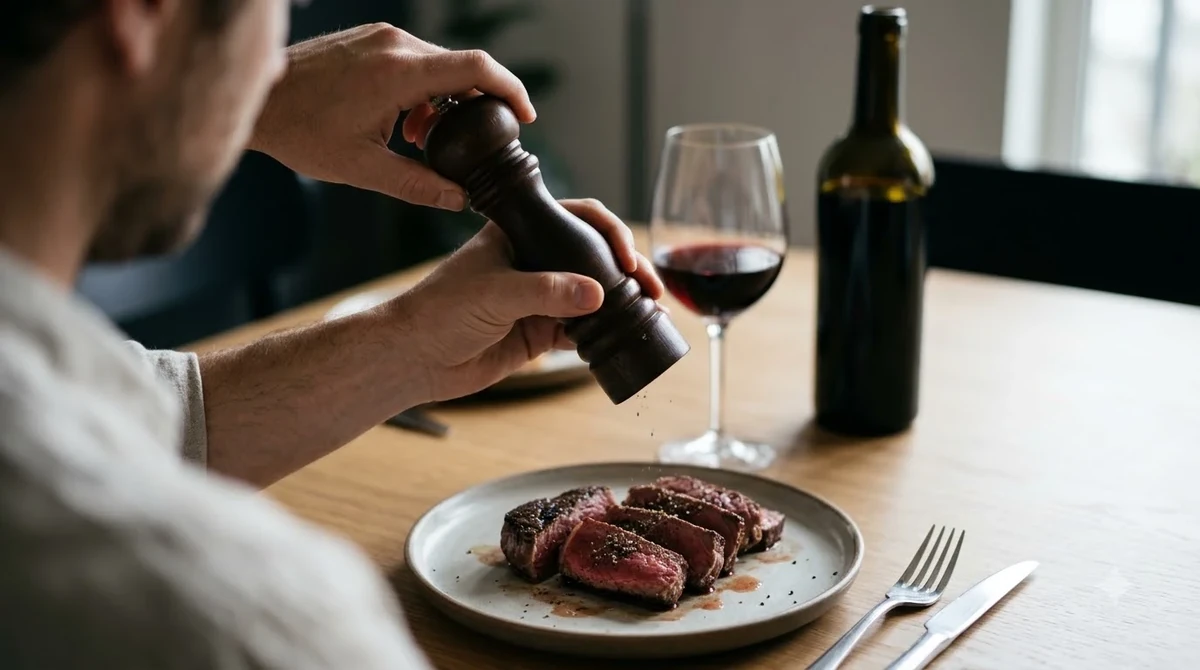
The citrus component is important because it provides a brighter impression than a purely jammy or dark-fruited red wine. Berry notes contribute a sweeter fruit impression, helping the wine feel more like a casual sangria than a conventional dry table wine. The combination is intended to be accessible without requiring extensive wine knowledge.
Sweet red sangria
Sweet red sangria generally appeals to people who enjoy fruit flavors and a softer finish. Unlike dry red wine, which relies on grape acidity, tannin and fruit structure for balance, sweet sangria places more emphasis on approachable fruit character. Franzia’s product description fits this category, identifying the wine as sweet and light-bodied.
This distinction matters when comparing it with Spanish wines such as Rioja or Ribera del Duero. Those wines can feature Tempranillo, oak influence, savory notes and firmer structure. Franzia Sangria is designed around convenience and sweetness instead. Neither approach is inherently superior; they simply serve different preferences.
Traditional Spanish sangria
Traditional sangria is generally prepared by combining wine with fruit and other ingredients. Depending on the recipe, it may include oranges, lemons, apples, brandy, sweeteners or sparkling mixers. The result can be adjusted to suit the cook’s preferences, from relatively dry to distinctly sweet.
Franzia’s ready-to-pour product removes those preparation steps. That makes it easier for hosts who want consistent servings, but it also means they have less control over the sweetness, fruit selection and strength of the final drink. Someone who enjoys experimenting with fresh ingredients may find homemade sangria more satisfying.
Fruit-forward boxed wine
Boxed sangria should also be distinguished from ordinary boxed red wine. A conventional red blend might be selected for its grape character, acidity or compatibility with dinner. Franzia Sangria is positioned more as a casual, fruit-forward drink. Its chilled serving recommendation reinforces that difference.
People who enjoy the general Franzia style can explore Franzia Sangria for additional product information. Comparing its sweetness and intended serving style with other wines from the producer can help establish whether this particular red sangria is the right selection.
Common Mistakes When Buying or Drinking Franzia Sangria
The biggest mistakes are expecting a dry red wine, buying too much for a small gathering and serving the wine too warm. Understanding the 9% ABV specification and the difference between a 3-liter and 5-liter box can prevent most purchasing surprises.
Expecting traditional dry red wine: This is probably the most important point. Franzia describes its sangria as sweet, with citrus and berry flavors. Drinkers who favor Cabernet Sauvignon, Merlot or dry Pinot Noir should not expect the same tannin, structure or finish. Even a medium-bodied Merlot can feel substantially drier than this fruit-forward sangria.
Assuming sangria is always a cocktail: Sangria can refer to different wine-based preparations. Some recipes contain added spirits, juice and fresh fruit, while packaged products have their own formulations. Franzia’s listed 9% ABV should be treated as the relevant product specification rather than assuming that it has the same strength as a homemade recipe.
Ignoring the serving count: A 5-liter box provides approximately 34 five-ounce glasses. That is a substantial quantity for a small dinner. A 1.5-liter or 3-liter package may be more appropriate when only a few people will be drinking it.
Serving it at room temperature: Franzia specifically recommends chilling the sangria and serving it over ice. Warm sweet wine can seem heavier and less refreshing. Cooling it before guests arrive is a simple way to make the intended style more enjoyable.
Adding too much ice: Ice is useful, but it melts. Filling a glass completely with ice can gradually weaken the fruit flavors. A moderate amount is generally sufficient, particularly when the wine itself is already refrigerated.
Pairing it with every spicy dish: Sweetness can work well with some spicy foods, but alcohol and tannin can intensify chili heat. Franzia is relatively light-bodied, but its 9% ABV does not make it immune to this effect. Mild barbecue, fried chicken and citrus-oriented dishes are more predictable choices than extremely hot foods.
Confusing sweetness with quality: A sweet wine is not automatically inferior to a dry one. The relevant question is whether its flavor profile suits the person drinking it. Franzia’s main strengths are convenience, fruit-forward character and accessible serving formats, not the complexity expected from premium dry reds.
Care, Storage and Serving Tips for Better Results
Franzia Sangria is designed for convenient storage and repeated pouring, but basic temperature control still matters. Refrigeration, careful dispensing and appropriate glassware help preserve the fruit character after opening.
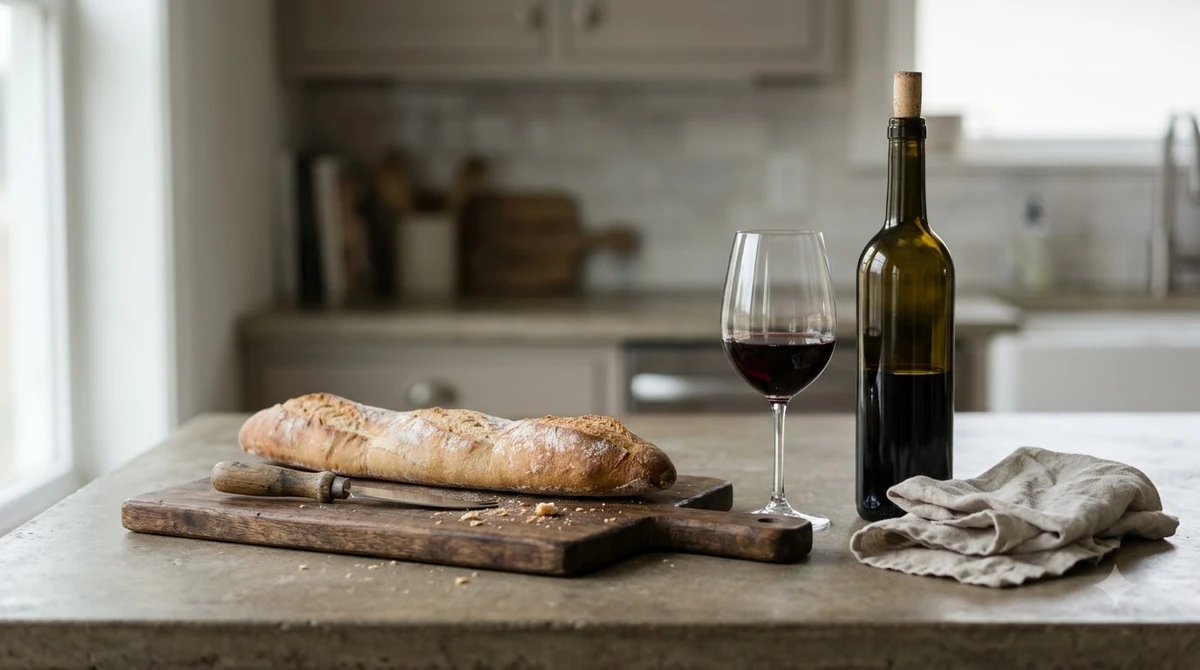
The manufacturer states that the wine stays fresh for up to six weeks after opening. That extended period is one of the practical advantages of the boxed format. The dispensing system reduces the need to remove and replace a conventional bottle cork, while the package can be stored in a refrigerator more conveniently than a collection of individual bottles.
For the best serving experience, refrigerate the wine before guests arrive. The producer’s recommendation is to serve it chilled over ice. A cold drink generally presents sweetness more evenly and provides a refreshing contrast with foods such as fried chicken and barbecue.
Serving temperature and glassware
There is no need to treat Franzia Sangria like an expensive, structured red wine that should be served close to cellar temperature. Its intended presentation is chilled. Ordinary wine glasses work well, although casual tumblers are equally practical for outdoor gatherings.
A five-ounce pour is a useful reference point for both nutritional comparisons and quantity planning. A standard 750 ml wine bottle contains approximately five such servings, while a five-liter box contains approximately 34. These measurements help hosts estimate how much wine they need without repeatedly opening additional containers.
Keeping the remaining wine fresh
After pouring, close the dispensing tap securely and return the package to refrigeration. Avoid leaving the box in direct sunlight, in a hot vehicle or beside a heat-producing appliance. Temperature fluctuations can affect the wine’s freshness and drinking quality.
Although Franzia advertises up to six weeks of freshness after opening, this should be understood as the stated maximum under suitable storage conditions. The actual drinking experience can vary depending on handling and refrigeration. If the wine develops unusual odors, unexpected changes in flavor or other obvious signs of deterioration, it should not be treated as fresh simply because the stated storage period has not elapsed.
Planning a gathering
For a small picnic, a 1.5-liter package offers approximately 10 five-ounce servings. A 3-liter package provides approximately 20, while the 5-liter format offers approximately 34. These quantities can help avoid purchasing substantially more wine than the occasion requires.
The packaging is also designed with portability and dispensing convenience in mind. Franzia highlights reduced packaging waste and a smaller carbon footprint compared with glass bottles. Those are manufacturer-stated packaging advantages, although the overall environmental impact of any wine purchase also depends on transportation, materials and disposal.
For a casual gathering, the most practical approach is to chill the wine, set out suitable glasses and offer water alongside it. Guests can then serve themselves without the host repeatedly opening bottles. The wine’s fruit-forward profile makes it a straightforward option for informal meals where elaborate preparation is unnecessary.
Frequently Asked Questions
Does Franzia Sangria contain sulfites?
Retailer product information identifies sulfites in Franzia Fruity Red Sangria. Sulfites are commonly used in winemaking to help protect wine against oxidation and unwanted microbial activity. People who need to avoid particular ingredients should review the product’s current packaging information rather than relying only on general descriptions.
Is Franzia Sangria made from Spanish grapes?
The product is marketed as a California wine, rather than as a Spanish regional wine. Its name describes a sangria-style drink, not a protected Spanish appellation. It should therefore not be confused with wines carrying specific Spanish geographical designations such as Rioja or Ribera del Duero.
Can Franzia Sangria be used in frozen drinks?
Its fruit-forward sweetness makes it a practical ingredient for a frozen sangria-style drink. It can be blended with ice and fresh citrus or berries to create a thicker presentation. Additional juice or sweeteners should be added cautiously because the original wine is already sweet.
Can you make sangria punch with Franzia?
Yes. Its ready-to-pour format can serve as the wine base for a larger punch. Fresh orange slices, apple pieces and sparkling water can provide additional aroma and texture without requiring a complicated recipe. Adding more alcoholic ingredients will change the finished drink’s strength.
Does Franzia Sangria need to breathe before serving?
No extended aeration is necessary for this ready-to-drink, fruit-forward wine. Unlike some young, full-bodied Cabernet Sauvignon or Syrah wines, which can benefit from 30 to 60 minutes of decanting, Franzia Sangria is intended to be served chilled shortly after pouring. Its preparation is primarily about temperature rather than exposure to air.
Franzia Fruity Red Sangria is a sensible choice for drinkers who prefer sweet fruit flavors, straightforward serving and convenient boxed packaging. Its 9% ABV, light body and generous package sizes make it particularly suitable for casual gatherings rather than formal wine occasions. Choose the package that matches your expected serving count, chill it thoroughly and pair it with approachable foods such as fried chicken or barbecue. For drinkers who enjoy accessible, sweet red sangria, it offers a practical alternative to preparing a pitcher from scratch.
More in Wine Brands
 Merry Edwards Wine Price: Compare Bottles and Find the Right WineUpdated Nov 21, 2026
 Ménage à Trois Moscato Price and What You Get for Your MoneyUpdated Nov 21, 2026
 Lodi Wine Price: Compare Bottles by Budget and StyleUpdated Nov 21, 2026
 Mateus Rose Review: Taste, Sweetness, and Buying TipsUpdated Nov 21, 2026
 Meiomi Cabernet Review: Flavor, Food Pairings, and Buying TipsUpdated Nov 21, 2026
 McGuigan Wine Review: Find the Right Australian Bottle for Your TasteUpdated Nov 21, 2026