

We may earn a commission when you buy through links on this page, at no extra cost to you. Learn more.
This meiomi cabernet review finds that Meiomi Cabernet Sauvignon is a fruit-forward California red suited to drinkers who enjoy ripe blackberry, boysenberry, toasted vanilla, and a plush, approachable finish. Its rich fruit profile and soft presentation make it an accessible choice for casual dinners, grilled meats, and relaxed gatherings. It is particularly appealing if you prefer generous fruit and oak influence over the firmer tannins and more restrained character of traditional Cabernet Sauvignon.
Meiomi has become associated with a recognizable California style built around ripe fruit, richness, and smooth textures. Its Cabernet Sauvignon carries that approach into a grape variety traditionally associated with substantial tannins, dark currant flavors, and structured finishes. Understanding that stylistic difference is the key to deciding whether this bottle belongs on your table. The following guide covers its flavor profile, regional background, food pairings, serving advice, and the practical details worth considering before purchasing.
Who This Is For
Meiomi Cabernet Sauvignon is best suited to drinkers who want a generous, approachable red with recognizable dark-fruit flavors rather than a particularly austere or heavily structured Cabernet. Its blackberry, boysenberry, vanilla, and graham cracker profile makes it an easy candidate for familiar meals and informal occasions.
Casual red wine drinkers are a natural audience. Cabernet Sauvignon can sometimes feel demanding because of its firm tannins and concentrated structure. Meiomi takes a softer, fruit-focused direction, making it an interesting introduction for someone who enjoys California reds but has not developed a preference for more traditional Cabernet styles.
It can also appeal to people who already enjoy Meiomi Pinot Noir and want to explore another grape from the producer. The two wines share a recognizable emphasis on ripe fruit and oak-influenced flavors, but Cabernet Sauvignon generally brings more tannin and a fuller impression. If you are familiar with the producer’s Meiomi Pinot Noir, the Cabernet offers a useful comparison in terms of body, fruit intensity, and food compatibility.
There are some drinkers for whom this is not the ideal choice. Cabernet enthusiasts who prioritize firm structure, pronounced acidity, restrained oak, and savory complexity may find the plush style less compelling. Likewise, someone seeking a delicate red with light body and subtle fruit may prefer Pinot Noir instead.
Think about the occasion as well. A wine intended for a weeknight steak dinner has different requirements from one selected for a formal tasting or extended cellar aging. Meiomi Cabernet is more naturally positioned for immediate enjoyment, straightforward food pairings, and gatherings where an expressive, familiar flavor profile is welcome.
It is also worth considering your expectations of the Cabernet Sauvignon grape. The variety does not automatically guarantee the same taste across every region and producer. A coastal California bottling with ripe fruit and oak influence can feel considerably different from a more restrained Cabernet from Bordeaux or a structured Napa Valley example.
Key Factors to Compare
The most important factors are fruit intensity, tannin, oak influence, body, and serving temperature. These characteristics explain the wine’s appeal and help distinguish it from other California Cabernet Sauvignon options.
Meiomi’s official tasting description emphasizes blackberry, vanilla, and graham cracker. Retailer descriptions add boysenberry and a plush, velvety texture. Together, these details suggest a wine designed around ripe dark fruit, a rounded palate, and noticeable oak-related character rather than a lean, aggressively tannic style.
| Factor | What to expect | Why it matters |
|---|---|---|
| Grape variety | Cabernet Sauvignon | Typically provides dark fruit, structure, and substantial tannin. |
| Origin | California | Offers a broad regional identity rather than a single-vineyard expression. |
| Fruit profile | Blackberry and boysenberry | Creates a ripe, generous fruit impression. |
| Oak-related notes | Toasted vanilla and graham cracker | Adds warmth and baking-spice associations. |
| Texture | Plush and velvety | Appeals to drinkers who prefer a softer-feeling red. |
| Serving temperature | 60–65°F | Helps preserve the fruit while keeping alcohol warmth controlled. |
| Standard bottle | 750 ml | Provides approximately five standard 5 oz pours. |
| Food direction | Grilled beef and braised meats | Protein, seasoning, and fat complement Cabernet’s structure. |
Fruit intensity and sweetness perception
Ripe blackberry and boysenberry are central to the wine’s identity. These flavors can create an impression of sweetness even when a wine is not technically sweet. Concentrated fruit, vanilla, and a rounded texture often make a red wine seem sweeter than its actual residual sugar would suggest.
This distinction matters when comparing Meiomi with a traditional dry Cabernet. A wine can remain classified as dry while presenting ripe, almost jammy fruit. The combination of fruit concentration and oak-related aromas contributes to a softer overall impression.
Tannin and structure
Cabernet Sauvignon is naturally associated with high tannin. Tannin produces the drying sensation along the gums and inside the cheeks that gives many Cabernet wines their structure. Meiomi’s plush presentation is intended to make that experience feel more approachable, but it should not be confused with the extremely light structure of a delicate red.
Think about whether you enjoy the sensation of tannin. If you usually prefer Merlot or softer red blends, Meiomi’s fruit-forward approach may suit your preferences. If you prefer the firmer grip of structured Cabernet, compare it with another bottling before deciding that a softer style is your favorite.
Oak influence and overall balance
Vanilla and graham cracker are useful clues when evaluating the oak-related character. These aromas can suggest toasted wood, warm baking spices, and a richer impression on the palate. They are not literal ingredients or evidence that the wine contains graham crackers.
The main purchasing question is whether this combination appeals to you. Some drinkers enjoy oak as a complement to ripe fruit, while others prefer the grape and regional characteristics to take priority. Neither preference is inherently better; they simply lead to different choices.
Step-by-Step: How to Choose Meiomi Cabernet Sauvignon
A sensible buying decision starts with your preferred wine style, continues with the bottle’s identity and condition, and ends with a plan for serving it. Following these steps helps prevent choosing a bottle based on its label alone.
-
Identify your preferred red wine style.
Consider whether you enjoy dark fruit, vanilla, and a rounded texture. If your usual choices include fruit-forward California reds, Meiomi Cabernet is a logical option to investigate. If you prefer bright acidity, restrained fruit, and firm tannins, compare alternative Cabernet styles first.
-
Decide what role the wine will play.
For a casual dinner, an approachable fruit-focused Cabernet can be more useful than a highly structured wine that needs several hours of aeration. For a formal tasting, you might want to compare several regional interpretations of Cabernet Sauvignon instead.
-
Confirm the bottle identity.
Look for Meiomi Cabernet Sauvignon rather than assuming that every Meiomi red has the same flavor profile. The producer also makes Pinot Noir and Red Blend, which have different grape identities and expected structures.
-
Consider the vintage information.
Different releases should not automatically be treated as identical. The original 2019 Cabernet was documented as a blend drawing on Sonoma, Monterey, and Santa Barbara fruit. That historical information provides useful background, but it should not be assumed to describe every subsequent bottling.
-
Check the retailer’s bottle details.
Compare the stated bottle size, closure, vintage information, and product description. Retail listings can differ in how much technical information they provide, so avoid treating an older product description as a specification for a newer release.
-
Choose a suitable food pairing.
Grilled steak, braised beef, and well-seasoned burgers are sensible starting points. These foods provide the savory richness and protein that work well with Cabernet’s structure.
-
Plan the serving conditions.
Allow the wine to reach approximately 60–65°F before serving. Use a standard wine glass and begin with a moderate pour so that the aromas have room to develop.
This approach is particularly useful if you are buying Meiomi for someone else. A recipient who likes rich California reds may appreciate the familiar fruit and vanilla character. Someone who regularly chooses lean European reds may prefer a different bottle.
Tip: If you are uncertain about someone’s Cabernet preferences, compare the wine with a softer Merlot or a fruit-forward Pinot Noir before purchasing several bottles. Grape variety, tannin, and oak preference are often more useful indicators than a general preference for red wine.
Types or Styles Explained
Meiomi Cabernet Sauvignon is part of a broader California wine portfolio, and understanding the differences between the producer’s wines helps explain what makes the Cabernet distinctive. The grape variety determines much of the expected structure, while the producer’s style influences fruit expression and texture.
Meiomi Cabernet Sauvignon
The Cabernet is the natural choice for someone looking for a dark-fruited, fuller-bodied red. Blackberry, boysenberry, toasted vanilla, and graham cracker are the main descriptors used in the producer’s and retailer’s descriptions. Its presentation emphasizes ripeness and a plush finish rather than a particularly austere structure.
Cabernet Sauvignon is generally a high-tannin grape. That structure makes it a natural partner for beef, lamb, and other rich dishes. The variety also tends to offer flavors associated with blackcurrant, blackberry, cedar, and herbs, depending on growing conditions and winemaking decisions.
The original Meiomi Cabernet release was sourced from Sonoma, Monterey, and Santa Barbara counties. Constellation Brands described the blend as a combination of coastal regional expressions. Its original Cabernet Sauvignon announcement also identifies the 2019 release as the first Cabernet in Meiomi’s portfolio and describes its intended rich, soft style. This regional background is useful when understanding the original wine, although the same exact sourcing proportions should not be assumed for every release.
Meiomi Pinot Noir
Pinot Noir generally offers less tannin and more pronounced acidity than Cabernet Sauvignon. Meiomi’s official portfolio identifies black cherry, toasted oak, strawberry, and toasted mocha among the Pinot Noir’s tasting descriptors.
That combination creates a different drinking experience. Pinot Noir is usually more suitable for people who enjoy lighter-bodied reds, roasted poultry, mushroom dishes, and salmon. Cabernet, by comparison, is a more natural partner for richer beef dishes and grilled meats.
For someone already familiar with the producer, the Pinot Noir is a useful reference point. If the lighter structure is exactly what you enjoy, the Cabernet may feel more substantial than expected.
Meiomi Red Blend
The Red Blend provides another alternative within the producer’s range. Meiomi describes its Red Blend using dark fruit, vanilla, and mocha. Those descriptors overlap with the Cabernet’s fruit and oak profile, but a blend is not necessarily structured like a single-variety Cabernet.
A red blend may be a practical choice if you prefer an approachable wine without being particularly committed to one grape. Cabernet Sauvignon is the more specific option for shoppers who want the recognizable structure and identity of that variety.
California Cabernet versus more traditional Cabernet styles
California Cabernet Sauvignon is not a single uniform style. Differences in climate, growing conditions, ripeness, oak treatment, and blending decisions can produce wines ranging from restrained and structured to ripe and generously textured.
Meiomi’s presentation falls toward the approachable, fruit-forward side of that spectrum. Someone accustomed to a more traditional Bordeaux-inspired Cabernet may notice a difference in the emphasis on ripe fruit and vanilla. This does not make one style inherently superior; it simply means that the wines serve different preferences.
For additional background on producers and regional styles, the Wine Brands section provides a broader starting point for comparing labels and understanding how individual wineries establish their identities.
Common Mistakes When Buying and Drinking Meiomi Cabernet
The most common mistakes involve assuming that all Cabernet Sauvignon tastes alike, serving the wine too warm, and overlooking how sweetness perception and food affect its flavor. A little attention to these details can make the drinking experience more satisfying.
Assuming all Cabernet Sauvignon is equally structured
Cabernet Sauvignon has a reputation for substantial tannin, but individual bottles can differ considerably in texture. Meiomi emphasizes ripe fruit and a velvety presentation, so expecting an extremely firm, austere wine can lead to disappointment.
Think of the grape variety as a starting point rather than a complete description. Regional character and winemaking choices matter just as much when deciding whether a bottle suits your taste.
Confusing ripe fruit with dessert-level sweetness
Blackberry, boysenberry, vanilla, and mocha-like aromas can make a red wine seem sweet. However, aromatic ripeness and residual sugar are different things. A fruit-forward Cabernet can still be a dry red wine.
This distinction becomes especially important when pairing wine with food. A genuinely sweet dessert generally requires a wine at least as sweet as the dish. A dry Cabernet should not be selected simply because its fruit aromas remind you of jam or ripe berries.
Serving the bottle too warm
Room-temperature advice is often misunderstood because modern indoor temperatures can be warmer than ideal for red wine. A full-bodied red is generally best served around 60–65°F rather than at a warm room temperature.
Excessive warmth can make alcohol seem more prominent and reduce the sense of freshness. A modest cooling period helps the wine retain a better balance between fruit, structure, and warmth.
Pairing it with delicate seafood
Cabernet’s tannin can clash with delicate fish, particularly oily fish such as salmon. The combination can make the wine taste harsher and the food less harmonious.
If seafood is the main course, a higher-acidity white wine or a lighter red is generally a safer option. Meiomi Cabernet is better suited to beef, lamb, and richly flavored meat dishes.
Ignoring chili heat
Strong chili heat can make the alcohol and tannin in red wine feel more pronounced. A heavily spiced barbecue sauce or very hot pepper rub can therefore overwhelm the balance of a Cabernet.
For spicy dishes, consider reducing the chili intensity or choosing a fruitier, lower-tannin wine. When Cabernet is the intended pairing, savory seasoning, grilled flavors, and moderate heat are usually easier to accommodate.
Expecting the original vintage details to describe every bottle
The original 2019 release received considerable attention for its coastal California sourcing and its distinctive flavor profile. However, historical technical information should not automatically be transferred to later bottlings.
This is particularly important when comparing alcohol content, grape sourcing, oak treatment, and production details. Retailer listings can preserve information about older vintages even after the product changes. Distinguishing historical release information from current product information makes for a more reliable purchasing decision.
Care and Storage Tips
Proper storage and serving conditions help preserve the wine’s fruit expression and keep its texture balanced. Meiomi Cabernet does not require complicated preparation, but temperature, light exposure, and handling still matter.
Store the bottle correctly
For longer storage, keep wine in a cool, dark environment near 55°F with relatively stable conditions. Avoid direct sunlight, excessive heat, and repeated temperature fluctuations.
Traditional cork-finished bottles are generally stored on their sides to keep the cork from drying out. Meiomi’s original Cabernet launch featured a screw-cap closure, which does not require the same cork-moistening arrangement. A stable, cool storage location remains important regardless of closure type.
Serve at the right temperature
Full-bodied reds are generally served around 60–65°F. If the bottle has been sitting in a warm room, a short period of refrigeration can help bring it closer to the preferred range.
Avoid serving it excessively cold. Very low temperatures can suppress aromatic expression and make tannins seem more pronounced. The goal is a lightly cool red rather than a refrigerator-cold bottle.
Use appropriate glassware
A medium-to-large red wine glass gives the wine sufficient room to release its aromas. This is especially useful for a Cabernet with dark fruit and toasted vanilla characteristics.
Pour approximately 5 oz per serving. A standard 750 ml bottle provides roughly five such glasses, making it straightforward to plan for a dinner with several guests.
Decanting and aeration
Young, full-bodied reds can benefit from 30–60 minutes of decanting. This allows the wine to interact with oxygen and can help its aromas become more expressive.
Decanting is optional rather than a strict requirement for Meiomi Cabernet. For an informal dinner, pouring the first glass and allowing the wine to develop in the glass may be sufficient. Compare the first pour with a later one to see whether additional aeration improves the experience.
Preserve an opened bottle
Once opened, reseal the bottle and place it in the refrigerator. Most opened still wines are best consumed within approximately three to five days, although the exact period depends on storage conditions and the wine’s condition.
Bring the remaining wine back toward the appropriate serving temperature before pouring. Refrigeration slows oxidation, but it does not stop the wine from changing. If the fruit becomes noticeably dull or the aromas turn unpleasant, the bottle may have passed its best drinking condition.
Choose food that complements the wine
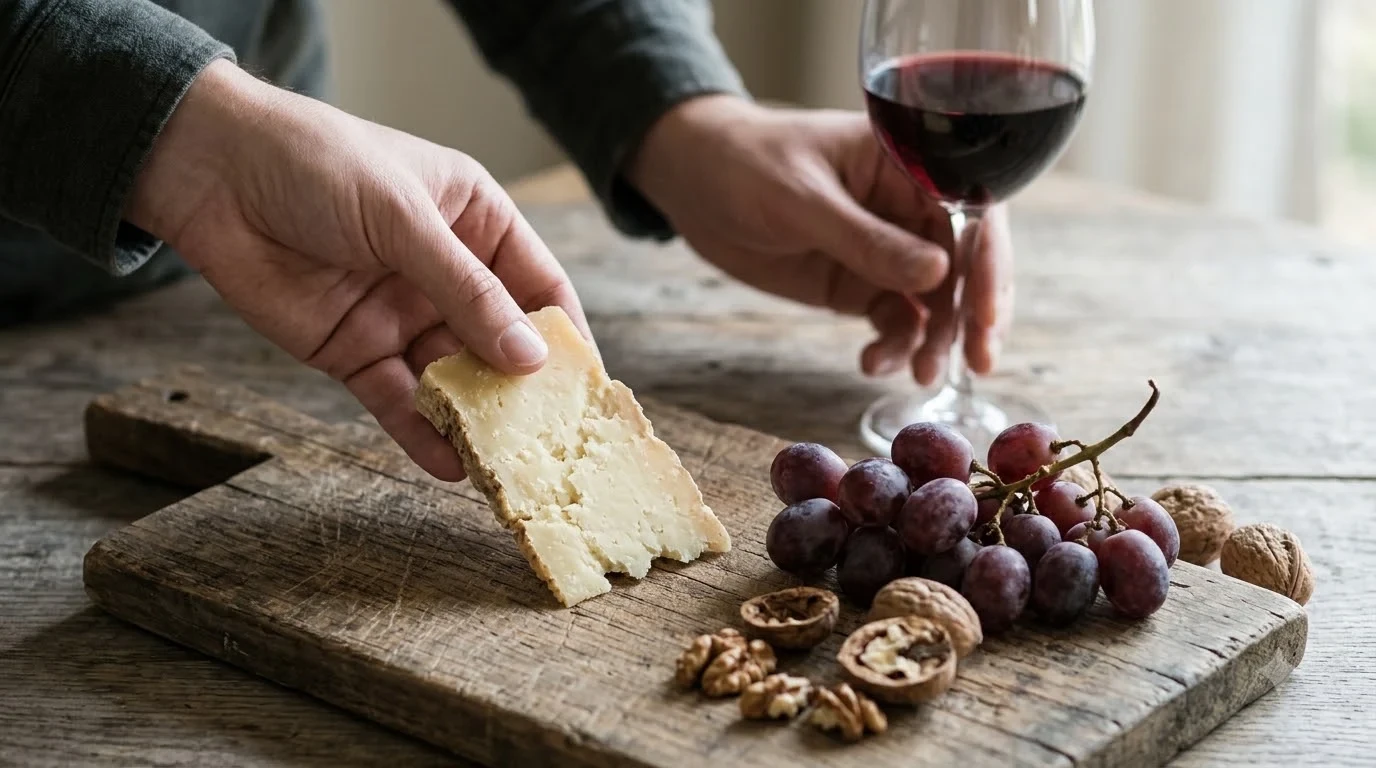
Grilled steak is an obvious pairing, but it is not the only possibility. Braised short ribs, roast beef, lamb chops, and aged hard cheeses can also work well with a fruit-forward Cabernet.
Fat and protein help soften the perception of tannin, while savory flavors create a natural contrast with ripe dark fruit. Avoid serving the wine with very delicate dishes that can disappear beside its fuller body.
Frequently Asked Questions
These answers address practical questions about Meiomi Cabernet Sauvignon, including its sweetness, serving conditions, food compatibility, and comparisons with other wines.
Is Meiomi Cabernet Sauvignon sweet or dry?
Meiomi Cabernet Sauvignon is generally positioned as a dry-style Cabernet, although its ripe blackberry, boysenberry, and vanilla aromas can create a sweet impression. Fruit-forward character does not automatically indicate high residual sugar. Its overall profile is better understood as rich and ripe rather than as a dessert wine.
How much alcohol does Meiomi Cabernet Sauvignon contain?
Alcohol content can differ between releases and product listings. For example, Wine.com lists the historical 2019 bottling at 14.5% ABV, while other retailer descriptions provide different figures for their listed products. Avoid assuming that a specification from one vintage applies to every bottle.
Does Meiomi Cabernet Sauvignon have a cork or screw cap?
The original 2019 Meiomi Cabernet launch announcement specifically identified a screw-cap closure as part of its packaging. Screw caps are practical for everyday wine because they are easy to open and reseal. Packaging can vary between products and releases, so the historical detail should not be treated as a guarantee for every subsequent bottle.
Can Meiomi Cabernet Sauvignon be served without decanting?
Yes. Decanting is optional, and the wine can be poured directly into a glass. A short aeration period can help its aromas develop, but there is no requirement to decant every bottle. This makes it a practical choice for meals where opening and serving the wine immediately is more convenient.
What makes Meiomi Cabernet different from a Napa Valley Cabernet?
The original Meiomi Cabernet was associated with coastal California sourcing from Sonoma, Monterey, and Santa Barbara counties, rather than a single Napa Valley appellation. Napa Valley Cabernet itself includes a wide range of styles, so the distinction is not simply geographical quality. Meiomi’s recognizable emphasis is on ripe fruit, vanilla, and a plush presentation.
Meiomi Cabernet Sauvignon makes the most sense for drinkers who appreciate ripe California fruit, toasted vanilla, and a softer interpretation of Cabernet’s naturally structured character. It is a practical choice for grilled beef, relaxed dinners, and occasions where an approachable full-bodied red is more important than an austere, cellar-focused style. Compare it with other Cabernet producers, including Caymus Cabernet, if you want to explore how different California winemaking approaches influence fruit intensity, texture, and overall structure.
More in Wine Brands
 Underwood Wine Price: Compare Bottles, Cans, and Pack SizesUpdated Nov 21, 2026
 Zenato Wine Price: Compare Styles and Choose the Right BottleUpdated Nov 21, 2026
 Zuccardi Wine Price: Compare Bottles and Find the Right RangeUpdated Nov 21, 2026
 Yellow Tail Moscato Review: Taste, Sweetness and Serving TipsUpdated Nov 21, 2026
 Wolf Blass Yellow Label Review: Choose Your Best StyleUpdated Nov 21, 2026
 Wolffer Estate Rose Review: Choose the Right Bottle for Your TableUpdated Nov 21, 2026