

We may earn a commission when you buy through links on this page, at no extra cost to you. Learn more.
This mcguigan wine review finds that McGuigan is a practical choice for approachable Australian wines, particularly its Black Label reds, fruit-forward whites, and easy-drinking sparkling options. The brand offers several grape varieties and sweetness levels, making it suitable for casual dinners, gatherings, and everyday wine drinkers. Its strongest appeal is accessibility rather than highly specialized regional expression, so choosing the right grape and collection matters more than relying on the brand name alone.
Australian wine brand McGuigan has a long winemaking history and a broad selection covering familiar varieties such as Shiraz, Cabernet Sauvignon, Chardonnay, and Sauvignon Blanc. Its Black Label collection is particularly prominent, but the wider portfolio also includes more specialized wines and alcohol-free alternatives. This guide examines what the brand offers, how its styles differ, and which bottles make sense for different preferences. The goal is to help American shoppers understand the range before choosing a bottle from an international retailer.
Who Should Consider McGuigan Wine?
McGuigan is worth considering for drinkers who want recognizable Australian grape varieties, approachable fruit flavors, and wines that work without elaborate food preparation. Its Black Label collection offers familiar styles across reds, whites, rosé, and sparkling wine, making it relatively straightforward to find something for different occasions.
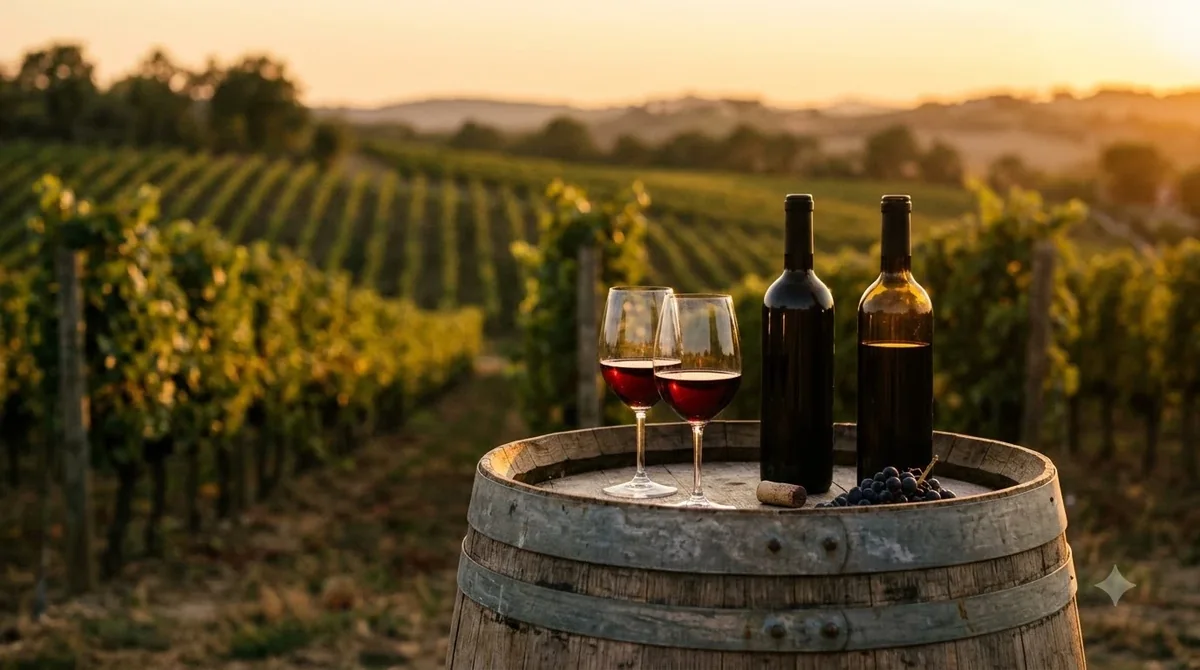
The brand has more than 100 years of winemaking heritage, according to its official website, and Australian Vintage identifies four generations of McGuigan family winemaking experience connected with the Hunter Valley. That history provides useful context, although a long-established brand name does not mean every bottle has the same origin, production method, or quality level. McGuigan produces wines from multiple Australian regions and uses different collections to serve different drinking preferences.
For beginners, the familiar grape names are a useful starting point. Someone who already enjoys fruity Cabernet Sauvignon or Shiraz can begin with the corresponding McGuigan red rather than experimenting with an unfamiliar blend. White wine drinkers can compare Sauvignon Blanc and Chardonnay, while those who prefer lighter, fruitier drinks may find Moscato or rosé more appealing.
McGuigan also suits people who want a bottle for ordinary occasions rather than a special-occasion collectible. Its approachable positioning is particularly relevant for informal meals, outdoor gatherings, pizza nights, and weekend entertaining. The brand’s emphasis on uncomplicated enjoyment is consistent with its official description of its wine philosophy.
However, experienced drinkers seeking highly distinctive single-vineyard wines, detailed vintage comparisons, or pronounced regional character should examine individual labels carefully. McGuigan’s broad portfolio means that the experience can differ substantially between a Black Label blend, a regional Chardonnay, and a higher-tier Shiraz.
Readers comparing Australian producers can also explore our wider Wine Brands coverage to understand how different producers organize their portfolios and position their wines.
Key Factors to Compare Before Buying
The most useful comparisons are grape variety, sweetness, body, acidity, alcohol level, and intended food pairing. These factors reveal more about the likely drinking experience than the McGuigan name or collection designation alone.
Black Label is the most recognizable starting point in the portfolio. The official collection includes Cabernet Sauvignon, Shiraz, Merlot, Malbec, Tempranillo, Cabernet Merlot, Sauvignon Blanc, Chardonnay, Pinot Grigio, and Verdelho, alongside rosé and sparkling options. This breadth makes it possible to compare several familiar styles within one collection.
The following table summarizes the main buying considerations. The characteristics describe typical grape styles, not guaranteed technical specifications for every McGuigan bottling.
| Wine style | Typical character | Body | Acidity | Food pairing |
|---|---|---|---|---|
| Cabernet Sauvignon | Blackcurrant, dark berries, spice | Full | Medium | Beef and lamb |
| Shiraz | Black plum, pepper, dark fruit | Medium-full to full | Medium | Grilled meats and barbecue |
| Merlot | Plum, cherry, soft fruit | Medium | Medium | Roast chicken and pasta |
| Cabernet Merlot | Dark fruit and rounded berry flavors | Medium-full | Medium | Burgers and meat sauces |
| Sauvignon Blanc | Citrus, tropical fruit, herbs | Light-medium | High | Seafood and salads |
| Chardonnay | Apple, citrus, possible creamy notes | Medium-full | Medium | Roast chicken and seafood |
| Pinot Grigio | Pear, apple, light citrus | Light | Medium-high | Light pasta and shellfish |
| Moscato | Sweet, aromatic, floral fruit | Light | Low-medium | Fruit desserts and mild cheeses |
Alcohol level is another useful comparison. Published McGuigan Black Label Sauvignon Blanc product information lists 11% alcohol, while the Black Label Red 2019 technical information lists 12.5%. These figures belong to those specific wines and should not be treated as permanent specifications for every current vintage.
Sweetness also deserves attention. A red wine described as fruit-forward can still have noticeable tannins, and a white wine with tropical fruit aromas is not necessarily sweet. McGuigan’s published Sauvignon Blanc notes describe passionfruit, peach, cut grass, and a zesty lime finish, while the Black Label Red notes describe blackcurrant, cherry, pepper, and spicy oak.
For a more focused look at the collection, our McGuigan wine overview provides another useful starting point for comparing the brand’s offerings.
Step-by-Step: How to Choose a McGuigan Bottle
A simple selection process can narrow the portfolio quickly. Start with your preferred wine color, decide how much sweetness you enjoy, and then match the grape variety to your meal or occasion.
-
Decide between red, white, rosé, and sparkling.
Choose red for richer meals and barbecue, white for seafood and lighter dishes, and rosé for informal outdoor occasions. Sparkling wine works well as an aperitif or for celebrations. McGuigan’s Black Label collection includes all four broad categories.
-
Select a grape variety you already recognize.
Cabernet Sauvignon is a useful choice for drinkers who enjoy structured reds, while Merlot generally offers softer tannins. Shiraz is a good option for those who prefer darker fruit and peppery flavors. For whites, Sauvignon Blanc tends to be more acidic and refreshing than Chardonnay.
-
Decide how much sweetness you prefer.
Dry wine drinkers can begin with Cabernet Sauvignon, Shiraz, or a crisp Sauvignon Blanc. People who prefer softer fruit impressions may enjoy Merlot or certain blends. Moscato is a more suitable starting point for drinkers who specifically want noticeable sweetness.
-
Match the wine to the meal.
Consider the dominant ingredients rather than simply matching red wine with meat and white wine with fish. Cabernet Sauvignon works well with grilled beef, Sauvignon Blanc with seafood, and a fruit-forward red blend with tomato-based pasta. Salt and fat can also soften the perception of tannin.
-
Compare the individual collection and bottle description.
Black Label is a sensible entry point, while Mastercraft and other collections provide additional choices. Compare the grape, origin, alcohol percentage, and style description rather than assuming all wines within the same brand have identical characteristics.
-
Choose a bottle size appropriate for the occasion.
A standard 750 ml bottle provides approximately five conventional 5 oz glasses. That is a useful planning figure for a small dinner, although actual pours vary. For a larger gathering, plan the number of bottles according to the number of adult guests and the occasion.
-
Serve the wine at an appropriate temperature.
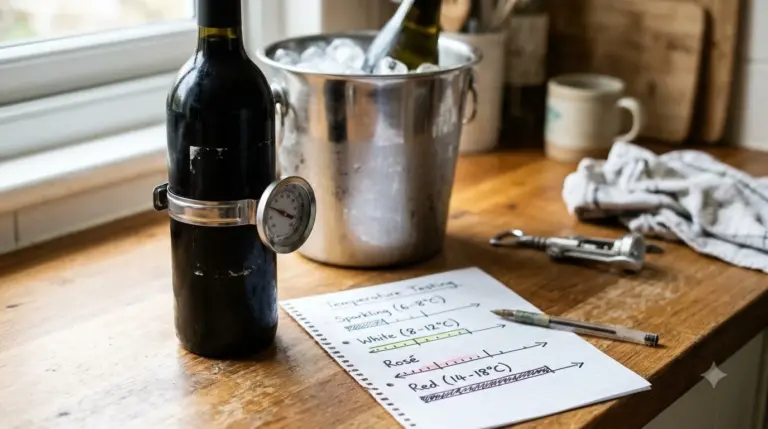
Light whites generally show well at 45–50 F, full-bodied whites at 50–55 F, light reds at 55–60 F, and fuller reds at 60–65 F. Avoid serving every red at warm room temperature, since excessive warmth can make alcohol feel more prominent.
These steps are especially useful when buying McGuigan wine online in the United States, where the available selection may be narrower than the Australian portfolio. A retailer may carry one Black Label red but not the matching white or rosé, so choosing by grape variety makes comparisons easier.
Tip: If you are unsure which McGuigan wine to choose, start with a grape variety you already enjoy. A Sauvignon Blanc drinker is more likely to appreciate another crisp, high-acidity white than a rich, full-bodied Chardonnay selected simply because both are white wines.
Types and Styles Explained
McGuigan’s range covers several distinct wine categories, with Black Label providing the most accessible introduction. Understanding the differences between these categories helps avoid choosing a wine that is technically good but unsuitable for your taste.
Black Label Red and Red Blends
Black Label Red is one of the collection’s best-known offerings. Australian Vintage identifies it as Australia’s number-one selling bottled red wine by volume in its brand description. That commercial position indicates broad market recognition, but it should not be confused with an independent quality ranking or a guarantee that every drinker will enjoy its style.
The published Black Label Red 2019 tasting notes describe lifted black fruit aromas, spicy oak, blackcurrant, cherries, black pepper, and spice. They also describe a structured palate with tight tannins toward the finish. The technical information lists 12.5% alcohol and 18 g/L residual sugar for that particular wine.
These details suggest a fruit-driven red that combines dark fruit with a noticeable sense of richness. It is not necessarily the right choice for someone looking for an austere, bone-dry, highly tannic wine. Dan Murphy’s product description also identifies Black Label Red as a full-bodied, off-dry Australian red blend, reinforcing the importance of considering sweetness as well as fruit intensity.
Cabernet Sauvignon and Merlot
Cabernet Sauvignon generally offers more pronounced tannin and structure than Merlot. The published McGuigan Black Label Cabernet Sauvignon 2020 notes describe dark red fruit, spice, vanilla, berries, cherries, and soft tannins. They also identify South Eastern Australia as the wine’s region and list 13% alcohol.
Merlot is generally softer and more approachable in tannin, making it a reasonable alternative for drinkers who enjoy red fruit and rounded textures. Cabernet Merlot blends combine the two varieties, potentially balancing Cabernet’s structure with Merlot’s softer character. These differences are more useful for choosing than assuming every red wine in the collection tastes alike.
Shiraz
Australian Shiraz is an important style to understand when considering McGuigan. The brand’s official Shiraz collection includes wines associated with Hunter Valley and Barossa Valley, two recognized Australian wine regions. The range description covers styles from smoky, full-bodied examples with black plum and toasty oak to sweeter, richer expressions.
Shiraz is generally a good choice for grilled meats, barbecue, and dishes containing black pepper or roasted spices. Its tannin can be medium-plus to high, depending on the wine. If a meal includes significant chili heat, however, a high-alcohol, tannic Shiraz may make the heat seem more intense.
White Wines and Rosé
McGuigan’s white selection gives buyers several alternatives to red wine. Sauvignon Blanc is generally the sharper, more acidic option, with citrus, tropical fruit, and herbal notes. The published Black Label Sauvignon Blanc product description specifically identifies passionfruit, cut grass, peach, and a zesty lime finish.
The same product information lists shellfish and pasta as food pairings. Its technical information includes 11% alcohol, pH 3.10, and total acidity of 6.2. Those figures help explain why the particular wine is positioned as a crisp and refreshing white.
For the producer’s complete description, see the official McGuigan Black Label Sauvignon Blanc information, which also identifies South Eastern Australia as its region. Chardonnay is generally fuller in body, with a broader range of possible fruit and oak characteristics. McGuigan’s official Chardonnay collection identifies Hunter Valley and Tumbarumba among its sourcing regions. Pinot Grigio provides another option for people who prefer lighter-bodied white wine, while rosé offers a fruit-oriented middle ground between red and white categories.
Sparkling and Sweet Styles
The Black Label collection includes sparkling red and sparkling white wines, as well as Moscato. Sparkling Shiraz is a particularly distinctive Australian category because it combines red-wine fruit character with bubbles. It can be served chilled, making it an interesting alternative to conventional sparkling white wine.
Moscato is better suited to drinkers who enjoy aromatic fruit and noticeable sweetness. It can accompany fruit desserts, mild cheeses, or lightly spiced dishes. The key is to avoid pairing a very sweet wine with a dessert that is even sweeter, since the wine can taste comparatively sharp or thin.
Common Mistakes When Buying McGuigan Wine
Many disappointing wine purchases happen because buyers confuse grape names, sweetness, and body. McGuigan’s broad selection makes it important to understand the individual style rather than choosing solely by collection name or familiar packaging.
Assuming All Black Label Reds Taste the Same
Black Label contains several red varieties, including Cabernet Sauvignon, Shiraz, Merlot, Malbec, Tempranillo, and blends. These grapes have different structures and flavor profiles. A Cabernet Sauvignon can have more pronounced tannin than a Merlot, while Shiraz often emphasizes darker fruit and peppery characteristics.
Black Label Red itself should not automatically be treated as identical to the separately listed Cabernet Sauvignon or Shiraz wines. The published Black Label Red technical sheet describes a particular red blend, while the other wines have their own grape-specific descriptions.
Confusing Fruitiness with Sweetness
Dark cherry, blackberry, pineapple, and ripe plum can create a sweet impression even when a wine contains little residual sugar. Conversely, a wine with measurable residual sugar may still taste balanced if it has enough acidity.
The Black Label Red 2019 notes list 18 g/L residual sugar, while the Sauvignon Blanc product information lists 9 g/L. These are specific technical figures rather than universal values for the current collection. They demonstrate why it is useful to distinguish flavor descriptions from actual sweetness information.
Choosing a Wine Without Considering Food
Food pairing can change how a wine tastes. High-tannin Cabernet Sauvignon works well with fatty beef because fat and salt soften the perception of tannin. A very acidic Sauvignon Blanc can be a better match for seafood dressed with lemon or vinegar because acidic food generally needs a wine with equal or higher acidity.
Oily fish can clash with strongly tannic reds, and chili heat can become more intense with high alcohol and tannin. A lighter white or rosé may be more comfortable with spicy food than a powerful red.
Expecting Every Collection to Offer the Same Experience
Black Label is positioned as an approachable collection, but McGuigan also offers Mastercraft, Hand Made, Bin 9000, Cellar Select, and other ranges. Their existence reflects a broader portfolio rather than a simple ranking that automatically makes every higher-tier bottle superior for every buyer.
It is better to compare the specific wine’s grape, region, style, and production information. A well-matched Black Label wine can be more enjoyable than a more expensive bottle whose structure does not suit the meal or personal preference.
Ignoring Vintage and Regional Differences
Wine changes with vintage and fruit sourcing. McGuigan’s published technical notes for specific Black Label wines provide useful examples, but the details of a 2019 red or 2020 Cabernet Sauvignon should not automatically be applied to a different release.
Regional sourcing also matters. The brand’s official descriptions mention South Eastern Australia for several Black Label wines, while its broader Chardonnay and Shiraz selections identify additional regions. Comparing the exact wine is more informative than treating Australia as one uniform wine-producing area.
Care, Serving, and Storage Tips
Correct serving temperature and sensible storage can make an ordinary bottle more enjoyable. McGuigan wines do not require complicated equipment, but temperature, oxygen exposure, and bottle positioning still affect how the wine presents.
Use the Right Serving Temperature
Light whites and rosé generally benefit from serving at 45–50 F. Fuller Chardonnay styles usually show better at 50–55 F, while lighter reds can be served at 55–60 F. Full-bodied reds such as structured Cabernet Sauvignon and Shiraz are generally more comfortable around 60–65 F.
For a McGuigan Sauvignon Blanc, chilling the bottle before serving helps preserve its refreshing citrus character. A red blend or Shiraz should not be served excessively warm, as high temperatures can make alcohol seem more prominent and reduce the impression of freshness.
Store Unopened Bottles Properly
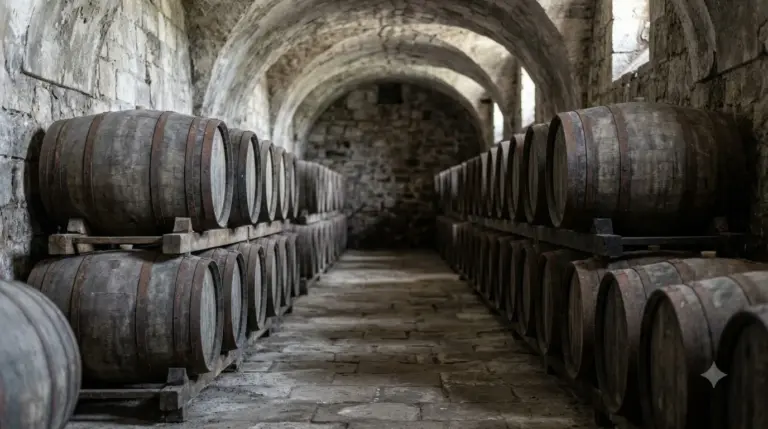
Store unopened wine in a cool, dark place with relatively stable temperatures. A temperature near 55 F is a useful general target for longer-term storage. Bottles with natural cork closures are generally stored on their sides to keep the cork from drying out, while screw-cap bottles do not require horizontal storage for cork maintenance.
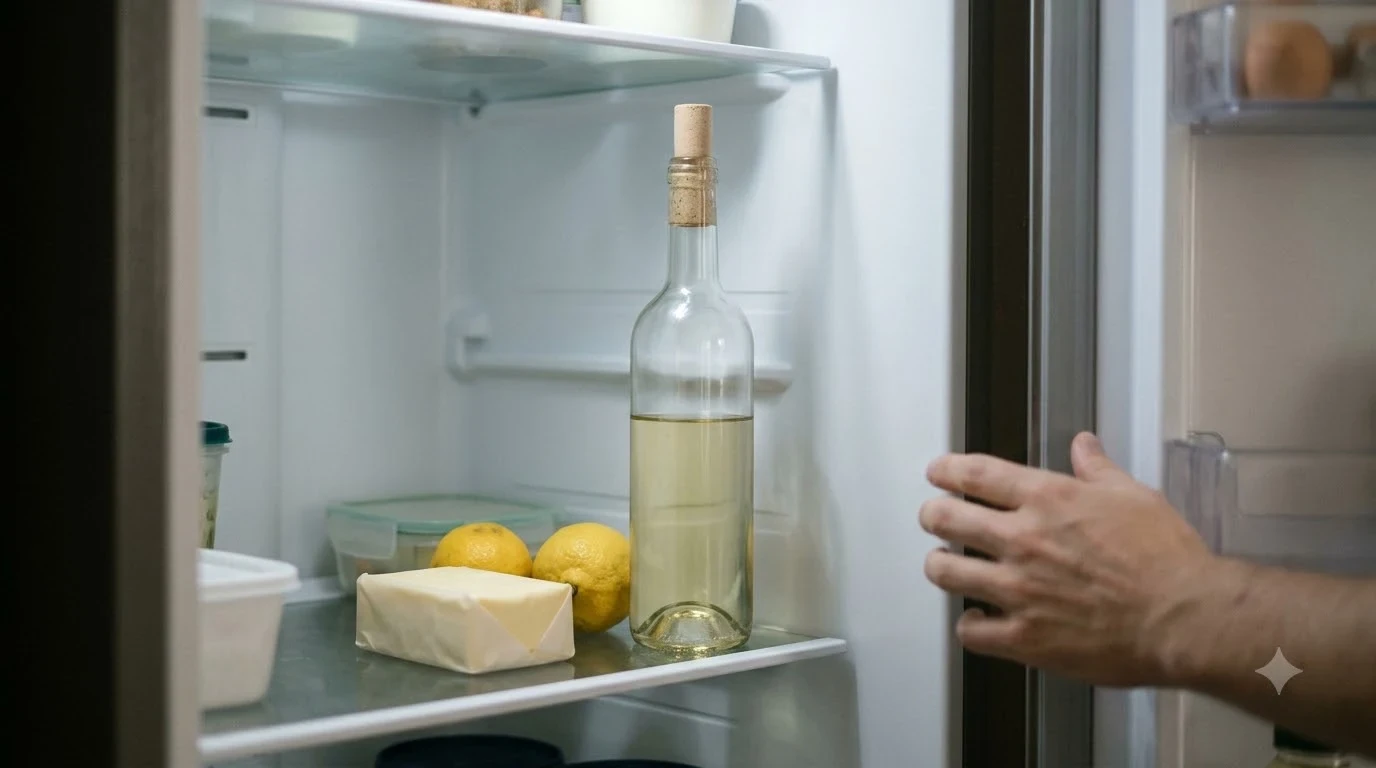
Keep bottles away from direct sunlight, heaters, kitchen ovens, and repeated temperature fluctuations. A standard domestic refrigerator is useful for chilling wine before serving, but its dry environment and frequent door movement are not ideal for long-term wine storage.
Handle Opened Bottles Carefully
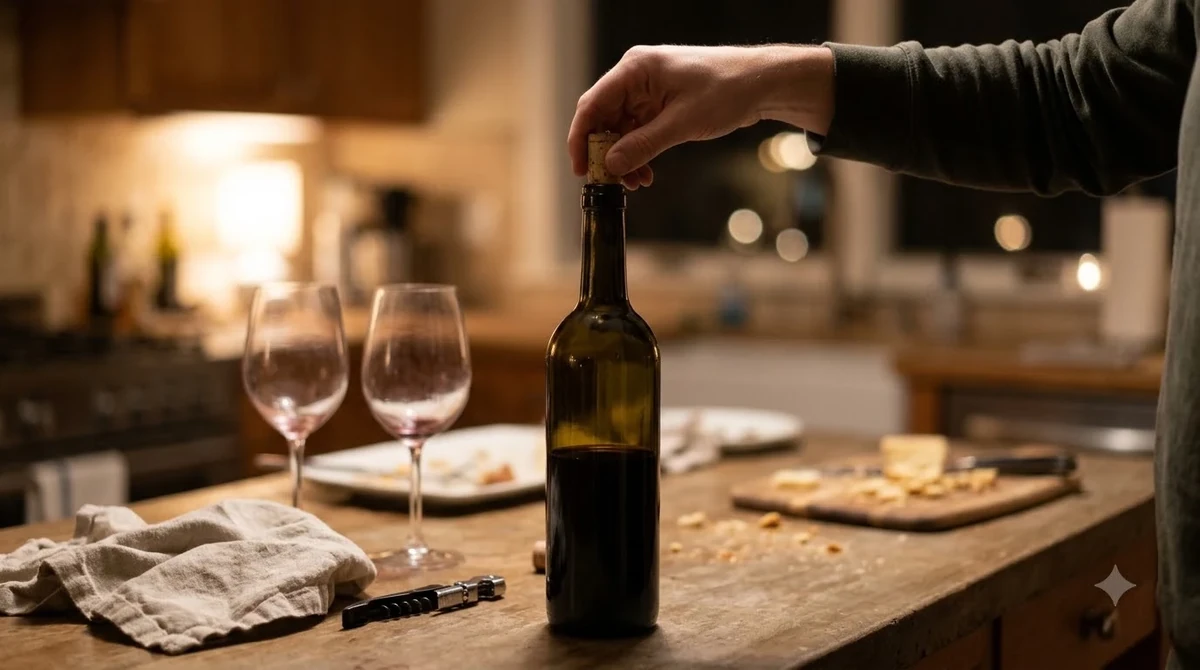
Once opened, still wines generally remain enjoyable for approximately three to five days when resealed and refrigerated. Sparkling wines usually retain their best character for approximately one to three days with an appropriate sparkling-wine stopper. These are general storage estimates, not guarantees, since wine condition depends on the original wine and exposure to oxygen.
For a red wine that needs more air, a young, full-bodied Cabernet Sauvignon or Shiraz can benefit from approximately 30–60 minutes of decanting. This can soften the initial impression of a structured wine and release more aromas. Lighter Merlot or a simple red blend may not require the same treatment.
Match Food and Wine Temperature
Food temperature and seasoning matter just as much as grape variety. A rich roast with salt and fat can complement Cabernet Sauvignon, while tomato-based pasta can work with a fruit-driven red blend. McGuigan’s published Black Label Red 2019 notes specifically recommend tomato-based Italian food, spicy Asian dishes, pizza, and roast dinners.
For white wines, Sauvignon Blanc is a natural candidate for seafood, salads, and fresh pasta. Its acidity can balance richer sauces and complement lemon-based dressings. Chardonnay may be more suitable for roast chicken or creamy seafood dishes, especially when the wine has a fuller body.
For dessert, select a wine at least as sweet as the food. A sweet Moscato can work with fruit desserts, while a dry Sauvignon Blanc is usually a poor match for a very sweet cake. The same principle helps explain why pairing should consider sweetness and acidity instead of simply matching colors.
Frequently Asked Questions
Is McGuigan an Australian-owned wine brand?
McGuigan is an Australian wine brand within Australian Vintage Limited’s portfolio. Australian Vintage is an Australian wine company with its own corporate operations and brand portfolio. The McGuigan name is associated with four generations of family winemaking heritage in the Hunter Valley.
Does McGuigan make wines without alcohol?
Yes. McGuigan offers a collection called McGuigan Zero. The range is designed for people seeking alternatives to conventional alcoholic wine. Individual products can include different wine styles, so the alcohol information for the particular bottle remains important.
Is McGuigan Black Label Red a blend or a single grape wine?
Retailer product information identifies Black Label Red as an Australian red blend rather than a single-variety Cabernet Sauvignon or Shiraz. Its precise blend composition can vary by release. This distinction matters for shoppers who specifically want a bottle made entirely from one grape variety.
Does McGuigan produce wines from the Hunter Valley?
Yes. The Hunter Valley is part of the McGuigan family’s winemaking heritage, and the brand’s official Chardonnay information identifies Hunter Valley among its sourcing regions. The wider portfolio also includes wines associated with other Australian regions, so not every McGuigan bottle is a Hunter Valley wine.
Can McGuigan wines be used for cooking?
Yes. Dry McGuigan reds can be used in tomato-based sauces, braises, and reductions, while dry whites can work in seafood sauces and risotto. Choose a wine whose flavor suits the dish rather than using a noticeably sweet Moscato in a recipe intended for dry wine.
McGuigan offers a broad selection of approachable Australian wines, with Black Label providing a useful starting point for comparing familiar grapes and styles. For the most satisfying purchase, choose according to sweetness, body, acidity, and food pairing rather than brand recognition alone. A familiar grape variety and a suitable serving temperature are two simple ways to get more enjoyment from the bottle.
More in Wine Brands
 Lodi Wine Price: Compare Bottles by Budget and StyleUpdated Nov 21, 2026
 Mateus Rose Review: Taste, Sweetness, and Buying TipsUpdated Nov 21, 2026
 Meiomi Cabernet Review: Flavor, Food Pairings, and Buying TipsUpdated Nov 21, 2026
 Mer Soleil Wine Price: Compare Bottles and Find the Right ChardonnayUpdated Nov 21, 2026
 Masi Costasera Wine Price: What to Expect Before You BuyUpdated Nov 21, 2026
 McGuigan Wine Price: Compare Bottles and Find the Right ValueUpdated Nov 21, 2026