

We may earn a commission when you buy through links on this page, at no extra cost to you. Learn more.
Mcguigan wine price typically falls around $9.99 to $12.99 for selected 750 ml bottles in US retailer listings, making the brand an accessible option for everyday Australian wine. The final cost depends on the collection, grape variety, retailer, local availability and bottle format. Black Label, The Plan and Bin 2000 are useful starting points for shoppers comparing McGuigan wines at different retailers.
McGuigan has a broad Australian portfolio, so there is no single price that applies to every bottle. Its range includes approachable reds, crisp whites, rosé, sparkling wines and non-alcoholic alternatives, alongside collections positioned for more specialized wine preferences. Understanding the differences between these ranges makes it easier to decide whether a particular bottle offers the right combination of style, quality and value. This guide explains typical US retail pricing, the collections worth comparing and the practical details to consider before buying.
Who This McGuigan Wine Price Guide Is For
This guide is useful for shoppers who want an affordable Australian wine for everyday drinking without choosing a bottle based on its label alone. It also helps people comparing McGuigan’s Black Label, The Plan and other collections understand why prices can differ between bottles.
McGuigan offers a wide selection of familiar grapes, including Shiraz, Cabernet Sauvignon, Merlot, Chardonnay and Sauvignon Blanc. That variety makes the brand relevant to several types of shoppers. Someone looking for a fruit-forward red for a weekend barbecue has different priorities from someone buying a crisp white for seafood or a lighter bottle for an afternoon gathering.
Price-conscious buyers should pay particular attention to bottle size, grape variety and retailer location. A 750 ml bottle is the most useful comparison point because it is the standard format in many US wine shops. Comparing two wines by their actual bottle size prevents a case listing or multipack from appearing cheaper than a single-bottle purchase when the quantities are different.
McGuigan is also worth considering for people who want to explore Australian wine without starting with a specialized regional selection. Its portfolio includes recognizable international grape varieties and collections with different levels of positioning. The brand’s official website describes its approach as making wine approachable rather than overly formal, which is consistent with its broad selection of everyday styles.
Shoppers seeking a specific wine should begin with the grape and intended drinking occasion, then compare prices. Someone who prefers softer reds may find Merlot more appealing than Cabernet Sauvignon, while a drinker who likes peppery, fuller-bodied reds may prefer Shiraz. Those differences matter more than choosing a bottle simply because it has a familiar collection name.
Key Factors to Compare When Checking McGuigan Wine Prices
The most useful comparison combines collection, grape variety, bottle size and retailer availability. GotoLiquorStore displays indicative starting prices of approximately $9.99 to $12.99 for selected McGuigan 750 ml bottles; prices vary by state and retailer.
| Comparison factor | What to look for | Why it matters |
|---|---|---|
| Collection | Black Label, The Plan, Bin 2000 | Different collections serve different shopping preferences. |
| Bottle size | 750 ml | Provides a consistent comparison between individual bottles. |
| Red grape | Shiraz, Merlot, Cabernet Sauvignon | Helps match body, tannin and flavor preferences. |
| White grape | Chardonnay, Sauvignon Blanc | Helps distinguish fuller whites from fresher, more acidic styles. |
| Retailer | Local wine shop or online retailer | Stock, local taxes and delivery can affect the final cost. |
| Purchase format | Single bottle or six-bottle case | Prevents misleading comparisons between different quantities. |
| Wine style | Still, sparkling or non-alcoholic | Different production styles and purposes can affect positioning. |
Collection is a particularly useful starting point. The official McGuigan catalog separates its wines into Black Label, Bin 9000, Hand Made, Mastercraft, Personal Reserve, The Shortlist and several other collections. These names identify different parts of the portfolio, rather than different grape varieties. A Black Label Shiraz and a higher-positioned Shiraz from another collection can share the same principal grape but offer different purchasing propositions.
Grape variety is the next consideration. Shiraz and Cabernet Sauvignon generally offer more tannin and structure than Pinot Noir, while Merlot is typically softer. Among whites, Sauvignon Blanc tends to have higher acidity than Chardonnay. These differences affect how a bottle works with food and whether it suits a particular drinker’s preferences.
Retailer availability is also important in the United States. GotoLiquorStore explains that it needs a delivery address to display area-specific pricing and availability. A listing visible in one market may not be available in another. State taxes, local distribution and retailer inventory can all affect the amount paid at checkout. Its McGuigan wine catalog is a useful reference for identifying the varieties and bottle formats listed for US shoppers.
The producer’s Australian website is useful for identifying the complete range, but its domestic prices should not be treated as US retail prices. Australian and American markets have different currencies, taxes, distribution arrangements and retail structures. For an American shopper, local listings are a better guide to the likely purchase cost.
For a closer look at the brand’s broader portfolio, the McGuigan wine overview provides useful context before comparing individual bottles.
Step-by-Step: How to Find the Right McGuigan Bottle
A sensible buying process starts with a preferred wine style and ends with a local price comparison. Following these five steps helps avoid paying for a collection or grape variety that does not match the intended occasion.
-
Choose red, white, rosé or sparkling.
Start with the type of wine you normally enjoy. Shiraz, Cabernet Sauvignon and Merlot are possible red choices, while Chardonnay, Sauvignon Blanc and Pinot Grigio provide different white-wine experiences. If you prefer a non-alcoholic option, investigate McGuigan Zero separately.
-
Choose the grape variety.
For a fuller red, consider Shiraz or Cabernet Sauvignon. Merlot is a useful alternative for someone who prefers softer tannins. Sauvignon Blanc suits drinkers who enjoy crisp acidity, while Chardonnay is generally more rounded in acidity and texture.
-
Identify the collection.
Begin with Black Label or The Plan if your priority is an accessible everyday selection. Compare other collections, such as Bin 9000, The Shortlist and Mastercraft, if you want to explore more of the producer’s portfolio.
-
Compare the same bottle format.
Use 750 ml bottles as your baseline. If one retailer displays a six-bottle case and another displays a single bottle, divide the case total by six before comparing the per-bottle cost. Also account for delivery charges where applicable.
-
Check local availability and complete the comparison.
Look at at least two retailers serving your area. Compare the bottle description, vintage where specified, format and final checkout amount. Choose the wine that meets your style preference and budget rather than automatically selecting the lowest listing.
This process is especially helpful when comparing several McGuigan Shiraz bottles. The grape variety alone does not tell you everything about the wine. Collection, origin, vintage and production choices can influence the finished character, so the most expensive listing is not automatically the best match for every occasion.
Tip: Compare prices per 750 ml bottle, not just the advertised case total. A six-bottle case and an individual bottle are different purchase quantities, and delivery costs can change which retailer represents better overall value.
For shoppers who already know they prefer red wine, the McGuigan red wine selection is a practical next step. It helps narrow the search to grape varieties and styles rather than requiring a comparison of the entire portfolio.
McGuigan Wine Types and Collections Explained
McGuigan’s portfolio covers everyday wines, familiar varietal styles and more specialized collections. Black Label is a prominent starting point, while The Plan, Bin 2000, Bin 9000 and McGuigan Zero offer additional directions for shoppers with different preferences.
Black Label
Black Label is one of the brand’s best-known collections. The producer describes it as rich, generous and approachable, with a selection that includes red, white, rosé and sparkling styles. Its varietal range includes Shiraz, Cabernet Sauvignon, Merlot, Malbec, Chardonnay, Pinot Grigio and Sauvignon Blanc.
Black Label is particularly relevant for shoppers who want recognizable grapes and an accessible style. Black Label Red is a notable part of the collection, and McGuigan identifies it as Australia’s number-one-selling bottled red wine on its official range page. That statement is the producer’s own positioning and should not be confused with a guarantee of individual preference or quality.
People interested in this collection can explore the dedicated McGuigan Black Label wine guide for more detail about its varieties and styles.
The Plan and Bin 2000
The Plan is another collection that appears in US retail listings. GotoLiquorStore includes The Plan Shiraz, The Plan Cabernet Sauvignon, The Plan Red Blend and The Plan Chardonnay in its McGuigan catalog. This gives shoppers several familiar styles to compare without needing to move to a different producer.
Bin 2000 Shiraz is another option identified in the same retailer catalog. It is useful to compare it with The Plan Shiraz and Black Label Shiraz by grape, bottle size and local retail listing. The collection name alone does not establish that one bottle will be more enjoyable or better suited to a particular meal.
Bin 9000 and The Shortlist
Bin 9000 and The Shortlist are separate collections in McGuigan’s official Australian portfolio. The producer lists both alongside Black Label, Hand Made and Mastercraft, showing that the brand covers more than its familiar everyday selection.
These collections may appeal to shoppers who want to investigate additional Australian wine styles. Semillon is particularly relevant to the brand’s Hunter Valley associations, while The Shortlist includes wines such as Riesling in the producer’s range. Looking at the grape and region gives more useful information than relying on the collection name alone.
Mastercraft, Hand Made and Personal Reserve
Mastercraft, Hand Made and Personal Reserve represent other distinct parts of the portfolio. The official catalog lists them as separate collections, with a broad assortment of red and white wines across the overall range. They are worth considering when a shopper wants to explore beyond the most familiar Black Label options.
For these collections, compare the individual wine rather than assuming every bottle has the same style or positioning. A Chardonnay and a Shiraz will have different flavor profiles and food uses even if they belong to the same collection. The same principle applies when comparing wines from different Australian regions.
McGuigan Zero
McGuigan Zero is the producer’s non-alcoholic range. It provides an alternative for shoppers who want a wine-style drink without choosing one of the conventional alcoholic bottles. The brand’s official portfolio includes several Zero options, so it is worth checking the individual variety rather than assuming the entire collection tastes alike.
Zero products should be compared separately from standard wines because their production and intended use differ. A shopper choosing between a regular Shiraz and a non-alcoholic Shiraz should first decide which category is appropriate, then compare the available styles and local listings.
The official McGuigan Black Label collection provides the producer’s descriptions and current selection of varieties, including its red, white and sparkling options.
Common Mistakes When Comparing McGuigan Wine Costs
Many misleading wine comparisons come from treating every McGuigan bottle as interchangeable. Collection names, grape varieties, bottle quantities and retail markets all matter, and overlooking any of them can lead to the wrong purchase.
Assuming every McGuigan bottle costs the same
The brand has multiple collections, including Black Label, The Plan, Bin 9000, Mastercraft and Personal Reserve. A broad brand-level price estimate is useful for initial budgeting, but it cannot establish the cost of every wine. A specialized collection and a familiar everyday selection should be checked separately.
Comparing Australian and American prices directly
McGuigan’s Australian online shop displays its domestic catalog and local retail information. Those figures cannot be converted into an accurate US checkout cost simply by changing the currency. Shipping arrangements, state taxes, retailer margins and distribution costs make direct comparisons unreliable.
Ignoring bottle quantity
A case of six 750 ml bottles contains 4.5 liters of wine. A single 750 ml bottle contains only one-sixth of that amount. Comparing the total case cost with the price of an individual bottle without calculating the per-bottle figure can make one option appear misleadingly inexpensive.
Choosing by grape name alone
Two Shiraz wines can differ in body, fruit character, acidity and tannin. Cabernet Sauvignon typically has high tannin, while Merlot tends to be softer. A buyer who prefers a smoother red may be better served by comparing Merlot options rather than automatically choosing the Shiraz with the lowest listed cost.
Overlooking food compatibility
A wine should suit the meal as well as the budget. Cabernet Sauvignon can work well with grilled beef, while a more acidic Sauvignon Blanc is often a better match for fresh seafood. Tannic red wines can clash with oily fish, and chili heat can feel stronger alongside wines with substantial alcohol and tannin.
Assuming the lowest listing is always the best purchase
Retailer listings may represent different vintages, bottle formats or availability conditions. A low advertised figure can also exclude delivery costs. Comparing the actual product description and final checkout amount is more useful than choosing solely on the first number displayed in a search result.
It is also a mistake to assume that a more expensive wine will necessarily suit a particular drinker better. Someone who enjoys a simple, fruit-forward red may be happier with a familiar Black Label selection than with a more specialized bottle. Personal style preferences should remain central to the decision.
Serving and Storage Tips for McGuigan Wines
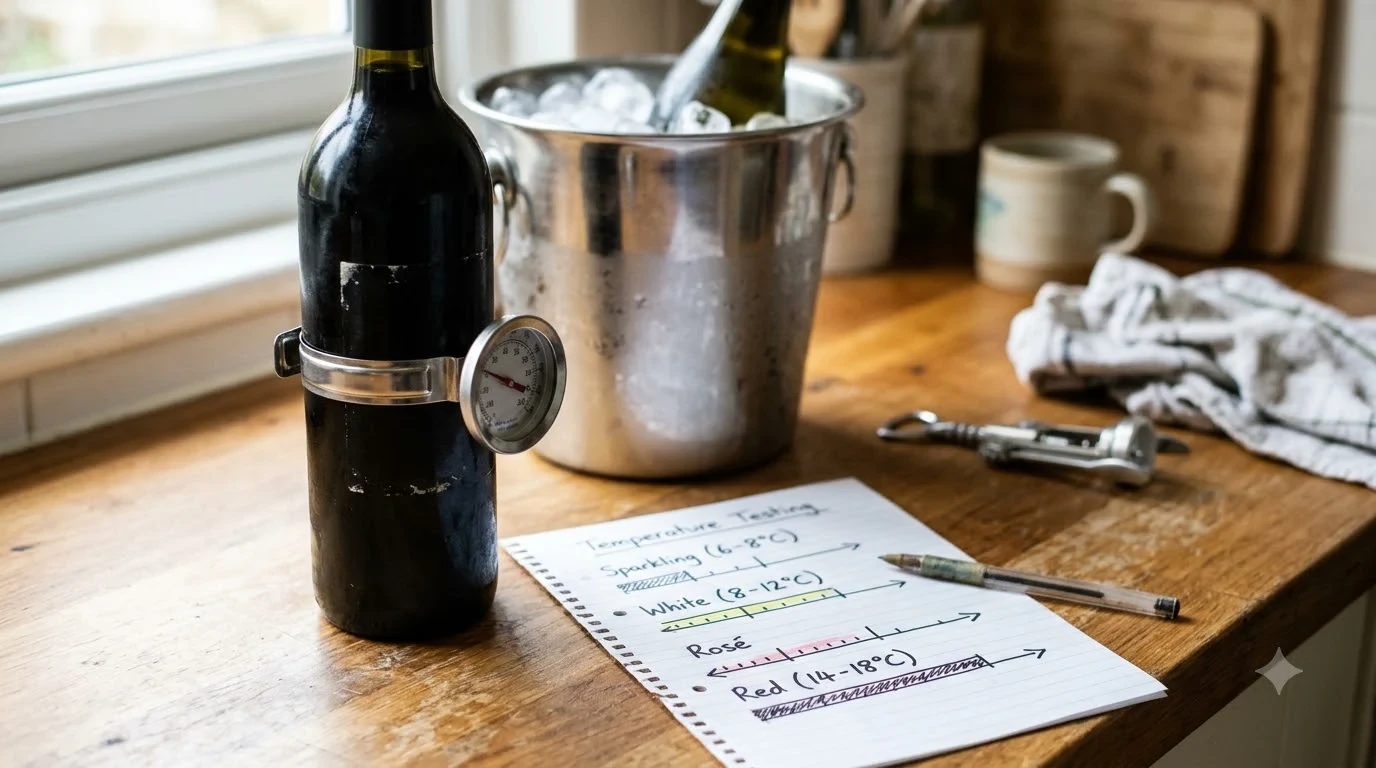
Correct serving temperature and storage can make an everyday bottle more enjoyable. Reds, whites and sparkling wines benefit from different temperatures, while opened bottles generally retain their best character for different lengths of time.
Serve red wines at an appropriate temperature
Light-bodied reds are generally best served around 55 to 60 degrees Fahrenheit. Fuller reds, including many Shiraz and Cabernet Sauvignon styles, are better around 60 to 65 degrees Fahrenheit. Serving a red wine too warm can make its alcohol seem more prominent and reduce the sense of freshness.
Merlot can be served toward the cooler end of the light-to-medium red range, depending on its body. Cabernet Sauvignon and Shiraz may benefit from a little more warmth, although they should not be served at excessively high room temperatures. A short period in the refrigerator can help bring an overly warm bottle into a more suitable range.
Keep white and rosé wines cool
Light whites and rosé generally work well at 45 to 50 degrees Fahrenheit. Fuller-bodied whites, such as richer Chardonnay styles, are usually better around 50 to 55 degrees Fahrenheit. Excessively cold service can make aromas harder to detect, so allowing a chilled glass a little time to warm can reveal more of the wine’s character.
For sparkling wines, a serving temperature of 40 to 50 degrees Fahrenheit helps preserve their refreshing character. Chill the bottle before opening and use an appropriate sparkling-wine stopper if you intend to keep any remaining wine for another occasion.
Store unopened bottles carefully
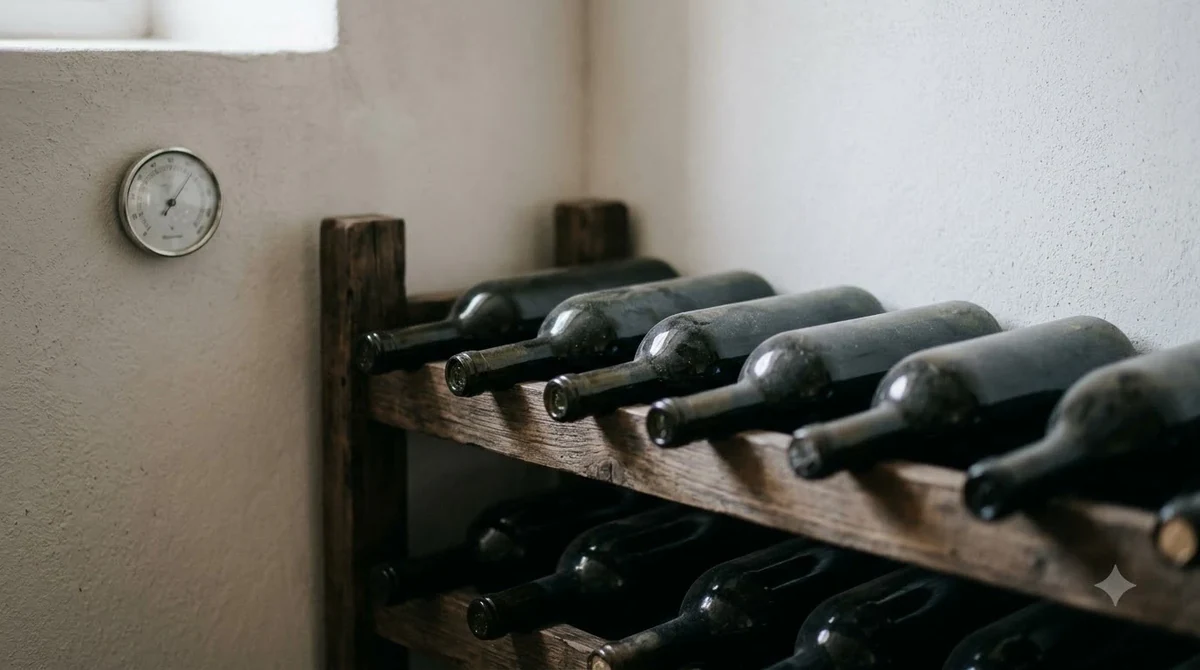
Store wine away from direct sunlight, major temperature changes and strong vibrations. A relatively stable environment near 55 degrees Fahrenheit is a useful target for longer-term storage. Bottles with traditional cork closures are generally stored on their sides to keep the cork from drying out.
For a bottle intended for near-term drinking, a cool, dark cupboard is often more practical than a warm kitchen shelf. Avoid keeping wine beside ovens, heating equipment or windows where temperature fluctuations and sunlight can affect the contents.
Preserve opened wine
Refrigerate opened still wine and aim to finish it within approximately three to five days. Sparkling wine generally retains its best character for around one to three days when properly sealed and refrigerated. These are practical guidelines rather than guarantees, because wine style, exposure to air and closure quality all affect how long it remains enjoyable.
For a typical 750 ml bottle, a standard wine serving is about 5 ounces, giving approximately five glasses. Planning servings in advance helps reduce waste, particularly when opening several wines for a meal or gathering.
These serving and storage practices apply whether the bottle is an everyday Black Label red, a crisp white or a more specialized selection from the broader McGuigan portfolio.
Frequently Asked Questions
Is McGuigan wine Australian?
Yes. McGuigan is an Australian wine brand with a history of more than 100 years of winemaking heritage, according to its official website. Its portfolio includes wines associated with several Australian growing regions, including the Hunter Valley and South Australia.
Is McGuigan Black Label Red the same as Shiraz?
Black Label Red and Black Label Shiraz are distinct product names in the producer’s collection. A blend and a single-variety Shiraz are not interchangeable descriptions. Compare the individual bottle’s grape information before choosing between them.
Does McGuigan make wine without alcohol?
Yes. McGuigan Zero is the producer’s non-alcoholic wine collection. It is a separate range from the conventional alcoholic wines, and individual Zero products should be compared by their own variety and product information.
Where is McGuigan’s Australian cellar door located?
The producer lists its cellar door at Pavilion C, Roche Estate, 2144 Broke Road, Pokolbin, New South Wales. The location is in the Hunter Valley wine area, making it a useful destination for visitors exploring regional Australian wine.
What does Bin 9000 mean in McGuigan’s wine collection?
Bin 9000 is the name of a distinct McGuigan collection rather than a grape variety or a standard bottle-size measurement. The producer lists it separately from Black Label, The Shortlist and Hand Made. To understand a particular bottle, look at its grape, vintage and regional information alongside the collection name.
McGuigan wine offers several accessible Australian styles, with Black Label and The Plan providing useful starting points for shoppers comparing familiar varieties. Selected US retailer listings indicate an approximate $9.99 to $12.99 range for some 750 ml bottles, according to GotoLiquorStore, but prices vary by state and retailer. Compare the collection, grape, bottle size and local availability before choosing the bottle that best fits your preferences and occasion.
More in Wine Brands
 Underwood Wine Price: Compare Bottles, Cans, and Pack SizesUpdated Nov 21, 2026
 Zenato Wine Price: Compare Styles and Choose the Right BottleUpdated Nov 21, 2026
 Zuccardi Wine Price: Compare Bottles and Find the Right RangeUpdated Nov 21, 2026
 Yellow Tail Moscato Review: Taste, Sweetness and Serving TipsUpdated Nov 21, 2026
 Wolf Blass Yellow Label Review: Choose Your Best StyleUpdated Nov 21, 2026
 Wolffer Estate Rose Review: Choose the Right Bottle for Your TableUpdated Nov 21, 2026