
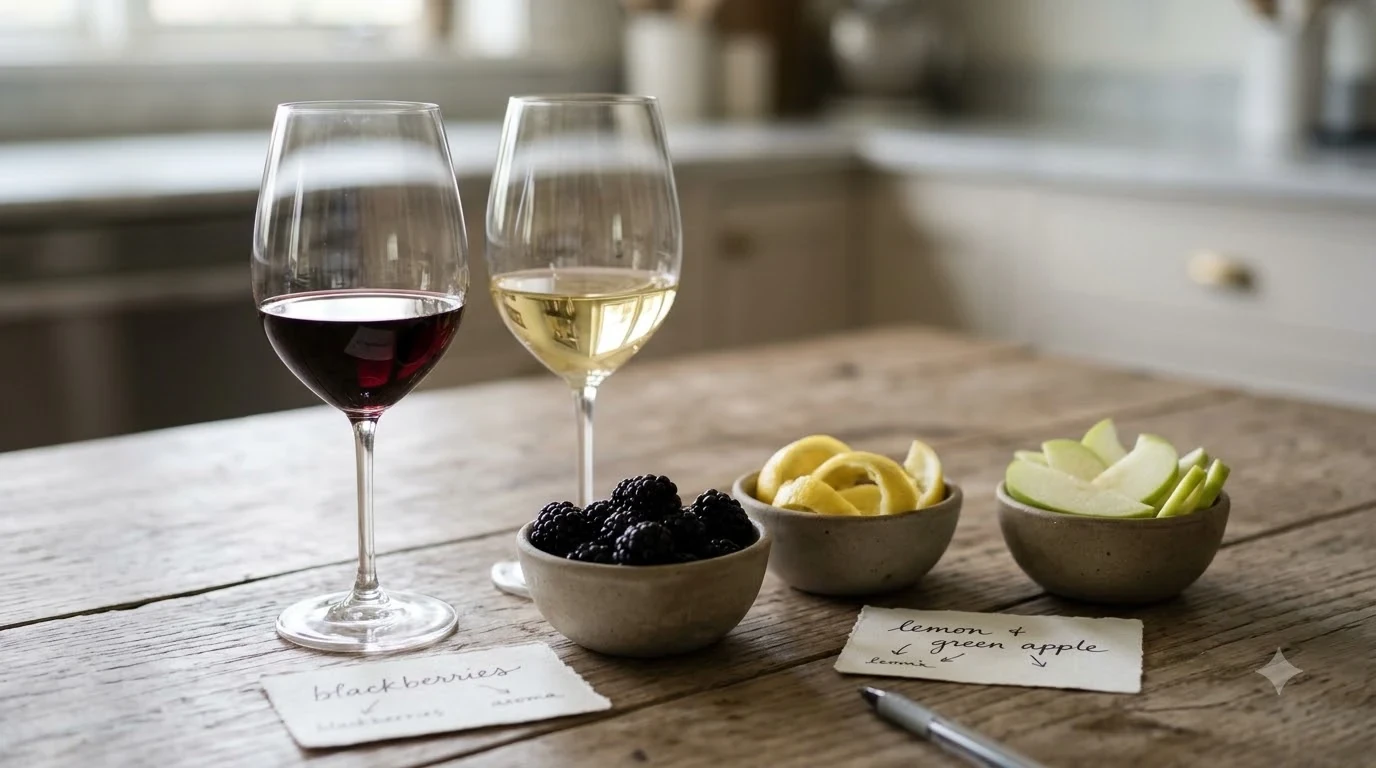

We may earn a commission when you buy through links on this page, at no extra cost to you. Learn more.
McGuigan red wine offers approachable Australian reds in varieties such as Shiraz, Cabernet Sauvignon, Merlot, Malbec and Pinot Noir, with styles ranging from soft, fruit-forward wines to fuller-bodied, structured bottles. The brand has more than 100 years of winemaking heritage and strong connections to the Hunter Valley. Its Black Label, Personal Reserve, Mastercraft and other collections provide different expressions of Australian red wine. Choosing the right bottle depends on your preferred tannin level, fruit character, food pairing and drinking occasion.
Australian red wine is known for its generous fruit flavors and variety of regional styles, and McGuigan offers an accessible introduction to these characteristics. Whether you enjoy a smooth Merlot with dinner, a peppery Shiraz with grilled meat or a structured Cabernet Sauvignon for a special meal, understanding the grape varieties and collections makes choosing easier. Here is what to know about McGuigan’s red wines, including their flavors, origins, serving temperatures and food matches.
McGuigan’s Australian Winemaking Heritage and Red Wine Identity
McGuigan is an established Australian wine brand with a family history rooted in the Hunter Valley of New South Wales. Its background stretches back to the 1880s, and four generations of the McGuigan family have contributed to its winemaking tradition. That history provides useful context for understanding why the brand offers both familiar Australian varieties and wines from several growing regions.
The producer emphasizes consistency, quality and craftsmanship rather than limiting its identity to one grape or vineyard. Its collection includes familiar international varieties such as Shiraz, Merlot and Cabernet Sauvignon alongside Malbec, Pinot Noir and Australian red blends. This variety allows the brand to serve different preferences, from people who enjoy softer fruit-driven wines to drinkers who prefer more concentrated reds with noticeable tannins.
McGuigan also has a significant connection to the Hunter Valley, a historic Australian wine region known particularly for Semillon and Shiraz. However, the brand’s red wine selection is not restricted to that region. Its official portfolio identifies wines associated with the Barossa Valley, Coonawarra, Adelaide Hills, Gundagai and Langhorne Creek, among other Australian locations.
The wider business behind the brand, Australian Vintage, also highlights its international recognition. Its corporate brand information reports that McGuigan received the International Winemaker of the Year distinction four times at the International Wine and Spirit Competition. This recognition is part of the company’s history, although an individual bottle’s quality and style should still be assessed on its own characteristics.
For readers exploring the broader collection, the McGuigan wine overview provides a useful starting point for understanding how its red, white and other wine styles fit together. The red collection is particularly useful for comparing familiar grapes without having to move between unrelated producers.
The producer’s own McGuigan winemaking history provides additional background on the family’s Hunter Valley roots, its four generations of winemakers and its approach to consistency and craftsmanship.
Popular McGuigan Red Wine Varieties and Their Flavor Profiles
McGuigan’s red wine collection includes several grape varieties, each bringing a different combination of fruit, acidity, tannin and body. Shiraz is a natural choice for people who enjoy generous dark fruit and spice, while Merlot generally offers softer tannins and Cabernet Sauvignon provides more structure.

Understanding the differences between the grapes is more useful than relying on the color of the label or the name of a collection. Although winemaking choices and growing conditions affect the final result, grape variety provides a helpful indication of what to expect in the glass.
Shiraz: Dark Fruit and Peppery Character
Shiraz is one of the most prominent varieties in McGuigan’s red wine selection. Australian Shiraz is commonly associated with blackberry, plum, dark cherry and pepper, with fuller-bodied examples also showing savory spice and a firm tannin structure.
McGuigan’s Shiraz options make sense for drinkers who enjoy a more substantial red. Its official collection includes styles described as smoky and full-bodied, with ripe black plum and toasted oak characteristics. A fruit-forward bottle can work for casual dinners, while a more concentrated expression can accompany grilled beef, lamb chops and slow-cooked meat dishes.
The grape’s medium-plus to high tannin structure also makes it suitable for meals with enough fat and protein to balance its grip. Shiraz is particularly useful with pepper-crusted steak, barbecue ribs and roasted lamb.
Merlot: Smooth Fruit and Softer Tannins
Merlot is generally the more approachable choice for people who dislike aggressive tannins. McGuigan describes its Merlot range as showing ripe berries with a smooth, clean finish. Its official information also identifies the Limestone Coast and Barossa Valley among the growing areas represented in the range.
Expect red or dark berry fruit, a softer texture and medium tannins, although the precise character depends on the individual bottling. Merlot is particularly useful with roast chicken, beef, lamb, tomato-based pasta and mild cheeses. It can also be a sensible introduction for someone moving from lighter wines toward fuller-bodied reds.
Cabernet Sauvignon: Structure and Concentration
Cabernet Sauvignon usually offers more noticeable tannins and a firmer structure than Merlot. Common flavor associations include blackcurrant, blackberry, cedar and herbal notes. Its combination of dark fruit, acidity and tannin makes it a natural match for substantial meals.
McGuigan includes Cabernet Sauvignon in its red wine selection, including the Black Label collection. This is a good variety to consider if you enjoy red wine with grilled steak, roasted lamb or hard cheeses. Compared with softer Merlot, Cabernet Sauvignon generally benefits from food with enough richness to balance its tannins.
Other Varieties and Blends
McGuigan’s wider red selection also includes Malbec, Pinot Noir and Tempranillo. Malbec often provides dark fruit and a generous texture, while Pinot Noir is generally lighter in body, with brighter acidity and lower to medium tannins. Tempranillo can bring red cherry, savory spice and earthy characteristics.
These differences matter at the dinner table. Pinot Noir can suit roast chicken, mushroom dishes and duck, whereas Malbec is often a better partner for grilled beef and hearty dishes. Tempranillo works well with roasted vegetables, cured meats and foods featuring paprika or other savory spices.
Tip: If you are unsure which variety to start with, choose Merlot for softer tannins, Shiraz for dark fruit and spice, or Cabernet Sauvignon for a firmer, more structured experience.
McGuigan Black Label and Other Wine Collections
McGuigan organizes its wines into collections that help distinguish different styles and winemaking approaches. Black Label is one of the brand’s best-known ranges, while Personal Reserve, Mastercraft, Single Batch and McGuigan Gold provide additional choices across the portfolio.
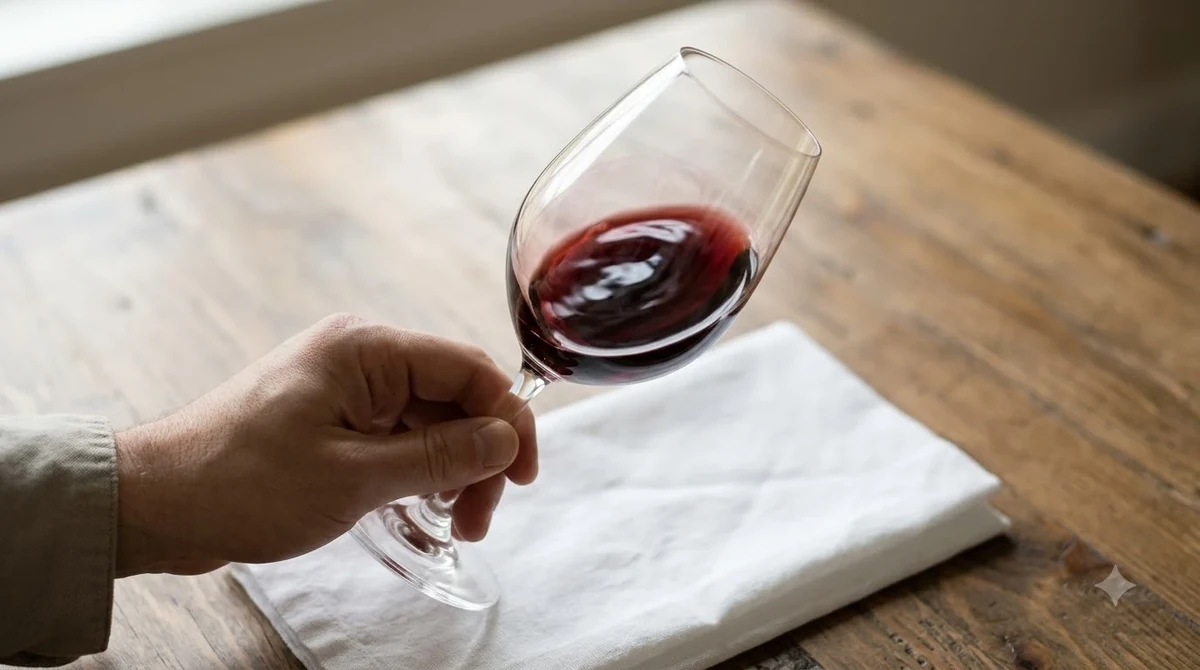
The collections should be treated as different parts of a broad wine portfolio rather than as a simple ranking in which every bottle from one range is automatically better than every bottle from another. The grape variety, regional origin and individual wine style remain important when choosing a particular bottle.
Black Label
Black Label is an important part of McGuigan’s brand identity. The range includes familiar red styles such as Shiraz, Cabernet Sauvignon, Merlot and Black Label Red. It is particularly relevant to people looking for recognizable Australian wine varieties with an accessible drinking style.
Black Label Red is a blended wine, which means it should not be confused with a single-variety Shiraz or Cabernet Sauvignon. A blend can combine grapes to achieve a particular balance of fruit, body and structure. This approach is useful for everyday drinking because the winemaker can build a consistent house style using the strengths of different varieties.
Australian Vintage identifies Black Label Red, Black Label Cabernet Merlot and Black Label Merlot among the brand’s leading red wine products. For more information about the range, see our article on McGuigan Black Label wine. Comparing the blend with the individual varietal bottles is a practical way to determine which style better suits your preferences.
Personal Reserve
Personal Reserve is another named collection within McGuigan’s portfolio. Its presence in the red wine selection gives drinkers an additional range to investigate beyond the familiar Black Label offerings.
When considering a Personal Reserve bottle, pay attention to the specific grape, region and vintage rather than assuming that every wine in the collection tastes alike. A Cabernet Sauvignon and a Shiraz can have very different levels of tannin, fruit intensity and acidity even when they carry the same collection name.
Mastercraft, Single Batch and McGuigan Gold
Mastercraft and Single Batch add further variety to the portfolio. The official Australian collection lists these alongside other ranges and includes wines made from grapes such as Merlot, Pinot Noir and Cabernet Sauvignon. These categories provide more options for people who want to explore particular varieties or expressions.
McGuigan Gold is another collection represented in the red wine portfolio. The best way to compare these ranges is to consider the individual wine’s variety and intended style. A Merlot from one collection may be softer and more fruit-focused, while a Cabernet Sauvignon from another may emphasize structure and darker fruit.
For a practical comparison, look at the grape variety first, then the region and the tasting description. This method is more reliable than choosing solely by collection name. It also helps explain why two McGuigan bottles can offer noticeably different drinking experiences despite sharing the same producer.
Australian Growing Regions and the Influence on McGuigan Reds
McGuigan’s red wine portfolio represents several Australian growing regions, including the Hunter Valley, Barossa Valley, Coonawarra, Adelaide Hills, Gundagai and Langhorne Creek. Climate, soil, altitude and seasonal conditions influence how grapes develop, giving wines from different locations distinctive characteristics.
Australian wine regions can produce dramatically different expressions of the same grape variety. A Shiraz from a warmer growing area may show ripe plum and blackberry, while a cooler-climate version can emphasize pepper, freshness and savory notes. These are general regional tendencies rather than guarantees about an individual bottle.
Hunter Valley, New South Wales
The Hunter Valley is central to McGuigan’s heritage. Located in New South Wales, it is one of Australia’s historic wine-producing areas. Its climate and established winemaking tradition have helped shape the region’s reputation, with Semillon and Shiraz among its best-known wines.
Hunter Valley Shiraz can show a different balance from the richer, more concentrated styles associated with warmer South Australian regions. Freshness, savory complexity and regional character can be more prominent, depending on the vineyard and vintage.
Barossa Valley, South Australia
The Barossa Valley is particularly associated with Australian Shiraz, although it also produces other red varieties, including Grenache and Cabernet Sauvignon. Warmer conditions often encourage ripe fruit development, resulting in wines with generous body and concentrated flavors.
McGuigan’s official Merlot information identifies the Barossa Valley as one of its growing areas. The region is a useful reference when comparing Australian Merlot with examples from cooler locations.
Coonawarra and the Limestone Coast
Coonawarra is well known for Cabernet Sauvignon and its distinctive terra rossa soils. The region’s maritime influences and relatively cool growing conditions can help retain freshness in red grapes while supporting structured wines.
The Limestone Coast is another important South Australian wine area. McGuigan identifies it among the sources of its Merlot grapes. Regional variation helps explain why Merlot can display different fruit intensity and structure across the brand’s range.
Adelaide Hills, Gundagai and Langhorne Creek
Adelaide Hills is a cooler South Australian growing region, while Gundagai is located in New South Wales. Langhorne Creek, also in South Australia, has a long-established wine-growing tradition. Each location contributes a different set of growing conditions to the broader Australian wine landscape.
For consumers, the main lesson is that McGuigan red wine is not defined by a single regional taste. The brand’s collection draws on multiple Australian locations, so the grape variety and regional information together provide a better indication of what a particular wine may offer.
Food Pairings for McGuigan Red Wine
The best food pairing depends on the wine’s body, acidity and tannin level. McGuigan Shiraz generally suits rich meat dishes, Merlot is flexible with everyday meals, and Cabernet Sauvignon benefits from foods with enough protein and fat to soften its tannins.
Matching the wine’s intensity to the food is a good starting point. A full-bodied Shiraz can overwhelm delicate seafood, while a lighter Pinot Noir may be more suitable for roast chicken or mushroom-based dishes.
Shiraz with Beef and Lamb
Shiraz is a natural companion for grilled beef, barbecue ribs, lamb chops and slow-roasted lamb. Its dark fruit and peppery character can complement the browned surfaces and savory flavors created by grilling or roasting.
For a particularly useful match, serve Shiraz with pepper-crusted steak, rosemary lamb or beef cooked over charcoal. The wine’s tannins interact with the protein and fat in the meat, making the overall combination feel more balanced.
Merlot with Everyday Meals
McGuigan Merlot works well with roast chicken, meatballs, tomato-based pasta and moderately rich beef dishes. Its softer tannins make it more flexible than a highly structured Cabernet Sauvignon, particularly when the meal has moderate rather than intense flavors.
Pizza with mushrooms, roasted vegetables and mild sausage can also work nicely. The acidity in tomato sauce is important, so choose a red wine with sufficient freshness to keep the combination balanced.
Cabernet Sauvignon with Rich Foods
Cabernet Sauvignon is particularly suited to grilled steak, roast beef, lamb shanks and mature hard cheeses. Its higher tannin level benefits from protein and fat, which soften the sensation of astringency.
Try it with a grilled ribeye, rosemary potatoes and roasted vegetables. Aged cheddar or Parmesan can also work because their savory intensity provides a useful counterpoint to the wine’s structure.
Blends with Shared Plates
McGuigan GSM combines Grenache, Shiraz and Mourvèdre. The producer’s collection includes this combination as part of its red wine selection, making it another option for people who enjoy blended wines.
Consider serving a GSM with grilled lamb, antipasto, roasted vegetables, sausage or tomato-based pasta. The combination of fruit and spice can accommodate a broader selection of dishes than a particularly tannic single-variety red.
There are a few pairing mistakes worth avoiding. Very spicy food can make alcohol and tannins seem more intense, while oily fish can clash with strongly tannic reds. For chili-heavy dishes, a lower-alcohol, softer wine is generally a better choice. For salmon or tuna, a lighter Pinot Noir may be more suitable than a powerful Cabernet Sauvignon.
Serving Temperatures, Storage and Opening McGuigan Red Wine
Serving temperature has a meaningful effect on how red wine smells and tastes. Lighter reds generally show better at 55–60°F, while fuller-bodied reds are usually more balanced around 60–65°F. Serving a red too warm can make its alcohol feel more prominent and its fruit less fresh.
There is no need to leave every red wine at a warm room temperature. Modern indoor temperatures can be considerably higher than the traditional cellar conditions associated with red wine service. A short period of chilling can help a bottle reach a more suitable temperature.
Recommended Serving Temperatures
| Red wine style | Typical serving temperature | Suitable examples |
|---|---|---|
| Light-bodied | 55–60°F | Pinot Noir |
| Medium-bodied | 58–62°F | Merlot |
| Full-bodied | 60–65°F | Shiraz and Cabernet Sauvignon |
| Structured young red | 60–65°F | Young Cabernet Sauvignon |
These are practical serving ranges rather than strict requirements. A lighter Pinot Noir can benefit from a little extra chill, while a full-bodied Shiraz usually needs slightly more warmth to reveal its aromatic complexity. If a bottle feels too warm, refrigerate it briefly and check the temperature again before pouring.
Decanting and Glassware
Most approachable McGuigan reds can be opened and served without decanting. However, a young, full-bodied Cabernet Sauvignon or Shiraz may benefit from approximately 30–60 minutes in a decanter. Exposure to air can soften the initial impression and help release aromas.
Use a standard red wine glass with enough space to swirl the wine gently. A typical serving is 5 oz, and a standard 750 ml bottle provides approximately five servings. Pouring smaller amounts also leaves enough room in the glass to appreciate the wine’s aromas.
Storing Opened and Unopened Bottles
Store unopened wine away from direct sunlight and major temperature fluctuations. A temperature near 55°F is a useful target for longer-term storage, and bottles with natural corks are generally stored on their sides to keep the cork from drying out.
After opening, reseal the bottle and keep it refrigerated. Most still red wines remain in reasonable drinking condition for approximately 3–5 days, although the fruit and aroma gradually decline as oxygen exposure continues. Allow a refrigerated red wine to warm slightly before serving it again.
Good storage is particularly important if you intend to enjoy only one or two glasses at a time. Keeping the bottle sealed between servings helps preserve its character and makes it easier to enjoy the remaining wine over several days.
How to Choose the Right McGuigan Red Wine for Your Taste
The simplest way to select a McGuigan red is to begin with your preferred body and tannin level. Merlot is a sensible starting point for softer, fruit-forward wine, Shiraz suits people who enjoy richer fruit and spice, and Cabernet Sauvignon is a better fit for those who prefer structure and grip.
There is no single best bottle for every drinker. The right choice depends on whether you are serving wine with a meal, sharing a bottle at a gathering or exploring Australian varieties for the first time.
Choose According to Body and Tannin
If you prefer lighter wines, consider Pinot Noir. It generally has lower to medium tannins and higher acidity than many other red varieties. It can be particularly enjoyable with mushroom dishes, roasted chicken and duck.
If you prefer a softer medium-bodied red, look at Merlot. Its medium tannin level makes it suitable for people who enjoy berry fruit without the firmer grip associated with Cabernet Sauvignon. It is also flexible enough to accompany several familiar meals.
For a richer experience, consider Shiraz or Cabernet Sauvignon. Shiraz commonly delivers dark fruit and spice with medium-plus to high tannins, while Cabernet Sauvignon is known for its pronounced tannin structure. Both are good options for red-meat meals.
Choose According to the Occasion
For a casual weeknight meal, Merlot or an approachable red blend can be a practical choice. Their fruit-forward character and moderate structure can work with pasta, pizza and simple roasted dishes.
For a barbecue or dinner centered on grilled beef, Shiraz is a strong option. Cabernet Sauvignon can be particularly appropriate for a steak dinner or a meal featuring slow-cooked lamb. If several different foods will be served, a GSM blend offers a useful middle ground.
For a tasting with friends, consider opening two or three different varieties. Pour a Pinot Noir, Merlot and Shiraz in that order, using approximately 5 oz as a standard serving size when pouring full glasses. Comparing the wines side by side makes differences in body, fruit and tannin easier to identify.
Explore Beyond Red Wine
McGuigan also produces white wine, rosé and other styles, so exploring the wider portfolio can be useful if your preferences change with the season or meal. A fresh white wine may be more appropriate for seafood and lighter dishes, while a red is often a better choice for richer grilled foods.
Our guide to McGuigan white wine provides additional information about the brand’s alternatives to red varieties. Exploring both categories can help you build a small selection of wines for different occasions instead of relying on one style throughout the year.
For readers comparing Australian producers more broadly, the Wine Brands section offers a wider introduction to the producers and styles available in the market.
Frequently Asked Questions
Is McGuigan red wine made in Australia?
Yes. McGuigan is an Australian wine brand associated with the Hunter Valley in New South Wales. Its wider red wine portfolio also includes wines connected with other Australian growing regions, so the specific origin can differ between bottles.
Does McGuigan produce organic red wine?
The presence of Australian regional wines in the McGuigan portfolio does not automatically mean that a bottle is certified organic. Organic certification requires specific vineyard and production standards, and consumers looking for certified organic wine should seek an explicit certification statement on the individual product.
What does the word Shiraz mean on an Australian wine label?
Shiraz is the name commonly used in Australia for the grape known as Syrah in France and many other wine-producing countries. Both names refer to the same grape variety, although regional climate and winemaking choices can produce quite different styles.
Can McGuigan red wine be used for cooking?
Yes. A dry McGuigan red can be used in beef casseroles, tomato-based sauces and slow-cooked lamb dishes. For cooking, choose a wine whose flavor you would also enjoy drinking, and avoid using a sweet red unless the recipe specifically calls for sweetness.
What does the ABV percentage on a McGuigan red wine bottle indicate?
ABV means alcohol by volume and describes the proportion of the wine that is alcohol. For example, a wine labeled 13% ABV contains 13% alcohol by volume. This measurement helps distinguish the alcohol strength of different wines, although it does not independently determine sweetness, body or quality.
McGuigan red wine offers a broad selection of Australian styles, from soft Merlot and lighter Pinot Noir to spicy Shiraz, structured Cabernet Sauvignon and versatile GSM blends. Start with the grape variety that matches your preferred body and tannin level, then consider the regional origin, collection and food pairing. With the right serving temperature and a suitable meal, these wines provide an accessible way to explore Australia’s diverse red wine traditions.
More in Wine Brands
 Underwood Wine Price: Compare Bottles, Cans, and Pack SizesUpdated Nov 21, 2026
 Zenato Wine Price: Compare Styles and Choose the Right BottleUpdated Nov 21, 2026
 Zuccardi Wine Price: Compare Bottles and Find the Right RangeUpdated Nov 21, 2026
 Yellow Tail Moscato Review: Taste, Sweetness and Serving TipsUpdated Nov 21, 2026
 Wolf Blass Yellow Label Review: Choose Your Best StyleUpdated Nov 21, 2026
 Wolffer Estate Rose Review: Choose the Right Bottle for Your TableUpdated Nov 21, 2026