


We may earn a commission when you buy through links on this page, at no extra cost to you. Learn more.
McGuigan white wine includes several Australian white wine styles, from crisp Sauvignon Blanc, Riesling and Semillon to richer Chardonnay and aromatic alternatives such as Vermentino and Viognier. The best choice depends on whether you prefer bright citrus flavors, delicate fruit, fuller textures or a touch of sweetness. Understanding the grape varieties and McGuigan collections makes it easier to select a bottle for dinner, seafood, casual entertaining or a relaxed evening.
McGuigan is an established Australian wine producer with a broad selection of white wines from different grape varieties and growing regions. Its portfolio includes approachable everyday bottles alongside more distinctive regional and collection-based expressions. Rather than assuming every bottle tastes alike, it helps to understand the differences between the grapes, their typical characteristics and the occasions for which each style works best.
Understanding the McGuigan White Wine Range
McGuigan offers a diverse selection of white wines, with each grape variety bringing a different balance of acidity, fruit, body and aroma. The range gives drinkers several options, whether they want something refreshing for seafood or a richer wine to accompany a substantial meal.
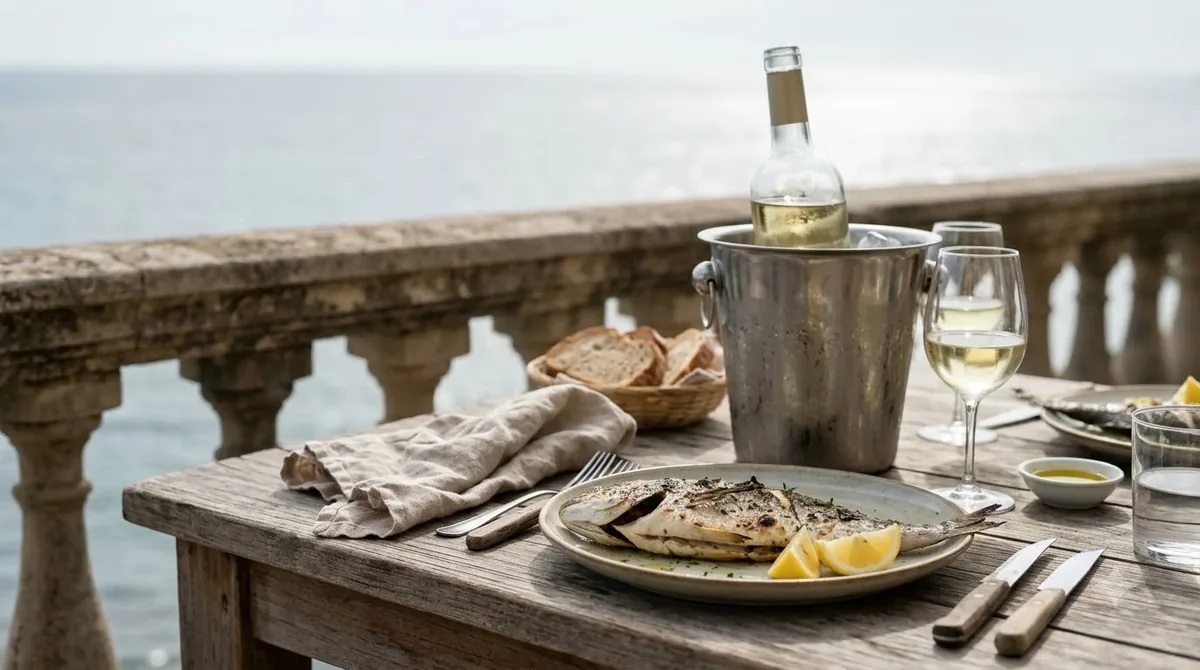
The producer’s official white wine collection includes Semillon, Riesling, Sauvignon Blanc, Chardonnay, Chenin Blanc, Pinot Grigio and other varieties. Its broader selection also features Traminer, Vermentino, Viognier and sparkling white wine. Availability and individual expressions can vary between collections and markets.
One useful way to understand the selection is to separate the wines according to their general drinking style. Sauvignon Blanc, Riesling and many Semillon expressions are attractive choices for people who enjoy freshness and pronounced acidity. Chardonnay generally offers more body and can provide a rounder experience. Pinot Grigio is another option for drinkers who prefer delicate fruit and a lighter texture.
McGuigan also organizes its wines into collections, including Black Label, Personal Reserve, Bin 9000, The Shortlist, Mastercraft and Single Batch. These names help distinguish different selections within the producer’s portfolio. They should not be treated as grape varieties or universal sweetness classifications.
For example, Black Label includes familiar Australian wine styles, while Mastercraft and Bin 9000 provide additional expressions within the larger collection. The same grape can therefore appear in more than one range, with differences in sourcing, winemaking and intended style.
Readers exploring the producer’s wider portfolio can also learn about McGuigan wine to understand how its white wines fit alongside its red, rosé and other offerings.
When selecting a bottle, start with the grape variety rather than the collection name alone. This gives you a more reliable indication of the general flavor profile and helps match the wine to your preferences.
Popular White Grape Varieties and Their Flavors
The grape variety is one of the strongest clues to a white wine’s typical flavor, acidity and body. McGuigan’s selection includes both familiar international varieties and grapes with a particularly strong connection to Australian wine regions.
Sauvignon Blanc is a natural starting point for anyone who likes crisp, aromatic wines. It commonly shows citrus, grapefruit, passion fruit, green herbs and sometimes grassy notes. Its high acidity gives it a refreshing character, making it particularly useful with seafood and lighter meals.
Semillon offers a different experience. Young examples are often light-bodied, dry and lemon-driven, with fresh acidity and subtle herbal characteristics. Australian Semillon has a particularly strong regional identity in the Hunter Valley, where traditional wines can develop complex flavors with bottle age.
Riesling is another variety worth considering. It is known for its pronounced acidity and aromatic character, with common notes of lime, lemon, green apple and floral scents. Depending on the winemaking approach, Riesling can be bone-dry or retain noticeable sweetness. The grape’s natural acidity helps balance residual sugar, so a slightly sweet wine can still feel refreshing.
Chardonnay generally provides more body than Sauvignon Blanc or Pinot Grigio. Its flavors may include apple, lemon, pear and tropical fruit. Oak maturation, where used, can add vanilla, toast and baking-spice characteristics. The result can be rounder and richer than a stainless-steel-fermented white wine.
Pinot Grigio typically emphasizes delicate citrus, pear, white peach and subtle mineral notes. It is a useful option for someone who wants a relatively light white wine without the pronounced grassy character often associated with Sauvignon Blanc.
Other varieties offer additional possibilities. Vermentino is often associated with citrus, herbs and a fresh finish, while Viognier commonly displays floral aromas and ripe stone-fruit flavors. Traminer is particularly aromatic and may offer a more expressive floral and spice profile.
The following table compares the general characteristics of these grapes. These are typical varietal tendencies, not guaranteed tasting notes for every McGuigan bottle.
| Grape variety | Typical acidity | Body | Common flavor characteristics |
|---|---|---|---|
| Sauvignon Blanc | High | Light to medium | Grapefruit, lime, herbs, passion fruit |
| Semillon | Medium to high | Light to medium | Lemon, green apple, quince, honey with age |
| Riesling | High | Light to medium | Lime, green apple, citrus, flowers |
| Chardonnay | Medium | Medium to full | Apple, lemon, pineapple, vanilla |
| Pinot Grigio | Medium to high | Light | Pear, white peach, citrus |
| Viognier | Low to medium | Medium to full | Apricot, peach, flowers |
| Vermentino | Medium to high | Light to medium | Citrus, herbs, green fruit |
For additional background on the differences between these varieties, the Wine Enthusiast guide to Sauvignon Blanc explains how grape-growing conditions and winemaking influence acidity, aroma and body.
One important distinction is that grape variety does not determine sweetness on its own. A Riesling can be dry or sweet, while Sauvignon Blanc is generally produced as a dry wine. The actual balance depends on fermentation, residual sugar and the producer’s intended style.
McGuigan Sauvignon Blanc, Riesling and Semillon
Sauvignon Blanc, Riesling and Semillon are three particularly useful choices for drinkers who enjoy fresh, aromatic white wines. Although all three can have lively acidity, their aromas, textures and regional associations make them noticeably different.
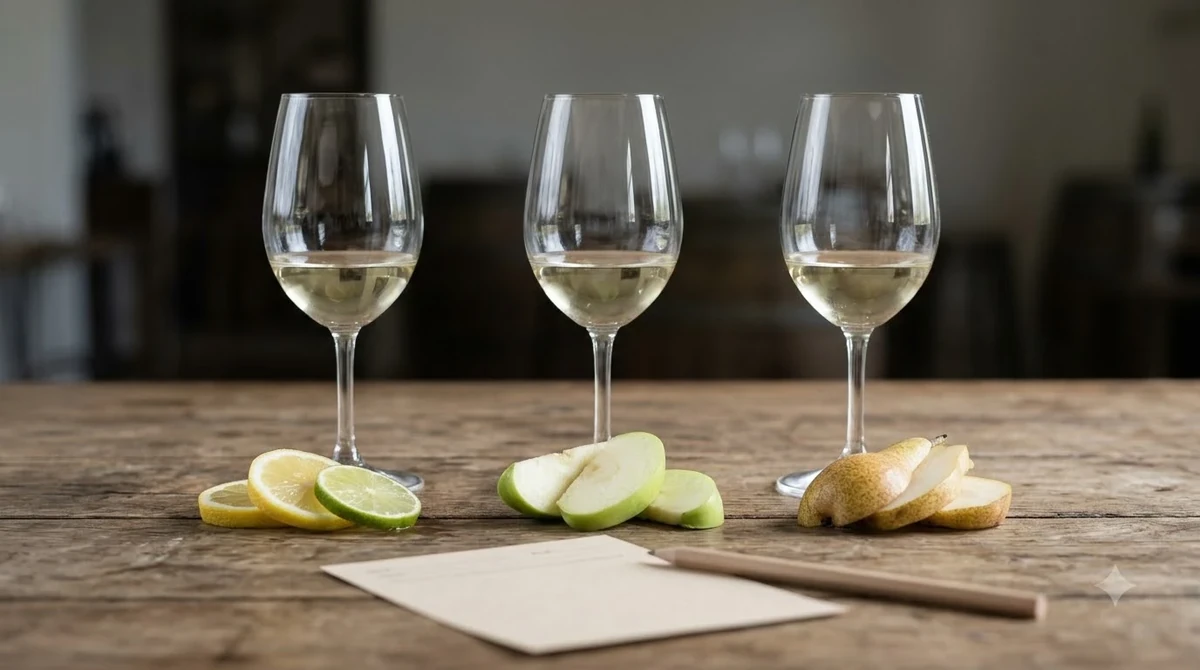
McGuigan Sauvignon Blanc is described by the producer as aromatic and easy-drinking. Its official range includes Black Label, Mastercraft and Single Batch expressions, with the Adelaide Hills identified as a source of elegant and refreshing examples. The variety generally offers a combination of citrus, tropical fruit and herbal notes.
For someone who likes a refreshing wine with recognizable fruit flavors, Sauvignon Blanc is a sensible starting point. It works particularly well when served chilled and paired with simple food. Think grilled prawns, fresh salads, goat cheese or white fish with lemon. Its acidity helps keep the combination lively rather than heavy.
Riesling is worth considering when you want a wine with pronounced freshness and a more aromatic profile. Citrus, green apple and floral aromas are common, while the palate can range from very dry to noticeably sweet. Its high acidity helps balance the fruit and gives the wine a clean, energetic finish.
Riesling is particularly versatile at the table. It can accompany grilled fish, chicken, lightly spiced Asian dishes and salads. A wine with some residual sweetness can also work well with dishes containing moderate chili heat, provided the wine is at least as sweet as the food. However, high alcohol can intensify the sensation of chili, so a balanced, moderate-alcohol white is often preferable.
Semillon deserves special attention because of its importance in Australian winemaking. McGuigan includes this variety in its white wine portfolio, and the grape has a long history in regions such as the Hunter Valley.
Young Semillon is usually dry, light-bodied and focused on lemon, green apple and fresh herbal characteristics. Its acidity makes it a natural partner for oysters, shellfish and delicate white fish. Compared with Sauvignon Blanc, it can feel more restrained in its aromas and more delicate in its texture.
Australian Semillon also has an interesting capacity for bottle development. Wine Australia explains that Hunter Valley examples can develop fig, toast and honey characteristics after approximately 6–8 years, while some wines can age for several decades. This is a regional characteristic rather than a promise that every Semillon bottle will improve over time.
The distinction matters when choosing a wine. If you want an immediate, citrus-driven drink, a youthful Semillon is a good option. If you enjoy mature white wine with more savory complexity, an appropriately aged Hunter Valley Semillon may be particularly interesting.
For an overview of the producer’s other grape-based options, compare these white wines with McGuigan red wine to understand the different roles that acidity, body and tannin play in wine selection.
Chardonnay, Pinot Grigio and Other White Wine Styles
Not every white wine drinker wants a sharp, citrus-focused style. Chardonnay, Pinot Grigio, Vermentino and Viognier provide alternatives for people who prefer different textures, aromas and levels of richness.
Chardonnay is usually the best starting point for someone who wants a fuller white wine. It has medium acidity and can range from lean and citrus-driven to creamy, rounded and richly textured. Its final style depends heavily on the growing region and winemaking decisions.
Unoaked Chardonnay commonly emphasizes apple, pear, lemon and other fresh fruit flavors. Oak-aged versions can introduce vanilla, toast, spice and a more substantial mouthfeel. Malolactic fermentation, when used, can further soften the wine’s acidity and create a creamy impression.
McGuigan describes Chardonnay as a more mouth-filling and rich option within its white wine selection. That makes it an appealing choice for people who enjoy white wine with grilled chicken, roasted vegetables, creamy pasta or richer seafood dishes.
Pinot Grigio offers a contrasting style. It is generally lighter in body, with delicate pear, citrus and white peach flavors. The acidity can be moderate to high, depending on the growing region and production approach. It works well as an uncomplicated aperitif or alongside grilled vegetables, seafood and fresh salads.
Vermentino provides another option for drinkers who like aromatic white wine with fresh fruit and herbal notes. It can be particularly appealing with Mediterranean-inspired food, including grilled fish, olives, lemon-seasoned vegetables and seafood pasta.
Viognier is generally more aromatic and fuller in texture. Peach, apricot and floral notes are common, while its acidity is usually lower than that of Sauvignon Blanc or Riesling. It can complement roast chicken, mildly spiced dishes and foods with richer sauces.
Chenin Blanc adds further variety. The grape can produce dry, fresh wines as well as sweeter styles. Its acidity and fruit character make it adaptable to different foods, although the specific balance of sweetness and acidity matters when planning a pairing.
When comparing these varieties, consider the texture of the food as much as its flavor. A light Pinot Grigio can disappear beside a heavy cream sauce, while a richer Chardonnay may have enough body to match the dish. Similarly, a highly aromatic Viognier can complement food with pronounced herbs and spices.
The most useful approach is to choose a wine that has enough weight to stand alongside the meal without overpowering it. A delicate white fish dish usually benefits from a lighter wine, while grilled chicken with a creamy sauce can accommodate something fuller.
Food Pairings for Different McGuigan White Wines
The best food pairing depends on acidity, sweetness, body and flavor intensity. Fresh, high-acid whites generally work well with seafood and acidic ingredients, while fuller styles can handle richer dishes and creamier textures.
McGuigan Sauvignon Blanc is a natural partner for fresh seafood. Grilled prawns, oysters, white fish, calamari and seafood salads all work well with its citrus-driven character. Lemon, fresh herbs and light vinaigrettes reinforce the wine’s freshness rather than overwhelming it.
Semillon also pairs particularly well with seafood. Young Hunter Valley-style Semillon is especially suitable for oysters, grilled prawns and delicate white fish. Its clean acidity helps balance the natural richness of shellfish without introducing the tannin that can make certain red wines difficult to pair with fish.
Riesling is a flexible choice for dishes with fresh herbs, moderate spice and noticeable acidity. Thai-inspired salads, Vietnamese-style fish dishes, ginger-seasoned chicken and lightly spiced seafood can all work well. For a dish with sweetness or chili heat, choose the wine’s sweetness level carefully. A dry wine can taste sharper beside a sweet sauce, while alcohol can amplify the sensation of chili.
Chardonnay is particularly useful for richer meals. Roast chicken, grilled salmon, mushroom risotto and creamy pasta can complement its broader texture. An oak-influenced Chardonnay can also work with grilled vegetables and dishes containing browned butter or roasted nuts.
Pinot Grigio is an easy choice for lighter meals. Consider vegetable salads, grilled zucchini, fresh mozzarella, mild cheeses and simply prepared white fish. It is also useful before dinner because its generally lighter body does not dominate the palate.
Vermentino can accompany Mediterranean-style dishes such as grilled sea bass, lemon-seasoned shrimp, herb-based salads and vegetable antipasti. Viognier is more suitable for dishes with aromatic ingredients, including roast chicken with apricots, mildly spiced vegetables and fragrant sauces.
Cheese pairings also deserve attention. Sauvignon Blanc and goat cheese are a familiar combination because the wine’s acidity balances the cheese’s creamy, tangy character. Chardonnay can work with Brie and other soft cheeses, while Riesling can accompany fresh cheeses and dishes containing fruit.
Salt and fat generally soften the perception of tannin, although white wines usually contain little tannin compared with structured reds. Acidity is often the more important consideration when matching white wine with food.
Tip: Match the wine’s acidity to the food. A lemon-dressed seafood salad needs a wine with enough freshness to stand alongside the dressing. For sweet sauces or desserts, choose a wine at least as sweet as the food so the wine does not taste thin or sour.
Serving order can also improve a meal. Start with a lighter Pinot Grigio or Sauvignon Blanc, then move to a fuller Chardonnay if the main course includes cream, butter or roasted ingredients. A sweeter Riesling can work particularly well with a mildly spicy course.
Serving Temperature, Storage and Freshness
White wine generally tastes best when chilled, but serving temperature should reflect the wine’s body and style. Excessive chilling can hide aroma and flavor, while wine served too warm may seem less refreshing and more alcoholic.
For light-bodied white wines, including many Sauvignon Blanc and Pinot Grigio expressions, aim for approximately 45–50°F. This temperature preserves freshness while allowing the wine’s fruit and aromatic characteristics to remain noticeable.
Fuller white wines, particularly richer Chardonnay styles, are generally better served slightly warmer at 50–55°F. This range gives the wine more room to express its texture, fruit and any oak-related aromas.
Sweet white wines are commonly served at 43–50°F. Sparkling white wines should be colder, around 40–50°F, to preserve their refreshing character and maintain their bubbles.
A refrigerator is a convenient way to chill a bottle. If the wine has been stored at room temperature, allow sufficient time for it to cool before serving. A short period in an ice-water bucket can speed up the process when guests are waiting.
Storage matters too. Unopened bottles are best kept in a cool, dark location away from temperature fluctuations. A storage temperature near 55°F is a useful target. Bottles sealed with traditional corks are generally stored horizontally to keep the cork from drying out.
After opening a bottle, replace the closure and refrigerate the remaining wine. Most opened still white wines remain enjoyable for approximately 3–5 days when properly stored, although freshness can decline gradually through exposure to oxygen.
A vacuum stopper can reduce air exposure, but it cannot completely prevent oxidation. If the wine has lost its fresh fruit character or developed an unpleasant smell, it may no longer offer the experience intended by the producer.
Serving size is another practical consideration. A standard 750 ml bottle provides approximately five 5 oz glasses. For a dinner involving several courses, this makes it easier to estimate how many bottles are needed without pouring overly generous servings.
Temperature also affects the way different varieties appear. A very cold Sauvignon Blanc can seem muted, while a Chardonnay served too warm may feel heavy. Allowing the wine to warm slightly in the glass can reveal more aromatic detail as the meal progresses.
Choosing the Right McGuigan Collection
McGuigan’s different collections provide several ways to explore its white wine selection. The range names are useful for identifying groups of wines, but the grape variety, growing region and winemaking approach remain important when predicting the final style.
Black Label is one of the recognizable collections in the producer’s portfolio. It includes familiar Australian grape varieties and approachable styles intended for a broad range of occasions. Its Sauvignon Blanc is a useful example for someone who wants an aromatic white with recognizable citrus and fruit characteristics.
Personal Reserve, Bin 9000, The Shortlist, Mastercraft and Single Batch offer additional options within the larger McGuigan selection. The wines in these collections should be assessed individually rather than assuming they all share one particular flavor profile.
For example, a Semillon from one collection may emphasize fresh citrus, while another expression may offer a different level of concentration or regional character. Similarly, Chardonnay can vary substantially according to its growing conditions and use of oak.
There are several practical questions to consider when choosing between collections:
- What grape do you prefer? Start with Sauvignon Blanc for crisp, aromatic freshness, Semillon for delicate citrus, or Chardonnay for a fuller texture.
- What food will you serve? Match light seafood with high-acid whites and richer chicken or pasta dishes with fuller-bodied styles.
- Do you prefer dry or sweet wine? Consider the specific expression rather than assuming that a grape or collection name determines sweetness.
- Are you exploring a regional style? Look at wines associated with the Hunter Valley, Adelaide Hills, Clare Valley or Eden Valley.
- Do you want an everyday bottle or a more distinctive expression? Compare the available collections and individual tasting descriptions before deciding.
The broader Wine Brands section can also help readers understand how producers organize their portfolios and how different collections relate to grape varieties and regional wine styles.
For drinkers who already enjoy McGuigan’s reds, comparing the white range with McGuigan Black Label wine can provide a clearer picture of the producer’s collection-based approach. The important point is to select according to the style in the bottle rather than relying exclusively on the label name.
McGuigan’s selection is broad enough to accommodate several different preferences. A drinker who likes fresh citrus and herbs can explore Sauvignon Blanc or Semillon, while someone who prefers a fuller palate can start with Chardonnay. Trying different varieties is a practical way to discover which expressions best suit individual tastes.
Frequently Asked Questions
Is McGuigan an Australian wine brand?
Yes. McGuigan is an Australian wine producer with a history extending over 100 years. Its portfolio includes wines associated with several Australian growing regions, including the Hunter Valley in New South Wales and regions in South Australia.
Does McGuigan produce alcohol-free white wine?
Yes. The producer has a McGuigan Zero collection that includes white wine options. This provides an alternative for people looking for a non-alcoholic wine-style drink rather than a conventional alcoholic bottle. Individual varieties and availability can differ between markets.
Can Australian Semillon be aged for several decades?
Some high-quality Hunter Valley Semillon can develop over exceptionally long periods. Wine Australia notes that certain examples can age gracefully for 40 years or more. Their evolution can include honey, fig and toast characteristics while retaining recognizable acidity.
What is the difference between stainless-steel and oak-fermented white wine?
Stainless-steel fermentation generally preserves fresh fruit and floral characteristics without adding flavors from wood. Oak fermentation can contribute vanilla, toast and spice, while also influencing the wine’s texture. The choice depends on the producer’s intended style rather than one method being universally better.
Can McGuigan white wine be used in cooking?
Yes. Dry Sauvignon Blanc, Semillon and Chardonnay can be useful in seafood sauces, chicken dishes, risotto and pan sauces. A dry wine is generally more versatile for savory cooking than a noticeably sweet expression. Use a wine whose flavors complement the ingredients rather than one with pronounced sweetness that may dominate the dish.
McGuigan white wine offers a varied introduction to Australian white wine, with choices ranging from crisp Sauvignon Blanc and delicate Semillon to fuller Chardonnay and aromatic alternatives. Start with the grape variety that best matches your preferred flavors, then consider the collection, region and food pairing. With the right serving temperature and a suitable meal, these wines can work for everything from casual lunches to more substantial dinners.
More in Wine Brands
 Underwood Wine Price: Compare Bottles, Cans, and Pack SizesUpdated Nov 21, 2026
 Zenato Wine Price: Compare Styles and Choose the Right BottleUpdated Nov 21, 2026
 Zuccardi Wine Price: Compare Bottles and Find the Right RangeUpdated Nov 21, 2026
 Yellow Tail Moscato Review: Taste, Sweetness and Serving TipsUpdated Nov 21, 2026
 Wolf Blass Yellow Label Review: Choose Your Best StyleUpdated Nov 21, 2026
 Wolffer Estate Rose Review: Choose the Right Bottle for Your TableUpdated Nov 21, 2026