

We may earn a commission when you buy through links on this page, at no extra cost to you. Learn more.
The phrase mcguigan wine refers to an Australian portfolio shaped by more than a century of McGuigan family winemaking heritage, with approachable Black Label bottlings alongside regional wines such as Hunter Valley Semillon. The range covers reds, whites, rosé, sparkling wines, fortified styles, and a non-alcoholic line. The best bottle for a particular meal depends on its grape, region, sweetness, body, and tannin rather than the brand name alone.
McGuigan is a useful name to know if you want recognizable Australian varieties without treating every bottle as the same style. Its story begins in the Hunter Valley, but its wider portfolio includes familiar grapes and several distinct ranges. This guide explains the family background, the main labels, typical flavors, food matches, and practical serving choices.
McGuigan’s Australian Roots and Winemaking Identity
McGuigan is an Australian wine brand with a family history reaching back to the Hunter Valley in the 1880s. Four generations of the McGuigan family have been involved in grape growing and winemaking, while the branded business took shape in the early 1990s.
The distinction between family heritage and the modern brand is useful. Decanter records McGuigan Wines as founded in 1992, while the producer’s own account traces its winemaking roots to the 1880s. Those dates describe different parts of the story: a long-running family tradition and the launch of a named wine business. The company’s stated philosophy is to keep the wine itself central, with an emphasis on quality, consistency, and accessible styles.
The Hunter Valley remains an important reference point, particularly for Semillon and Shiraz. The region lies north of Sydney in New South Wales and has a long history of winegrowing. Local conditions are not identical from vineyard to vineyard: McGuigan’s regional overview describes Shiraz on the area’s loamier soils and Semillon on sandier ground. This helps explain the contrast between a rounded red and a lean, citrus-driven white.
McGuigan’s portfolio is broader than one region or one grape. It includes wines made in recognizable international styles as well as bottlings that point more directly to Hunter Valley tradition. The everyday range and the regional bottlings are best understood as different expressions, not one fixed house flavor.
How the McGuigan Ranges Differ
McGuigan uses several range names to distinguish everyday, regional, and more specialized bottlings. Black Label is the best-known core range, while Bin 9000, The Shortlist, Hand Made, Mastercraft, Cellar Select, Personal Reserve, and McGuigan Zero point to different styles or drinking preferences.
Black Label is the most familiar starting point for many shoppers. The range was launched in Australia in 1994 and includes red and white varietal styles. Australian Vintage describes Black Label Red as a smooth, fruit-forward blend, with spicy plum, cherry, and blackberry notes in its Black Label history. That rounded profile helps explain its broad appeal: it is designed as an accessible red for relaxed meals, barbecues, and casual occasions. Black Label also includes white wines.
For a closer look at the best-known bottlings, the site’s McGuigan Black Label wine overview can help distinguish the red blend from individual varietal choices. The separate McGuigan red wine guide is useful when the decision is between a softer blend and a more structured grape such as Cabernet Sauvignon or Shiraz. These labels are not interchangeable: grape variety and blend composition shape tannin, acidity, body, and the food that will suit the wine.
Other ranges offer a different point of reference. Bin 9000 is associated with Hunter Valley Semillon, a regional style with a strong reputation for fresh acidity and the ability to develop with bottle age. The Shortlist, Hand Made, Mastercraft, Cellar Select, and Personal Reserve names extend the portfolio, while McGuigan Zero is the non-alcoholic line. Range names and individual releases can differ between markets, so the bottle in front of you matters more than assumptions based on a range title.
Main Grapes and Expected Flavors
The grape variety is one of the clearest clues to how a McGuigan wine is likely to taste. Shiraz and Cabernet Sauvignon usually bring more structure to the red selection, while Semillon, Sauvignon Blanc, and Chardonnay offer different expressions of Australian white wine.
Shiraz is an important Australian red grape and a natural fit for the Hunter Valley. Expect red or dark berry fruit, peppery spice, and a medium-plus to high tannin structure, depending on the region and winemaking. A fuller Shiraz can feel broad beside grilled meat, while a fresher example may show brighter fruit and less weight. Cabernet Sauvignon generally has high tannin and firmer structure; Merlot is softer, with medium tannin and rounder plum fruit. Pinot Noir, when present, offers a lighter red option with low-to-medium tannin and relatively high acidity. It tends to suit dishes that would overwhelm a powerful Cabernet, such as roast chicken, mushroom pasta, or simply prepared salmon. Blends combine more than one variety, so their tasting descriptions are more useful than the word “red” alone. Choose Merlot for softer tannin or Cabernet and structured Shiraz for a firmer feel.
Semillon is the signature white variety to understand in the Hunter Valley. Young Hunter Semillon is generally dry, light-bodied, citrus-led, and refreshing, with lemon, lemongrass, and herbal aromas rather than overt oak. Decanter describes the regional style as commonly sitting between 10% and 12% alcohol, with bright acidity and a restrained profile. McGuigan’s Bin 9000 is one of the named Hunter Valley examples. For regional context, Decanter’s Hunter Valley Semillon overview explains why the grape has a distinct identity in this part of New South Wales.
Sauvignon Blanc is typically crisp and aromatic, with high acidity and citrus, green fruit, or herb notes. Chardonnay usually has medium acidity and can feel broader, especially if oak or lees influence is present. Verdelho is another variety associated with the Hunter Valley and can offer ripe citrus and tropical fruit. Rosé is usually fruit-led and refreshing, while Moscato tends to be gently aromatic and sweeter. Climate, ripeness, blending, fermentation, and residual sugar can all change the final profile.
Food Pairings for Reds, Whites, and Rosé
Match McGuigan wines to the weight and flavor of the food rather than choosing by color alone. A structured red works best with savory, protein-rich dishes, while high-acid whites are natural partners for seafood, salads, and foods with citrus or vinaigrette.
For Shiraz, try grilled lamb, beef burgers, barbecue ribs, or sausages with browned edges. Cabernet Sauvignon suits steak, roast beef, or slow-cooked short ribs; protein, salt, and fat soften its firmer tannin. Merlot is more flexible with meatloaf, roast pork, mushroom dishes, and tomato-based pasta because its tannins are generally softer.
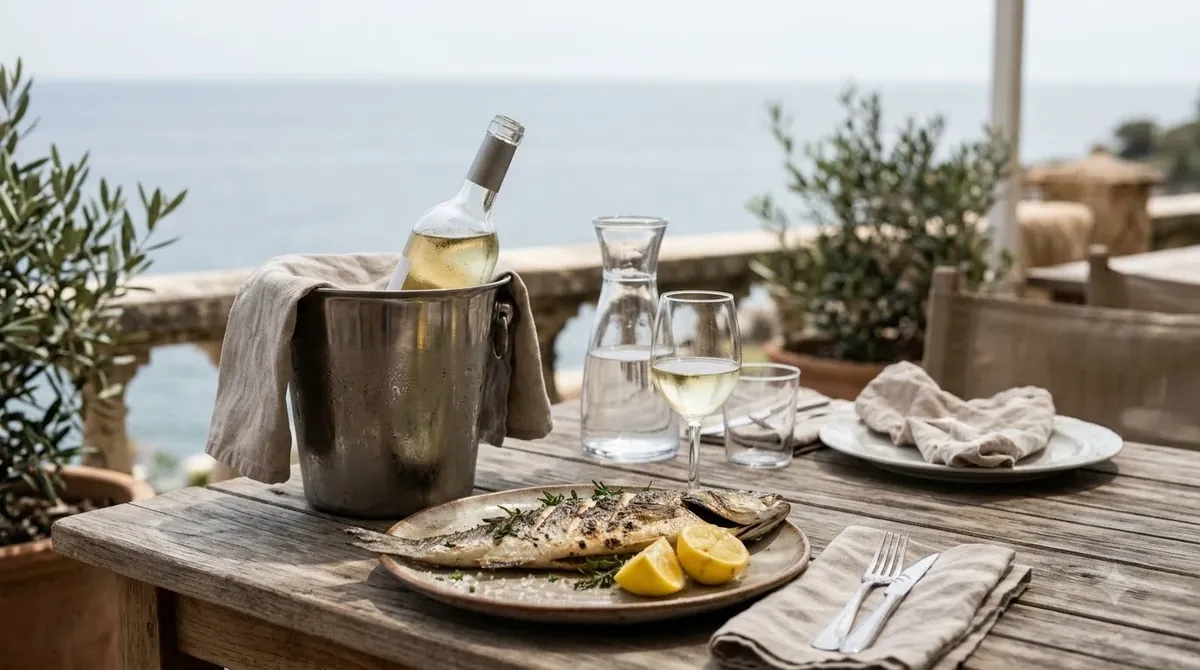
Semillon and Sauvignon Blanc suit prawns, oysters, grilled white fish, seafood salads, and vegetables dressed with lemon. Their acidity refreshes the palate, especially alongside herbs or sharp dressing. Chardonnay can work with roast chicken, creamy mushroom pasta, or a richer fish dish when the wine has enough body for the food. Pinot Noir is often a better red choice for salmon or tuna than a heavily tannic Cabernet. Oily fish can clash with strongly tannic reds, so choose a white or a lighter, more acidic red for those dishes.
Rosé can bridge the gap between white and red wine at a meal. Serve it with grilled vegetables, charcuterie, tomato salads, chicken skewers, or picnic foods that combine salt, herbs, and fresh produce. For spicy dishes, avoid assuming that a powerful red is the best match: alcohol and tannin can amplify chili heat. A fresher white or rosé with moderate alcohol is often more comfortable alongside dishes with hot peppers. For desserts, choose a wine at least as sweet as the dish; a dry wine can seem sour or thin beside a very sweet pudding. Acidity matters as much as weight. Lemon juice, vinegar, and pickled vegetables need a wine with equal or higher acidity or the wine can taste flat. A fuller Chardonnay may suit cream sauce better than a very lean Sauvignon Blanc.
Serving Temperatures, Glassware, and Storage
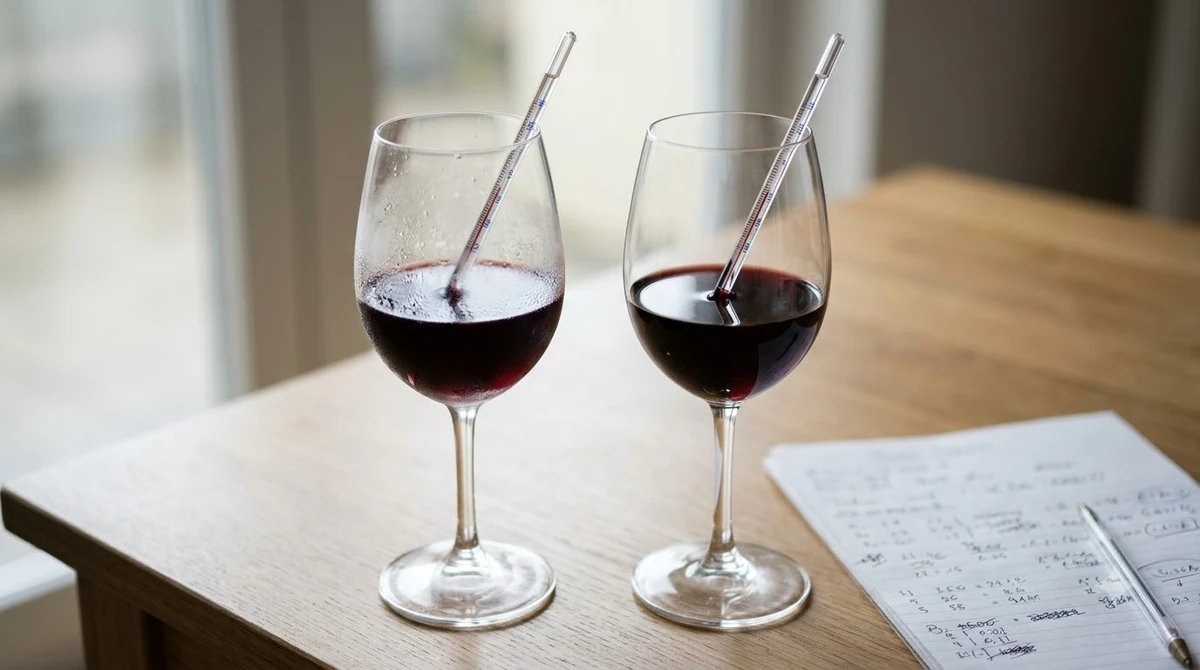
Serving temperature can change the balance of fruit, alcohol, acidity, and tannin in a glass. Light whites and rosé should be cool, fuller whites need slightly more warmth, and reds are best served below typical warm room temperature.
Use these temperature ranges as practical starting points. A bottle that is too cold can hide aroma, while a red served too warm can make alcohol feel more obvious. Let chilled wine warm gradually in the glass.
| Wine style | Serving temperature | Good examples |
|---|---|---|
| Sparkling | 40–50°F | Sparkling white or sparkling red |
| Light whites and rosé | 45–50°F | Semillon, Sauvignon Blanc, rosé |
| Fuller whites | 50–55°F | Fuller-bodied Chardonnay |
| Sweet whites | 43–50°F | Moscato or a sweet white |
| Light reds | 55–60°F | Pinot Noir or a lighter red blend |
| Full reds | 60–65°F | Cabernet Sauvignon or fuller Shiraz |
A standard wine pour is about 5 ounces, which leaves enough room in the glass to swirl and smell the wine. Use a medium-sized glass for most whites and rosés, and a larger bowl for fuller reds so their aromas can open. One versatile, clean glass is more useful than a separate shape for every grape; hold it by the stem to keep chilled wines cooler.
Store unopened bottles on their side in a cool, dark place near 55°F, away from direct sunlight and large temperature swings. Once opened, keep still wines in the refrigerator and use them within about 3–5 days; sparkling wines are generally best within 1–3 days with a proper sparkling-wine stopper. Fortified wines can last several weeks after opening, while bag-in-box wines commonly keep for about 4–6 weeks once tapped. Freshness depends on air exposure, temperature, closure, and style.
Tip: A young, full-bodied red can benefit from 30–60 minutes in a decanter before serving. This gives the wine time to meet air and can soften the first impression of firm tannin; lighter reds and delicate older bottles usually need less handling.
How to Choose a McGuigan Bottle for Your Table
Start with the occasion, then narrow the choice by grape, body, acidity, tannin, and sweetness. Black Label is a straightforward entry point for familiar styles, while a region-specific bottle such as Hunter Valley Semillon is better when you want a clearer sense of place.
For burgers or grilled sausages, consider Black Label Red or Shiraz; for steak or braised beef, choose Cabernet Sauvignon or a fuller Shiraz. Seafood, salad, and fresh vegetables usually suit crisp Semillon or Sauvignon Blanc, while roast chicken and creamy pasta can work with fuller Chardonnay. Read the front and back labels together. The front usually identifies the brand, range, grape or blend, and sometimes the region; the back often gives a short description of body, aroma, or suggested food. Alcohol percentage is only one clue: a higher figure does not automatically mean a fuller or sweeter wine. Look for dry, medium-sweet, or sweet rather than treating fruit words such as peach or plum as a measure of residual sugar.
For a comparison across white styles, the site’s McGuigan white wine overview can help separate crisp, high-acid options from fuller-bodied bottles. If you are comparing labels from several producers, the broader Wine Brands resource can provide context for how a producer’s entry range, regional bottlings, and reserve labels are commonly positioned. Match the wine’s structure to the meal and the preferences of the people drinking it. Think about sweetness before serving wine with dessert or a strongly sweet sauce. The wine should be at least as sweet as the food, otherwise it may taste sharp and stripped of fruit. A dry red is rarely a good match for a very sweet chocolate dessert, while a sweet Moscato-style wine can suit fruit tarts or lightly sweet pastries. For a meal with chili heat, look for a fresher style with moderate alcohol and avoid a high-tannin red that could intensify the burn.
The McGuigan name covers different styles, not one fixed flavor. A grape can change across regions and vintages, so use food pairing as a guide rather than a rigid rule.
Frequently Asked Questions
These answers cover the Pokolbin cellar door, Hunter Valley Semillon, and the history of McGuigan Bin 9000.
Where can visitors find the McGuigan cellar door?
McGuigan lists its cellar door at Pavilion C, Roche Estate, 2144 Broke Road, Pokolbin, New South Wales. The published visiting hours are 10 a.m. to 5 p.m. daily, and bookings are recommended.
What other names were used for Hunter Valley Semillon?
Before the variety was consistently identified as Semillon, Hunter Valley wines made from it were sometimes labelled Shepherd’s Riesling, Rhine Gold, or Chablis. Those historical names reflect an earlier period when the grape’s identity was not clearly communicated on wine labels.
Which McGuigan wine won a major Decanter white-wine trophy?
The 2007 McGuigan Bin 9000 Semillon won the Decanter World Wine Awards’ International Trophy for Best in Show White Single-Varietal. Decanter listed that wine at 11% alcohol by volume.
Which company operates McGuigan Wines?
The McGuigan Wines website identifies Australian Vintage Ltd as the company trading as McGuigan Wines. The family’s four-generation winemaking heritage is part of the brand’s history, while the present-day trading name is connected with Australian Vintage Ltd.
When was McGuigan Bin 9000 Semillon first launched?
Decanter records the first launch of Bin 9000 Semillon in 1997. The fruit was described as coming from the base of the Brokenback Range, where coastal sea breezes moderate summer heat and old, low-yielding vines contribute to the wine’s regional character.
McGuigan offers an accessible way to explore Australian reds and whites, but its strongest regional reference is Hunter Valley Semillon. Start with the flavor and structure that suit your meal, then use the range name and grape variety to decide how far you want to explore.
More in Wine Brands
 Louis Latour Wine Price: Compare Bottles by Style and TierUpdated Nov 20, 2026
 Yellow Tail Moscato Price: What to Expect Before You BuyUpdated Nov 20, 2026
 Sutter Home Sweet Red Review: Find the Right Food PairingsUpdated Nov 20, 2026
 Franzia Chillable Red Review: Find the Right Serving StyleUpdated Nov 20, 2026
 Veuve Clicquot Rose Review: Flavor, Food Pairings and Buying AdviceUpdated Nov 20, 2026
 Rombauer Wine Price: Compare Bottles Before You BuyUpdated Nov 20, 2026